How Stress-Related Cortisol Makes Eye Floaters More Noticeable
Last year, I was juggling a demanding job, my kid’s remote classes, and way too many cups of coffee. That’s when I noticed those annoying little squiggly floaters more frequently in my vision. At first, I thought I was just tired or maybe dehydrated. But as I started digging (and asking my eye doctor), I stumbled upon something interesting—stress and cortisol might be the culprits. And I’m not alone. Turns out, a lot of people dealing with chronic stress have noticed their eye floaters getting worse. So, let’s dive into what’s really going on.
How Stress and Cortisol Impact Eye Health
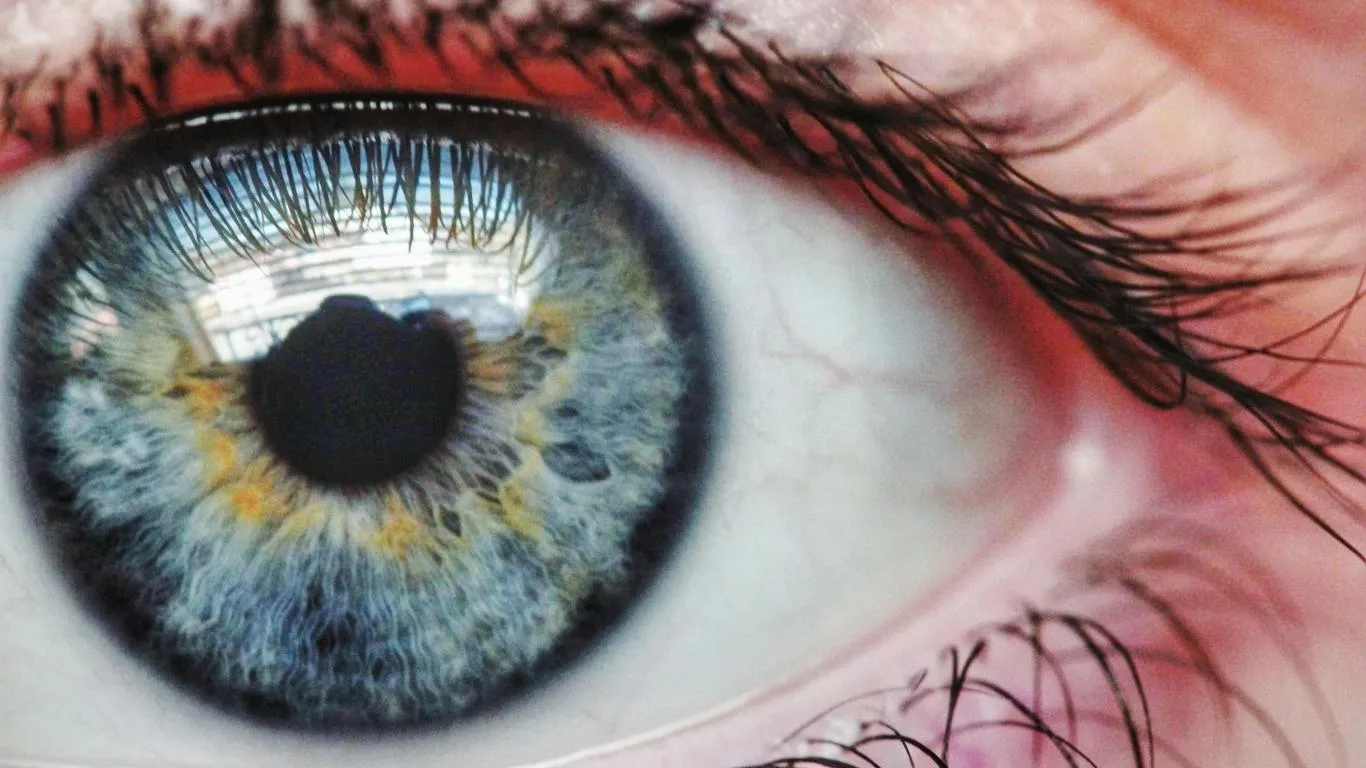
We all deal with stress, right? Whether it’s emotional tension, work overload, or physical strain, our bodies release cortisol—commonly called the “stress hormone.” In short bursts, cortisol helps you respond to danger. But when it stays elevated for too long, it can wreak havoc on several systems in your body, including your eyes.
Increased Cortisol = Decreased Eye Circulation
One of the lesser-discussed effects of elevated cortisol is its role in reducing microvascular circulation. That means less oxygen and nutrient flow to the eyes—especially to the vitreous humor, the gel-like substance where floaters live. When that area isn’t getting proper nourishment, degeneration happens faster.
Stress-Induced Vitreous Changes
If you’re someone who’s noticed more floaters during periods of anxiety, you’re not imagining it. Chronic stress causes your body to burn through collagen and hyaluronic acid—two key components of a healthy vitreous. When those break down, floaters form more easily and stick around longer.
Eye Doctors Are Talking About It
Some ophthalmologists now believe that anxiety episodes and cortisol spikes may speed up vitreous degeneration. I’ve even heard from a few readers who said their floaters got worse after panic attacks or high-stress weeks at work.
Real-Life Floaters That Flare with Stress
I started journaling when my floaters appeared more aggressively—and like clockwork, they showed up after poor sleep, deadlines, or stressful family calls. It got so predictable, I began tracking them like weather changes. Interestingly, some users on online forums report similar patterns, particularly during sleep deprivation or emotional breakdowns.
- Deadlines: Floaters appear after high-pressure project sprints
- Sleep loss: More noticeable after 4–5 hours of sleep
- Social stress: Intense arguments or emotional trauma spike symptoms
Scientific Insight: Cortisol and the Eyes
The link between cortisol and ocular health isn’t just anecdotal. According to researchers at ncbi.nlm.nih.gov, sustained cortisol elevation can degrade connective tissues and disrupt collagen formation, accelerating vitreous syneresis. Translation? That jelly in your eye becomes more liquid, forming clumps, shadows—and yeah, those squiggly floaters.
Also, stress raises intraocular pressure, which might indirectly worsen symptoms, especially for those already susceptible due to genetics or aging.
Signs That Your Floaters May Be Cortisol-Driven
Not sure if your floaters are stress-related? Here’s how mine behaved when cortisol was likely the culprit:
- They showed up or became more visible during emotionally intense moments
- They didn’t improve with hydration or nutrition changes alone
- They flared after a few nights of poor sleep or long screen time
One friend even experienced more pronounced floaters during intense emotional stress linked to a breakup—and they stuck around for weeks. That’s not just coincidence.
When Stress Doesn’t Travel Alone
The problem is, chronic stress isn’t isolated. It often comes hand-in-hand with things that also affect eye health: poor diet, insomnia, dehydration, and lack of physical activity. Each of these can create a “perfect storm” for floaters to thrive.
For instance, if you’re already dealing with high blood pressure, and you layer stress on top, your retinal vessels could become more vulnerable. Or maybe you’ve noticed floaters when lightheaded from skipping meals or overworking.
Proactive Steps That Actually Help
If cortisol is part of the problem, managing it could be key to fewer floaters. I’m not saying meditation will magically erase them—but in my case, doing these helped tone things down:
- Short daily walks—help lower cortisol and relax the eyes
- Magnesium supplementation—backed by some evidence to support nervous system balance
- Breathing apps or exercises—some only take 5 minutes and make a surprising difference
- Limiting caffeine—huge trigger for cortisol spikes and jittery vision
Of course, if your floaters are sudden or come with peripheral vision loss, that’s not something to brush off. Always get them checked by a professional. Floaters can sometimes signal something more serious.
Also, if you want a deep dive into the danger signs that indicate floaters are more than just annoying shadows, check out this guide from Healthusias.
For an even broader understanding, I highly recommend exploring the comprehensive resource on what causes floaters, their symptoms, and treatment options to arm yourself with the bigger picture. Also, this detailed guide on available floater treatments can be a solid next step if you’re seriously considering solutions.
#LNF

Camellia Wulansari is a dedicated Medical Assistant at a local clinic and a passionate health writer at Healthusias.com. With years of hands-on experience in patient care and a deep interest in preventive medicine, she bridges the gap between clinical knowledge and accessible health information. Camellia specializes in writing about digestive health, chronic conditions like GERD and hypertension, respiratory issues, and autoimmune diseases, aiming to empower readers with practical, easy-to-understand insights. When she’s not assisting patients or writing, you’ll find her enjoying quiet mornings with coffee and a medical journal in hand—or jamming to her favorite metal band, Lamb of God.