Foam Camping Pads vs Air Pads for Spinal Support: What’s Better?
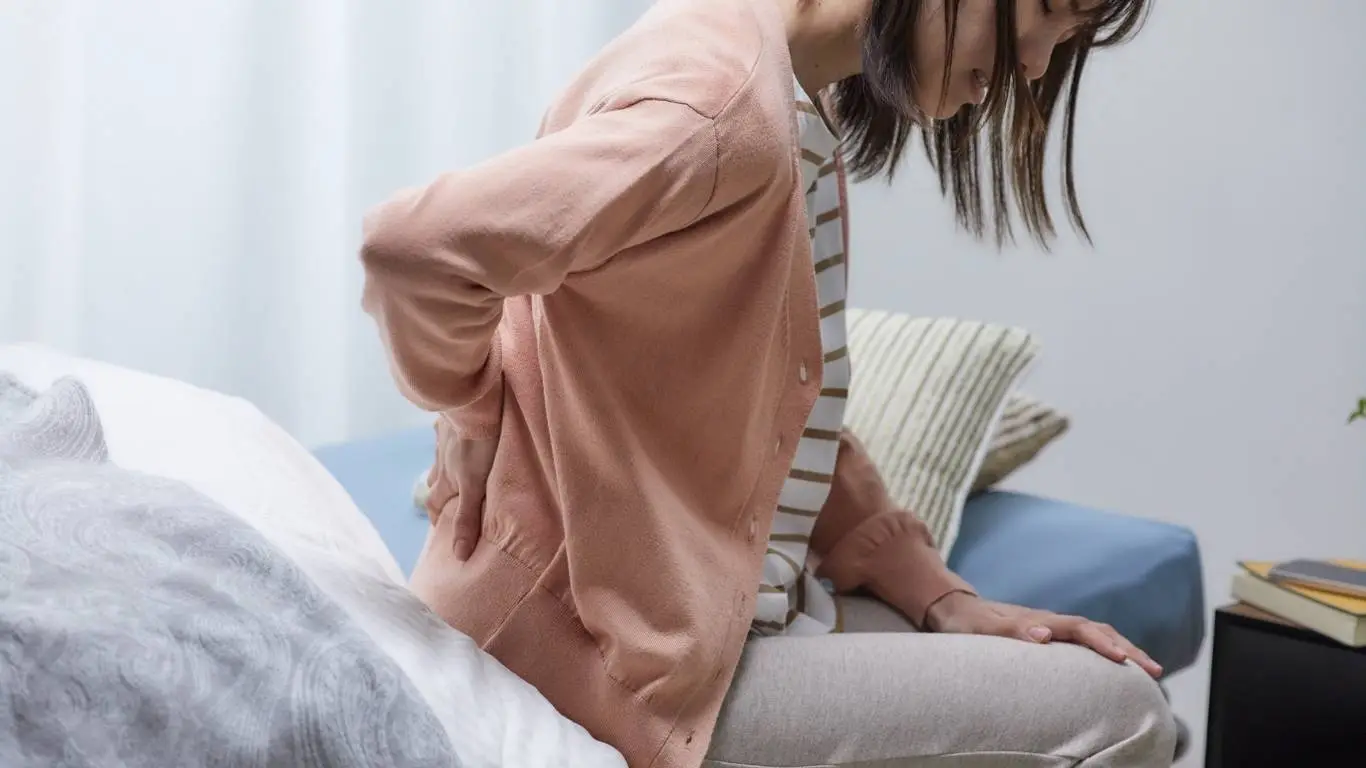
If you’ve ever spent a night under the stars and woken up with a stiff back or aching hips, you already know how crucial your sleep setup is on a camping trip. I used to toss and turn all night trying to get comfortable on rocky terrain until I discovered the real impact of the pad beneath me. For folks like me with chronic back pain, or even occasional discomfort, the choice between foam camping pads and air pads isn’t just about comfort—it’s about protecting your spine. Let’s dive deep into what really matters when choosing between these two options.
Spinal Support Matters More Than You Think

Your spine needs proper alignment while you sleep, especially outdoors. Whether you’re dealing with acute or chronic back pain, poor spinal support can turn a peaceful night into a painful morning. This is where the choice of sleeping pad becomes vital. Both foam and air pads claim comfort, but their ability to support spinal health is where the difference lies.
Why Back Alignment Fails Outdoors
When you’re sleeping outside, uneven ground creates pressure points. Without the right padding, your hips might sag or your lower back might arch in unnatural ways. According to spine-health.com, improper sleep posture is one of the most common causes of overnight back discomfort. That’s not surprising if you’re sleeping directly on the ground or on a pad that compresses unevenly.
Foam Camping Pads: A Reliable Old-School Choice

Foam pads are a classic for a reason. They’re dependable, durable, and don’t pop in the middle of the night. I still remember my first one—it was like sleeping on a yoga mat, but surprisingly more forgiving. These pads typically use closed-cell foam, offering firm but even support along the spine.
Pros of Foam Pads for Back Support
- Consistent support: Foam doesn’t shift or sag under your weight.
- Lightweight and simple: No inflation needed, so setup is a breeze.
- Temperature insulation: Foam insulates better, keeping your back warm.
Because of their firmness, foam pads can help maintain a straight spine, especially for back sleepers. They’re less likely to create “hammocking” effects that curve your lower back unnaturally.
But There Are Drawbacks…
The trade-off? Foam pads don’t adapt to your body shape like air pads. If you’re a side sleeper or need more cushioning at pressure points like the hips or shoulders, a foam pad might feel too stiff. This rigidity can aggravate conditions like lumbar radiculopathy or muscle imbalances.
Air Pads: Customizable Comfort with a Catch
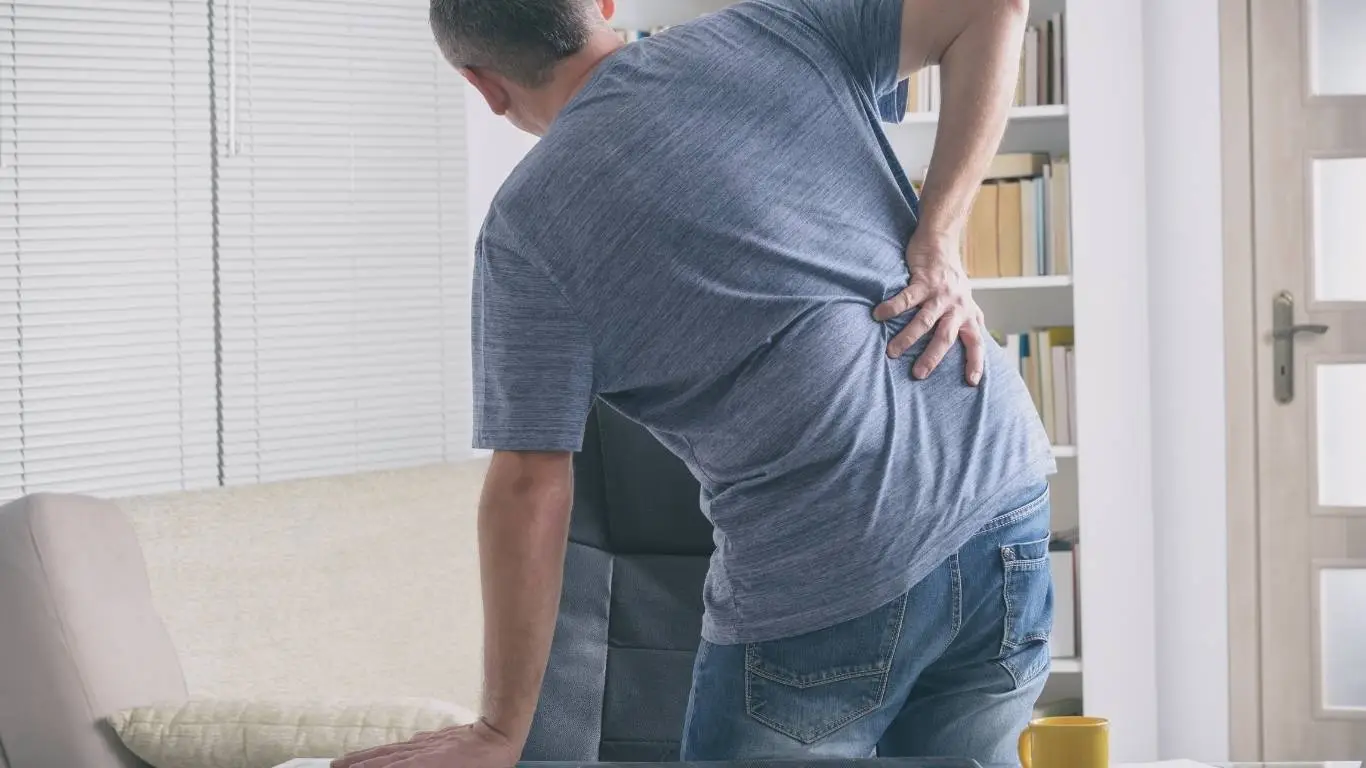
Air pads have come a long way. These aren’t your inflatable pool floats. Many modern designs offer impressive adjustability, allowing campers to fine-tune firmness based on personal comfort. I switched to an ultralight air pad last summer, and it honestly felt like cheating—it was that comfortable.
Air Pads Adapt to Your Spine
- Pressure relief: They conform to your body, distributing weight evenly.
- Adjustable firmness: Let out a little air if you want a softer feel under the hips or shoulders.
- Compact and portable: Great for backpackers who care about both comfort and space.
This customizability is what makes air pads ideal for many folks with spinal issues. If you’ve ever suffered from a herniated disc, you know how important subtle adjustments can be to stay comfortable.
However, Air Pads Aren’t Perfect
One problem I’ve run into? Leaks. There’s nothing worse than waking up at 3 a.m. on deflated plastic. Also, cheaper air pads often create unstable surfaces that can twist your spine when you shift positions. If you go the air pad route, invest in a high-quality one with horizontal baffles or body-mapped zones that stabilize your posture.
Key Differences That Affect Your Back
| Feature | Foam Pad | Air Pad |
|---|---|---|
| Firmness | Firm and unchanging | Adjustable |
| Spinal Alignment | Good for back sleepers | Great for side and combo sleepers |
| Risk of Deflation | None | Possible (puncture/leak) |
| Warmth | Insulates well | May need R-value boost |
Who Should Choose What?

If you have back pain from lifestyle or posture issues, both pads can be viable. Foam may suit you better if you prioritize durability and consistent support. Air pads, on the other hand, are excellent if you want adjustability and don’t mind inflating your bed each night. Just make sure the pad doesn’t dip in the lower back area.
My advice? Try both if you can. I keep a foldable foam pad in my car as a backup and use an insulated air pad on serious hikes. For a more comprehensive understanding of how ergonomics and spinal alignment interact, I highly recommend reading our ergonomics and exercise guide. And don’t forget the main back pain resource that dives deep into causes and treatments for all pain types.
Fine-Tuning Your Sleep System for Spinal Health
Even with the perfect pad, small tweaks can make a big difference. I learned this the hard way after a trip where I brought a great air pad—but forgot my lumbar pillow. My lower back reminded me for days. Whether you choose foam or air, how you sleep on it matters just as much as the gear itself.
Use a Pillow Strategically
Neck and spinal alignment go hand in hand. If your head is propped up too high or too low, it throws off everything downstream. I use a small, compressible camping pillow that keeps my head level with my spine. Some folks I camp with even use rolled-up jackets under their knees or lower back for targeted support—old-school trick, but it works!
Consider Adding a Foam Layer
One of my favorite hacks? Layering a thin foam pad underneath my air pad. It helps insulate from the cold, adds a little firmness, and acts as a backup in case of air leaks. You’d be amazed how much this setup reduces morning stiffness.
What to Look for in a Pad—Back Pain Edition
When you’re shopping for a pad with spinal support in mind, don’t just go by weight and pack size. Look deeper into these features:
- Support zones: Some air pads offer different firmness zones for shoulders, hips, and legs.
- R-Value: This measures insulation. Cold backs can trigger stiffness and pain at night.
- Pad thickness: Too thick, and your hips may sag. Too thin, and you’ll feel the ground.
- Surface texture: A non-slip surface keeps your spine in place while you shift during sleep.
Also check reviews for long-term reliability. I once bought a high-end pad that had rave reviews—only to find out later that many people reported leaks after six months. Look for consistency, not just flashy features.
Foam vs Air: Which Is Best for You?

Here’s how I break it down for friends who ask me:
- Choose foam if you want simplicity, durability, and firm support—especially if you’re a back sleeper with mild discomfort.
- Go with air if you need adjustable firmness, have pressure points, or are dealing with something like ankylosing spondylitis or facet joint syndrome.
Personally, I switch between both depending on the trip. For short car camping weekends, I lean foam—no fuss. For longer treks, I take the air pad and baby it like it’s my back’s best friend (because it is). The key is knowing your body and how it reacts to different surfaces.
Pairing Your Pad with the Right Sleep Environment

Pad choice is just one part of the equation. Here’s how to complete the puzzle:
Don’t Sleep on Uneven Ground
Level out your tent floor before setting up. Even the best pad can’t fix a lumpy surface. I carry a small rake for car camping trips—might sound ridiculous, but waking up without a rock digging into my hip is worth the weird looks.
Insulate From Below
Cold ground can stiffen your back muscles and inflame pain symptoms. I always recommend pairing your pad with an insulated underlay or high R-value rating—especially in shoulder seasons. Learn more about layering gear for joint relief in our guide to upper back pain treatments.
What Campers with Chronic Back Pain Are Saying

From forums to trail talk, here’s what’s being said:
- “I’ll never go back to a foam pad after discovering the Sea to Summit Ether Light. Zero back pain.” —Jon, thru-hiker
- “Closed-cell foam is my go-to. No leaks, and it’s solid for lumbar support.” —Maria, forest guide
- “The combo of an inflatable pad and small knee pillow changed my camping life. Way better sleep, zero sciatica.” —James, camper with sciatica
Want to explore more strategies? Dive into our extensive article on conservative back pain treatments and see how to combine outdoor gear with lifestyle changes for better spine health.
Support Your Spine Wherever You Sleep

Your camping pad may not seem like a medical device, but if you’ve lived with back pain like I have, it kind of is. I never thought I’d geek out so hard on foam densities and valve shapes, but when I wake up pain-free in the wild, it all makes sense. So, whether you’re new to the trail or a seasoned backpacker, remember: how you sleep out there affects how you move out here.
For a deep dive into how pain, posture, and sleep all connect in the real world, check out our full resource on back pain and treatment fundamentals.

Camellia Wulansari is a dedicated Medical Assistant at a local clinic and a passionate health writer at Healthusias.com. With years of hands-on experience in patient care and a deep interest in preventive medicine, she bridges the gap between clinical knowledge and accessible health information. Camellia specializes in writing about digestive health, chronic conditions like GERD and hypertension, respiratory issues, and autoimmune diseases, aiming to empower readers with practical, easy-to-understand insights. When she’s not assisting patients or writing, you’ll find her enjoying quiet mornings with coffee and a medical journal in hand—or jamming to her favorite metal band, Lamb of God.