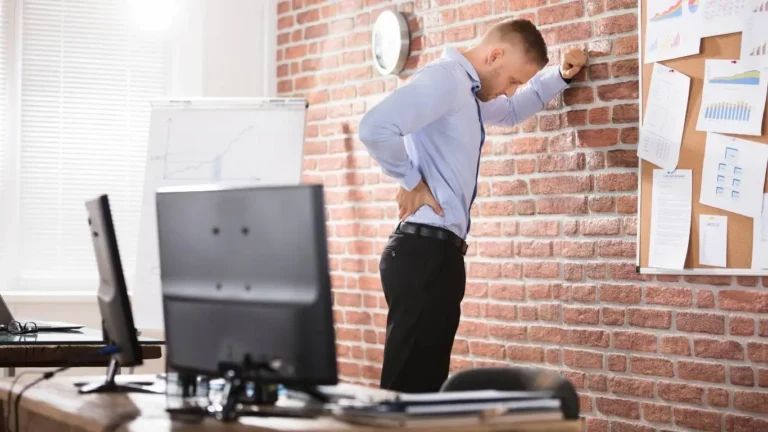
Functional Movement Screen Can Transform Your Back Rehab Success
It’s funny how we think we’re moving just fine—until our back screams otherwise. I learned this the hard way after a minor fall turned into months of nagging lower back pain. What surprised me was not the pain itself, but how off my body mechanics had been all along. That’s when I stumbled upon the concept of a Functional Movement Screen (FMS), a game-changer for anyone serious about back rehab. This isn’t some trendy gym gimmick; it’s a structured way to assess how your body moves and spot issues before they escalate. Let’s dive into why FMS might just be the missing link in your back pain recovery journey.
What is Functional Movement Screen (FMS) and Why Does It Matter?

Functional Movement Screen (FMS) is a series of simple but revealing movement patterns that help professionals evaluate mobility, stability, and asymmetries. Think of it as a diagnostic tool, but instead of fancy machines, it’s you performing basic actions—like squats, lunges, and shoulder reaches—while an expert watches for compensation patterns or dysfunctional movements.
The beauty of FMS lies in its simplicity. You don’t need an MRI to spot that your hip mobility is off or your core engagement is lacking. A certified specialist can pinpoint these flaws within minutes, providing you with a tailored corrective strategy. For back rehab, this is invaluable. According to NSCA, early detection of faulty movement can prevent chronic injury cycles.
Common Movement Dysfunctions Linked to Back Pain

1. Poor Hip Mobility
I never realized how stiff hips could wreak havoc on my lower back. Limited hip mobility forces your lumbar spine to compensate, which can trigger persistent discomfort. An FMS identifies these deficits, allowing for focused hip-opening routines. You can read more about this connection in our deep dive on muscle imbalances causing back pain.
2. Core Instability
Most of us assume doing a few planks means we’ve got a “strong core.” Reality check—core stability is more about how well your deep muscles engage during movement, not just static holds. FMS exposes weaknesses in core control, which is often the root of recurring lumbar strain.
3. Asymmetrical Movement Patterns
One side of your body is often doing more work than the other, leading to imbalances that silently stress your spine. FMS highlights these asymmetries so you can correct them before they manifest as full-blown injuries. This is especially critical if your job involves repetitive movements or prolonged sitting—an issue we break down in how prolonged sitting wrecks your spine.
Key Components of an Effective FMS for Back Rehab

- Deep Squat Test: Evaluates hip, knee, and ankle mobility while assessing spinal stability.
- Hurdle Step: Assesses stride mechanics and pelvic stability, crucial for people with lower back pain after walking long distances.
- Inline Lunge: Exposes rotational stability and balance issues.
- Active Straight Leg Raise: Tests hamstring flexibility and pelvic control, both essential for lumbar support.
Interestingly, during my FMS, the active straight leg raise was a disaster—I couldn’t raise my leg without my pelvis tilting awkwardly. That subtle movement flaw was a massive clue to why my back was flaring up after simple tasks like bending to tie my shoes.
Functional Movement Screen vs Traditional Diagnosis

While imaging tests like MRIs or X-rays are valuable, they only capture static snapshots of your body. They don’t show how you move. FMS, on the other hand, reveals dynamic dysfunctions—how your body cheats through motions, compensates for weakness, and stresses certain joints. This functional insight allows for more effective, targeted rehabilitation strategies.
For instance, if you’ve been struggling with recurring lower back tightness post-exercise, it’s likely more about poor movement mechanics than a structural spine issue. We discuss this pattern further in recurring back pain after physical activity.
Corrective Strategies Post-FMS Assessment

Once your FMS results are in, a corrective plan focuses on retraining faulty patterns rather than just masking symptoms. This might involve:
- Mobility drills to unlock tight hips and hamstrings.
- Core stability routines designed to reactivate deep abdominal muscles.
- Neuromuscular re-education to rewire how your brain communicates with movement patterns.
Pairing these corrections with ergonomic adjustments, as outlined in our occupation & travel back pain guide, ensures that you’re not undoing your rehab progress during daily activities.
Who Should Consider Functional Movement Screening?

FMS isn’t just for athletes or fitness enthusiasts. If you’re an office worker battling postural strain, a runner dealing with nagging back twinges, or simply someone looking to future-proof your spine health, FMS is for you. It’s a proactive approach, aligning with modern back pain prevention strategies outlined in our main guide on back pain and our comprehensive exercise & rehabilitation pillar.
How Functional Movement Screen Transforms Back Rehab Results

When I first did my FMS, I didn’t expect much. But within a few weeks of working on my flagged weaknesses, the difference was mind-blowing. Movements that once felt stiff and awkward—like bending down to pick up my grocery bags—became smoother and pain-free. That’s the magic of addressing root causes instead of chasing symptoms with endless painkillers.
The secret sauce lies in retraining the body’s movement patterns. It’s not just about isolated exercises; it’s about teaching your body to move better as a whole. Over time, this reduces compensatory stress on the spine, helping prevent flare-ups. In fact, this integrative approach is a core principle in advanced rehabilitation and ergonomics strategies.
Real-Life Success Stories: Functional Movement Screen in Action

- Emily, a 42-year-old teacher: She struggled with mid-back tightness after long hours of standing. An FMS revealed hip stability issues. After 6 weeks of targeted corrective work, she noticed a significant reduction in postural strain, something she hadn’t achieved with years of massage therapy.
- Jake, a recreational runner: Chronic lower back twinges plagued him after every long run. His FMS exposed asymmetrical leg drive during stride patterns. Tweaking his mobility drills based on the screening has kept him pain-free for over a year.
- Mark, a software developer: Sitting for hours led to recurring sciatic discomfort. FMS flagged limited thoracic mobility. A combination of mobility and spinal extension exercises turned things around, complementing his ergonomic workspace tweaks covered in this standing desk guide.
Common Myths About Functional Movement Screen Debunked

Myth 1: “FMS is Only for Athletes”
Absolutely not. While athletes popularized it, FMS is incredibly effective for everyday folks like you and me dealing with movement dysfunctions that sabotage spine health. Whether it’s office posture, weekend gardening, or simply carrying your kids, the movement screen spots problem areas that traditional assessments overlook.
Myth 2: “It’s Too Basic to Be Effective”
Don’t let the simplicity fool you. The goal is to observe how you move under controlled conditions. These ‘simple’ patterns often reveal more than complex diagnostic tests. The key is having a certified expert interpret your movement nuances correctly.
Myth 3: “FMS Fixes Pain Instantly”
FMS is an assessment, not a treatment. It provides a roadmap for correction, but the real transformation happens through consistency and applying the right corrective strategies. It’s the foundation for a sustainable recovery, not a quick fix. This approach aligns with long-term strategies discussed in back pain prevention tips.
Integrating FMS with Other Back Pain Treatments

One of the best things about Functional Movement Screening is how seamlessly it integrates with other treatment modalities. For example:
- Chiropractic Adjustments: Alignments become more effective when movement patterns are corrected simultaneously. Read more on chiropractic care for back pain.
- Physical Therapy: Therapists use FMS data to fine-tune rehab protocols, ensuring exercises match your movement deficiencies.
- Ergonomic Upgrades: Once FMS reveals weak points, adjustments to your workstations, car seat, and daily habits have a greater impact.
It’s a collaborative strategy. For long-term spine health, correcting movement flaws amplifies the benefits of every other intervention you pursue.
Can You Self-Assess Functional Movement?

Technically, some FMS tests can be self-administered using mirrors, tripods, or even a friend. However, the subtleties of compensation patterns often require a trained eye. That said, becoming more mindful of your movements is a huge first step. Small tweaks in how you bend, twist, or sit can go a long way.
To complement FMS, using modern tools like AI posture monitors can provide real-time feedback, helping you maintain spinal alignment during daily activities.
Final Thoughts: The Movement Audit Your Back Deserves

If you’ve been chasing treatments that only scratch the surface of your back pain, Functional Movement Screening offers a refreshing, root-cause-focused alternative. It’s a movement audit for your body—highlighting inefficiencies and setting a clear corrective path. I can vouch for it, not as a clinician, but as someone who’s experienced its transformative power firsthand.
Want to dive deeper into holistic back rehab strategies? Check out our comprehensive guide on back pain and explore movement-based recovery strategies in Exercise, Rehabilitation & Ergonomics.

Camellia Wulansari is a dedicated Medical Assistant at a local clinic and a passionate health writer at Healthusias.com. With years of hands-on experience in patient care and a deep interest in preventive medicine, she bridges the gap between clinical knowledge and accessible health information. Camellia specializes in writing about digestive health, chronic conditions like GERD and hypertension, respiratory issues, and autoimmune diseases, aiming to empower readers with practical, easy-to-understand insights. When she’s not assisting patients or writing, you’ll find her enjoying quiet mornings with coffee and a medical journal in hand—or jamming to her favorite metal band, Lamb of God.