
Best Gardening Without Back Strain Techniques That Actually Help
Gardening is one of those soul-soothing activities I genuinely look forward to every weekend. There’s something deeply satisfying about getting my hands dirty, nurturing plants, and seeing the results of care over time. But let’s be honest—after an hour or two bent over the soil, my back starts sending those familiar warning signals. Sound familiar? You’re not alone. Back strain is one of the most common issues home gardeners face. But the good news? There are practical, simple ways to prevent it while still enjoying every bit of time spent outdoors.
Understanding Why Gardening Triggers Back Pain

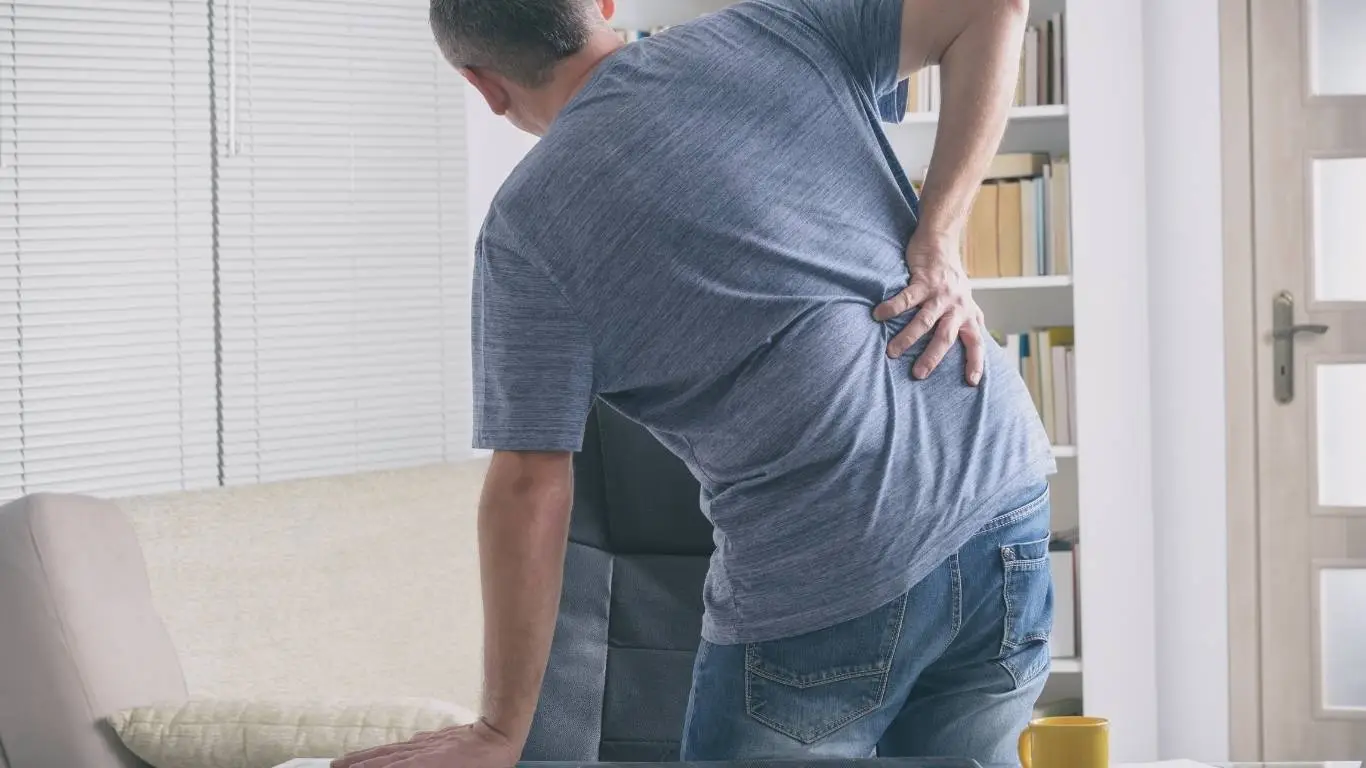
It’s not the gardening itself that’s the problem—it’s how we do it. Hours of kneeling, hunching, reaching, and twisting can quietly overwork our spinal muscles. Add in some poor posture, a lack of core strength, and repetitive motion, and it’s no wonder the soreness shows up later.
The Common Culprits
- Kneeling too long without support
- Using the wrong tools—think short-handled ones that force you to bend
- Poor posture while lifting heavy pots, soil bags, or watering cans
- Lack of stretching before or after gardening
Even experienced gardeners aren’t immune. I’ve been gardening for over a decade, and I still occasionally catch myself bending the wrong way to pull a weed. Over time, these habits compound, and chronic back discomfort can creep in quietly.
Smart Gardening Techniques That Actually Work

1. Use Raised Beds and Vertical Planters
One of the best investments I made for my garden was a set of raised beds. Not only do they look tidy, but they significantly reduce the amount of bending I have to do. Vertical planters are another back-saver—especially for herbs, strawberries, or smaller flowers.
These solutions are especially helpful for people with existing lower back issues. For those dealing with conditions like chronic posture-related back pain, elevating the workspace makes a big difference.
2. Choose Tools That Work With You, Not Against You
Ergonomic tools exist for a reason—use them! Long-handled hoes, lightweight rakes, and even rolling seats can help minimize awkward movements. I personally swear by a kneeling bench that flips into a seat. It lets me work at ground level comfortably without kneeling in the dirt for hours.
- Look for padded handles for extra grip and comfort
- Tools with telescopic handles allow you to adjust to your height
- A rolling cart saves you from hauling heavy soil or mulch by hand
3. Master the Art of Lifting (Yes, There’s a Right Way)
Back strain often comes from lifting heavy garden supplies the wrong way. A simple shift in technique can make all the difference. Always lift with your knees, not your back. Keep the object close to your body, and never twist while lifting.
It sounds like common sense, but even seasoned gardeners forget. I once pulled a muscle moving a ceramic planter because I was in a rush and didn’t bend my knees—lesson learned.
If you struggle with pain post-lifting, this resource on recovering from muscle strain back pain offers great relief strategies.
Make Movement Your Gardening Ally
4. Warm Up Before You Dig In
Gardening is physical work—treat it like any workout. I usually spend five minutes doing basic stretches: a few gentle forward bends, side stretches, and hamstring stretches. It prepares my back and hips for the movements ahead and drastically reduces soreness later.
Studies from ncbi.nlm.nih.gov and mayoclinic.org show that pre-activity stretching improves spinal flexibility and reduces injury risks. Just a few mindful stretches can help your back stay happy.
5. Break It Up: The 20-20 Rule
Here’s something I picked up from a physical therapist friend—set a timer for every 20 minutes. When it rings, stand up, stretch, and walk around for 20 seconds. I know it sounds overly cautious, but once I tried it, I noticed I could garden longer with less stiffness the next day.
6. Don’t Be a Hero—Rest Matters
There’s a certain pride in doing all your planting in one afternoon, but your back doesn’t care about your weekend warrior badge. Resting, alternating tasks, and listening to your body is smarter gardening. I alternate between standing and kneeling tasks to avoid overworking one muscle group.
Eat, Sleep, and Supplement Like a Back-Conscious Gardener

Believe it or not, your back care starts far away from the flower bed. What you eat, how you sleep, and the supplements you take play a big role in keeping your spine healthy and resilient.
- Anti-inflammatory diets rich in omega-3, turmeric, and leafy greens help reduce muscle soreness. Learn more in this anti-inflammatory diet guide for back pain.
- Vitamin D helps strengthen bones—something many gardeners overlook. Low D levels are linked to increased back pain risks.
- Proper sleep posture and mattress support matter. If you’re gardening all day but sleeping on a bad mattress, you’re undoing the good work. See this breakdown of the best sleeping positions for back pain.
One of the key foundational reads if you want to dive deeper is our lifestyle and natural remedies for back pain guide. It goes beyond just gardening but reinforces many of the same principles for long-term relief and prevention.
And if you’re just getting started with understanding the root of your back problems, the main back pain pillar article is a solid launchpad.
Protecting Your Back During Weeding, Digging, and Harvesting

7. Don’t Go Bare-Knee on the Ground
Let me tell you, using a good quality kneeling pad changed my weeding game. Before that, I’d tough it out kneeling on bare soil—and regret it every single time. Now I keep a thick, memory-foam pad in my shed just for this. It cushions my knees and takes pressure off my lower back.
Alternatively, a simple garden stool with wheels allows you to move easily along rows of plants while sitting comfortably upright. It’s especially handy for anyone managing conditions like arthritis-related back pain.
8. Get Ground-Level Tasks Off the Ground
Harvesting strawberries, pruning herbs, or deadheading flowers—these repetitive, low-level tasks are back strain traps. I now use elevated containers for things I harvest often. Even a few bricks under your planters can make a difference.
If you’re curious about creative ergonomic setups, this guide on ergonomics and back pain relief (though office-focused) offers brilliant posture tips that apply to the garden too.
Gardening Clothing That Saves Your Spine

9. Footwear Makes a Bigger Difference Than You Think
I used to wear old sneakers in the garden—until I noticed how sore my lower back would feel afterward. Turns out, worn-out soles and poor arch support were affecting my posture and spinal alignment. Now, I wear supportive hiking shoes or garden clogs with proper heel support.
- Look for arch support and shock-absorbing soles
- Consider flat feet and their impact on back pain before picking shoes
- Use inserts or orthotics if needed—your spine will thank you
10. Back Braces: Use Them Wisely
I’ve worn a lightweight lumbar support brace during long planting days, and it truly helps keep my posture in check. However, don’t rely on it daily—it’s best used as occasional support, not a crutch. Overuse can actually weaken your core muscles.
Still, if you’re planning to spend hours digging or hauling compost, a brace can offer a great assist. This article on when to use back braces gives practical, real-world advice.
Turn Recovery Into a Routine

11. Post-Garden Recovery Tips I Swear By
After a long day in the garden, my first move is a glass of water and 10 minutes of stretching. Hydration helps with muscle recovery, and stretching prevents that tight, locked-up feeling later.
- Apply cold packs to sore areas for 10-15 minutes
- Try gentle yoga poses like Child’s Pose or Cat-Cow
- Use a massage roller on your lower back and hips
Want more structured relief? This roundup of massage techniques for back pain is full of tricks I’ve adopted into my weekend wind-down routine.
12. TENS Units and Heat Therapy: My Secret Weapons
I wasn’t sure about TENS units until I tried one. Now, it’s part of my back-care toolkit. That gentle electrical pulse does wonders for tight lower muscles. Follow it up with 20 minutes of moist heat, and my back feels brand new. Here’s a quick primer if you’re curious: TENS units explained.
Pairing heat and massage also works well when soreness creeps in overnight. If your back pain flares up later in the evening, this guide on nighttime back pain is a must-read.
Know When It’s Time to Rest or Get Help

Despite all the precautions, sometimes your body tells you it needs more than rest. If pain lingers for more than a few days or worsens over time, it’s worth getting a professional evaluation. Persistent discomfort may indicate something deeper, like lumbar radiculopathy or other structural issues.
I delayed a doctor’s visit once, thinking I could “stretch it out.” Instead, I ended up dealing with a month of avoidable discomfort. Don’t wait that long. Use common sense and listen to your back. It usually knows what it needs.
If you want to explore broader, non-invasive approaches to healing, this in-depth guide on conservative back pain treatments is packed with insights.
And for a holistic overview of everything from causes to treatments and lifestyle changes, check out the main resource: Back Pain Central.

Camellia Wulansari is a dedicated Medical Assistant at a local clinic and a passionate health writer at Healthusias.com. With years of hands-on experience in patient care and a deep interest in preventive medicine, she bridges the gap between clinical knowledge and accessible health information. Camellia specializes in writing about digestive health, chronic conditions like GERD and hypertension, respiratory issues, and autoimmune diseases, aiming to empower readers with practical, easy-to-understand insights. When she’s not assisting patients or writing, you’ll find her enjoying quiet mornings with coffee and a medical journal in hand—or jamming to her favorite metal band, Lamb of God.