How Gluten Sensitivity Can Worsen Your Lower Back Inflammation
It all started with a nagging ache in my lower back that wouldn’t quit. At first, I blamed my office chair, my posture, even my mattress. But after countless ergonomic upgrades and yet another trip to my chiropractor, the discomfort kept coming back. It wasn’t until I stumbled upon a conversation about gluten sensitivity and its link to inflammation that the light bulb went off. Could my love for sourdough be wrecking my spine health? Turns out, there’s more to gluten’s story than just digestive woes.
How Gluten Sensitivity Can Trigger Lower Back Inflammation

Most people associate gluten sensitivity with bloating or an upset stomach, but its impact can ripple far beyond the gut. Gluten sensitivity, especially non-celiac gluten sensitivity (NCGS), often goes undiagnosed because its symptoms are so sneaky and varied. One of the lesser-known effects? Chronic inflammation that loves to settle in your lower back.
Here’s how it works: when your body perceives gluten as a threat, it launches an immune response. This reaction doesn’t just stay in the digestive system—it can trigger systemic inflammation, which often manifests in joint and muscle tissues, including the lumbar spine.
- Low-grade inflammation builds up slowly, making it harder to pinpoint gluten as the culprit.
- Immune system confusion can lead to the body attacking its own tissues—a phenomenon known as molecular mimicry.
- Leaky gut syndrome often accompanies gluten sensitivity, allowing toxins and proteins to leak into the bloodstream and fire up inflammatory responses elsewhere.
If you’ve been battling persistent lower back pain and traditional treatments aren’t helping, gluten might be quietly fueling the fire. Check out how gut inflammation affects back health for a deeper dive into this connection.
Common Signs Your Lower Back Pain is Gluten-Triggered
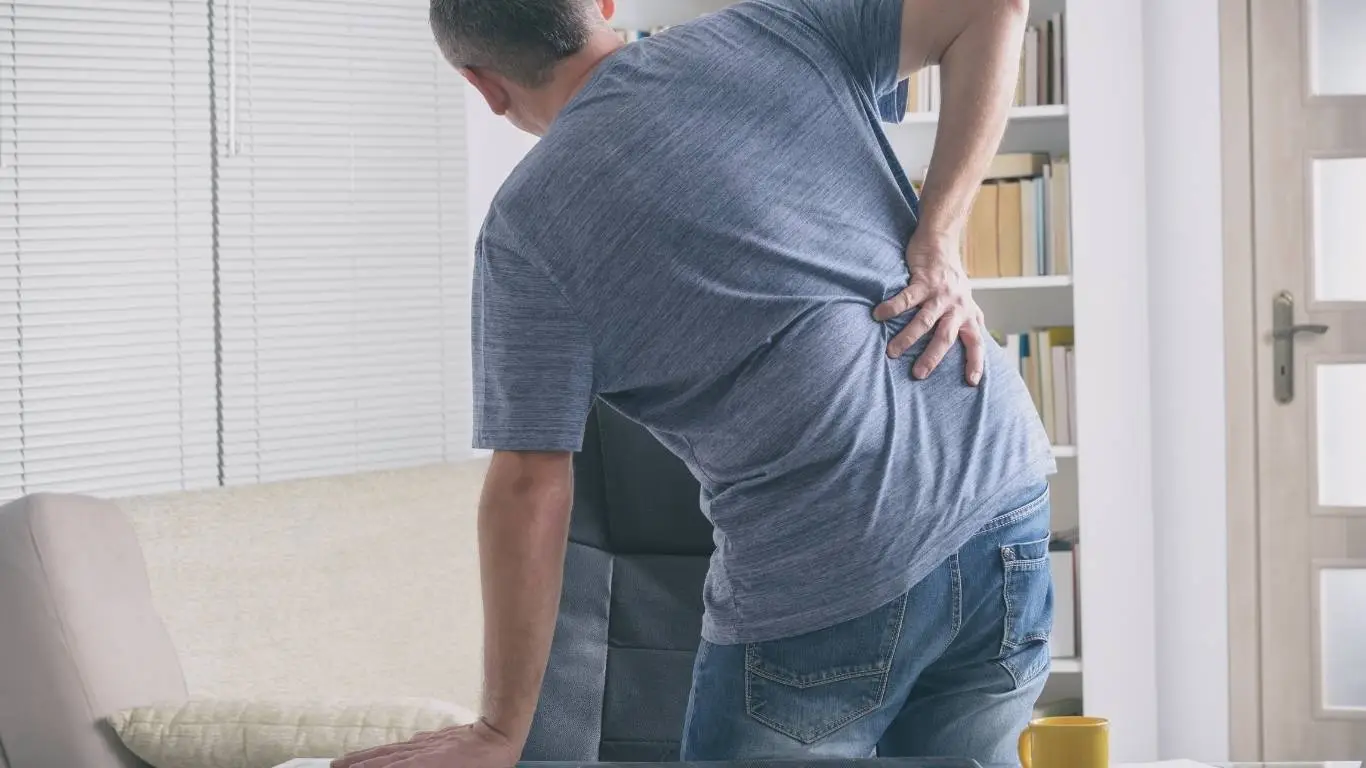
Not every backache stems from gluten, but if you’re experiencing these patterns, it’s worth paying attention:
- Your pain flares up after meals rich in bread, pasta, or baked goods.
- The discomfort feels deep, aching, and persistent, often worse in the morning.
- Accompanying digestive symptoms like bloating, gas, or irregular bowel movements.
- Generalized body aches that migrate, not just isolated to the lower back.
I remember vividly how my morning stiffness was unbearable after weekend pizza nights. Interestingly, my back would feel marginally better on days when I unknowingly skipped gluten. It wasn’t a coincidence. According to experts at ncbi.nlm.nih.gov, systemic inflammation linked to gluten sensitivity is a well-documented phenomenon, even in individuals who don’t have celiac disease.
The Science Behind Gluten-Induced Inflammation

Gluten contains proteins—gliadin and glutenin—that can trigger an immune response in sensitive individuals. For some, this response is localized in the gut. For others, it becomes systemic, affecting joints, muscles, and nerves. The inflammatory cytokines released during this immune attack can increase tissue swelling, restrict mobility, and exacerbate lower back pain.
Research also points to the role of the gut-brain axis, where gut inflammation can influence nerve pathways and pain perception. This is especially relevant if your lower back pain feels “nervy” or radiates down the legs, mimicking sciatica. You might want to explore the differences between sciatica and back pain for clarity.
Gluten-Free Diet: Can It Really Help Your Lower Back?

Switching to a gluten-free diet isn’t an overnight miracle, but for many, it’s a pivotal step toward reducing inflammation. When I finally committed to a gluten-free trial, it wasn’t just my digestive system that felt relief. Within two weeks, I noticed my back didn’t scream at me every time I got out of bed.
It’s essential to approach this with a strategy:
- Start with a strict 30-day elimination to allow your body to reset.
- Track symptom changes daily in a pain tracking journal.
- Reintroduce gluten cautiously after 30 days to observe any flare-ups.
It’s equally important to replace gluten with nutritious alternatives rather than processed “gluten-free” junk food. Incorporating an anti-inflammatory diet can further enhance results.
When Should You Get Tested for Gluten Sensitivity?

Testing for gluten sensitivity isn’t as straightforward as celiac testing. While blood tests and intestinal biopsies can confirm celiac disease, non-celiac gluten sensitivity (NCGS) is often a diagnosis of exclusion. Functional medicine practitioners might recommend tests for leaky gut markers, inflammatory cytokines, and even genetic predisposition.
But let’s be real—no test beats self-awareness. An elimination diet remains the gold standard for identifying gluten’s role in your inflammation story. For those who suspect deeper structural issues, a comprehensive MRI evaluation could reveal if the inflammation is contributing to disc issues or nerve impingement.
For a broader understanding of how diet and lifestyle can manage chronic back discomfort, the pillar guide on Lifestyle, Diet & Natural Remedies is a must-read. And if you’re just getting started on your back health journey, the main back pain hub is your go-to resource.
Hidden Back Pain Triggers Beyond Gluten You Shouldn’t Ignore

While gluten sensitivity often takes center stage, it’s rarely the sole villain in chronic lower back inflammation. Many people, including myself, learned the hard way that other subtle factors can amplify or even mimic gluten-induced discomfort. Let’s talk about these hidden triggers that might be sabotaging your progress:
- Refined sugars and processed foods: These amplify systemic inflammation, much like gluten.
- Vitamin D deficiency: Critical for musculoskeletal health, low levels can exacerbate back discomfort. Dive deeper into Vitamin D’s role in back pain.
- Poor gut health: An imbalanced gut microbiome can make you more reactive to dietary irritants, including gluten.
- Chronic stress: Emotional stress can manifest physically, worsening muscle tension and pain perception. Learn practical stress-relief strategies here.
For me, it wasn’t until I combined a gluten-free diet with stress management and gut healing protocols that I experienced real, lasting relief. It’s not just about cutting gluten—it’s about building an anti-inflammatory lifestyle foundation.
Essential Lifestyle Shifts to Support a Gluten-Free, Inflammation-Free Back

If you’re serious about reducing lower back inflammation, your daily habits need an upgrade. Going gluten-free is a powerful move, but it thrives alongside supportive lifestyle tweaks. Here’s what made the biggest difference in my recovery journey:
- Prioritizing spine-friendly stretches first thing in the morning. These wake up tight muscles and combat stiffness from overnight inflammation. Try incorporating movements from this stretching guide.
- Ergonomic workspace adjustments to minimize poor posture, which worsens inflammatory back pain. Standing desks made a huge difference for me. Here’s a guide on standing desk benefits.
- Incorporating anti-inflammatory foods like turmeric, omega-3 rich fish, and leafy greens into every meal. Avoid processed “gluten-free” substitutes loaded with sugar and additives.
- Daily micro-movements to prevent prolonged static postures. Small posture resets every 30 minutes are a game-changer. Discover why micro-breaks matter.
These strategies aren’t complicated, but they require consistency. In my case, pairing these habits with mindful breathing and reducing screen time before bed made noticeable improvements in pain levels.
When Gluten Sensitivity Leads to Structural Back Problems

Chronic systemic inflammation from gluten sensitivity doesn’t just cause pain—it can accelerate degenerative changes in spinal structures. Over time, the constant inflammatory load can weaken disc integrity, exacerbate bulging discs, and even contribute to conditions like spondylitis or facet joint syndrome.
If you’re dealing with persistent mechanical issues, it’s worth evaluating whether your inflammatory triggers—gluten included—are compounding these problems. Read more about how herniated discs and inflammation intertwine.
In my case, the back pain wasn’t “all in my head”—there were visible changes in my lumbar MRI, but addressing the underlying inflammation was key to preventing further damage.
Is a Gluten-Free Lifestyle Sustainable for Long-Term Back Health?

The good news? A gluten-free lifestyle doesn’t have to be restrictive or joyless. Initially, it feels overwhelming, especially if you’re a pasta or bread enthusiast like me. But with a little creativity, it becomes second nature. Plus, the energy boost and reduced back pain are well worth the shift.
Here are my go-to tips to keep it sustainable:
- Focus on naturally gluten-free whole foods—fruits, vegetables, lean proteins, and healthy fats.
- Prepare simple, anti-inflammatory recipes at home rather than relying on packaged GF snacks.
- Stay informed on hidden gluten sources in condiments, sauces, and supplements.
- Make eating out easier by choosing cuisines that naturally offer gluten-free options, like Mediterranean or Thai.
If you’re navigating chronic lower back discomfort and suspect gluten may be part of the problem, the pillar article on back pain causes will provide a broader understanding of all potential triggers. It’s a valuable starting point to personalize your recovery roadmap.
For a comprehensive overview of managing back pain holistically, don’t miss the Back Pain Main Hub—your go-to resource for evidence-based strategies, expert insights, and practical tips.

Camellia Wulansari is a dedicated Medical Assistant at a local clinic and a passionate health writer at Healthusias.com. With years of hands-on experience in patient care and a deep interest in preventive medicine, she bridges the gap between clinical knowledge and accessible health information. Camellia specializes in writing about digestive health, chronic conditions like GERD and hypertension, respiratory issues, and autoimmune diseases, aiming to empower readers with practical, easy-to-understand insights. When she’s not assisting patients or writing, you’ll find her enjoying quiet mornings with coffee and a medical journal in hand—or jamming to her favorite metal band, Lamb of God.