
Relieve Back Tension Fast by Hanging From a Bar to Decompress Spine
Sometimes, after a long day hunched over my laptop or sitting through meetings that seem never-ending, I catch myself thinking—*my spine feels like it’s been compressed into an accordion*. The simple act of standing up straight feels… not so simple. That’s when I discovered something that has since become a game-changer in my daily routine: **hanging from a bar to decompress my spine**.
It sounds ridiculously simple, right? But trust me, this humble movement has saved my back more times than I can count. Today, I’ll walk you through why this underrated technique deserves a spot in your daily self-care ritual.
Why Does Your Spine Feel So Compressed?

Before we dive into the how-to’s, let’s quickly address the why. The spine is designed to be dynamic—moving, stretching, and adjusting as we go about our day. But in reality, most of us are stuck in static positions for hours. Whether it’s slouching at the desk, scrolling on our phones (hello, tech neck), or sitting in traffic, these habits add up, leading to spinal compression.
According to spine health experts, when the discs between your vertebrae are constantly compressed, it restricts nutrient flow, limits mobility, and amplifies pain. Over time, this could even lead to conditions like herniated discs or degenerative disc disease.
I’ve personally battled the nagging ache that creeps up after hours of screen time, and honestly, no fancy ergonomic chair alone could save me. That’s where hanging comes in.
The Science Behind Hanging for Spinal Decompression

When you hang from a bar, gravity becomes your best friend. It gently pulls your spine, creating space between each vertebra. This simple action helps:
- Relieve pressure on spinal discs
- Improve blood circulation in the back muscles
- Encourage better posture alignment
A clinical insight shared by peer-reviewed studies supports how passive hanging can alleviate lumbar compression and even reduce sciatica-like symptoms. This isn’t just anecdotal—it’s biomechanics at its finest.
Key Benefits You’ll Feel (and See!)

Based on my own experience, here are some noticeable perks you can expect:
- Instant Relief: You’ll literally feel your back “unclench.”
- Improved Flexibility: The more you hang, the less stiff your back feels.
- Posture Awareness: Hanging trains you to recognize and correct your slouching habits.
If you’ve been dealing with recurring lumbar discomfort, you might also find this helpful guide on muscle strain back pain recovery tips invaluable. It connects perfectly with what you’re about to learn here.
How to Hang Safely (Even If You’re a Beginner)
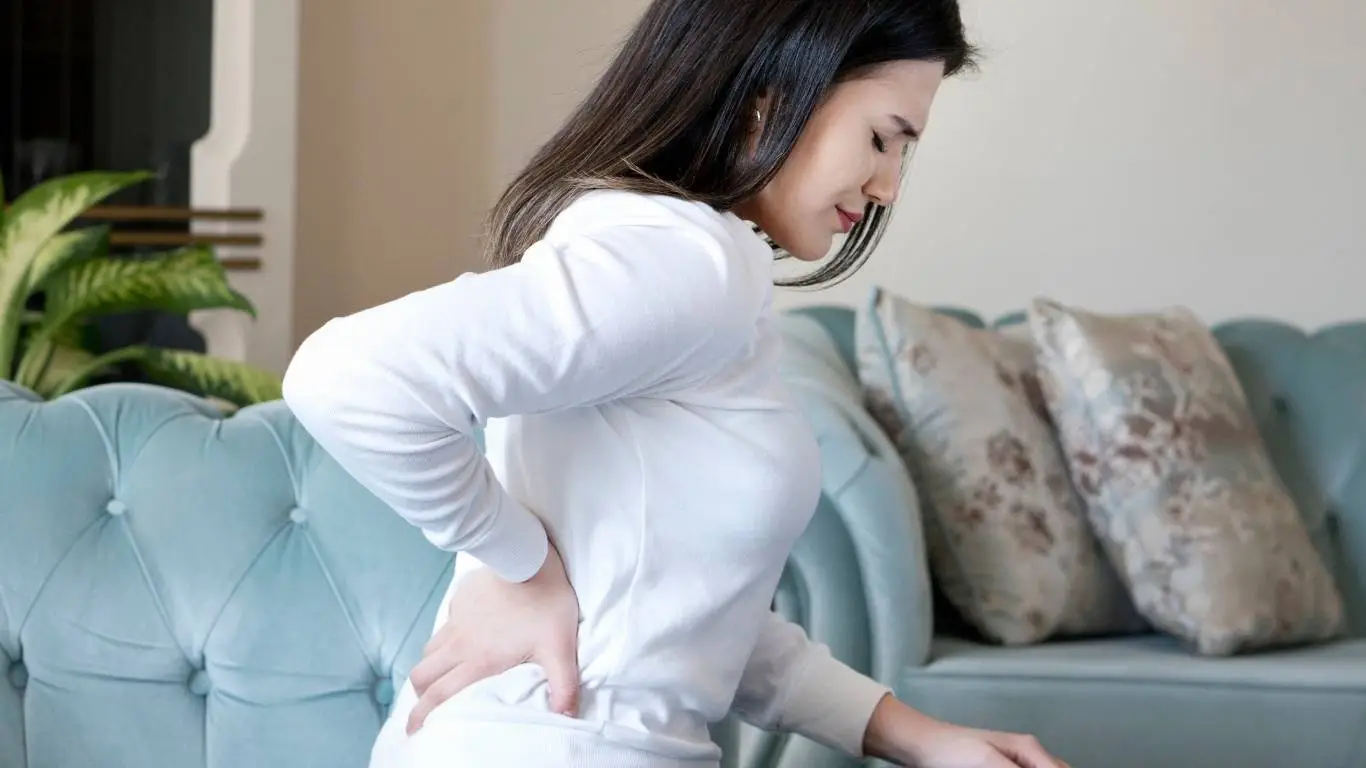
Nope, you don’t need to be an athlete or hit the gym. A sturdy pull-up bar installed at home does the trick. If you’re new, follow these simple steps:
- Grip Strength: Use an overhand grip. If your hands tire quickly, start with assisted grips or straps.
- Keep It Short: Aim for 10-20 seconds at first. Gradually increase as your endurance builds.
- Engage Core Gently: This helps support your lower back while hanging.
- Feet Support (Optional): Beginners can keep toes slightly touching the ground to ease into full bodyweight hangs.
There’s a brilliant breakdown of posture correction techniques in our Exercise & Ergonomics Back Pain Pillar, which complements these hanging routines perfectly.
Common Mistakes to Avoid

Let me be honest—I messed this up in the beginning. Here are the pitfalls I learned to dodge:
- Don’t swing or kip. This isn’t CrossFit; you’re aiming for a controlled hang.
- Avoid locking your elbows. Keep a slight bend to minimize joint strain.
- Listen to your shoulders. If you feel a pinch, stop immediately.
If you experience back discomfort that doesn’t improve with stretching, it might be more than just stiffness. For instance, check out this resource on herniated disc pain progression to understand when it’s time to consult a professional.
Real-Life Scenarios Where Hanging Helps

Let me paint a picture:
- Post-Work Slouch: After 8 hours of typing, a quick 30-second hang resets my posture.
- Morning Stretch: Hanging first thing in the morning wakes up my spine better than coffee.
- Pre-Workout Warm-Up: It’s my go-to move before lifting weights to prime the back muscles.
For those sitting for prolonged periods, like during work-from-home setups, you’ll find the advice on prolonged sitting and spinal health quite eye-opening.
And, of course, for a comprehensive understanding of how different spinal structures relate to back pain triggers, dive into the main Types & Anatomy of Back Pain Pillar on Healthusias. It’s a foundational read that complements everything we’re discussing here.
Lastly, you should never overlook the basics. I constantly refer to the Main Back Pain Resource Hub to stay updated on holistic approaches that genuinely work.
Advanced Hanging Variations to Take Spinal Decompression to the Next Level

Once you’re comfortable with basic hanging, it’s time to spice things up. These variations amplify the decompression effect and target deeper muscular imbalances:
- Active Hanging: Slightly engage your shoulder blades to add stability and control.
- Leg Raises: Slowly lift your knees towards your chest while hanging to engage your core and lower back stabilizers.
- Side-to-Side Sway: Controlled sways activate obliques and promote dynamic decompression through different angles.
I’ve personally found side-to-side swaying super helpful after long car rides when my lower back feels locked up. It’s subtle but incredibly effective.
To understand how muscle strain can contribute to persistent back tightness, check out this piece on muscle imbalances and back pain. Addressing these underlying issues makes hanging routines even more impactful.
How Often Should You Hang to See Results?

Consistency is king here. From my experience (and many fitness professionals agree), incorporating hanging into your daily routine yields the best results.
- Start with 2-3 sessions per day — even just 30 seconds each.
- Gradually build up to 1-2 minutes per session.
- On particularly compressed days (think long flights or heavy lifting), doubling your hang time can work wonders.
Remember, it’s not about doing it once in a while. The cumulative effect of daily spinal decompression makes a significant difference over weeks.
If you’re juggling back discomfort alongside tight hamstrings or glutes, you’ll find these hamstring-back pain connection tips incredibly useful. Flexibility and decompression go hand in hand.
When Hanging Might Not Be Enough (Know the Red Flags)

While hanging is a fantastic self-care tool, it’s not a miracle cure for every back issue. Be mindful of these signs:
- Sharp, shooting pains down your legs (possible nerve involvement)
- Persistent numbness or tingling sensations
- Loss of strength in the lower extremities
If any of these occur, don’t play the waiting game. It’s crucial to consult a spine specialist. You might find this guide on back pain red flags extremely enlightening—it’ll teach you when self-care stops and professional care begins.
For chronic issues like spinal stenosis, hanging can still be beneficial but should be part of a broader management plan. Read more about spinal stenosis relief strategies to approach it holistically.
Complementary Practices That Supercharge Hanging Benefits

Here’s what I personally combine with hanging to maximize its effects:
- Foam Rolling: Especially on the lats and lower back to loosen tight fascia.
- Dynamic Stretching: Cat-cow stretches, hip openers, and thoracic mobility drills post-hang.
- Mindful Breathing: Deep belly breathing during hangs enhances relaxation and spinal decompression.
You’ll find practical routines in the Lifestyle & Natural Remedies Back Pain Pillar that sync perfectly with these techniques.
On days when my back feels especially tense, I add a quick yoga flow, particularly moves outlined in this yoga for back pain article. The synergy between hanging and mindful stretching is unmatched.
What Equipment Works Best for Home Hanging?

You don’t need to invest in expensive gym equipment. Here’s what works:
- Doorway Pull-Up Bars: Affordable, easy to install, and perfect for passive hangs.
- Wall-Mounted Bars: Offers more stability and allows for dynamic variations.
- Power Towers: A versatile option if you have space, useful for other bodyweight exercises too.
Personally, I started with a basic doorway bar, and it was more than enough for my decompression routines. If you want to ensure your hanging sessions are safe and effective, you might also want to check out this helpful breakdown on ergonomics and back pain management. Proper sitting habits complement your hanging sessions tremendously.
Spine Decompression: Small Daily Habits Make a Big Impact

Incorporating hanging into your daily movement practice isn’t just about fixing back pain—it’s about giving your spine the mobility it craves. It’s those small, consistent habits that stack up to long-term comfort.
If you’re curious about how hanging can tie into a broader back care regimen, explore the comprehensive Causes of Back Pain Pillar. It’s an eye-opener that’ll help you connect the dots between lifestyle, posture, and spinal health.
For anyone serious about long-term back health, always circle back to the foundational resource hub at Healthusias Back Pain Main Pillar. It’s where you’ll find in-depth, expert-backed strategies beyond quick fixes.

Camellia Wulansari is a dedicated Medical Assistant at a local clinic and a passionate health writer at Healthusias.com. With years of hands-on experience in patient care and a deep interest in preventive medicine, she bridges the gap between clinical knowledge and accessible health information. Camellia specializes in writing about digestive health, chronic conditions like GERD and hypertension, respiratory issues, and autoimmune diseases, aiming to empower readers with practical, easy-to-understand insights. When she’s not assisting patients or writing, you’ll find her enjoying quiet mornings with coffee and a medical journal in hand—or jamming to her favorite metal band, Lamb of God.