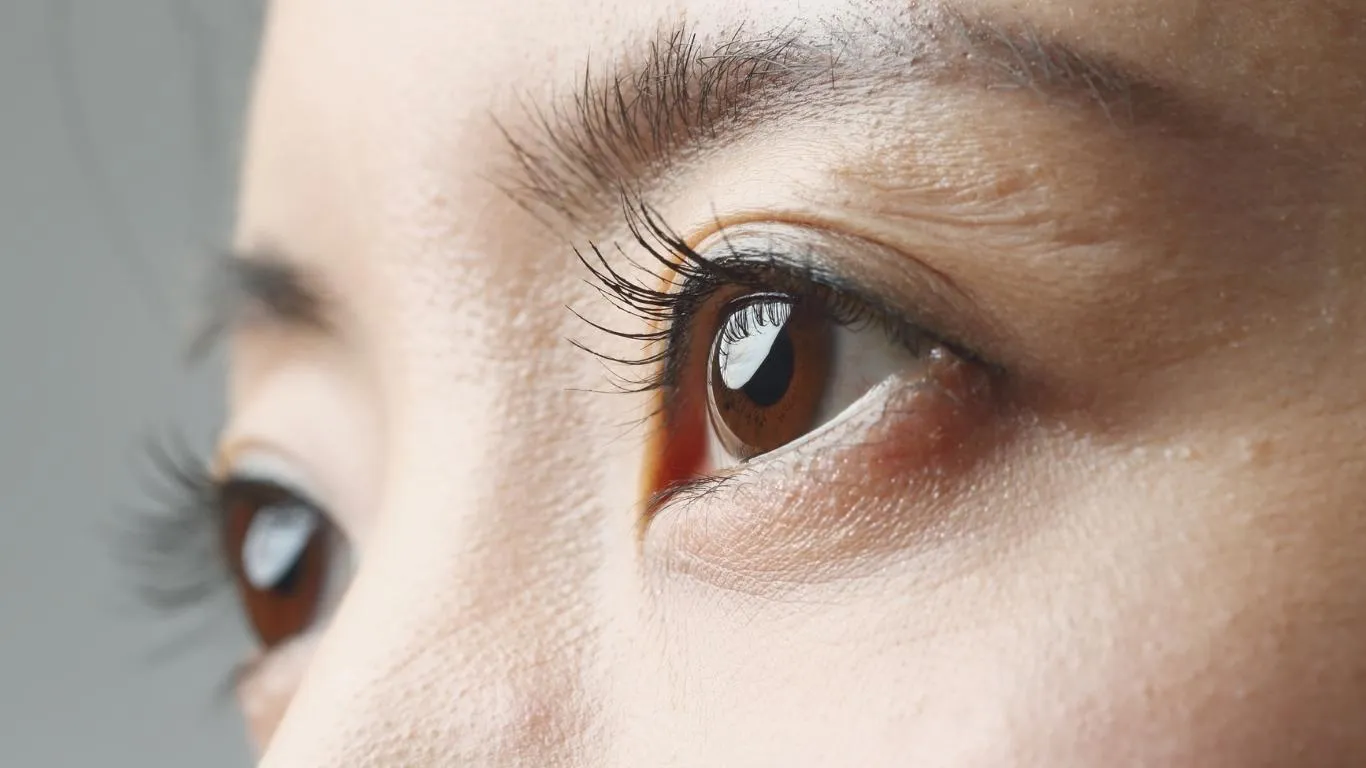
High Blood Pressure Floaters Could Be a Warning Sign for Your Eyes
Ever stared up at the sky and noticed little squiggles or specks drifting in your vision? I remember the first time I saw them—tiny thread-like shapes that moved when I moved my eyes. At first, I thought I was just tired. But after a few more episodes, I started digging into it. What caught me off guard? I have high blood pressure. Turns out, those harmless-looking floaters might not be so innocent after all.
What Are Eye Floaters and Why Do They Appear?
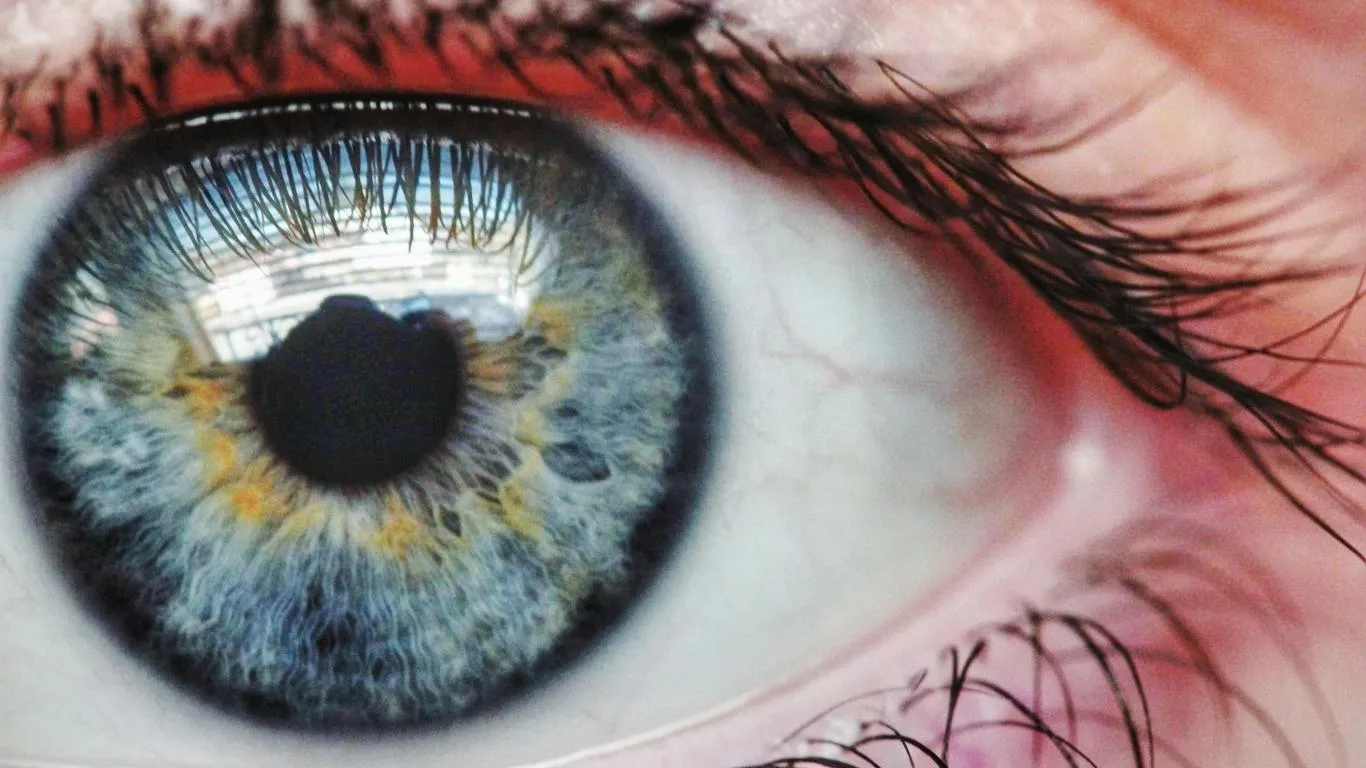
Eye floaters are those small visual artifacts—dots, threads, cobwebs—that drift around in your line of sight. They’re usually caused by changes in the vitreous humor, the gel-like substance in your eye that helps maintain its shape. As we age, this gel shrinks and becomes stringy, casting shadows on the retina.
Most of the time, they’re benign and simply a sign of aging. But sometimes, they hint at more serious issues—like high blood pressure.
Can High Blood Pressure Cause Floaters?
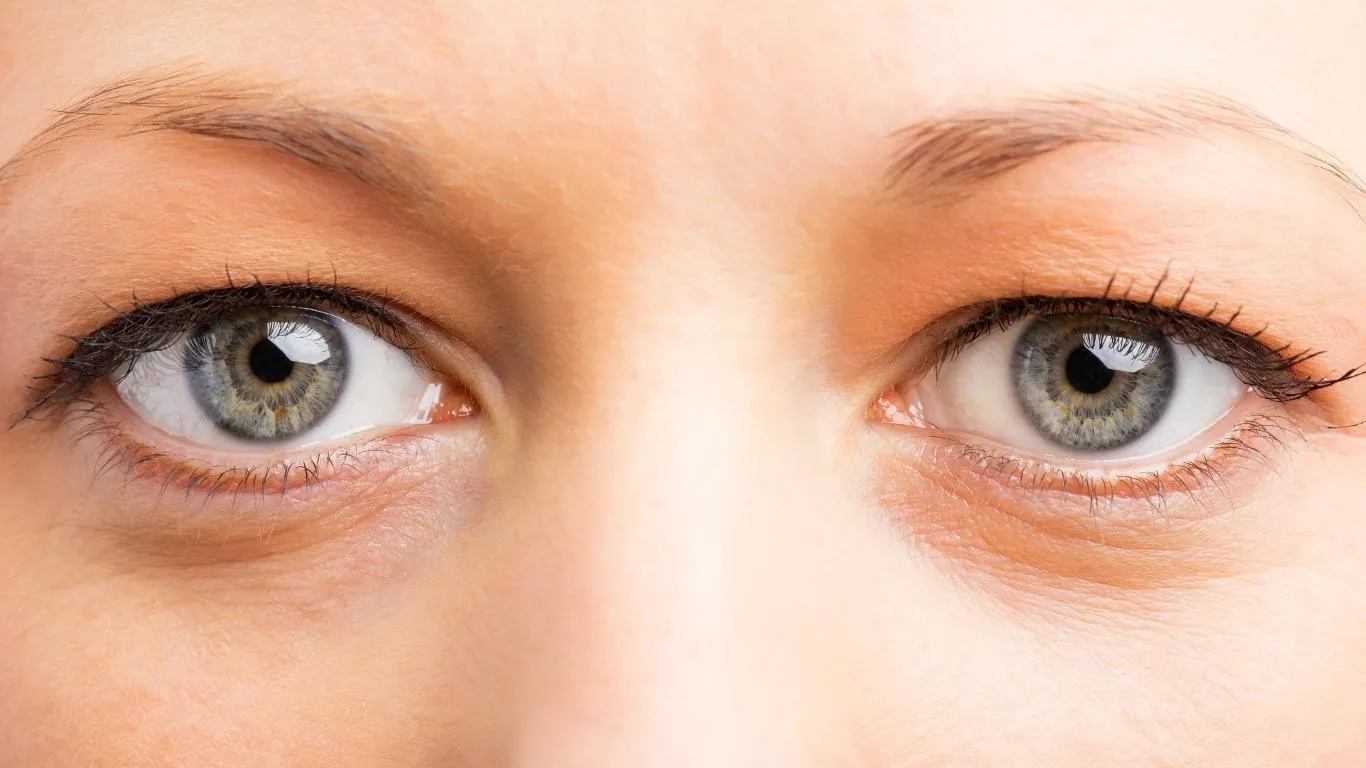
This is where things get interesting. High blood pressure, or hypertension, doesn’t just stress your heart and arteries. It also affects tiny blood vessels in the eyes—especially those that feed the retina. When these vessels are strained or damaged, a condition called hypertensive retinopathy can develop.
Hypertensive Retinopathy and Eye Floaters
In hypertensive retinopathy, the blood vessels in the retina become narrowed, leaky, or even rupture. This can lead to bleeding inside the eye, and guess what? Blood inside the vitreous can manifest as floaters. They may appear suddenly, and often in larger quantities than typical age-related floaters.
According to the Mayo Clinic, long-term hypertension is one of the leading causes of vision loss because it damages the delicate structures of the retina.
When to Worry About High Blood Pressure Floaters
If you notice a sudden shower of floaters, flashing lights, or a dark curtain across part of your vision—especially if you already have high blood pressure—it’s time to act fast. These could signal a vitreous hemorrhage or even a retinal detachment. Both need immediate medical attention.
- Sudden increase in number or size of floaters
- Floaters combined with flashes of light
- Blurry vision or loss of peripheral sight
These signs might not always mean permanent damage, but delaying treatment can turn a fixable issue into a long-term problem.
How High Blood Pressure Leads to Eye Issues
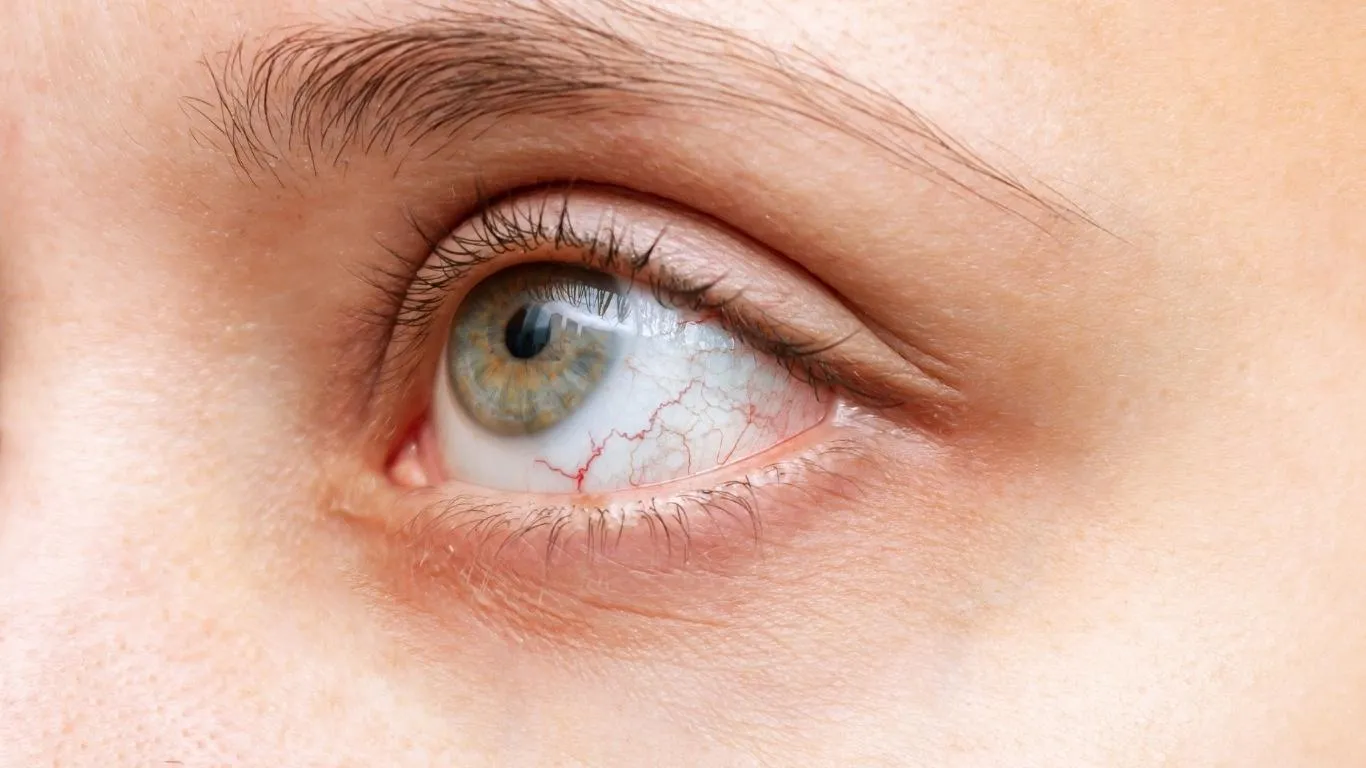
Let’s break it down. Chronic high blood pressure affects the body in many ways, but here’s what it does to your eyes:
- Increased vascular pressure: Forces fragile retinal capillaries to work harder, often resulting in rupture or leakage.
- Reduced oxygen flow: Narrowed vessels mean less oxygen reaches vital eye structures, contributing to damage.
- Inflammatory response: Long-term hypertension can cause inflammation that breaks down the blood-retina barrier, leading to bleeding or fluid buildup.
Floaters in this context are not just random visual clutter—they’re evidence your eyes are under vascular stress.
My Experience: From Ignoring Floaters to Paying Attention
I brushed off my floaters at first, blaming screen time or fatigue. But as they became more frequent—especially after a spike in my blood pressure—I decided to see an ophthalmologist. Turns out, I had mild hypertensive changes in my retina. Nothing scary yet, but it was a wake-up call.
Floaters were my early warning system. And that eye exam? Probably one of the best decisions I’ve made for my long-term vision.
Other Visual Symptoms of Hypertension to Watch For
Floaters aren’t the only red flags. High blood pressure can cause several subtle vision-related symptoms that often go unnoticed:
- Blurry or fluctuating vision—especially during a blood pressure spike
- Headaches with eye strain
- Dark spots or vision shadows
- Eye pain or pressure (in rare cases)
These signs might seem minor, but together they could indicate something more serious brewing—like retinal vein occlusion or optic neuropathy.
Protecting Your Vision If You Have High Blood Pressure
Managing blood pressure is one of the best things you can do for your eyes. Here’s what worked for me (aside from sticking to the meds):
- Regular cardio—even brisk walks made a huge difference
- Low-sodium meals—I started enjoying herbs over salt
- Ophthalmologist visits—every 6 months now, no exceptions
And honestly, just paying attention. Your body whispers before it screams—those floaters were my whisper.
To dive deeper into how floaters relate to other eye conditions and when they might signal something serious, check out this comprehensive guide:
What Are Eye Floaters? Causes, Symptoms, and Treatment Options.
Are High Blood Pressure Floaters Reversible?
One of the first things I asked my eye doctor was whether these floaters would go away. His answer? “It depends.” If your floaters are from age-related vitreous changes, they often settle and become less noticeable. But when they’re tied to hypertension-related bleeding or inflammation, the outcome varies.
Sometimes the floaters resolve on their own as the blood or debris clears. Other times, especially if bleeding recurs, they can linger—or worsen. In rare cases, surgical intervention may be needed.
Can the Eye Heal on Its Own?
In many cases, yes. The eye has remarkable healing abilities, especially if the underlying trigger—like uncontrolled blood pressure—is managed promptly. But if the retina is damaged, it might leave permanent visual effects. That’s why early detection is key.
Floaters vs Other Eye Changes Caused by Hypertension
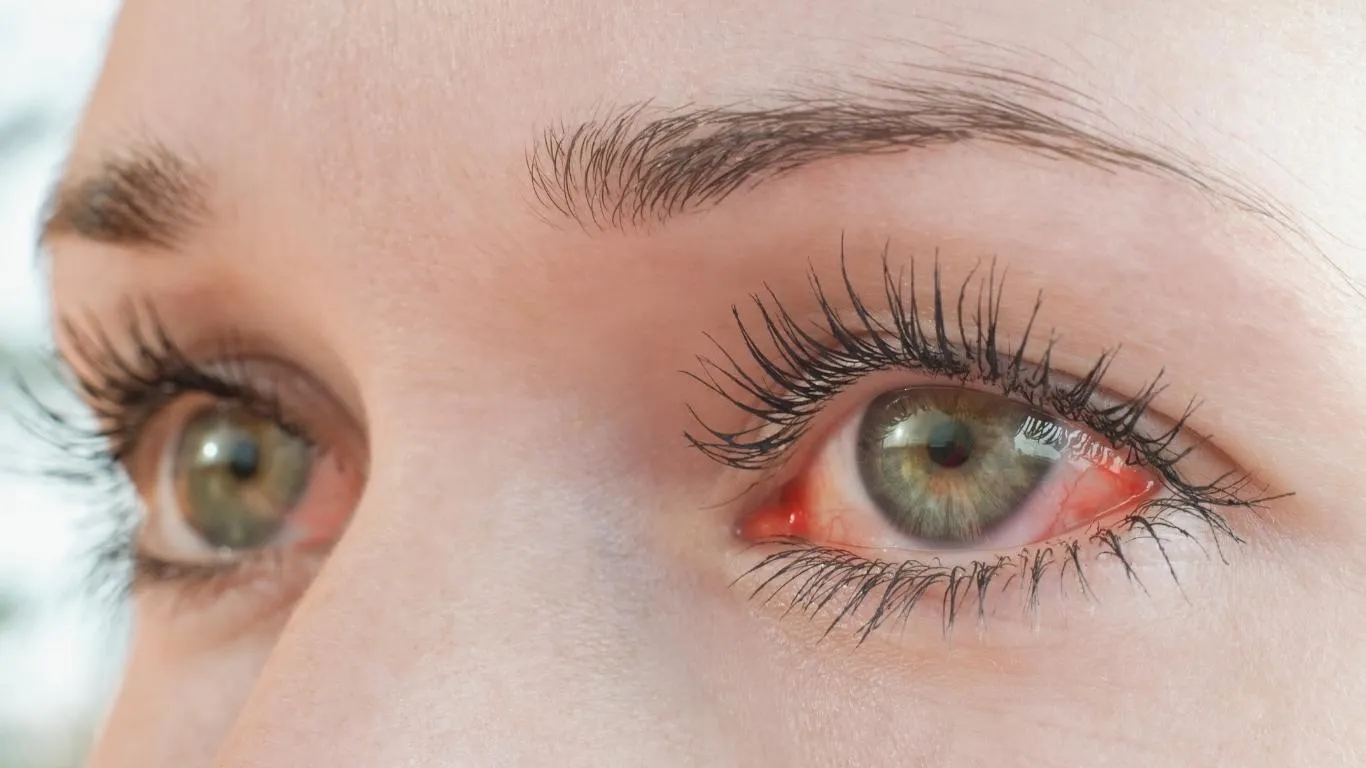
Floaters might be the most noticeable symptom, but they’re only one piece of the puzzle. Here’s a quick breakdown of other changes hypertension can cause in the eye:
- Retinal Artery Narrowing: Makes it harder for blood to reach retinal tissues, often silent but detectable during an eye exam.
- Retinal Hemorrhages: Small bleeds in the retina, which may trigger floaters if they leak into the vitreous.
- Optic Nerve Damage: Chronic high pressure can reduce blood flow to the optic nerve, affecting peripheral vision.
- Macular Edema: Fluid leakage in the central retina, causing blurry or distorted central vision.
These changes are usually subtle at first. I didn’t notice any difference in my vision until I started seeing floaters—and by then, some damage had already begun.
When Are Floaters a Sign of Something More Serious?
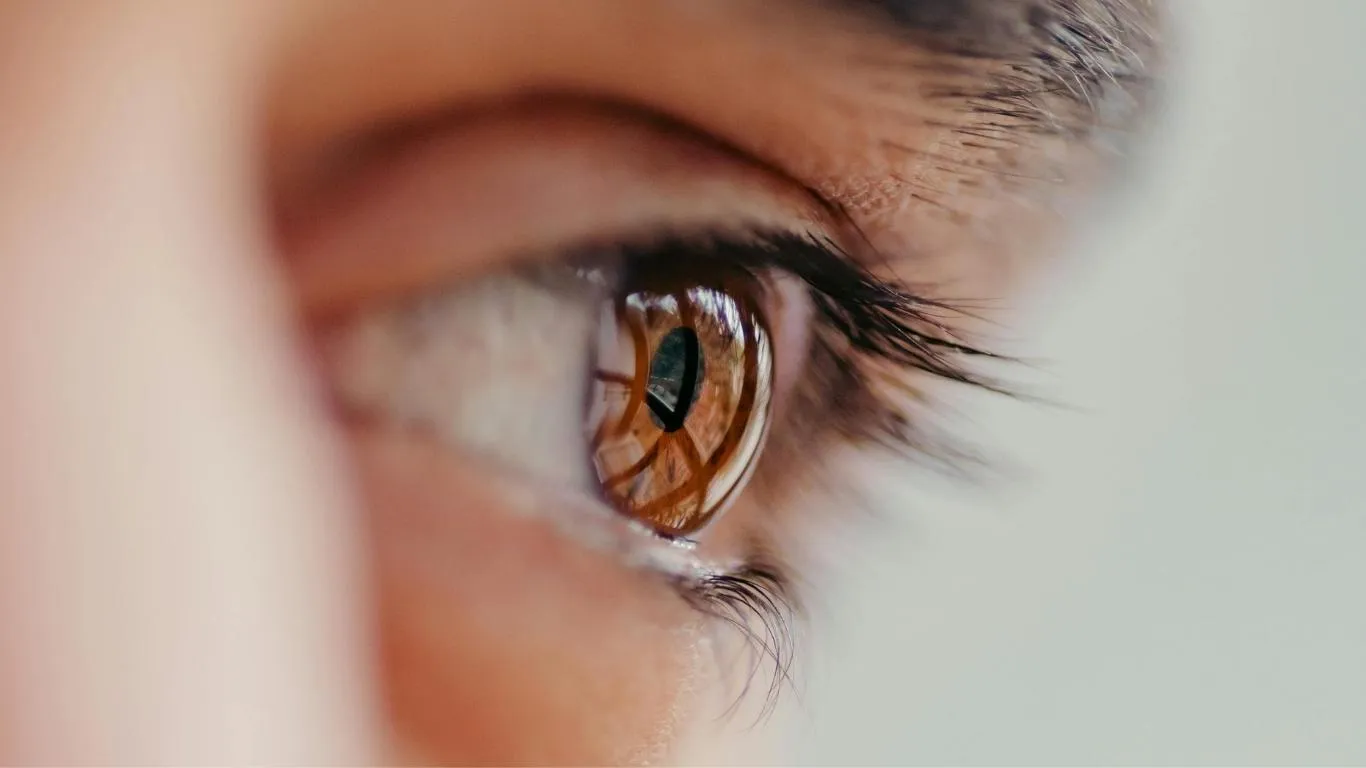
If you’ve ever had that moment of doubt—”Should I call the doctor about this?”—here’s a good rule of thumb: sudden, dramatic changes in your vision always deserve attention. This is especially true for people with high blood pressure.
Red Flags That Require Immediate Help
- Sudden appearance of dozens of floaters
- Flashing lights in the corners of your eyes
- Dark curtain or shadow in your visual field
- Blurred or distorted vision not related to fatigue
These could point to serious complications like a retinal tear or detachment—both of which need urgent treatment to prevent permanent vision loss. According to American Academy of Ophthalmology, early intervention can save sight in most cases.
What Are the Treatment Options for Floaters from Hypertension?
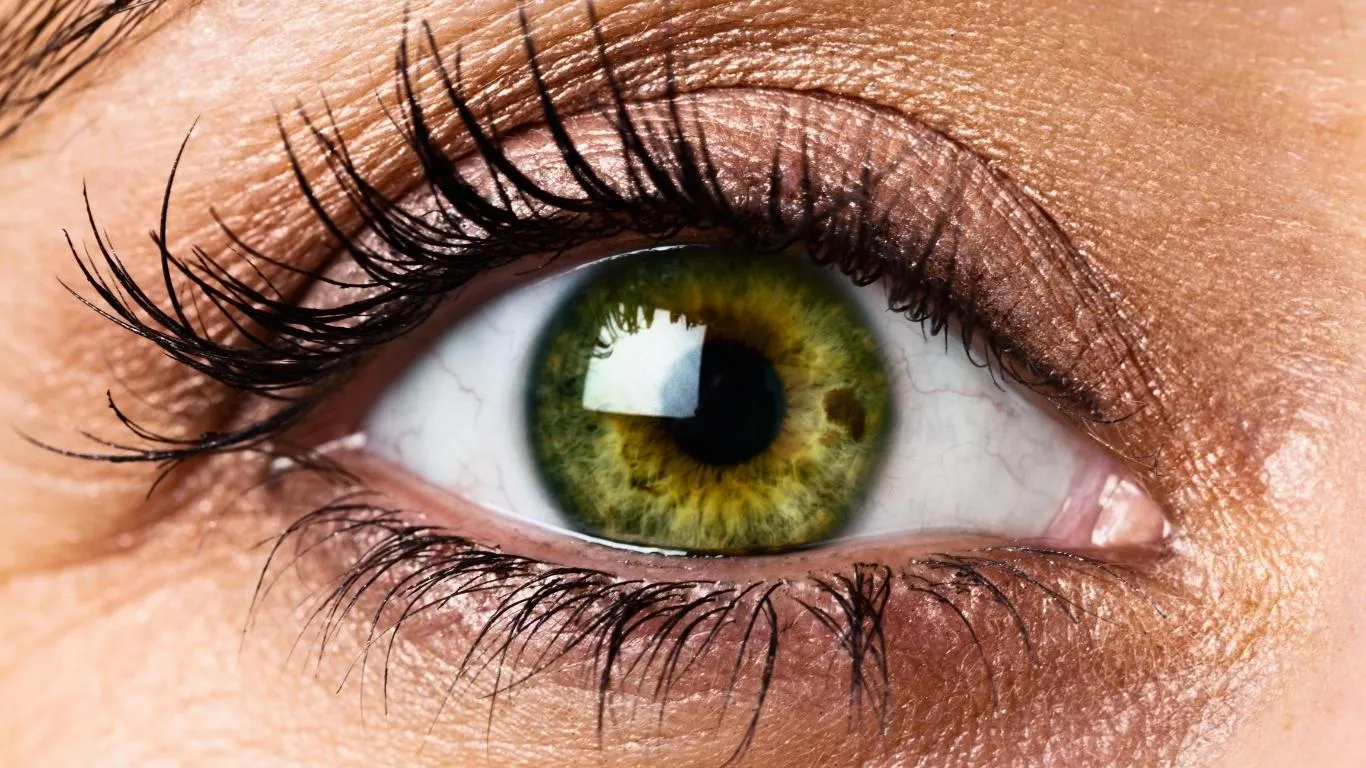
Most floaters—especially those tied to blood pressure—don’t need surgical treatment unless they’re severe or vision-threatening. Here are the main approaches:
1. Observation and Blood Pressure Control
In my case, simply tightening up my BP management helped. No more skipped meds. No more salty snacks at night. Within weeks, the floaters seemed to fade.
- Monitor your BP regularly
- Follow your treatment plan—yes, even when you feel fine
- Report any visual changes to your doctor promptly
2. Laser Vitreolysis (Rare)
This laser procedure breaks up larger floaters to make them less noticeable. It’s not widely used for hypertensive floaters unless the symptoms are severe and persistent.
3. Vitrectomy
This is a more invasive surgical option where the vitreous gel is removed and replaced. It’s typically reserved for serious cases where floaters significantly impair vision or if they’re caused by chronic bleeding.
How to Prevent Future Floaters When You Have Hypertension
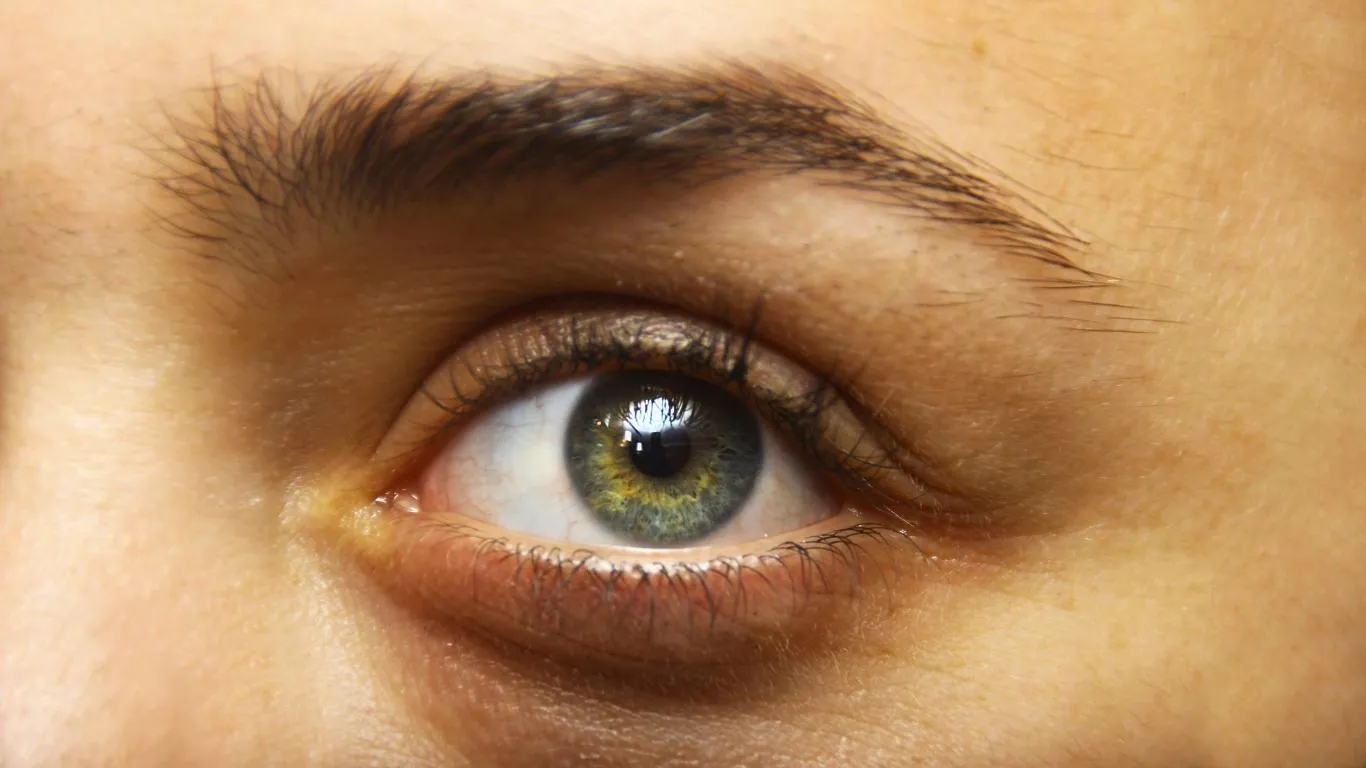
After my own scare, I got serious about protecting my vision. These are the habits I swear by now:
- Eat eye-healthy foods: Think leafy greens, omega-3s, berries
- Lower salt intake: Your eyes—and arteries—will thank you
- Limit screen time: Or at least follow the 20-20-20 rule
- Don’t skip eye exams: Once a year minimum if you’re hypertensive
It’s all about staying ahead of the damage. By the time you see floaters, something may already be happening behind the scenes. Prevention is way easier than treatment—ask me how I know.
Living with High Blood Pressure and Floaters: What to Expect

Having high blood pressure doesn’t guarantee you’ll get floaters—but it definitely increases the risk. If you already have floaters, keeping your BP under control can stop them from getting worse or turning into something more dangerous.
Everyone’s journey is different. Some people hardly notice floaters. Others, like me, see them as a wake-up call. Either way, managing your blood pressure is a non-negotiable part of preserving your vision.
If you’re curious about other conditions that might look like floaters—or want to know how to tell them apart—check out this helpful comparison guide:
Eye Floaters vs Other Eye Problems: How to Tell the Difference.

Camellia Wulansari is a dedicated Medical Assistant at a local clinic and a passionate health writer at Healthusias.com. With years of hands-on experience in patient care and a deep interest in preventive medicine, she bridges the gap between clinical knowledge and accessible health information. Camellia specializes in writing about digestive health, chronic conditions like GERD and hypertension, respiratory issues, and autoimmune diseases, aiming to empower readers with practical, easy-to-understand insights. When she’s not assisting patients or writing, you’ll find her enjoying quiet mornings with coffee and a medical journal in hand—or jamming to her favorite metal band, Lamb of God.