Hotel Bed Back Pain Hacks Travelers Wish They Knew Sooner
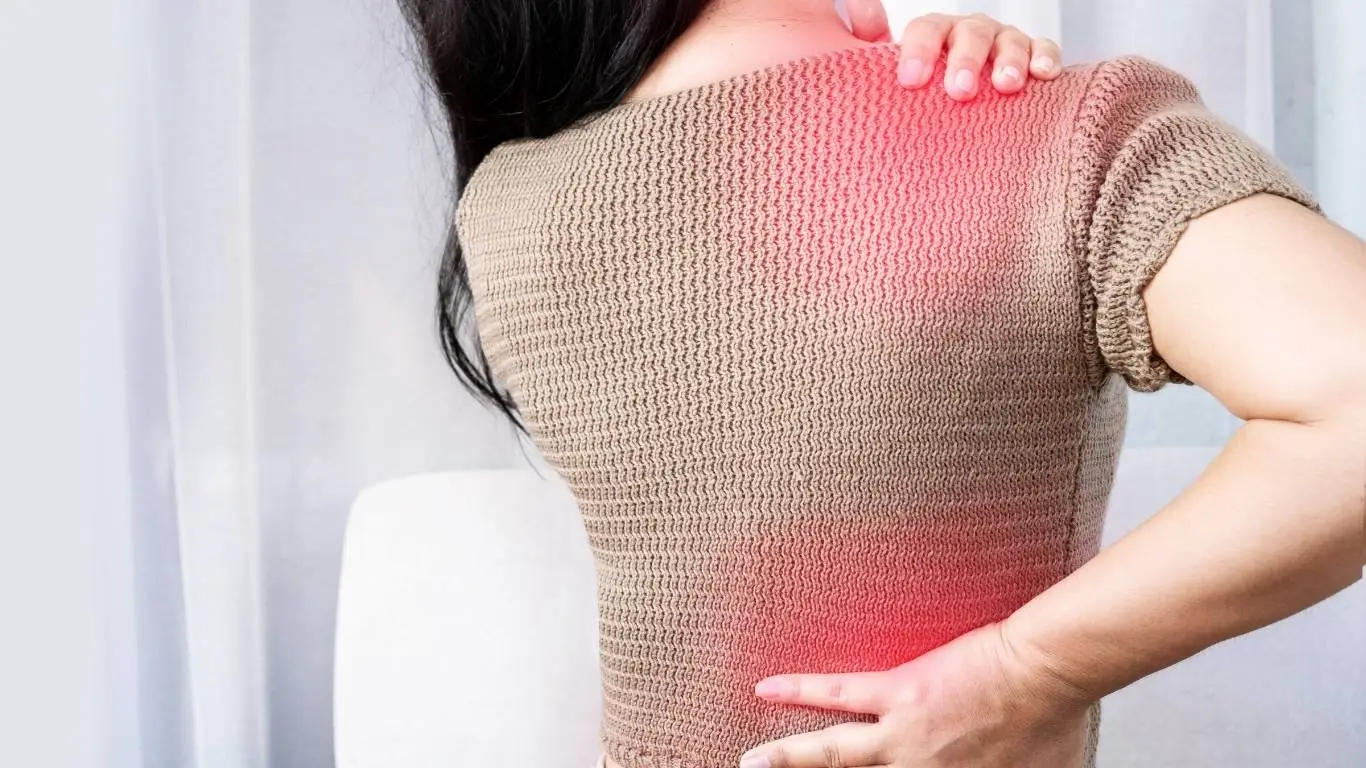
Let’s be real—hotel beds aren’t always your spine’s best friend. I can’t even count how many times I’ve checked into a gorgeous hotel room, only to find myself tossing and turning at 2 a.m. because the mattress feels like it was designed in the Middle Ages. Back pain while traveling is a very real thing, and if you’ve ever woken up with your lower back screaming at you during a vacation, you’re not alone. But over the years (and many sore mornings), I’ve figured out a few hacks that actually make a difference—and they don’t require dragging your own mattress around the world.
Why Hotel Beds Are Often a Back Pain Trigger

Here’s the thing: hotel mattresses are usually selected for durability and cost-efficiency—not spinal alignment. They’re either way too soft or unbearably firm. And your spine? It’s begging for support and neutral positioning.
What’s Wrong with That Plush Hotel Mattress?
It might feel luxurious at first, but a mattress that lacks proper support can lead to misalignment in your lower back, especially if you’re a side or stomach sleeper. This nighttime back pain isn’t just annoying—it can throw off your whole trip.
Firm Isn’t Always Better Either
Some hotels go in the opposite direction, offering rock-hard beds that feel like sleeping on plywood. Without cushioning for your hips and shoulders, pressure builds up—and yep, that’s when the middle back pain kicks in. According to ncbi.nlm.nih.gov, improper sleep surface firmness can increase spinal load and tension overnight.
Hotel Bed Back Pain Hacks That Actually Work

Over time, I’ve developed a routine that lets me sleep better—no matter where I’m staying. These aren’t just “travel hacks,” they’re battle-tested survival tools for anyone with even mild back sensitivity.
1. Use Hotel Pillows Strategically
- Under knees (back sleepers): This keeps your spine in a more neutral position.
- Between knees (side sleepers): Helps avoid pelvic rotation that strains the lumbar area.
- Behind your back (side sleepers): For extra lumbar support or to stop rolling over.
Trust me, even a lumpy hotel pillow can be repurposed into something your spine will thank you for.
2. DIY Lumbar Roll
If the mattress sinks too much at the lower back, I roll up a bath towel or a spare blanket and tuck it just above my hips when I lie down. This tiny tweak relieves that saggy curve that causes lower back pressure. Here’s more on how posture impacts back pain—even while you sleep.
3. Floor or Couch? Don’t Rule It Out
It sounds extreme, but I’ve actually had better sleep on a cushioned floor than a bad mattress. If the bed is causing too much discomfort, laying a comforter or extra blanket on the carpet for a firmer surface can be a game-changer.
Stretch and Move—Your Travel Best Friends
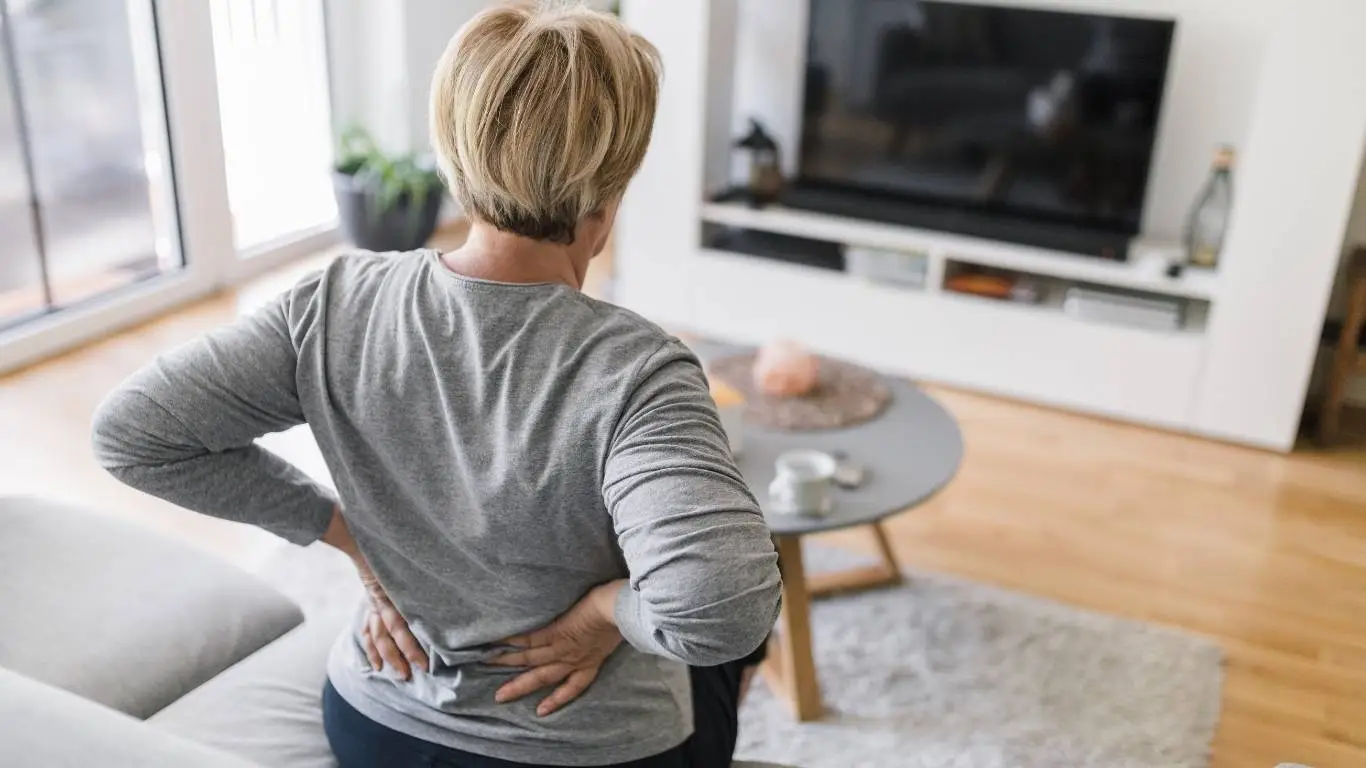
Long flights, hours of walking, or even lounging on a bad bed can tighten your back muscles like crazy. Here’s what I do before bed and first thing in the morning:
Quick Stretch Routine (Takes 5 Minutes)
- Cat-Cow Stretch: Great for loosening up the spine.
- Knees-to-Chest: Gently releases lumbar tension.
- Seated Spinal Twist: A must after long plane rides or car trips.
Pairing this routine with these yoga poses for back pain makes a noticeable difference, especially if you’re traveling with a cranky spine.
Portable Tools That Fit in Your Suitcase
- Inflatable lumbar pillows: Small but powerful for flights or hotel beds.
- Mini massage ball: I roll this under my glutes and back muscles to relieve tightness.
- Resistance band: For hamstring stretches that reduce strain on your lower back.
These tools take up minimal space but deliver maximum relief. I never travel without them anymore.
Sleep Positions That Don’t Wreck Your Spine
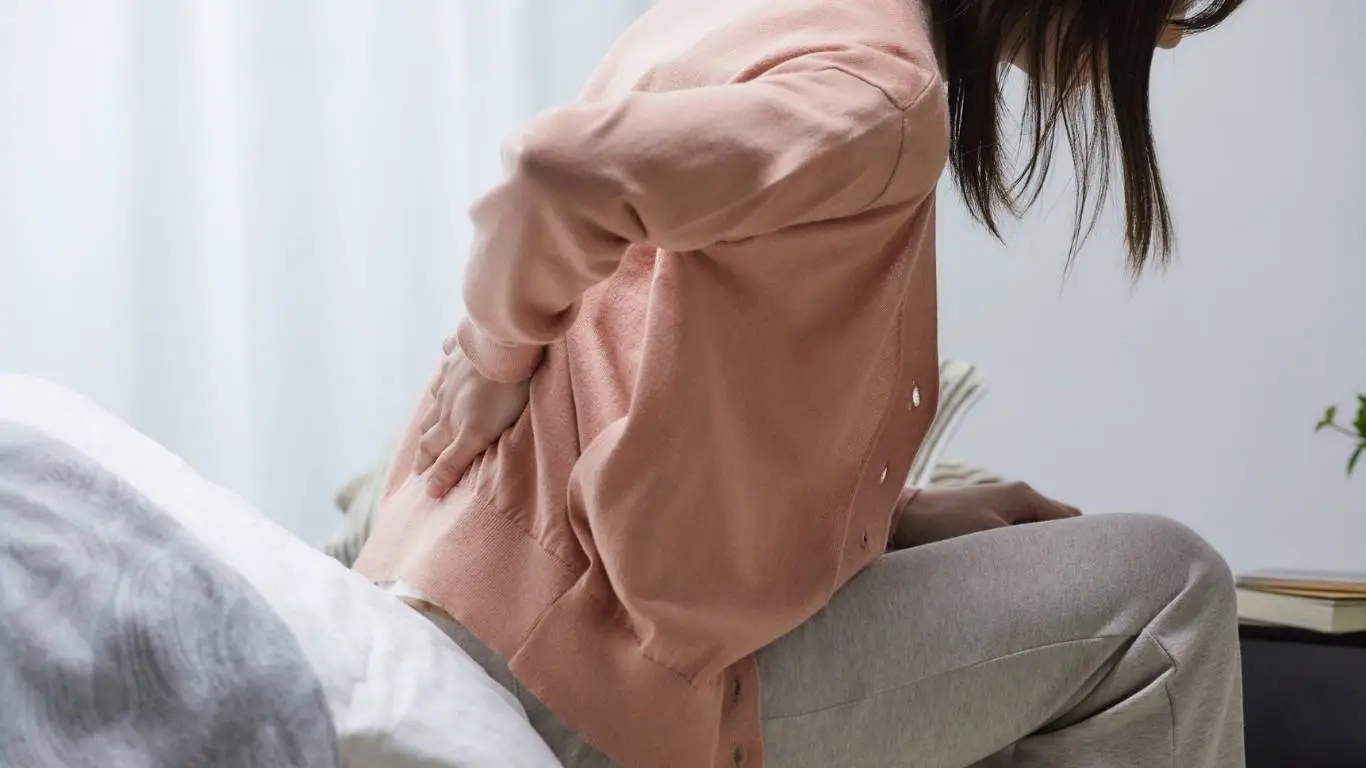
Even a mediocre mattress can work if your posture’s on point. Here’s what’s worked best for me and many fellow travelers I’ve swapped tips with over the years.
Best: Back Sleeping with Knee Elevation
This reduces lumbar compression and keeps everything in better alignment. Place a pillow under your knees and another supporting your neck—not under your shoulders.
Acceptable: Side Sleeping with Leg Support
A pillow between your knees reduces pelvic strain. Keep your top leg from sliding forward too much to avoid spine twisting.
Worst: Stomach Sleeping
This is a hard no. It hyperextends your lower back and puts pressure on your neck. If it’s your default, try gradually transitioning to your side using pillow support tricks.
Extra Sleep Setup Hacks from Road Warriors

I’ve picked up a few extra tricks from other frequent travelers that might just save your next trip.
- Bring a fitted sheet: Helps keep hotel mattress toppers in place and adds comfort.
- Request extra pillows and blankets at check-in: Don’t be shy—these are essential for building your support nest.
- Open the window or lower the AC: Cool air helps reduce inflammation and tension during sleep.
Still hurting? It might be worth reading why some back pain recurs even when you think you’re being careful.
For more in-depth strategies tailored to posture and ergonomics, check out our guide on exercise, rehabilitation, and ergonomics. And if you’re still new to tackling back discomfort in general, the main back pain article is the perfect place to get grounded.
When Hotel Beds Leave You Waking Up in Pain

There’s nothing worse than waking up on day two of a trip feeling like you’ve aged twenty years overnight. I’ve definitely had mornings where my lower back felt jammed, stiff, and angry from a mattress that offered zero support. And when it happens, it can throw off your entire day—from sightseeing to business meetings.
But here’s the good news: you can bounce back. You don’t need a chiropractor on speed dial or fancy equipment. Just a few tweaks and smart recovery moves can reset your back and save the rest of your trip.
Morning Reset for Stiff Backs
- Start slow: Sit on the edge of the bed and let your spine wake up before you even stand.
- Gentle hamstring stretches: Tight hamstrings pull on your lower back—stretching them reduces that post-bed tightness.
- Pelvic tilts and bridges: Engage your core and get some blood flow going.
If you’re dealing with morning stiffness and discomfort, this is often the quickest way to relieve it.
Travel Essentials for Back Pain Prevention

Let’s talk gear. I keep a small travel kit in my carry-on that’s purely for back comfort. These tools have saved me in countless hotels, planes, and even during long layovers.
1. Foldable Back Support Cushion
This gem turns terrible hotel desk chairs or plane seats into something tolerable. Mine folds flat and slides right into my backpack. You can find decent ones online or at any travel gear store. It also works well behind your back while you sleep, especially if the mattress caves in too much.
2. Lightweight Foam Roller
Mini foam rollers exist—and they’re a lifesaver. A quick rolling session in the evening loosens tight muscles that build up from walking around all day. It’s especially useful for SI joint dysfunction or hip tightness that often shows up in travel.
3. Essential Oils or Topical Creams
I travel with a small bottle of essential oils like peppermint or lavender. They don’t replace deep massage, but they add soothing comfort at bedtime. A good pain relief cream works even better on tense spots post-stretching.
How Hotel Setup Influences Sleep Posture
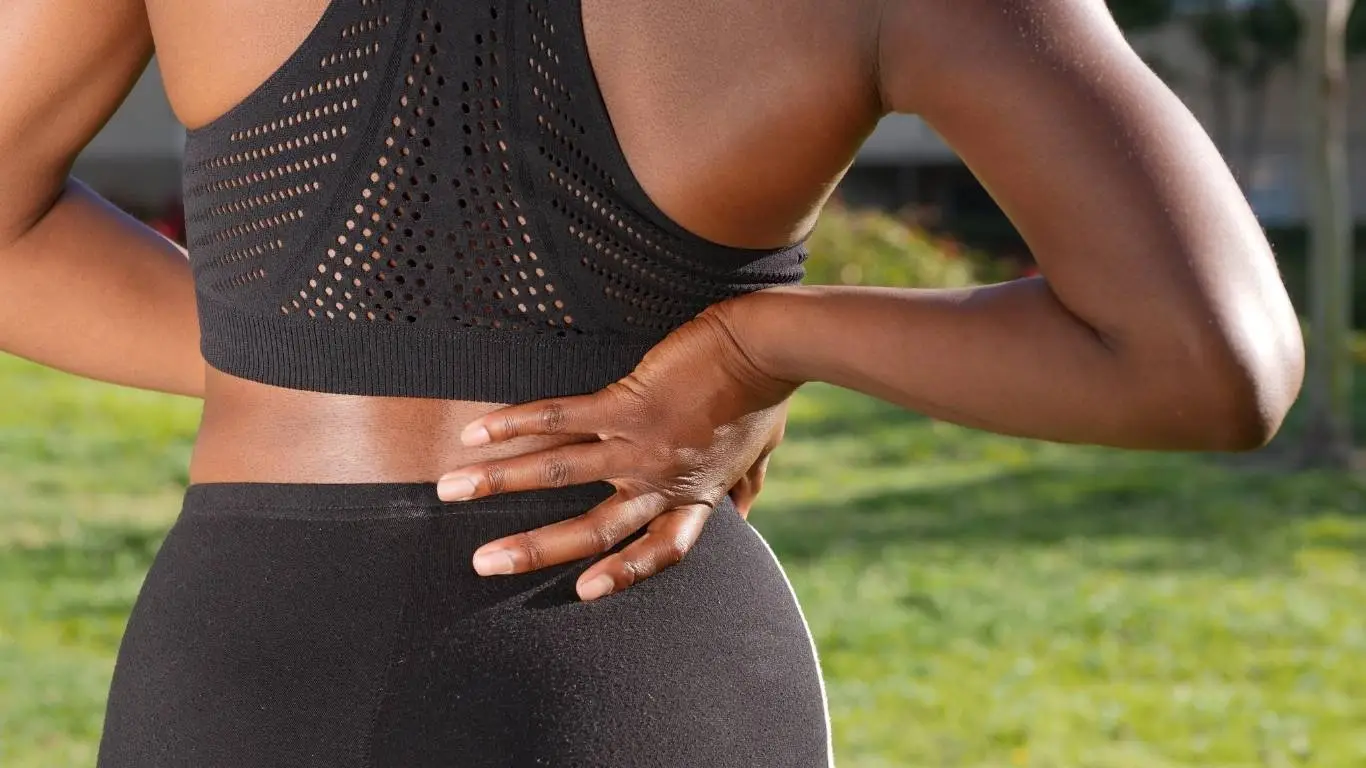
Sometimes it’s not just the mattress—it’s the entire bed environment. From the angle of the headboard to the lumpiness of the comforter, little things add up. Here’s how I optimize my setup right after check-in:
- Test the bed firmness: Lay on it in your preferred sleep position. If it’s too soft, immediately plan to bolster it with blankets or request a room change.
- Rebuild your sleep surface: Lay an extra comforter beneath the sheet for added support or softness depending on what you need.
- Pillow stack test: I always check whether the pillows are too thick or thin. Either can jack up your neck and upper back by morning.
This little ritual takes 5 minutes but prevents a night of misery. And don’t forget to optimize your sleeping position based on how the bed reacts.
When to Take Your Back Pain Seriously During Travel
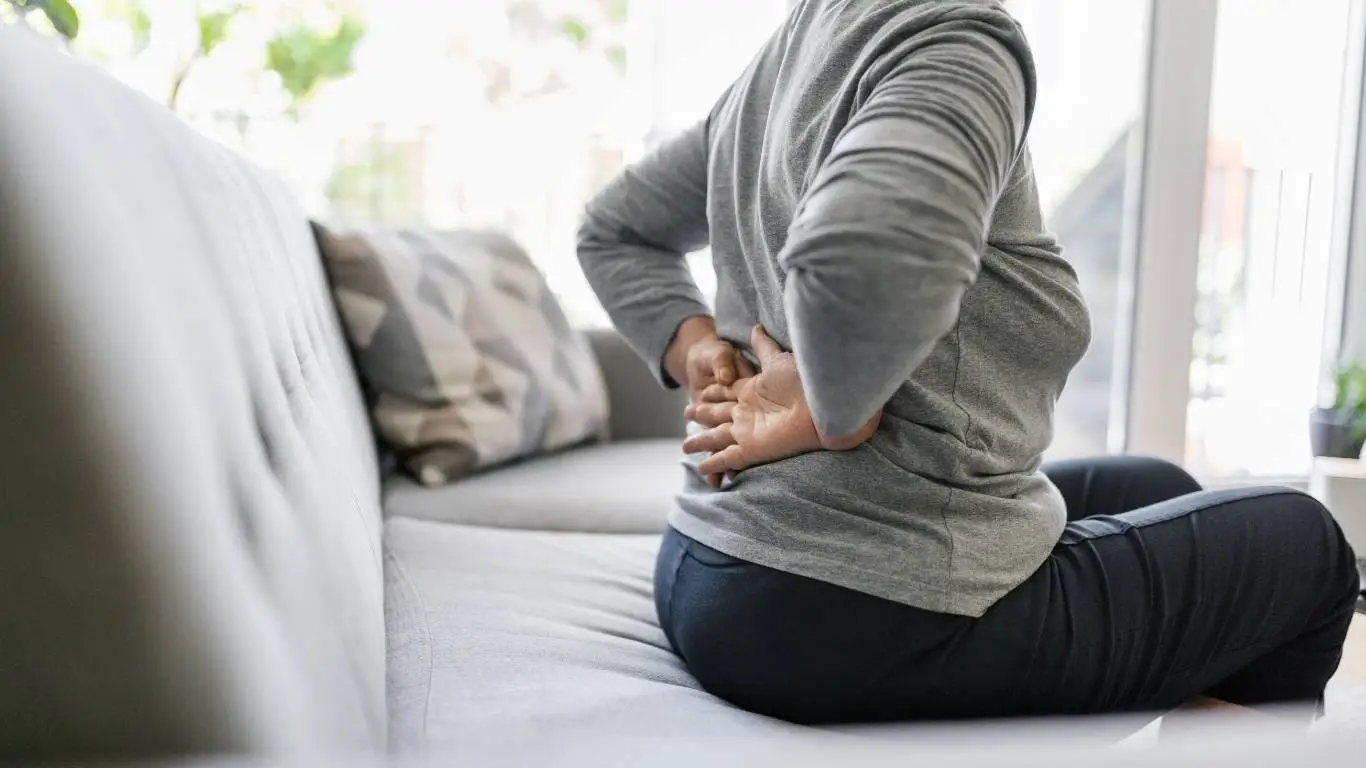
Let’s be clear—some pain is manageable. But there are red flags that deserve medical attention, even while you’re traveling.
- Sharp, shooting pain down one leg (possible sciatica)
- Numbness, tingling, or weakness in your feet or legs
- Unrelenting pain that doesn’t improve after rest or movement
- Trouble controlling bladder or bowel function
Don’t ignore symptoms like sudden sharp pain or lumbar radiculopathy. If you’re in a major city, most places have walk-in clinics or urgent care centers that can handle these issues quickly.
Hotels That Actually Help You Sleep Better

This part might surprise you, but some hotel chains are getting smarter about back pain. I’ve stayed at places where you can request a mattress topper, orthopedic pillow, or even rooms designed for ergonomic support. Here’s how to find them:
Before You Book:
- Search for “pillow menu” or “mattress options” in hotel descriptions
- Call ahead and ask if they provide firm or orthopedic mattresses
- Read guest reviews specifically mentioning bed comfort
Not all hotels advertise it, but many will quietly accommodate back-friendly preferences if you ask. A quick call before booking can make a world of difference, especially on longer trips.
Real Recovery Starts After the Trip

Even if you manage your back well during the trip, travel always takes a toll. I’ve made it a point to take recovery seriously as soon as I get home. That includes:
- Hydrating more (dehydration tightens muscles)
- Returning to my regular exercise and rehab routine
- Booking a massage or chiropractor appointment within a few days
- Switching immediately back to my supportive mattress and pillow setup
It’s amazing how much your back appreciates these small but intentional acts. And honestly, it’s made traveling something I look forward to again, instead of dreading the pain that used to come with it.
Want to learn more about lifestyle changes that support back health while traveling and beyond? Dive into our full section on lifestyle, diet, and natural remedies to keep your spine happy whether you’re at home or on the go. And don’t forget to visit our main back pain resource hub for deeper insights and support.

Camellia Wulansari is a dedicated Medical Assistant at a local clinic and a passionate health writer at Healthusias.com. With years of hands-on experience in patient care and a deep interest in preventive medicine, she bridges the gap between clinical knowledge and accessible health information. Camellia specializes in writing about digestive health, chronic conditions like GERD and hypertension, respiratory issues, and autoimmune diseases, aiming to empower readers with practical, easy-to-understand insights. When she’s not assisting patients or writing, you’ll find her enjoying quiet mornings with coffee and a medical journal in hand—or jamming to her favorite metal band, Lamb of God.