How Anxiety Affects Blood Pressure Readings and Skews Your Health Check
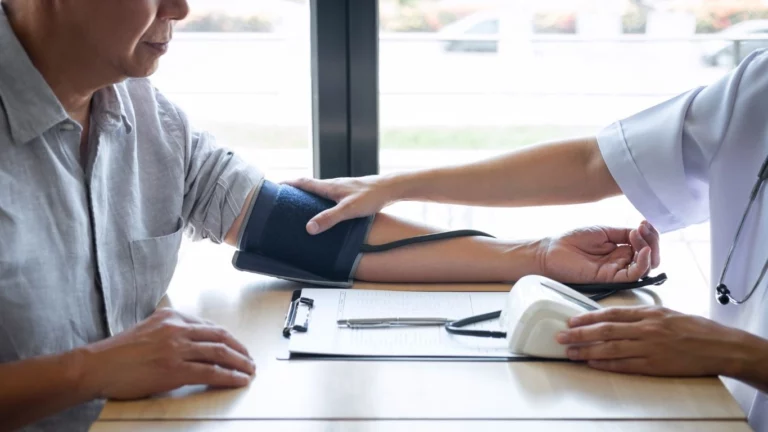
Ever had your blood pressure checked at the doctor’s office, only to be told it’s way higher than you expected? Yeah, me too. It’s one of those nerve-wracking moments that can make your heart pound and leave you wondering if you’re suddenly developing hypertension. But here’s the thing—sometimes, it’s not your heart’s fault; it’s your mind playing tricks on your body. Anxiety and blood pressure are closely intertwined, and those readings might not be as alarming as they seem. Let’s dig into how anxiety can mess with your blood pressure readings and what you should actually be worried about (or not).
Why Anxiety Can Spike Your Blood Pressure Instantly
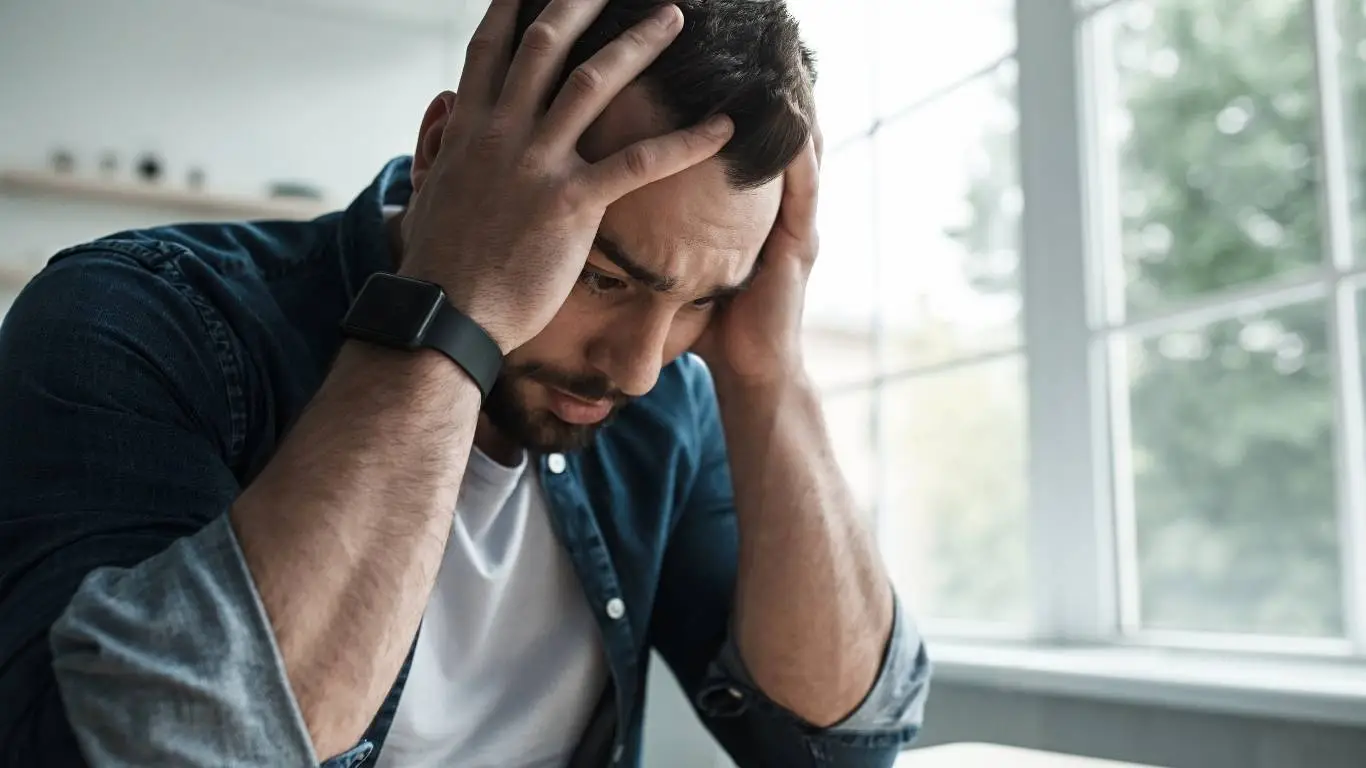
It’s called “white coat syndrome,” and it’s real. The mere anticipation of having your blood pressure taken can set off a cascade of stress hormones like adrenaline and cortisol. These hormones trigger your “fight or flight” response, causing your heart rate to increase and your blood vessels to constrict. The result? An inflated blood pressure reading that doesn’t necessarily reflect your typical daily numbers.
I remember sitting in the exam room, feeling perfectly fine—until the cuff went on. Suddenly, my palms got sweaty, my chest felt tight, and the monitor displayed numbers I had never seen before. It wasn’t my heart; it was my anxiety stealing the show.
Adrenaline’s Sneaky Role in Blood Pressure Surges
When you’re anxious, your adrenal glands release adrenaline to prepare your body for perceived danger. This reaction is great if you’re being chased by a bear, but not so much when you’re sitting calmly in a doctor’s office. That jolt can elevate your systolic and diastolic numbers within minutes.
- Increased heart rate
- Vasoconstriction (narrowing of blood vessels)
- Temporary rise in blood pressure
The good news? These spikes are usually temporary. But frequent anxiety-triggered spikes could mislead your physician into diagnosing hypertension when the real culprit is unmanaged stress.
The Vicious Cycle of Health Anxiety and Blood Pressure Worries

Health anxiety is a sneaky beast. The more you worry about your health, the more you amplify physical symptoms. I once found myself checking my blood pressure at home five times a day. Ironically, each time I did, my anxiety spiked, making the readings unreliable.
This over-monitoring can lead to a psychological loop where the fear of high blood pressure actually causes the high reading. If you relate to this, it’s essential to recognize the role anxiety plays and break the cycle. Techniques like breathing exercises for anxiety relief can help calm your system before you check your BP.
Home Monitoring Anxiety Traps
While home BP monitors are a fantastic tool for long-term tracking, they can become a source of obsession for anxious individuals. Each abnormal number might lead to more anxiety, which—guess what?—affects the next reading.
- Measure once, not five times in a row
- Practice mindfulness before using the device
- Track trends, not isolated readings
If you’re wondering about more subtle ways anxiety can interfere with your routine, this guide on how anxiety disrupts daily life dives deeper into those silent disruptions.
Misdiagnosed Hypertension: A Hidden Problem

One overlooked issue is how anxiety-induced blood pressure spikes can lead to misdiagnosis. Doctors rely on readings taken in clinical settings, which can be heavily skewed by situational anxiety. This is why ambulatory blood pressure monitoring (ABPM)—a device you wear for 24 hours—provides a much clearer picture.
In fact, a study by the National Institutes of Health found that nearly 15-30% of people diagnosed with hypertension actually have “white coat hypertension.” So, before jumping to conclusions, ask your doctor about ABPM or at least multiple readings over time.
Real-Life Example: My False Alarm Diagnosis
Several years ago, after a stressful week, I went in for a routine check-up. My BP reading was 150/95. The doctor immediately mentioned starting medication. Thankfully, I pushed for a second opinion and got a 24-hour ABPM. The results? My average was a healthy 118/76. Anxiety had tricked us both.
If you’re facing similar scenarios, understanding the frequency of misdiagnosed anxiety cases can help you advocate for proper assessment.
Practical Strategies to Minimize Anxiety Before BP Checks
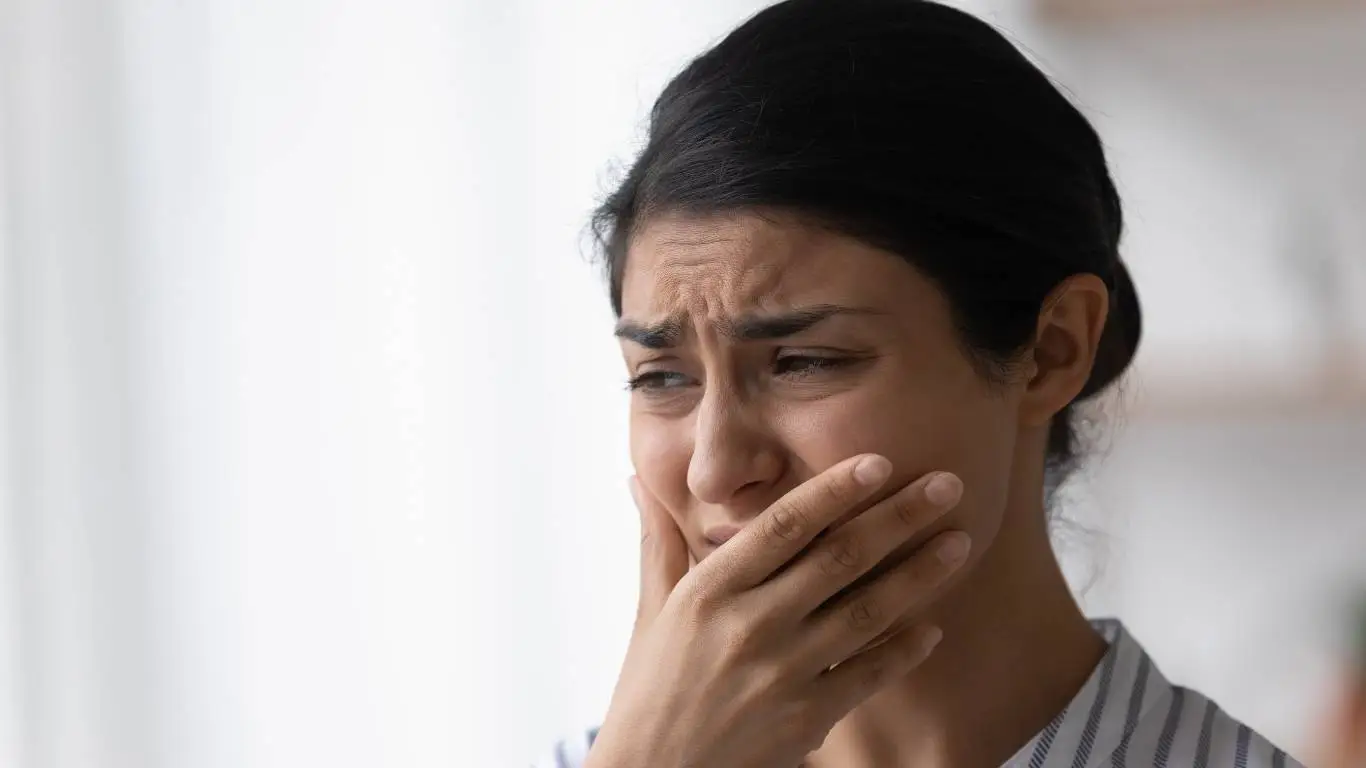
While you can’t always control situational anxiety, there are practical steps to reduce its impact on your BP readings. From my experience, a few simple habits made a significant difference:
- Practice deep breathing for 5 minutes before the cuff goes on
- Avoid caffeine at least 2 hours before your appointment
- Engage in calming self-talk while waiting
- Ask the nurse to wait a minute after applying the cuff before starting
Another overlooked yet powerful method is incorporating herbal teas for anxiety relief into your daily routine. Chamomile and lemon balm are my go-to choices on check-up days.
When Should You Be Concerned?
If your at-home readings are consistently high, even in calm conditions, it’s time to consult your healthcare provider. But if those numbers only climb during doctor visits or stressful moments, anxiety is likely playing a significant role. Always differentiate between temporary spikes and chronic hypertension.
For a broader understanding of how anxiety weaves into your physical health, the article on hidden causes of anxiety disorders provides valuable insights.
Also, don’t miss the main article on how anxiety disorders can secretly control your daily life for a deeper dive into the unseen ways anxiety takes over your body’s responses.
Long-Term Effects of Anxiety on Blood Pressure Readings

It’s easy to think of anxiety spikes as just temporary blips, but when stress becomes a chronic companion, it can start affecting your baseline blood pressure. Over time, constant anxiety keeps your sympathetic nervous system in overdrive, leading to more frequent and prolonged blood pressure elevations. I noticed this myself during a particularly hectic year—my once-perfect readings began inching up, even during casual home checks.
Prolonged activation of stress responses not only increases your cardiovascular strain but also makes your blood vessels less elastic, setting the stage for real hypertension if left unmanaged. That’s why recognizing anxiety’s role early is crucial.
Stress Hormones and Vascular Health
Continuous surges of cortisol and adrenaline can lead to:
- Endothelial dysfunction (affecting blood vessel flexibility)
- Increased resting heart rate
- Potential long-term elevation of baseline blood pressure
To avoid this slippery slope, it’s essential to address not just the blood pressure readings but the underlying anxiety triggers as well.
Therapies That Help Manage Anxiety-Induced Blood Pressure Issues

When it comes to managing anxiety-driven blood pressure spikes, I’ve found that a combination of therapeutic approaches works best. Cognitive Behavioral Therapy (CBT) remains one of the most effective strategies. It helped me reframe my catastrophic thinking—every elevated reading was no longer a looming disaster.
Another promising option is EMDR therapy for anxiety disorders. Though often associated with trauma, it’s gaining recognition for its impact on general anxiety symptoms that influence physical health markers like blood pressure.
Complementary Approaches Worth Exploring
Beyond traditional therapy, consider adding these to your toolbox:
- Progressive Muscle Relaxation (PMR): An excellent method to reduce bodily tension and blood pressure simultaneously.
- Mindfulness-Based Stress Reduction (MBSR): Helps anchor your mind in the present, reducing anticipatory anxiety that can skew readings.
- Yoga routines designed for anxiety relief—great for calming both mind and body.
When Medication Becomes Necessary—And When It Doesn’t
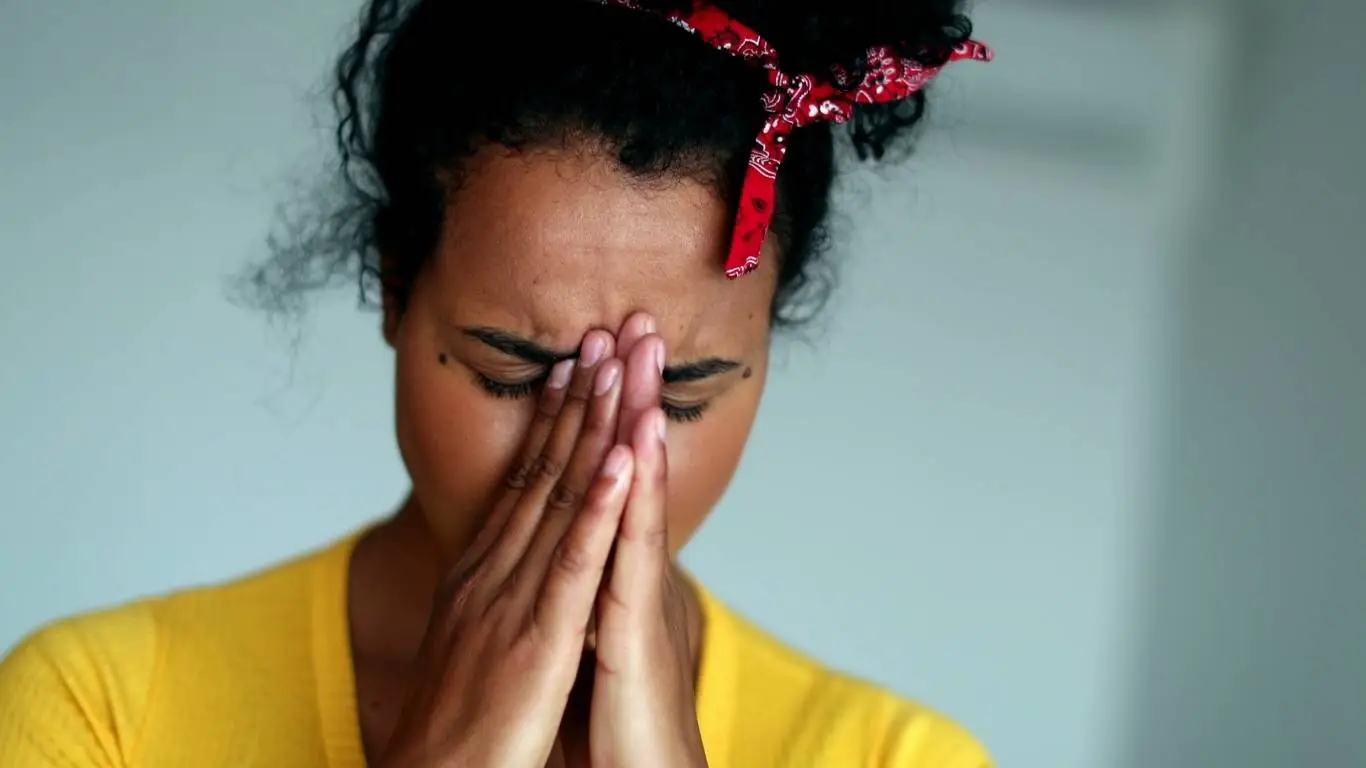
One of the biggest fears I had was being prematurely put on blood pressure medication. While antihypertensive drugs are vital for genuine cases of hypertension, many physicians now recognize the importance of distinguishing anxiety-induced spikes from chronic high BP. Sometimes, anxiolytics or beta-blockers are considered for short-term management in high-anxiety individuals. You can read more about why beta blockers for anxiety work beyond their heart-related purposes.
However, medication is rarely the first solution. Physicians often recommend non-pharmacological strategies like lifestyle modifications and psychological interventions before prescribing long-term meds—especially if anxiety is the primary trigger.
Don’t Skip Lifestyle Adjustments
Simple tweaks that helped me keep my anxiety (and BP) in check include:
- Regular physical activity—nothing fancy, just consistent walks
- Reducing processed sugar intake, which surprisingly fueled my anxious episodes
- Incorporating magnesium-rich foods for their calming properties
Tracking Your Progress Without Falling Into the Anxiety Loop

Monitoring is essential, but obsessive tracking is not. I learned this the hard way after spending a week glued to my BP monitor. The key is finding a balanced approach. Consider logging readings once in the morning and evening for a week, then analyzing the trend rather than fixating on isolated numbers.
Keeping an anxiety journal alongside your BP log can help identify patterns between your mental state and readings, providing a clearer picture of what’s really going on.
Know When to Consult a Specialist
If you consistently notice spikes that don’t align with your anxiety patterns, it’s worth consulting a cardiologist or hypertension specialist. On the other hand, if your spikes correlate with stressful situations, it might be time to work with a mental health professional instead.
For a comprehensive look at how medical assessments for anxiety should be handled, visit our guide on anxiety disorders diagnosis and assessment. It explains the importance of holistic evaluations beyond a single BP reading.
And don’t forget to check the main article on how anxiety disorders secretly control your daily life—because sometimes, managing anxiety is the key to protecting your heart as much as your mind.

Camellia Wulansari is a dedicated Medical Assistant at a local clinic and a passionate health writer at Healthusias.com. With years of hands-on experience in patient care and a deep interest in preventive medicine, she bridges the gap between clinical knowledge and accessible health information. Camellia specializes in writing about digestive health, chronic conditions like GERD and hypertension, respiratory issues, and autoimmune diseases, aiming to empower readers with practical, easy-to-understand insights. When she’s not assisting patients or writing, you’ll find her enjoying quiet mornings with coffee and a medical journal in hand—or jamming to her favorite metal band, Lamb of God.