How Anxiety After Sudden Accidents Can Quietly Take Over Life
There’s something incredibly jarring about the aftermath of a sudden accident. It hits hard, fast, and without much warning. One moment you’re living your life, and the next, everything feels different. I still remember the strange sense of unreality after my car accident—my heart racing, hands trembling, and the eerie quietness that followed. But what lingered wasn’t the physical recovery. It was the anxiety that crept in afterward and stayed. If you’ve experienced this too, you’re not alone. Anxiety after sudden accidents is more common than people think, and it can silently shape how you feel, think, and function long after the event is over.
Understanding Anxiety After Sudden Accidents
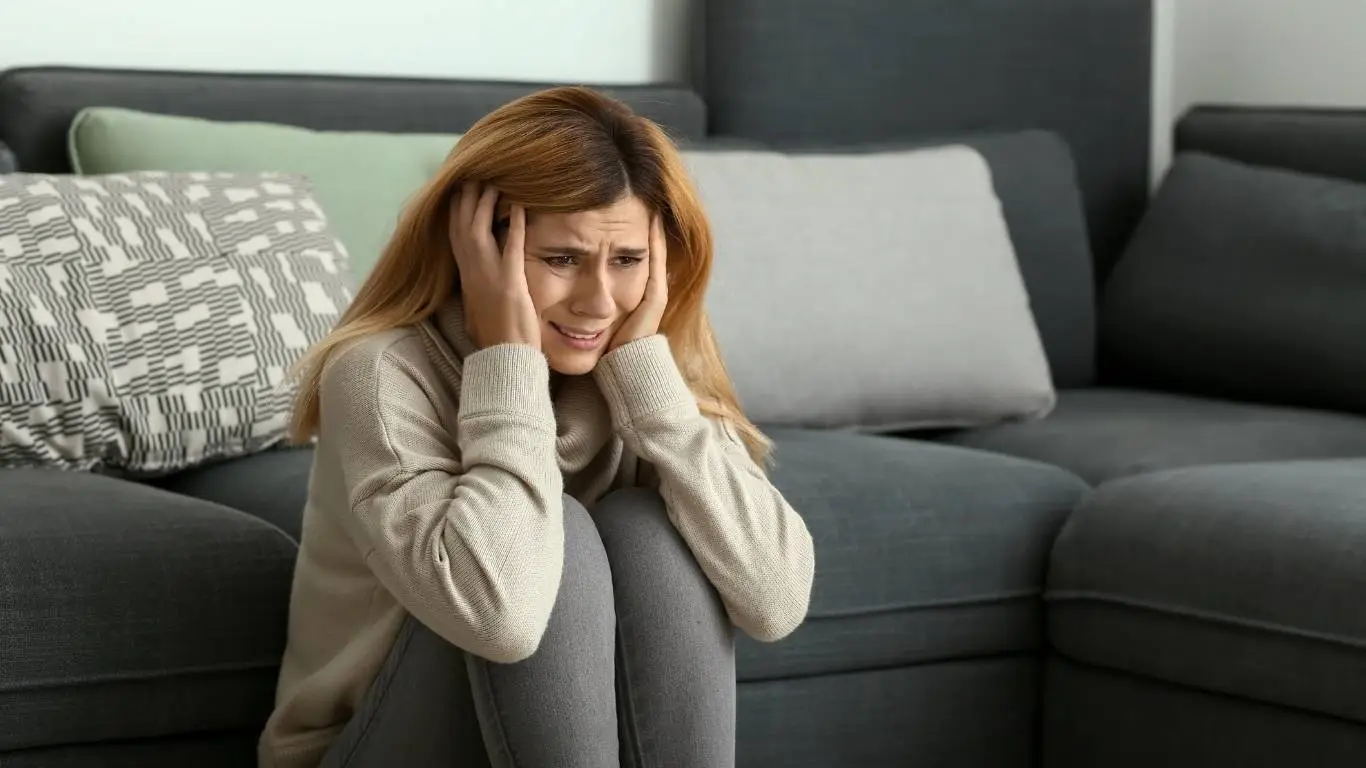
The anxiety that follows an unexpected accident isn’t just nervousness or stress. It can feel like an ever-present fog, making you hyper-aware of every sound, every movement, every possibility of danger. Your body might heal, but your mind takes longer—and that’s okay. The fear of another accident, the startle at sudden noises, the avoidance of anything remotely similar to what happened—all these are symptoms of something deeper: a trauma response that evolves into chronic anxiety if left unaddressed.
Why It Happens
After a traumatic event like an accident, the brain’s alarm system—the amygdala—goes into overdrive. It starts interpreting harmless stimuli as threats. You might find yourself anxious while driving, or even watching scenes that remind you of the incident. For some, it progresses into depersonalization or derealization. Others might deal with obsessive thoughts about safety, injuries, or death.
What Makes It Worse
- Lack of emotional support after the event
- Pre-existing anxiety disorders
- Repeated exposure to triggers (like driving the same road where it happened)
- Ignoring the symptoms, thinking they’ll just go away
It’s also worth noting that how people around you respond can impact your recovery. If someone dismisses your fear—“You’re fine now, stop worrying”—it can deepen the sense of isolation.
Recognizing the Signs That It’s More Than Just a Bad Week

The tricky part about post-accident anxiety is that it doesn’t always show up immediately. For me, it was a few weeks after the crash. I was okay—until I wasn’t. Here are signs to look for:
- Constant worry about safety, even in normal environments
- Difficulty sleeping due to flashbacks or nightmares
- Sudden panic attacks without clear triggers
- Avoidance of specific places or activities
- Feeling detached or emotionally numb
If you’ve been noticing these, it may be time to explore more about the diagnostic process for anxiety disorders. It’s often the first step toward regaining control.
When Everyday Life Starts to Feel Unsafe
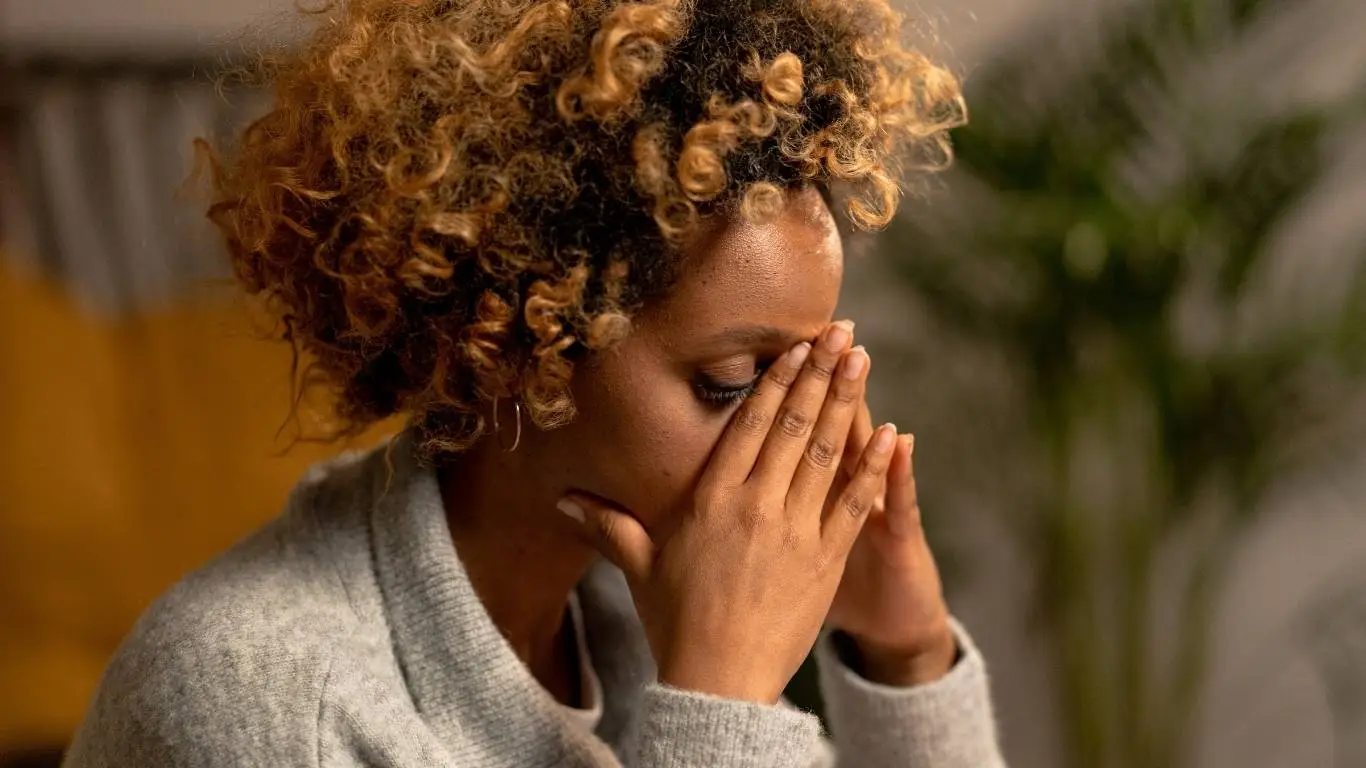
Anxiety after sudden accidents doesn’t just live in your head—it infiltrates your routines. You might start avoiding intersections, or feel uncomfortable being a passenger in a car. Some even experience shortness of breath when passing the accident site. This quiet fear shapes behavior in ways that outsiders might not understand.
Over time, unchecked anxiety can spiral into more significant conditions like social withdrawal or health anxiety. The body stays tense, muscles tight, sleep fragmented—and life feels smaller than it used to.
How It Shows Up Physically
- Increased heart rate and sweating in response to minor stressors
- Frequent headaches or stomach issues
- Fatigue that doesn’t go away, even after rest
- Hypervigilance—being “on alert” all the time
And then there’s the guilt. “Why am I still so shaken up?” or “Others have it worse, I should be over this.” But healing isn’t a competition. Your feelings are valid—and they deserve care.
What Help Actually Looks Like

When anxiety affects your quality of life, it’s time to consider real strategies. Not everything has to be a full-blown treatment plan—small steps can go a long way. Talking to someone helped me realize I wasn’t weak or broken. I just needed tools to feel safe again.
Some approaches that genuinely help:
- Cognitive Behavioral Therapy (CBT)
- EMDR for trauma and anxiety
- Beta blockers for physical symptoms
- Breathing exercises and grounding techniques
Many people are surprised by how effective complementary techniques like progressive muscle relaxation or journaling can be when used consistently. I leaned on journaling to make sense of all the scattered emotions—it felt like unloading a heavy backpack every night.
Support Systems Matter
Even just one person validating your feelings makes a huge difference. Whether it’s a therapist, partner, or online support group, being seen is healing. You may want to look into anxiety support groups that provide that needed connection when you’re stuck in your own head.
And don’t underestimate the power of lifestyle tweaks. A bit more sleep, cutting back on caffeine, or choosing foods that support mental health can all reduce those daily spikes of panic. You can explore more ideas under the broader topic of lifestyle changes for anxiety or even delve into the main impact of anxiety disorders to better understand how far-reaching this really is.
According to ncbi.nlm.nih.gov and apa.org, early intervention and proper therapeutic support significantly reduce the long-term effects of anxiety following trauma. But it takes real-world awareness, not just clinical treatment. It’s okay to not bounce back instantly. It’s okay to be shaken. But it’s also okay to get help.
Rebuilding Confidence After the Trauma

After a sudden accident, your confidence doesn’t just return with time. It has to be rebuilt—sometimes from the ground up. I used to get nervous just grabbing my keys. Every trip out felt like an emotional obstacle course. Slowly, and I mean very slowly, that started to change. I gave myself small wins—driving around the block, walking the same stretch of road where the accident happened. And when my hands started shaking, I’d remind myself: “You’re safe. You’re here. You’re okay.”
This isn’t about pushing yourself too far, but instead nudging forward with intention. The brain needs proof that it’s safe again—and that comes from repeated exposure in small, manageable doses. It’s a core part of exposure therapy, and it works. Even if it feels weird or scary at first.
Small Steps That Lead to Big Wins
- Take a short walk in a previously avoided area
- Drive with someone you trust before going solo
- Write down your fears and challenge them logically
- Celebrate every step, no matter how minor it feels
The first time I drove alone after the accident, I was drenched in sweat by the time I parked. But I did it—and the next time wasn’t as bad. Little by little, those wins add up, even when no one else sees them.
Dealing With Triggers and Setbacks

Let’s be real—setbacks happen. One random honk or flash of headlights in the rearview mirror can send your brain into full-blown panic mode again. That doesn’t mean you’re starting from zero. It just means your brain is still healing. I used to beat myself up when I’d have a “bad day,” but understanding that triggers are part of the process helped me be kinder to myself.
Identifying your personal triggers is key. For some, it’s the time of day the accident happened. For others, it’s a specific sound or location. When you know what sets your alarm bells off, you can work to disarm them—not avoid them forever.
Grounding Techniques That Help in the Moment
- 5-4-3-2-1: Name 5 things you see, 4 you can touch, 3 you hear, 2 you smell, 1 you taste
- Carry a calming object (smooth stone, essential oil roller, worry bead)
- Try simple breathing exercises
- Play grounding music or white noise when driving or in public
These aren’t magic fixes, but they help anchor you to the present—and out of the anxious memory loop your mind tends to replay on a loop after trauma.
When Anxiety Interferes With Sleep

This was probably the hardest part for me. Lying in bed, trying to sleep, and suddenly my brain would bring the crash back like it just happened. I’d jolt awake, heart pounding. Nights became restless, mornings exhausting. And the anxiety just got worse with sleep deprivation.
I started creating a strict bedtime routine. No doomscrolling. No caffeine after 2 PM. I added in calming rituals like herbal tea, reading fiction, and dim lighting. Sounds minor, but they worked. And for many others, things like sleep hygiene practices have been game-changers.
Sleep is crucial for brain recovery and emotional regulation. Even if you can’t get 8 hours right away, building rituals around rest helps your body and mind transition out of constant alert mode.
Nutrition, Movement, and the Brain-Body Link

Here’s what I learned the hard way: you can’t out-think anxiety if your body is in chaos. What you eat, how much you move, and even how much water you drink all affect your mind. I cut back on sugar (which was hard because stress-eating is real), and I started taking magnesium-rich foods more seriously. I even swapped out my usual morning coffee for one of the best caffeine-free drinks for anxiety.
Brain-Soothing Choices That Add Up
- Regular walks or yoga—nothing fancy, just consistent
- Staying hydrated to avoid anxiety-like symptoms from dehydration
- Adding omega-3s and cutting ultra-processed foods
- Probiotic-rich foods for gut-brain balance
This isn’t about going full wellness guru overnight. It’s just about recognizing how deeply connected your physical state is to your mental health. And giving your system what it needs to support healing.
Creating a Life That Doesn’t Revolve Around Fear

At some point, I realized I didn’t want my life to be designed around avoidance. That meant actively creating space for joy again—even in small ways. Making plans. Saying yes to events. Leaving the house without overthinking. Some days I still catch myself hesitating, but now I pause, breathe, and move forward anyway.
Fear doesn’t get to run the show forever. You get to take the lead back.
Helpful Resources to Stay Empowered
- Therapy (traditional or virtual) that fits your communication style
- Apps that provide mindfulness, CBT tools, or anxiety tracking
- Podcasts and books that normalize your experience
And don’t forget to stay informed. Understanding the hidden causes of anxiety and how they affect your body and mind can be just as empowering as therapy.
For a deeper dive into how your daily habits impact anxiety recovery, check out this resource on lifestyle self-help. And to see how anxiety disorders weave into every part of your routine—even when you think you’re “fine”—this main pillar article is a must-read.
Everyone’s healing path is different, but you’re not broken—and you’re definitely not alone. Anxiety after sudden accidents is real, but so is your ability to rise above it.

Camellia Wulansari is a dedicated Medical Assistant at a local clinic and a passionate health writer at Healthusias.com. With years of hands-on experience in patient care and a deep interest in preventive medicine, she bridges the gap between clinical knowledge and accessible health information. Camellia specializes in writing about digestive health, chronic conditions like GERD and hypertension, respiratory issues, and autoimmune diseases, aiming to empower readers with practical, easy-to-understand insights. When she’s not assisting patients or writing, you’ll find her enjoying quiet mornings with coffee and a medical journal in hand—or jamming to her favorite metal band, Lamb of God.