How Back Pain Can Quietly Strain Social Relationships
It’s funny how a small twinge in your back can end up changing the dynamics of your whole social life. I remember skipping out on a weekend barbecue with friends because I couldn’t even sit through the car ride without wincing. It starts like that—one skipped event, then another, and suddenly, your calendar looks emptier than your fridge before payday. Back pain doesn’t just mess with your body; it subtly, persistently rewrites your connections with people too. It becomes the invisible guest tagging along to every social gathering—or stopping you from going entirely.
The Social Ripple Effect of Persistent Back Pain

Living with back pain, especially chronic types like degenerative disc disease or spondylolisthesis, changes how we engage socially. Most people around you won’t notice the slow pullback—you start declining invites, stop traveling as much, even date nights turn into “maybe next week.”
Events Become Energy Drains
Social settings often mean prolonged sitting, standing, or even dancing—activities that someone with back issues might dread. A simple dinner out can feel like a marathon.
- You’re constantly adjusting in your seat to ease discomfort.
- You avoid venues with stiff chairs or no back support.
- Your mind is split between the conversation and your next dose of relief.
Eventually, your friends start noticing. “You’ve been laying low a lot lately,” they say. But it’s not laziness—it’s pain dictating your calendar.
Isolation Creeps In Quietly
What really got me wasn’t just the missed events—it was feeling like I was missing *from* life. Isolation creeps in when you’re constantly opting out. And the longer it lasts, the harder it is to jump back in. It’s no wonder that chronic pain patients are more prone to depression and anxiety (ncbi.nlm.nih.gov), especially when they feel socially sidelined.
How Back Pain Impacts Romantic Relationships

Back pain doesn’t just cause physical distance—it can create emotional distance too. I’ve talked to people who’ve said, “I don’t want to be a burden,” so they downplay their pain. Others admit that they’ve felt unattractive or undesirable because of their limited mobility.
Less Physical Intimacy
Let’s be real: physical affection matters in relationships. But when even a light touch or spooning in bed triggers discomfort, intimacy takes a hit. It’s not just about sex—it’s also about hugging, holding hands, dancing, or walking together without wincing every third step.
Guilt and Miscommunication
Your partner might feel helpless or even frustrated, especially if they don’t fully understand what you’re going through. You might feel guilty for not “pulling your weight.” It becomes a breeding ground for tension unless you both get really good at honest, vulnerable communication. A few open conversations helped us realize that pain isn’t a flaw—it’s something to work around, together.
Tools like cognitive behavioral therapy (CBT) can help couples understand these dynamics better. And sometimes, couples counseling becomes less about the relationship and more about learning how to navigate pain *as a team*.
When Friendships Start to Shift

Your relationships with friends also take a hit—often unintentionally. I had a solid circle of hiking buddies. Once my lower back started acting up, I went from “Let’s do the 10-mile trail!” to “Maybe I’ll catch you all at the coffee shop afterward.” Eventually, I stopped getting the invite at all. Not maliciously—they just assumed I’d say no.
The Unseen Loss
Friendships that were built on shared activities can wither when you’re physically limited. That game night, yoga session, or weekend getaway—without realizing it, your social nourishment dries up. And unless you intentionally build new ways to connect, friendships start to feel like echoes.
Reaching out can help. When I texted one friend and said, “I can’t hike right now, but want to meet for a slow walk and coffee?” she lit up. She just hadn’t known what I could still do. That small gesture reminded me: *I’m not forgotten. I just needed to adapt.*
Feeling Misunderstood and Dismissed

Back pain isn’t visible. You don’t walk around with a cast or a sling. So when you decline plans or leave early, people might assume you’re flaky, uninterested, or just antisocial. They don’t get that you’re not avoiding them—you’re avoiding pain flare-ups that’ll put you in bed for days.
There’s still a lot of misinformation out there, too. People think, “Oh, just do some yoga and you’ll be fine.” Not all back pain is fixable with a stretch. In fact, sports injuries or spinal conditions can require serious adjustments, not quick fixes.
That’s why platforms like this mental and emotional guide on back pain exist—to bridge the empathy gap. Sometimes, just sending someone a trusted article helps them understand you better than a dozen awkward explanations ever could.
Making Room for a Social Life Despite the Pain

Back pain doesn’t mean saying goodbye to your social life—it means rethinking how you show up in it. For me, that looked like investing in better back support cushions, saying yes to brunch instead of dinner (because mornings are easier), and letting people know what I need without shame.
- Adapt the activity: Suggest alternatives to high-impact plans.
- Be transparent: Let your close ones in on what’s going on physically and emotionally.
- Set expectations: Let people know you might need to sit out mid-event without guilt.
Back pain can feel isolating—but only if you let it. Sometimes the key isn’t changing your friends—it’s changing the way you show up with them.
Explore more on how to build a back-friendly lifestyle in this lifestyle and natural remedies guide, or start from the basics with our main back pain resource.
Back Pain’s Effect on Work Relationships and Career Social Life
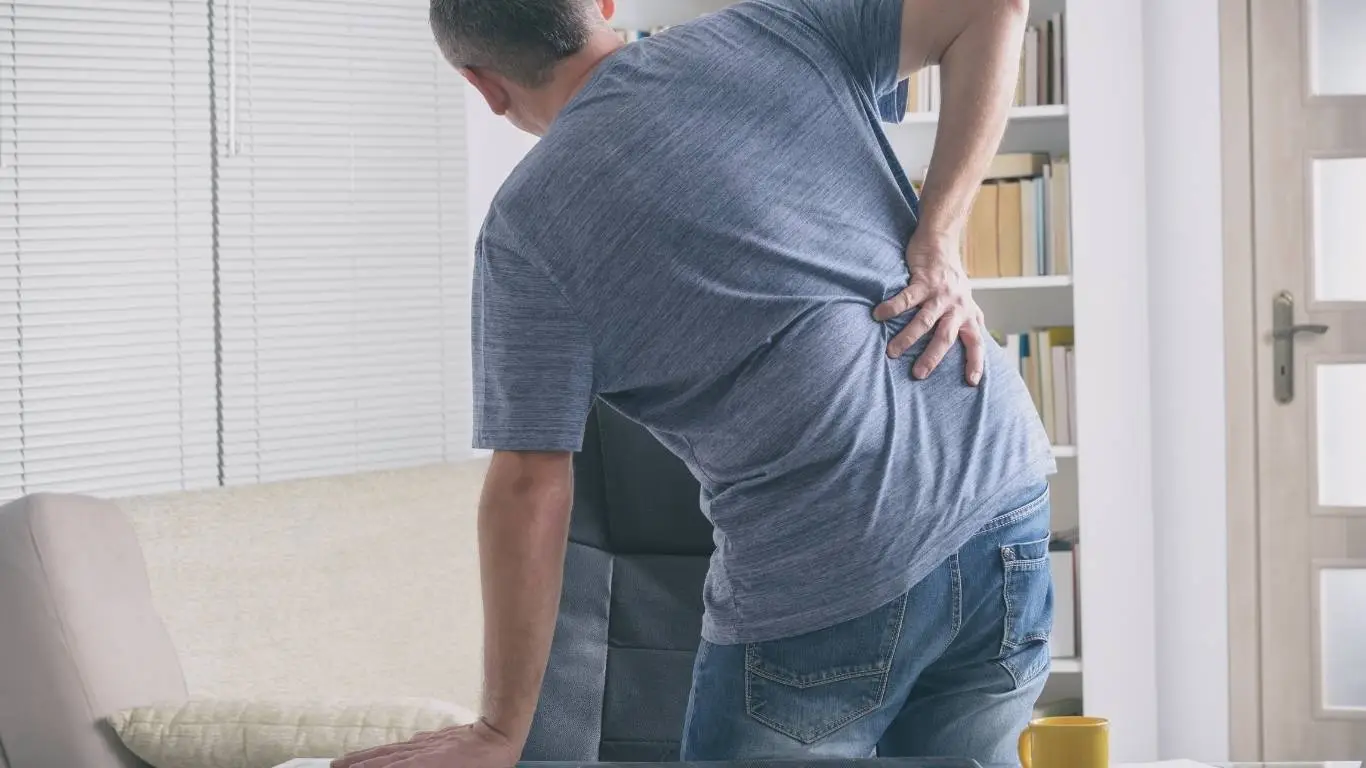
Let’s not pretend like back pain stays at home while you’re on the clock. It follows you to every office chair, conference room, and watercooler moment. The truth? Chronic back pain messes with your work vibe—and not just your productivity, but also how you connect with coworkers and supervisors.
The “Difficult Coworker” Label
When you start skipping happy hours or taking frequent breaks to stretch, you might get misunderstood. I once had a colleague ask, “Are you even into this project?” when I left a meeting early because I couldn’t sit anymore. It wasn’t about interest—it was about trying not to collapse from the muscle spasms.
Physical conditions like piriformis syndrome or facet joint syndrome aren’t just painful—they’re also invisible. So your boundaries and adjustments might get mistaken for lack of motivation or commitment. That can impact promotions, opportunities, and how you’re perceived by your team.
Missing Out on Workplace Bonding
Work isn’t just about tasks—it’s also social. Skipping team lunches, offsite events, or long meetings naturally sidelines you from the camaraderie that builds trust. You’re in the group, but you’re not always *with* the group. That’s a subtle but powerful shift.
That’s why it helps to educate—not lecture, but casually inform. A quick “Hey, I’m working through some back stuff, so I might dip early” makes all the difference. And ergonomic workspaces? Total game changer. There’s a helpful breakdown of supportive setups in this guide on ergonomic chairs.
Family Life Gets Complicated Too

Back pain doesn’t exactly take a break when you get home either. If anything, that’s where it hits hardest—especially with family. You want to be fully present, engaged, and active. But bending to pick up your toddler or standing at the stove for 30 minutes? That can feel like a challenge Olympic-level.
Parenting Through Pain
I had one of those humbling moments when my kid asked, “Why don’t you play tag anymore?” Ugh. That question hit harder than any flare-up. For parents, especially those with conditions like arthritis-related back pain, it’s not that we don’t want to engage—it’s that our bodies won’t always let us.
Thankfully, adapting activities works. Storytime instead of horseplay. Arts and crafts instead of playground marathons. It doesn’t make you less of a parent. It makes you a *smarter*, more creative one.
Partner Dynamics Shift Again
Beyond intimacy, there’s the emotional labor of trying not to feel like “the problem.” You see your partner picking up the slack—doing more housework, running more errands—and guilt creeps in. But here’s the deal: guilt is a dead-end emotion. What works is honesty, support, and shared problem-solving.
One night, we created a “low-back-friendly” chore list. I handled what I could—short bursts of movement, things I could do sitting. They picked up the heavy lifting (literally). We both felt seen. Simple adjustments can rescue the dynamic before resentment even gets a chance to show up.
How Pain Alters Your Sense of Identity in Relationships

Back pain messes with your sense of self more than people realize. When you’re no longer the “go-to helper,” the “fun friend,” or the “active parent,” you start questioning your value. That identity crisis can quietly sabotage your relationships.
Confidence Takes a Hit
I stopped volunteering to drive friends to the airport or help move furniture—things I used to love doing. Over time, I worried I was becoming “the fragile one.” That label stings. It took some soul-searching (and therapy) to remind myself: my worth isn’t tied to how much I can lift, move, or endure.
Building back that confidence often starts with physical wins—like completing a rehab plan. Check out some safe exercise options in this guide on rehab and ergonomics.
Rebuilding Social Confidence with Support Systems

Here’s what changed everything for me: support groups. Whether online or in-person, just hearing others say, “Me too,” was a reset. I wasn’t alone. And neither are you.
Build a New Social Rhythm
- Find low-impact social activities: Think picnics, coffee dates, art classes—things that let your body rest while your mind connects.
- Let people in: Share your story selectively. Vulnerability invites understanding.
- Use tools: Meditation apps, posture supports, CBD balms—build a toolkit that makes social life less intimidating.
Even casual tools like a supportive brace or a TENS unit can quietly give you the confidence to say yes more often.
And don’t forget your mental game. Mindfulness was a huge one for me. If you’re curious, this breakdown on meditation for pain explains it well.
When You Reconnect—On Your Own Terms

Eventually, I realized I wasn’t avoiding people—I just needed to reconnect differently. With the right adjustments, empathy, and tools, you really can take your social life back. It just might not look the same as before. And that’s okay. Sometimes, that’s even better.
Need help understanding the emotional layers of chronic pain? Explore the full resource here: Mental & Emotional Aspects of Back Pain. Or start from the broader view with this main overview on back pain.

Camellia Wulansari is a dedicated Medical Assistant at a local clinic and a passionate health writer at Healthusias.com. With years of hands-on experience in patient care and a deep interest in preventive medicine, she bridges the gap between clinical knowledge and accessible health information. Camellia specializes in writing about digestive health, chronic conditions like GERD and hypertension, respiratory issues, and autoimmune diseases, aiming to empower readers with practical, easy-to-understand insights. When she’s not assisting patients or writing, you’ll find her enjoying quiet mornings with coffee and a medical journal in hand—or jamming to her favorite metal band, Lamb of God.