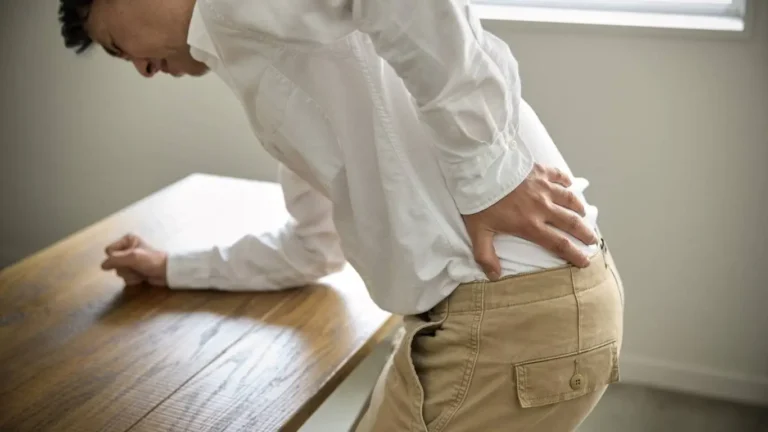
How Back Pain From Prolonged Sitting Wrecks Your Spine
I never imagined something as harmless as sitting could be the reason behind the throbbing ache in my lower back. I used to think back pain was only for those lifting heavy boxes or recovering from injuries. Turns out, I was wrong. Working long hours at a desk, sometimes lost in emails and Zoom calls, slowly took its toll. I wasn’t moving enough. My back started whispering complaints — until it started screaming. And guess what? I’m not alone.
Why Sitting Too Long Wreaks Havoc on Your Spine

Let’s talk about something most of us don’t think twice about: our chair. Specifically, the amount of time we spend glued to it. Whether you’re commuting, working at your desk, or binge-watching your favorite series, sitting has become the new normal. And that’s a real problem for your back.
Prolonged sitting leads to muscle imbalances, spinal compression, and reduced circulation. Slouching forward? That adds strain on the lower back and neck. Your hip flexors tighten. Core muscles get weak. It’s a domino effect — and at the center of it is your spine, silently taking the hit.
According to CDC, sedentary behavior is linked not only to back pain but to other chronic health issues. And while that standing desk trend isn’t a miracle solution, it’s a step toward reducing pressure on your lower back.
The Science Behind It
When you sit for long stretches, especially with poor posture, your lumbar spine flattens. That removes the natural curve, shifting weight unevenly. The spine loves movement — sitting locks it in place. Spinal discs lose hydration, leading to stiffness or even herniation over time.
How to Know if Sitting is the Culprit

I noticed my back pain worsened as the day progressed. The longer I stayed seated, the tighter everything felt. If you relate, here are some telltale signs that prolonged sitting might be at fault:
- Stiffness in the lower back after long periods of rest
- Discomfort that improves once you start walking or stretching
- Pain that radiates into the buttocks or legs (hello, sciatica!)
- Reduced flexibility or difficulty standing upright
Sound familiar? You’re not imagining it. Sitting is sneakily stressing your spine more than you think. If you need a deeper dive into symptom patterns, this guide on symptoms and diagnosis of back pain might help clarify things.
Everyday Habits That Are Secretly Making It Worse

You don’t need to be slumped in a chair all day to feel the damage. Here are a few habits that silently fuel sitting-related back pain:
- Improper Chair Height – Legs dangling? Knees too high? That’s bad news for spinal alignment.
- Using Laptops on the Couch – Yeah, I know. It feels cozy, but your back thinks otherwise.
- Lack of Breaks – Hours go by before you realize you haven’t moved a muscle. That’s a red flag.
- Skipping Exercise – When core and glute muscles get weak, your back takes over the workload.
It’s the daily grind — small decisions that, over time, cause real issues. And trust me, I had to learn this the hard way.
Simple Fixes That Actually Work

I’ve tested countless back supports, foam rollers, ergonomic chairs — you name it. Some helped, some were marketing fluff. Here’s what’s genuinely worked for me and others I’ve spoken to:
- Set a timer to stand up every 30-45 minutes. Just stretch, walk, or even march in place.
- Upgrade to an ergonomic chair with lumbar support. Or use a cushion strategically placed.
- Adjust monitor height so you’re not craning your neck all day.
- Strengthen your core and hip muscles with exercises like planks and bridges.
- Incorporate light yoga or mobility work before bed — it makes a difference.
If you’re looking into holistic or rehab-based fixes, I’d recommend checking out this overview of exercise and ergonomics for back pain. It’s practical, research-backed, and doesn’t push gimmicks.
What About Chronic or Severe Pain?

If your pain is persistent or worsening, don’t try to tough it out. I made that mistake — pushed through pain until it affected my sleep and mood. Sometimes, you need professional help to get to the root cause.
This resource on underlying causes of back pain is a good place to start. It breaks down everything from mechanical issues to inflammatory conditions. Better to know than guess, right?
And of course, for a complete understanding of all things back pain — whether it’s sitting, standing, or something more serious — the main guide on back pain is always a helpful bookmark.
When It’s More Than Just the Chair

For a while, I kept blaming my office chair. But after trying everything — new chair, standing desk, cushions — the ache didn’t vanish. That’s when it hit me: sitting was the trigger, but the real problem ran deeper.
Turns out, for some folks, prolonged sitting exposes existing weaknesses or structural issues. Conditions like disc degeneration, facet joint dysfunction, or even piriformis syndrome can be aggravated by inactivity and poor posture. It’s like sitting flips the switch on problems that were just waiting to surface.
If your pain isn’t improving or seems to flare up with certain movements, you might want to explore more in-depth evaluations. This section on back pain in special populations outlines how different body types, ages, or pre-existing conditions play a role in pain response.
Is It Time to Call a Specialist?
Here’s a general rule of thumb I’ve picked up: if your back pain sticks around for more than a few weeks, interrupts sleep, or shoots down the leg (that scary nerve zap), it’s worth talking to a professional.
You might need imaging, physical therapy, or even pain management strategies. Don’t stress — it doesn’t mean surgery. In fact, most cases are manageable with the right non-invasive approach. A good start is this resource on conservative treatments for back pain, which outlines your options in simple terms, without the scare factor.
Work-from-Home and the Sitting Epidemic

Let’s be honest — since working from home became the norm, a lot of us ditched ergonomic setups for kitchen chairs and couches. I used to work with my laptop on the bed, thinking it was the dream. Spoiler: it was a nightmare for my spine.
Remote work culture means fewer breaks, less movement, and sometimes, worse posture. Here’s how I finally got back on track — and no, it doesn’t require buying a $1,200 chair.
- Create a dedicated space: Even if it’s a small desk in the corner, make it your posture-safe zone.
- Keep things at eye level: Screens should meet your gaze, not your chin.
- Move every hour: Seriously, even a walk to refill your coffee helps.
- Use your calendar: Block time for standing stretches or quick mobility work.
For a deeper guide on tackling work-related posture problems, I’d recommend reading through the occupation and travel pain article. It’s eye-opening how small changes at your desk can mean big relief later.
Back-Saving Moves That Changed the Game

Let me be real — I’m not a gym junkie. But when my physical therapist gave me a set of dead-simple exercises, and I actually did them consistently, my back started cooperating again.
These movements don’t require a gym membership or fancy gear. They’re practical and pain-focused:
- Cat-Cow Stretch: Mobilizes the spine and gets blood flowing. Perfect morning routine starter.
- Pelvic Tilts: Helps wake up your core and reinforce neutral spine alignment.
- Bird Dog: A total sleeper move that builds core and glute strength without stressing your back.
- Glute Bridges: These are gold. Strong glutes = happy spine.
Curious how exercise fits into your recovery plan? The breakdown on rehab and movement strategies is super actionable, even if you’re new to all this.
Natural Remedies and Lifestyle Fixes

I didn’t want to live on pain meds, and I definitely didn’t want surgery. So, I leaned into lifestyle changes. I know — sounds like vague wellness talk. But it made a difference.
Here’s what I added to my daily routine:
- Anti-inflammatory foods: Turmeric, leafy greens, and salmon became staples.
- Magnesium baths: Epsom salts after long workdays were a game-changer.
- Posture cues: I placed sticky notes on my monitor reminding me to sit tall.
- Mind-body stuff: Simple breathing exercises helped reduce the tension I didn’t realize I was holding.
If you’re curious about natural approaches, this article on lifestyle and diet for back pain offers practical suggestions — no snake oil, just what’s backed by experience and a bit of science.
Protect Your Back — Even If You Sit All Day

Back pain from sitting isn’t something you just “live with.” Small, consistent shifts — from posture tweaks to micro-breaks to body awareness — genuinely help. Trust me, I’ve gone from constant stiffness to manageable, even pain-free days just by staying intentional.
If there’s one place to bookmark and come back to when things flare up, it’s this in-depth guide on back pain. It ties everything together, whether you’re looking at causes, treatments, or prevention strategies.

Camellia Wulansari is a dedicated Medical Assistant at a local clinic and a passionate health writer at Healthusias.com. With years of hands-on experience in patient care and a deep interest in preventive medicine, she bridges the gap between clinical knowledge and accessible health information. Camellia specializes in writing about digestive health, chronic conditions like GERD and hypertension, respiratory issues, and autoimmune diseases, aiming to empower readers with practical, easy-to-understand insights. When she’s not assisting patients or writing, you’ll find her enjoying quiet mornings with coffee and a medical journal in hand—or jamming to her favorite metal band, Lamb of God.