How Caffeine Withdrawal Affects Anxiety and Your Peace of Mind
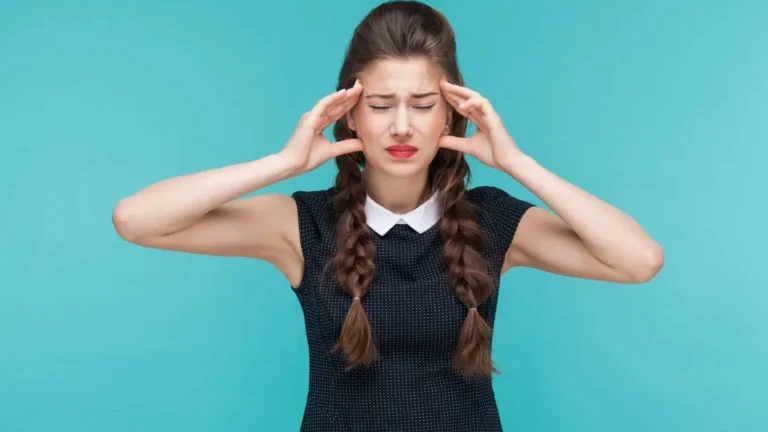
I remember the first time I decided to cut back on caffeine. It wasn’t some grand decision fueled by research—it was more like, “Let me just skip my usual afternoon coffee and see how I feel.” Spoiler: I didn’t feel great. My head was pounding, my focus was shot, and ironically, I felt *more* anxious than before. Turns out, that wasn’t just in my head. If you’ve ever tried to dial back your caffeine intake and suddenly found your anxiety levels creeping up instead of down, you’re definitely not alone.
Why Caffeine Withdrawal Feels Like It’s Making Anxiety Worse
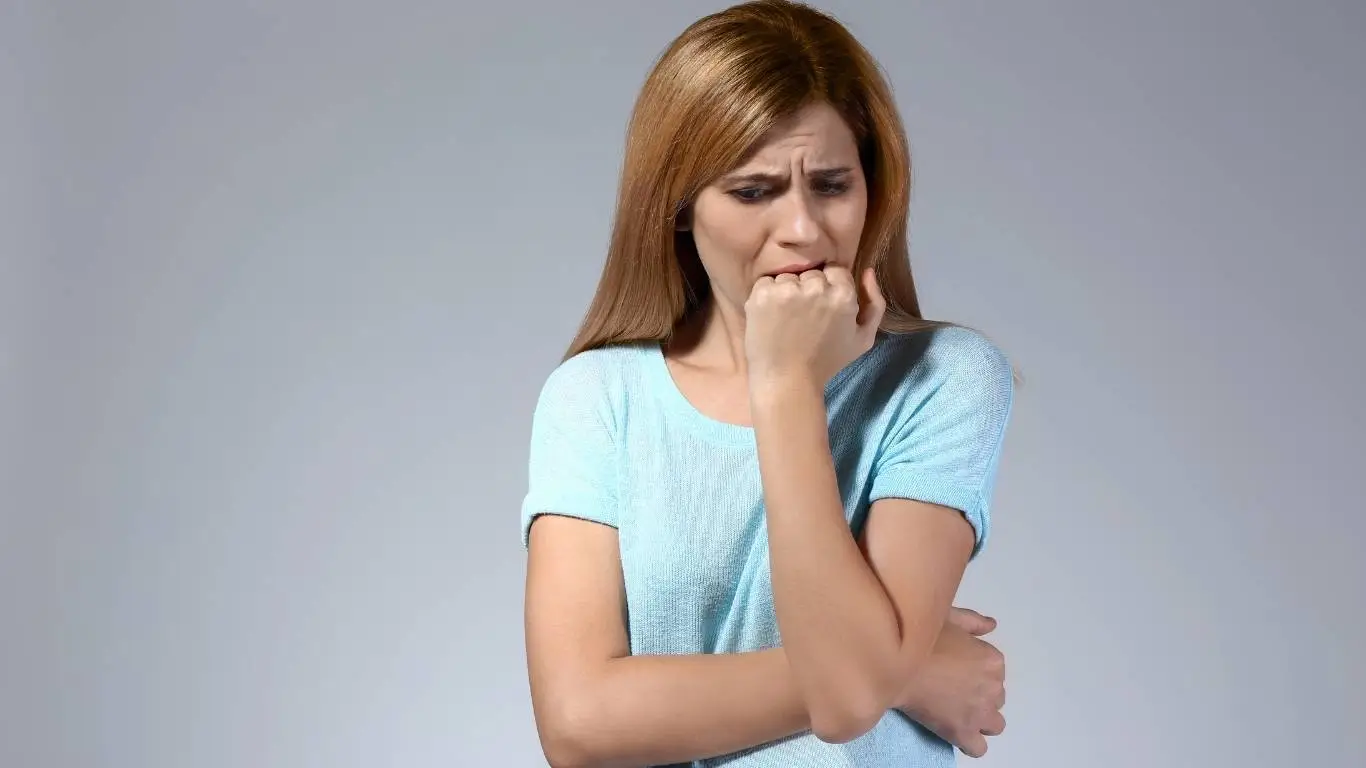
We often hear that caffeine *causes* anxiety. But here’s the twist—*withdrawing* from caffeine can feel just as intense. Caffeine is a stimulant, sure, but once your body gets used to it, your brain builds pathways around that dependency. So when you suddenly pull the plug? Your nervous system throws a mini rebellion.
The Physical Ripple Effects
Cutting caffeine doesn’t just give you a dull headache. For many people, especially those sensitive to stimulation, withdrawal triggers an uncomfortable spike in anxiety symptoms like:
- Heart palpitations
- Irritability that feels disproportionate
- Restlessness and a strange internal jitteriness
- Brain fog that messes with focus and decision-making
- Sleep disruption even if you’re tired
Ironically, some of the very things you hoped cutting caffeine would improve—like your anxious thoughts and racing heartbeat—get worse before they get better. It’s no surprise that caffeine and anxiety are deeply intertwined.
Neurological Recalibration: Your Brain on Withdrawal
Your brain’s adenosine receptors (the ones caffeine blocks to keep you awake) are suddenly unblocked. That can result in a *crash*, not just in energy, but in mood and emotional regulation. You might feel down, disoriented, even panicky. It’s not that you’re doing something wrong—it’s that your brain is recalibrating without its usual chemical crutch.
My Personal Anxiety Rollercoaster After Quitting Coffee

I’ll be honest—I didn’t expect it to hit this hard. One day off caffeine, and my thoughts were racing more than ever. I found myself constantly checking my pulse, convinced something was wrong with my heart (classic health anxiety move, right?). And even though I knew it was withdrawal, knowing didn’t exactly help in the moment.
After a few days, things started to level out. But that rough patch in between? It made me realize how important it is to taper slowly and support your system while you’re reducing caffeine—not just physically, but mentally too.
What Science Says About Caffeine Withdrawal and Anxiety
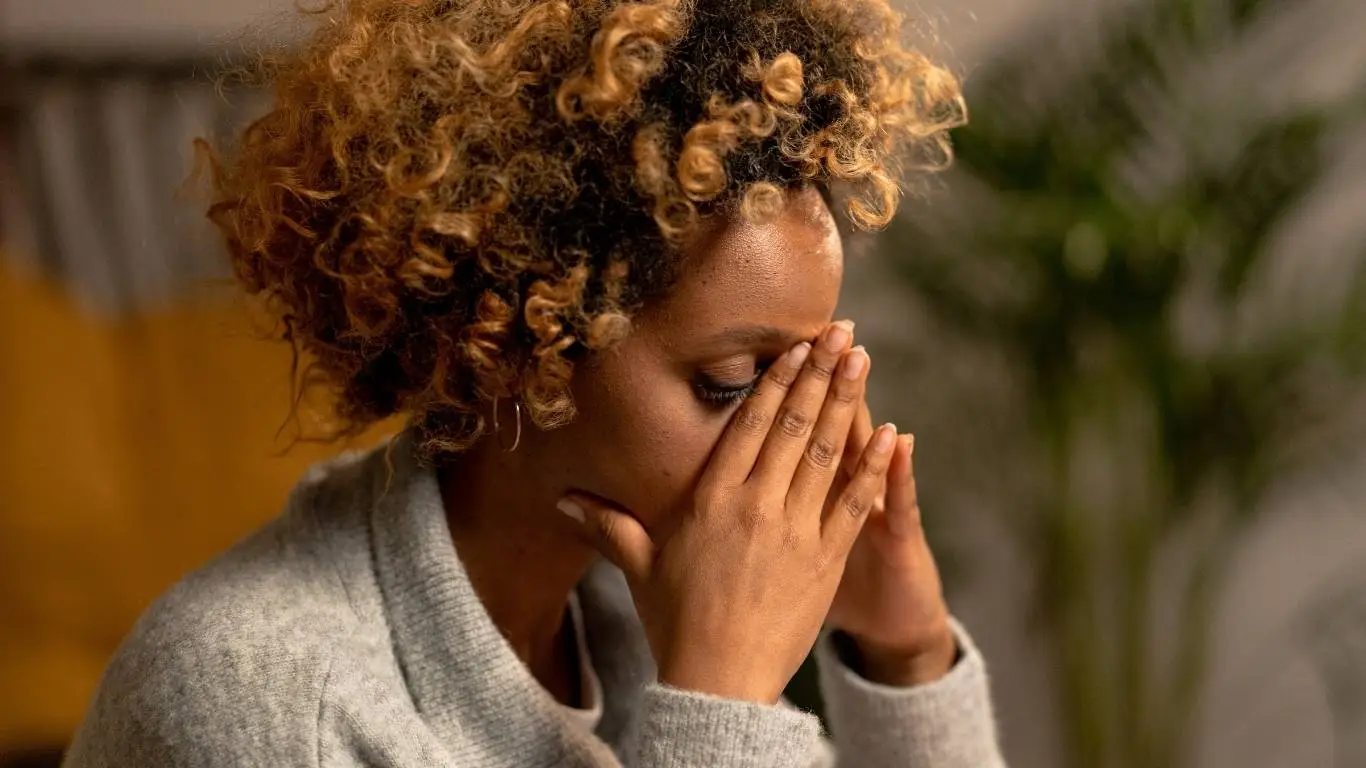
According to the National Institutes of Health, caffeine withdrawal is classified as a medical diagnosis when symptoms interfere with daily functioning. That means the experience isn’t just “in your head”—it’s a measurable response with hormonal, neurological, and physiological roots.
Cortisol, adrenaline, and dopamine are all impacted by caffeine. When you remove it, these levels can shift dramatically. That drop in dopamine, especially, is linked to feelings of low motivation and heightened anxiety. You’re essentially asking your body to reset its reward system cold turkey. Not easy.
And for those already dealing with generalized anxiety, panic disorder, or even underlying triggers, caffeine withdrawal can magnify everything. It’s like turning down the volume on your energy but turning up the volume on your overthinking. Not exactly a fair trade at first.
How to Ease Anxiety While Cutting Caffeine

There’s no one-size-fits-all approach, but I found a few things that genuinely helped me avoid spiraling while stepping down my coffee intake. These are backed by both personal trial-and-error *and* solid research:
- Taper Slowly: Cut back by half a cup every 2–3 days, not all at once.
- Hydration: Dehydration worsens anxiety—drink water constantly, even if you’re not thirsty.
- Eat Balanced Meals: Blood sugar crashes mimic anxiety. Keep meals protein-rich and spaced out.
- Herbal Support: Herbal teas for anxiety like chamomile, lemon balm, or lavender helped calm my nerves more than I expected.
- Light Exercise: A short walk or yoga session really helped clear the brain fog.
Of course, if you’re working through generalized anxiety disorder or long-term panic attacks, you might want to pair caffeine reduction with broader coping strategies. The reality is, withdrawal and anxiety are a tricky combo—but they don’t have to derail your day-to-day life.
When to Seek Support

If your anxiety is spiraling in ways that feel bigger than just cutting coffee, it might be time to talk to a professional. Resources like anxiety therapy and counseling can help tailor a plan that makes sense for *you*. Don’t be surprised if a therapist asks about your caffeine habits—it’s a bigger piece of the puzzle than most people realize.
And if you want to understand how anxiety plays into your daily life in sneaky ways, I highly recommend this main anxiety article that breaks down how it can hijack your routine without warning. For a deeper dive into the specific diet and nutrition tips that reduce anxiety naturally, check out this guide too. Your gut, your brain, and your sanity will thank you.
How Long Do Caffeine Withdrawal Symptoms Affect Anxiety?

In my experience—and what science backs up—caffeine withdrawal doesn’t last forever, but the *anxiety part* of it can hang around longer than you’d expect. For most people, physical symptoms like headaches and fatigue taper off within a few days. But the mental fog, irritability, and edgy anxiety? That can stick around for 1 to 2 weeks, especially if you’re coming off years of steady consumption.
What really surprised me was how sneaky the emotional withdrawal was. I thought I was just having a “bad week” emotionally. It took me a bit to connect the dots—this was still withdrawal. Your central nervous system is basically recalibrating without its usual upper. Anxiety shows up in daily life differently during this adjustment phase—it’s not just about panic attacks or restlessness. It’s a subtle, slow-burn tension that follows you around.
Factors That Affect the Timeline
Here’s what can stretch out or shorten how long withdrawal-induced anxiety lasts:
- How much caffeine you were drinking: Going cold turkey from 3–4 cups a day? Expect a longer adjustment.
- Your metabolism: Faster metabolizers often process withdrawal faster, but it can also mean more intense symptoms upfront.
- Underlying anxiety disorders: If you already deal with generalized or social anxiety, withdrawal symptoms can blend into your baseline.
- Support strategies: Replacing caffeine with stabilizing habits (hydration, exercise, nutrition) helps ease the curve dramatically.
What I Replaced Caffeine With (That Didn’t Feel Like a Sacrifice)

I’ll admit, I was skeptical about giving up my morning ritual. But I found that it wasn’t the caffeine I was addicted to—it was the comfort and structure around it. So I made it my mission to find replacements that kept the ritual, without feeding the anxiety monster.
- Herbal teas with calming herbs: Chamomile and ashwagandha blends were surprisingly satisfying.
- Warm lemon water with ginger: Oddly energizing and good for the gut, which helps reduce anxiety overall.
- Low-caffeine matcha: Still gives a soft mental lift without the jitters.
- Decaf coffee: For when I just missed the flavor. No shame in baby steps.
Some people even go the caffeine-free drink route entirely, which I dipped into on especially anxious days. The shift wasn’t just physical—it became a mental boundary. I was choosing calm instead of chaos. That mental reframe helped more than I thought.
How to Know If Caffeine Is Actually the Root of Your Anxiety
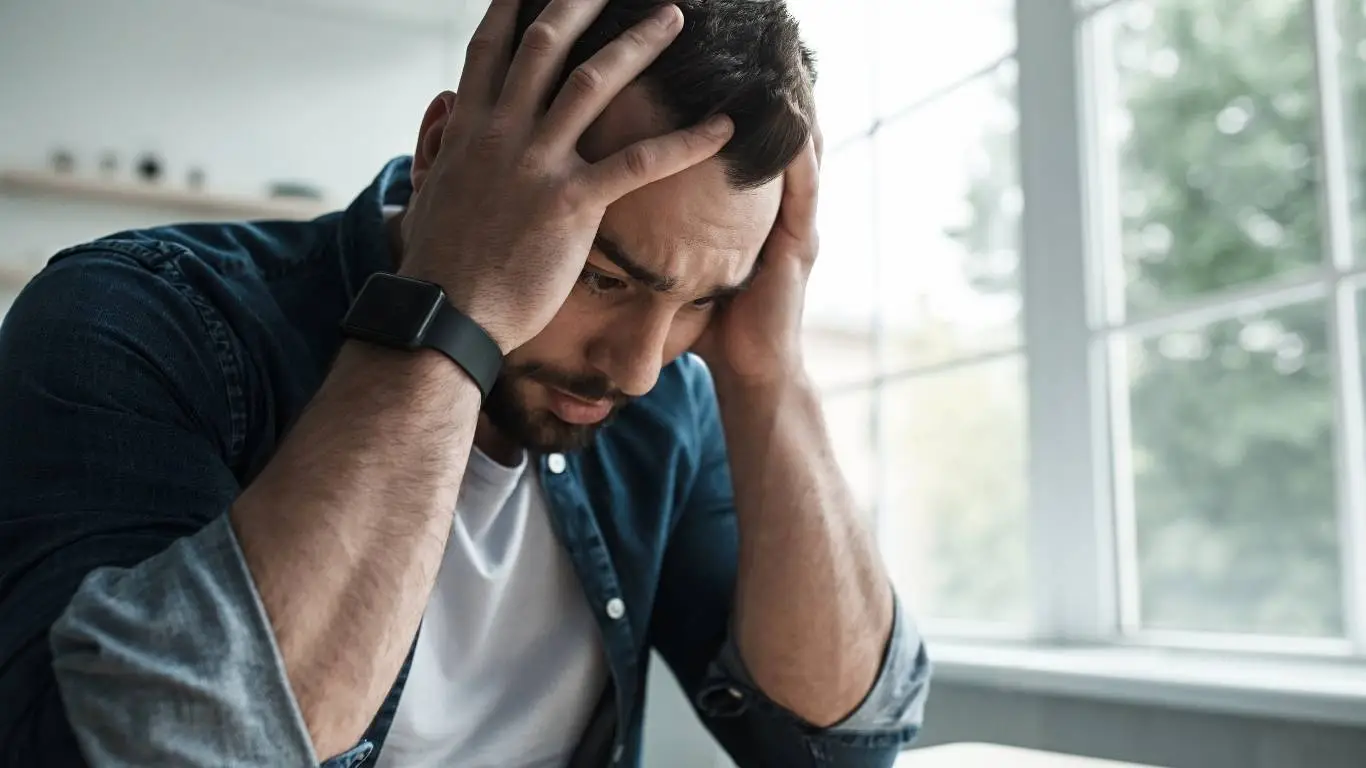
This part was a game changer. I started tracking when my anxiety would flare up—was it late morning after my second cup? Was it the days after I skipped coffee altogether? Was I more anxious on weekends when I drank more lattes out of boredom? Patterns began to emerge.
To really figure it out, try a 10-day test: reduce your caffeine slowly, keep a journal, and document changes in:
- Sleep patterns
- Heart rate
- Mood swings
- Ability to concentrate
- Frequency of anxious thoughts
And if you’re still not sure, talk to your doctor about diagnostic options. The Beck Anxiety Inventory or other tools like the GAD-7 Questionnaire can offer helpful insight into how severe your anxiety symptoms are.
Linking Gut Health, Caffeine, and Anxiety

Here’s a detail I didn’t expect when giving up caffeine: my gut health improved, and so did my anxiety. Turns out, caffeine (especially in excess) messes with your digestive tract and your microbiome—two things deeply tied to your mental state. I stumbled upon this gut-anxiety article and realized I’d been ignoring half the equation.
My bloating reduced, stomach discomfort eased, and my mind wasn’t racing like it used to. This shift only confirmed what many experts are saying—treating anxiety isn’t just about what’s happening in the brain. It’s about what’s happening in the gut too.
What to Do If Anxiety Returns After Quitting Caffeine

So here’s the thing: cutting caffeine isn’t a magic bullet. If anxiety still lingers afterward, it doesn’t mean the effort was pointless. It just means caffeine wasn’t the only factor. That’s okay.
Instead of blaming yourself or jumping back into high-octane coffee to “fix” it, try layering on some evidence-based practices that promote calm without stimulants:
- Progressive muscle relaxation
- Mindfulness meditation (just 10 minutes helps!)
- Daily journaling for mental clarity
- Improving your sleep hygiene
Also, give yourself credit. Deciding to cut caffeine to better your mental health is a huge, self-aware move. It shows you’re in tune with your body—and that’s the first step toward long-term stability. If you’re curious about more comprehensive support, check out the lifestyle strategies for managing anxiety that go far beyond cutting coffee. And don’t miss this eye-opening read on how anxiety can secretly dominate your life even when it looks like you’re functioning “just fine.”

Camellia Wulansari is a dedicated Medical Assistant at a local clinic and a passionate health writer at Healthusias.com. With years of hands-on experience in patient care and a deep interest in preventive medicine, she bridges the gap between clinical knowledge and accessible health information. Camellia specializes in writing about digestive health, chronic conditions like GERD and hypertension, respiratory issues, and autoimmune diseases, aiming to empower readers with practical, easy-to-understand insights. When she’s not assisting patients or writing, you’ll find her enjoying quiet mornings with coffee and a medical journal in hand—or jamming to her favorite metal band, Lamb of God.