How Dry Eye Syndrome May Be Making Your Eye Floaters Worse
So there I was, staring at my laptop screen for what felt like the millionth Zoom meeting of the week, when those annoying little floaters started dancing across my vision again. I blinked. Rubbed my eyes. Sighed. It made me wonder—was it the dry eyes from too much screen time? Or were those floaters just another gift of aging? Turns out, a lot of us are asking the same question: Are floaters linked to dry eye syndrome? Spoiler alert: it’s more complicated than it seems.
Understanding Eye Floaters: What Are They, Really?
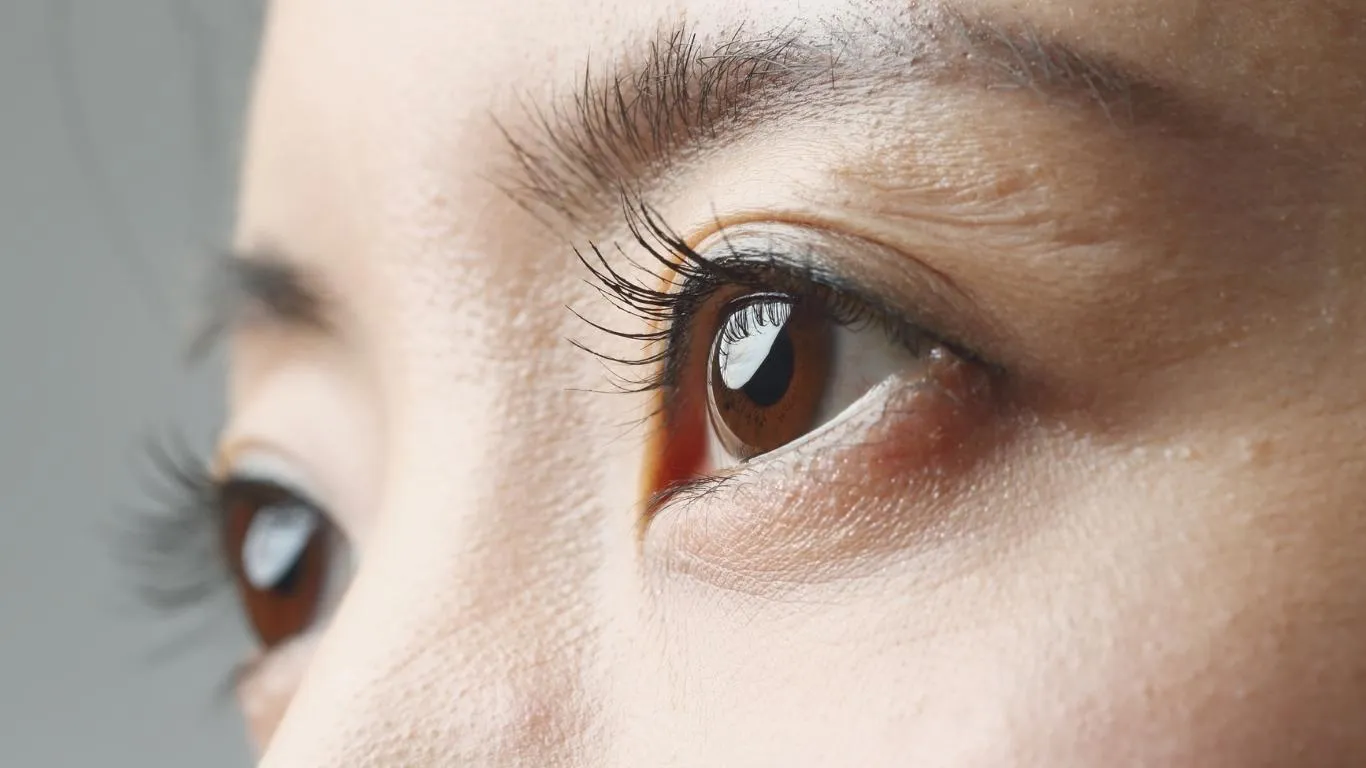
Let’s start with the basics. Eye floaters are those squiggly threads, dots, or cobweb-like shadows that seem to drift through your field of vision. You’ll notice them more when looking at a bright background like a blue sky or white wall. These visual artifacts are caused by tiny clumps of collagen inside the vitreous—the gel-like substance that fills your eye. As the vitreous changes with age, these clumps cast shadows on your retina, which you perceive as floaters.
Common Causes of Eye Floaters
- Age-related vitreous changes
- Inflammation in the eye (uveitis)
- Eye trauma or injury
- Retinal tears or detachments
- Certain eye surgeries like cataract removal
If you want to dig deeper into the common causes of eye floaters, we’ve got you covered in that guide.
Dry Eye Syndrome: It’s Not Just About Dryness
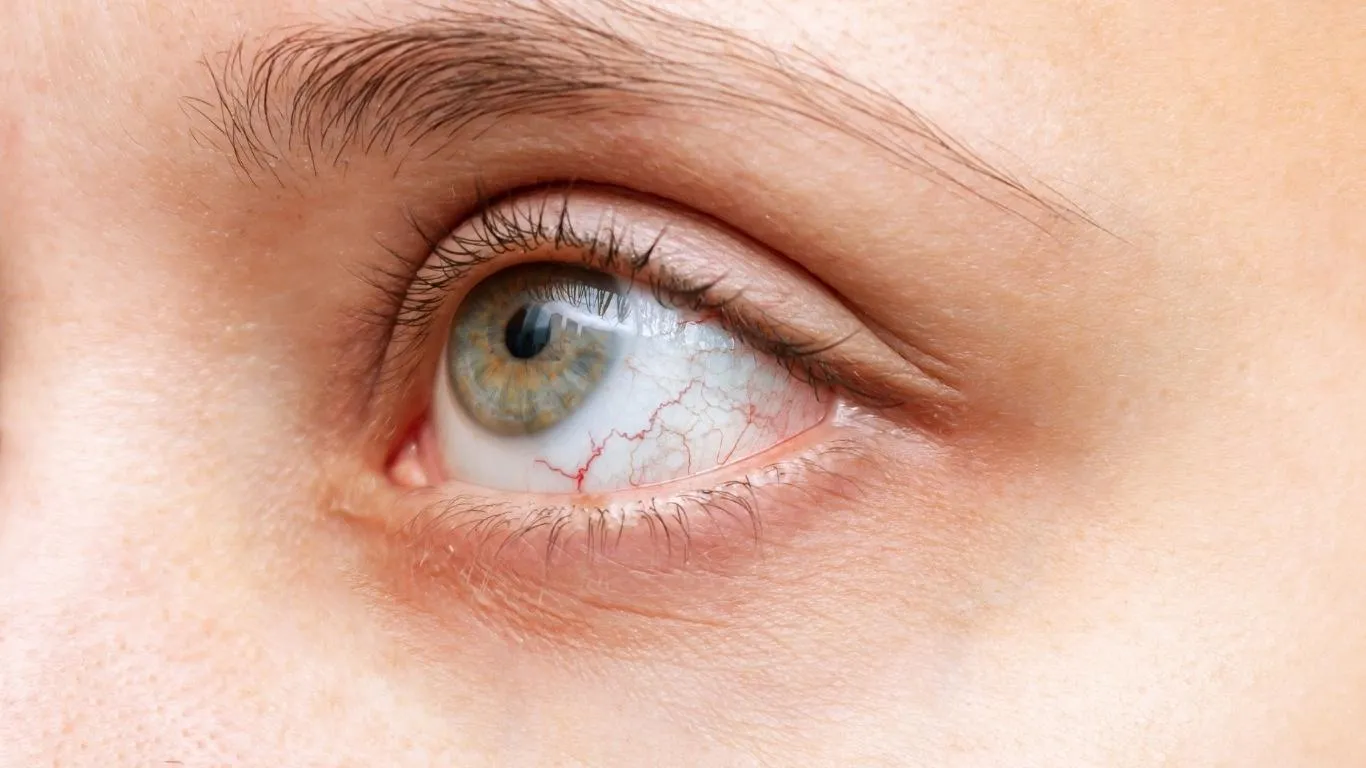
Dry eye syndrome isn’t just a mild inconvenience—it’s a chronic condition that can significantly affect your quality of life. It happens when your tears aren’t providing adequate moisture, either because of decreased production or poor tear quality. And let me tell you, as someone who thought over-the-counter eye drops would be a magic fix, it’s rarely that simple.
Common Triggers for Dry Eye
- Extended screen use (yes, guilty)
- Environmental factors like wind or dry air
- Hormonal changes, especially in women
- Contact lens wear
- Certain medications (antihistamines, antidepressants, etc.)
Dry eyes can cause burning, itching, blurred vision, and—most relevant to our topic—a sensation like something is floating or moving in your eye. Sounds familiar?
Are Floaters and Dry Eye Syndrome Actually Linked?
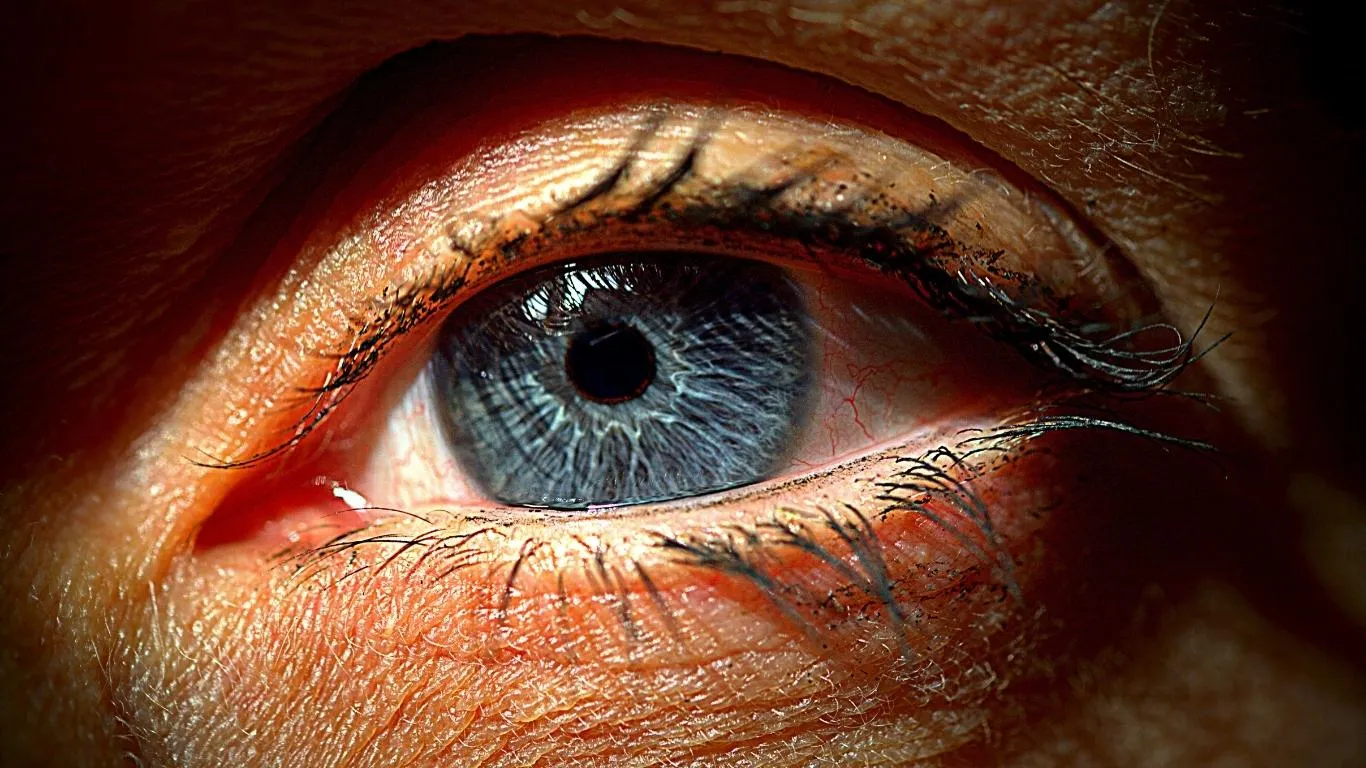
This is where things get interesting. While they’re typically considered separate conditions—one affecting the front of the eye (dry eye) and the other the back (floaters)—some studies and eye care professionals suggest there’s potential overlap.
Here’s why:
- Shared symptoms: Blurry vision, eye strain, and a general feeling of eye discomfort can show up in both conditions.
- Screen fatigue: Extended digital device use is a known trigger for dry eyes and may exacerbate floater perception due to reduced blinking and tear film instability.
- Inflammation link: Chronic inflammation can impact both tear production and vitreous clarity.
Some ophthalmologists argue that chronic dry eye may cause subtle changes in the eye’s internal environment, leading to increased floater visibility—or at least making you more aware of them. One insightful read on this is this breakdown on floaters post-conjunctivitis, which dives into inflammatory triggers you might overlook.
My Experience: When Dry Eyes Made Floaters Feel Worse
Not too long ago, during a particularly intense period of writing and editing, I started experiencing what I described as “cloudy floaters.” Every blink felt like it stirred up something new. A trip to the eye doctor confirmed both dry eye syndrome and mild vitreous detachment. So, was one causing the other? Not exactly. But the combination absolutely made the floaters more noticeable and more frustrating.
Turns out, dry eyes don’t directly cause floaters, but they do amplify the discomfort and visual awareness of them. And once you’re aware, it’s hard to unsee it, right?
Ways to Reduce the Impact of Both
Improve Your Tear Film
- Use preservative-free artificial tears regularly
- Try a warm compress to unclog oil glands
- Include omega-3 supplements in your diet
Floaters Management Tips
- Avoid staring at bright screens or walls for long stretches
- Move your eyes in gentle circles to shift floater positions
- See a specialist if floaters suddenly multiply or are accompanied by flashes of light
Here’s a deeper dive into how to reduce floaters and support your vision naturally, especially after inflammatory eye events.
And if you want to explore the broader treatment landscape, don’t miss our complete guide to eye floater treatments.
When You Should See a Doctor
If you’re dealing with persistent dry eyes and increasingly noticeable floaters, don’t tough it out like I did for months. Sudden changes in vision, flashes of light, or a “curtain” coming down over your field of vision are red flags for retinal tears or detachment. These are medical emergencies.
To really understand when floaters are signaling something serious, I recommend checking out this essential guide that outlines warning signs you shouldn’t ignore.
For a complete overview of floaters, their causes, and the conditions that make them worse, visit our main pillar article on eye floaters.
What Science Says About the Floaters–Dry Eye Connection
While anecdotal evidence (like mine) points to a correlation, what does the research actually say? Here’s the truth: no definitive clinical link has been established yet between dry eye syndrome and the formation of eye floaters. However, some interesting patterns are emerging in recent ophthalmology discussions.
- Inflammatory overlap: Both dry eye and floaters may be influenced by underlying inflammatory responses in the eye. Chronic dry eye can lead to low-grade inflammation, which may indirectly affect vitreous health.
- Increased visual awareness: Individuals with dry eyes often become hyper-aware of their vision due to discomfort, making floaters more noticeable than they would be otherwise.
- Age as a common denominator: Age-related changes often bring both dry eye syndrome and floaters simultaneously, creating a natural overlap in those 40+.
In fact, one paper I read during my own deep-dive into this topic highlighted how posterior vitreous detachment and dry eye syndrome commonly co-occur in older adults. You can explore that more in our article on posterior vitreous detachment.
Medications That Worsen Both
Now here’s something that rarely gets talked about: certain medications you might be taking for other health conditions can quietly fuel both dry eye and floater issues. I learned this the hard way when my seasonal allergy meds were silently sabotaging my eyes.
Watch Out for These
- Antihistamines: These dry out mucus membranes, including tear ducts, worsening dry eye and discomfort.
- SSRIs/Antidepressants: Known to cause dry eyes and have been speculated (though not confirmed) to influence visual disturbances.
- Eye drops containing steroids: Can increase floaters in some users, especially with prolonged use. Read more in this detailed analysis.
Be sure to speak with your ophthalmologist or optometrist if you’re noticing new or worsening symptoms after starting any medication. You might be surprised how many subtle connections exist.
When Hormonal Changes Are the Culprit
If you’re a woman in your 40s or 50s, hormonal changes might be sneaking up on you in ways you didn’t expect. A drop in estrogen during menopause can reduce tear production and impact the vitreous structure in your eyes—leading to both dry eye syndrome and an uptick in floaters.
It was around perimenopause that I personally started noticing the double whammy of irritated dry eyes and increased floater activity. Coincidence? Maybe. But my eye doctor wasn’t surprised. You’ll find more on this specific issue in our article on floaters after menopause.
Could Nutritional Deficiencies Be Making It Worse?
If you’re living on caffeine, quick snacks, and late-night ramen (been there), you could be setting your eyes up for trouble. Certain nutrients support both tear film production and vitreous health. When those run low, you’re more likely to feel the effects—literally.
Key Nutrients for Eye Health
- Omega-3 fatty acids: Great for reducing inflammation and improving tear quality
- Vitamin A: Essential for mucous membranes and tear film health
- Lutein and zeaxanthin: May support retinal and vitreous health
- Zinc: Supports enzyme function in the retina
We talk more about the connection between poor nutrition and eye floaters in this article. I personally noticed improvement after just a few weeks of upping my omega-3s and leafy greens. Not a cure, but definitely helped with eye comfort overall.
Dry Eye + Floaters After LASIK or Eye Procedures
Here’s something else that comes up often: those who’ve had LASIK, PRK, or cataract surgery often report both dry eyes and new floaters in the months afterward. I’ve had friends describe this combo as “gritty vision meets phantom bugs.” It can be alarming if you’re not expecting it.
The reason? Eye procedures disrupt the ocular surface and internal eye pressure, which can impact both tear production and vitreous structure. Read more on this in post-cataract surgery floaters or PRK floaters.
So… What Can You Actually Do?
Honestly, what helped me the most was treating dry eye proactively while also adjusting to the presence of floaters. You might not eliminate them entirely, but you can absolutely minimize their impact. Think of it like learning to tune out background noise.
Try This Routine
- Lubricate your eyes regularly, especially before screen use
- Use a humidifier in your workspace or bedroom
- Follow the 20-20-20 rule (every 20 mins, look 20 feet away for 20 seconds)
- Include a daily omega-3 supplement
- Stay hydrated and rest your eyes often
And for those wondering if dry eye syndrome could eventually lead to more serious floater issues or retinal concerns, we suggest reading this breakdown on what floaters may be warning you about—especially if they’re changing fast.
Know When to Take Action
You know your body better than anyone. If your floaters suddenly increase, come with light flashes, or you start seeing shadows or losing side vision, don’t wait. Same goes for dry eye that’s not improving after using drops or adjusting your routine. A visit to your eye doctor can bring clarity—literally and figuratively.
Understanding the nuances between these two frustrating conditions is a big step toward taking back control of your vision health. You don’t have to suffer through it, and you’re definitely not imagining things.
For a complete breakdown of how eye floaters develop and what they really mean for your vision long term, check out our detailed eye floater pillar article.

Camellia Wulansari is a dedicated Medical Assistant at a local clinic and a passionate health writer at Healthusias.com. With years of hands-on experience in patient care and a deep interest in preventive medicine, she bridges the gap between clinical knowledge and accessible health information. Camellia specializes in writing about digestive health, chronic conditions like GERD and hypertension, respiratory issues, and autoimmune diseases, aiming to empower readers with practical, easy-to-understand insights. When she’s not assisting patients or writing, you’ll find her enjoying quiet mornings with coffee and a medical journal in hand—or jamming to her favorite metal band, Lamb of God.