How Head Position Can Make Eye Floaters More Noticeable
Ever noticed how shifting your head just a little can suddenly make those weird floating specks in your vision appear out of nowhere? It’s not just you. I used to think it was the lighting or just tired eyes until I started paying more attention. Floaters are strange little things—they drift, dart, and disappear depending on how you move. What blew my mind was realizing that my own head position was often the trigger for spotting them. And trust me, once you notice it, you can’t unsee it.
How Head Position Affects Eye Floaters
Floaters are caused by tiny clumps or strands inside the vitreous humor—the gel-like substance that fills your eyeballs. When light hits the retina, these clumps cast shadows that you perceive as floaters. The funny thing is, their visibility isn’t always consistent. One day you barely notice them, and the next, they’re dancing in front of everything you look at.
Turns out, how you hold your head—yes, literally the angle or position of your head—can make a big difference in how visible they are. I noticed mine show up most when I tilt my head back while looking at a bright screen or white ceiling. It’s like they’re just waiting for that exact moment to do their little floaty show.
The Role of Gravity and Vitreous Movement
Gravity plays a sneaky role here. When you move or tilt your head, you’re also shifting the position of the vitreous gel inside your eye. Think of it like a snow globe—shake it or tilt it, and the particles inside swirl in new patterns. The same thing happens in your eye, except instead of snowflakes, it’s collagen fibers and protein clumps swirling in gel.
- Tilted Up: Looking upward tends to bring floaters into view, especially under bright light conditions.
- Looking Sideways: Quick horizontal movements can stir up floaters you didn’t even know were there.
- Chin to Chest: Oddly, this position sometimes makes floaters sink lower, hiding them temporarily.
In fact, ophthalmologists have long observed that symptoms related to floaters can change depending on eye and head orientation. This is often the case in people with posterior vitreous detachment, where the floaters become more dynamic and mobile with head movement.
Why Floaters Get Worse in Certain Lighting
Lighting and head position seem to work together. You might not see your floaters in dim light, but step outside on a sunny day, tilt your head back, and boom—there they are, clear as day. This combo effect makes it tricky to ignore them. I actually used to think I had dust in my eyes until I realized they vanished every time I looked down or away from bright areas.
Increased brightness highlights the shadows cast by floaters. And if you’re already dealing with something like dehydration or stress, which can alter eye pressure and gel density, it amplifies the effect even more. Head angle just adds that extra visibility boost.
My Trick to Spot Floaters on Demand
If you’re curious (or just weird like me), try this: sit in a well-lit room, tilt your head slowly back, then move your eyes side to side. If you’ve got floaters, you’ll probably catch them trailing behind your vision. It’s kind of fascinating, but also a little unsettling.
This also explains why people often report more floaters after high-intensity workouts, when blood flow and eye pressure shift temporarily. Combine that with head tilts during stretching, and the floaters become very noticeable.
Why Some Floaters Seem to Follow You
One of the most confusing things about floaters is how they seem to follow your gaze. It’s not your imagination. When your head moves, your eyes naturally shift, and so does the angle at which light enters. That means the position of the floaters in your visual field moves too. It’s a lag effect, kind of like a balloon drifting behind a person walking—it’s always there, but delayed just a bit.
This is especially common in people dealing with age-related vitreous changes. The more liquefied the vitreous becomes, the more freely floaters move, and the more likely they are to shift dramatically with head angle.
Are Certain Head Angles Riskier?
While most head movements just affect floater visibility, extreme or repetitive movements might also exacerbate underlying eye conditions. According to the American Academy of Ophthalmology, trauma or forceful movements could contribute to floaters linked to retinal tears or detachment in rare cases.
That said, normal day-to-day head movement isn’t dangerous. But if you suddenly notice a sharp increase in floaters after jerking your head or getting up too fast, it might be worth reading about signs of retinal tears and discussing with your eye doctor.
How I Manage It Daily
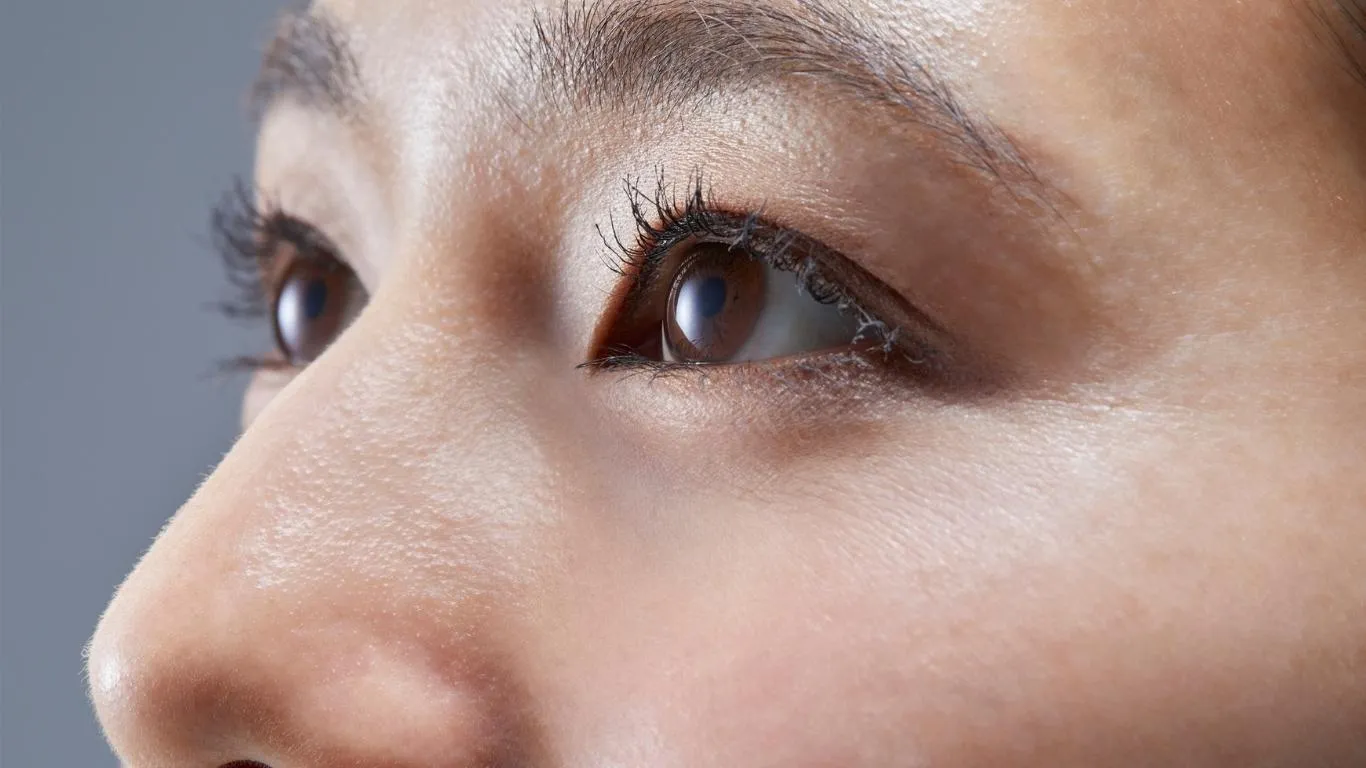
So what do I do to cope? I’ve learned to adjust my screen height and lighting. My desk setup now avoids harsh backlighting, and I’ve stopped tilting my head up when checking overhead shelves or ceiling lights. I also try to blink often and keep my eyes lubricated, especially after long screen time—something that seems to make floaters worse.
One of the best overviews I’ve found for floater treatment options—from natural approaches to surgery—is in this in-depth guide: eye floater treatments article. It breaks down when to monitor, when to worry, and what actually works.
For a solid foundation on what causes floaters, their symptoms, and the range of things that can impact them (including posture and head movements), I also recommend this complete overview: what are eye floaters.
Other Surprising Factors That Amplify Floaters With Head Movement
Outside of basic posture or glancing up and down, there are other scenarios where floaters seem to leap out like they’re trying to be noticed. Ever try yoga? I can’t tell you how many times I’ve gone into downward dog and immediately spotted a whole fleet of floaters just cruising by. Apparently, inverted positions and deep head tilts shift the vitreous enough to make floaters really pop out.
This is also common when you’re dealing with hormonal shifts like menopause or pregnancy, where internal eye pressure and gel consistency change slightly. The result? Floaters that were once barely noticeable become regular visual guests depending on how your head moves.
Eye Rubbing and Repetitive Motions
Another sneaky culprit? Eye rubbing. I had no idea this could stir up floaters until I started paying attention. Combine that with sudden head turns, and it’s a recipe for spotlighting those floaters in all their blurry glory. Rubbing your eyes can shift the gel temporarily or even lead to subtle inflammation, both of which make floaters more obvious.
Also, people who work in jobs requiring constant head movement—think mechanics, hair stylists, or even photographers—often report noticing floaters more during specific tasks. It’s not about the work itself, but the way repetitive movement constantly repositions the gel inside the eye.
When to Worry About Positional Floaters
Most floaters that shift with your head aren’t dangerous. They’re annoying, sure. But I’d take annoying over serious any day. That said, if you notice sudden changes like a rapid burst of new floaters or they’re paired with flashes of light, shadows, or vision loss, don’t wait it out. That’s the kind of stuff worth checking into—fast.
This is particularly true if you’ve had a recent eye injury or head trauma. Those incidents can destabilize the vitreous or even tear the retina, both of which would cause new floaters that tend to be highly mobile—and more visible with every head shift.
Some Red Flags You Shouldn’t Ignore:
- Floaters that increase dramatically within a day or two
- Floaters paired with light flashes or loss of peripheral vision
- Seeing what looks like a “curtain” in part of your vision
In cases like these, it’s worth reading about how floaters can warn you of retinal tears. It’s not common, but definitely something to take seriously.
Things That Help (Even If Just a Bit)
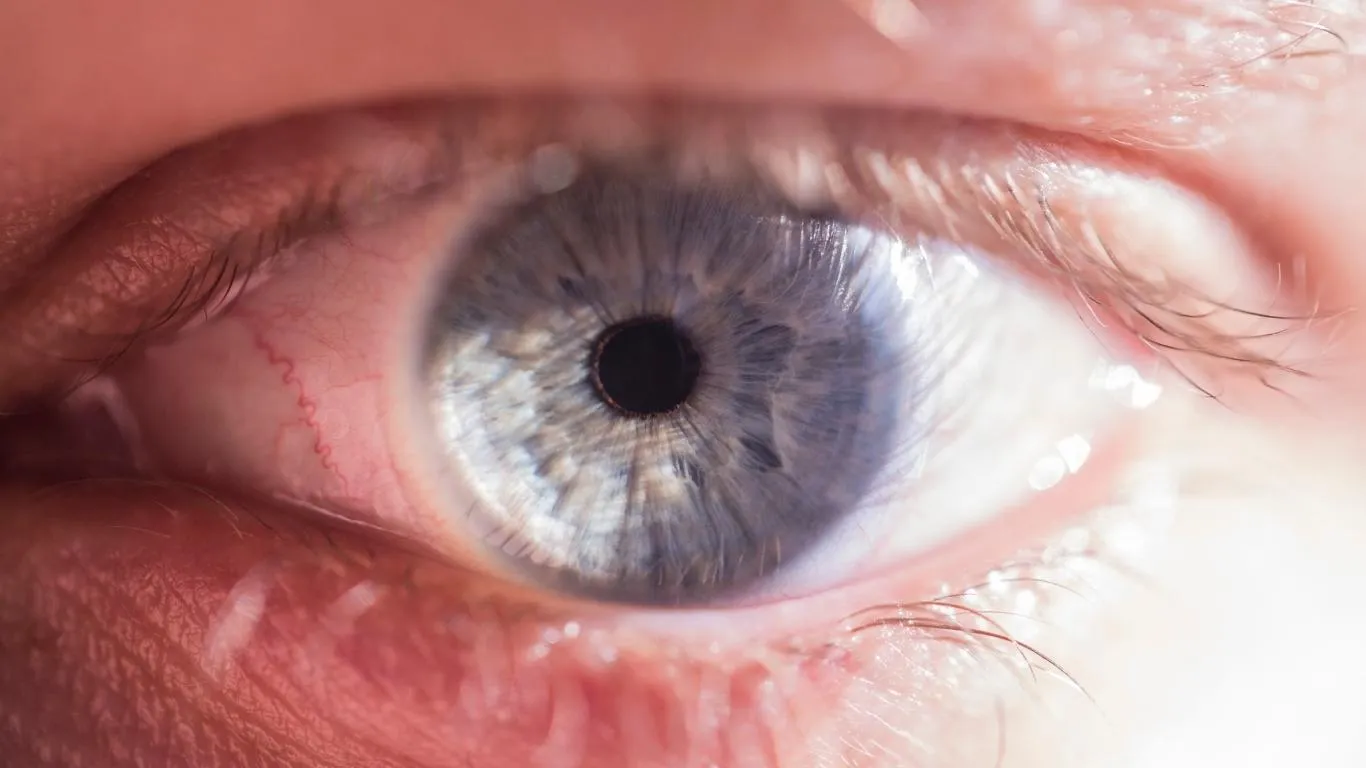
I’ll be honest—there’s no magic fix for floaters caused by head movement. But there are a few things that have helped me (and others I’ve talked to) manage them better:
- Hydration: Dehydration makes everything worse. Including floaters. Keep water intake consistent.
- Blue light filters: Screens can exaggerate floaters. I started using filters and saw a noticeable difference in strain.
- Lighting tweaks: Lowering contrast or avoiding harsh overhead lighting reduces how often I see floaters when tilting my head.
- Supplements: I started taking supplements designed to support vitreous health. Not life-changing, but helpful over time.
- Eye breaks: I now take screen breaks every 20 minutes. Floaters seem less active when I’m not constantly straining my eyes.
One useful reference if you’re still figuring out whether floaters are serious or just a nuisance is this deep-dive article: when eye floaters are dangerous. It offers some clarity (pun intended) on what to watch out for.
My Advice If You’re Noticing Floaters More Often
After years of living with these floating distractions, I’ve realized the key is awareness—not fear. Understanding how your head position, posture, and habits play into their visibility gives you control, or at least more predictability. That sense of, “Okay, here’s why it’s happening,” goes a long way in easing anxiety about them.
If your floaters aren’t new and don’t come with any scary symptoms, they’re probably benign. But if they’re new, worsening, or disrupting daily life, don’t shrug it off. There’s a lot going on inside the eye that we can’t see, and floaters are sometimes the only symptom we get.
For a full breakdown of symptoms, causes, and medical perspectives, this comprehensive article ties everything together really well: what are eye floaters.

Camellia Wulansari is a dedicated Medical Assistant at a local clinic and a passionate health writer at Healthusias.com. With years of hands-on experience in patient care and a deep interest in preventive medicine, she bridges the gap between clinical knowledge and accessible health information. Camellia specializes in writing about digestive health, chronic conditions like GERD and hypertension, respiratory issues, and autoimmune diseases, aiming to empower readers with practical, easy-to-understand insights. When she’s not assisting patients or writing, you’ll find her enjoying quiet mornings with coffee and a medical journal in hand—or jamming to her favorite metal band, Lamb of God.