How Hormonal Imbalance Anxiety Can Quietly Wreck Your Life
If you’re feeling off lately—like you’re stuck in a fog of uneasiness, your heart racing for no reason, or your moods swinging like a pendulum—you might chalk it up to stress or burnout. But what if I told you hormones could be behind all that internal chaos? I’ve been there myself. For the longest time, I dismissed my random anxiety spikes as “just being sensitive,” until I dove deeper and found out hormonal imbalance anxiety is more common than we realize. It’s sneaky, and it doesn’t always show up in obvious ways.
How Hormones and Anxiety Are More Connected Than You Think

It’s wild how much hormones rule the show behind the scenes. Hormones like estrogen, progesterone, cortisol, and thyroid hormones work together to regulate your mood, energy, and even how you perceive stress. When even one of them is out of sync, your entire nervous system can go haywire.
Estrogen and Progesterone Imbalances
Estrogen doesn’t just regulate your cycle—it plays a key role in modulating serotonin and dopamine, your brain’s feel-good chemicals. Too little estrogen, especially during perimenopause or after childbirth, can lead to mood swings, irritability, and—you guessed it—anxiety. Been there post-baby, and it was brutal.
Progesterone, often dubbed the “calming hormone,” has a sedative-like effect. When your levels plummet, usually before your period or during perimenopause, that sense of inner calm just… disappears. And you’re left lying awake at night, chest tight, mind racing.
Thyroid Hormones: The Silent Trigger
Thyroid issues are often misdiagnosed or overlooked, yet they’re one of the biggest culprits in hormonal imbalance anxiety. Hypothyroidism can lead to brain fog and sluggishness, while hyperthyroidism might cause restlessness and panic-like symptoms. The tricky part? Anxiety is often the first red flag.
If you haven’t had your thyroid checked, it might be time. Many doctors now suggest a full thyroid panel, including T3 and T4—not just TSH.
Common Symptoms of Hormonal Imbalance Anxiety
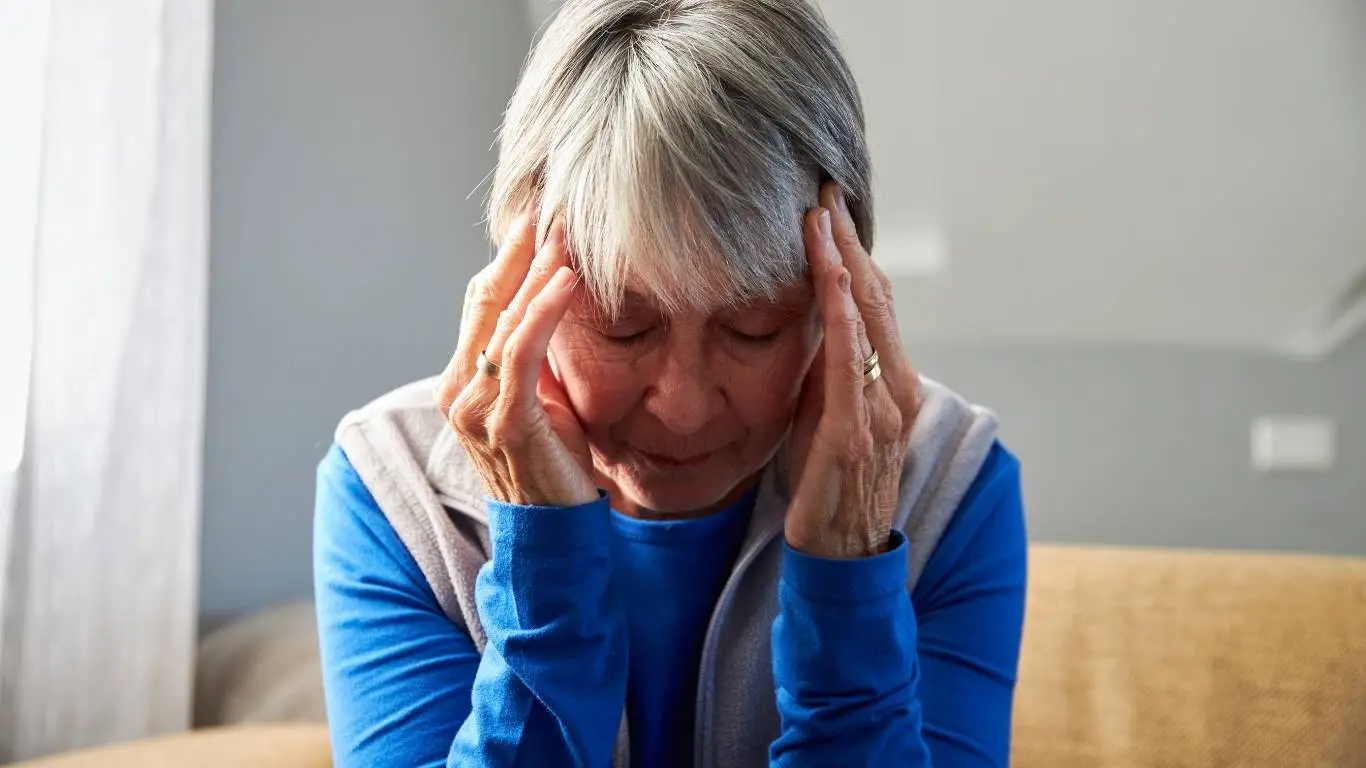
You’re not imagining things. Hormonal anxiety tends to feel different than regular stress or generalized anxiety. These are some signs to watch for:
- Sudden anxiety without clear triggers
- Insomnia or waking up at 3AM for no reason
- Racing heart or palpitations
- Hot flashes, night sweats, or cold hands and feet
- Increased sensitivity to noise or touch
- Mood swings, irritability, or crying spells
Many women say it feels like they’re “losing it” or going through an emotional breakdown—but it’s your body trying to get your attention.
How to Know If It’s Hormonal Anxiety (Not Just Life Stress)

This one took me a while to figure out. I kept blaming my workload and relationships—until I started tracking my symptoms against my cycle. That’s when it clicked: my anxiety flared up like clockwork during the luteal phase, just before my period.
Here are a few ways to figure out if hormones are playing a role:
- Track symptoms daily for 2-3 months
- Note changes in energy, mood, sleep, and digestion
- Pay attention to how you feel post-ovulation vs. mid-cycle
If your symptoms sync up with your cycle or change with phases of life like perimenopause or postpartum, there’s a good chance hormones are involved. This article does a great job unpacking the overlooked biological factors.
Medical Insight: Tests That Actually Help

Most standard checkups miss hormonal triggers for anxiety. If your gut says something’s off, don’t settle for “it’s just anxiety.” A good doctor will dig deeper. Here’s what helped me:
- Comprehensive thyroid panel (TSH, Free T3, Free T4, antibodies)
- Saliva or blood test for cortisol (especially if you suspect adrenal fatigue)
- Estrogen, progesterone, and testosterone levels—tested mid-cycle and in luteal phase
Check out this guide on anxiety-related diagnostic tests that goes beyond the basics.
Hormone-Targeted Strategies That Actually Work
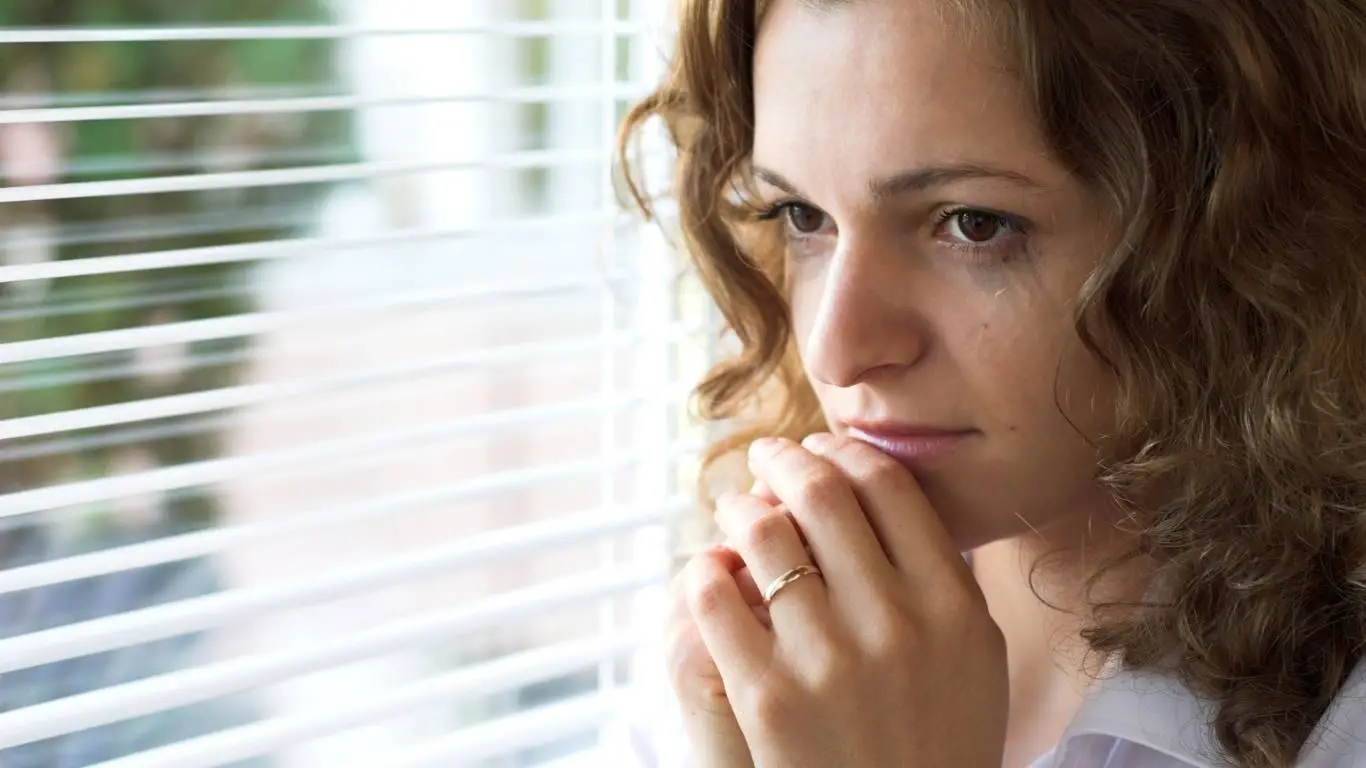
I’m not anti-medication—there’s a time and place—but when my anxiety was clearly tied to my cycle, I wanted solutions that worked with my body. Here’s what helped me the most:
1. Cycle-Syncing Your Lifestyle
Eating and exercising in tune with your hormonal phases can reduce the emotional rollercoaster. During your follicular phase, opt for cardio and lighter meals. In your luteal phase, prioritize protein, healthy fats, and grounding activities like yoga.
2. Magnesium and Omega-3s
Two absolute game-changers for me. Magnesium calms the nervous system and supports adrenal health, while omega-3s regulate mood and inflammation. Magnesium-rich foods made a noticeable difference for me in just a few weeks.
3. Sleep and Cortisol Balance
Disrupted sleep can spike cortisol, worsening hormonal chaos. I made it a non-negotiable to get off screens by 9PM and use blue-light glasses. My sleep improved, and so did my mood.
There’s also compelling research from PubMed and The Endocrine Society highlighting how hormone therapy and stress-reducing techniques impact anxiety recovery.
When to Talk to a Specialist

If your anxiety isn’t responding to the usual tools—meds, therapy, meditation—don’t wait. Functional medicine doctors, hormone specialists, or integrative GPs can run advanced panels and tailor treatments to your body’s real needs.
You can also explore self-help and lifestyle strategies proven to support anxiety from the inside out. And for a deeper look into how anxiety quietly impacts our daily lives, this main article paints a powerful picture of the broader mental health puzzle.
Natural Remedies for Hormonal Imbalance Anxiety That Actually Work

Let me be honest—there were days when I didn’t want another pill. I craved natural solutions, something that didn’t come with side effects or a five-page leaflet of warnings. That’s when I stumbled into the world of herbal support and holistic approaches. And guess what? Some of them genuinely worked.
Adaptogens to the Rescue
Adaptogens are nature’s chill pill. These herbs help your body handle stress and regulate cortisol. My personal go-to? Ashwagandha. It helped me sleep deeper and quiet that constant underlying tension. Others worth exploring:
- Rhodiola Rosea – Balances mood and fights fatigue
- Holy Basil – Supports adrenal health
- Maca Root – Particularly good for hormonal balance
This guide on herbal anxiety remedies covers them in more detail and gives a breakdown of how to use them safely.
Essential Oils (Surprisingly Effective!)
I used to roll my eyes at people who swore by lavender oil… until it helped me sleep through the night for the first time in weeks. Diffusing oils like lavender, clary sage, or bergamot can significantly calm the nervous system, especially when paired with deep breathing or a hot bath.
Nutrition: The Missing Piece in Your Anxiety Puzzle

Food is more powerful than we give it credit for. Once I ditched my coffee-all-morning and snack-all-day habit and focused on blood sugar stability, my anxiety got way more manageable. Here’s what made a big difference:
Eat to Balance Blood Sugar
Blood sugar spikes and crashes are one of the sneakiest causes of hormonal chaos. When your glucose is unstable, your cortisol and insulin go into overdrive, and the result? Anxiety, shakiness, mood swings.
Try this:
- Start your day with protein + healthy fat (think eggs + avocado)
- Limit caffeine until after breakfast
- Eat every 3-4 hours to prevent crashes
Support Gut Health
Your gut and brain are in constant conversation via the vagus nerve. An unhappy gut can fuel inflammation, mess with estrogen clearance, and directly impact your mental health. I started taking a quality probiotic and incorporating fermented foods like kefir and sauerkraut—and it showed.
To dive deeper into anxiety and nutrition, check out this guide on anxiety-supportive diets.
Lifestyle Shifts That Support Hormonal Harmony

It’s not always about doing more—it’s about doing things differently. Small daily habits turned out to be the game-changer for me. It’s what turned my anxiety from overwhelming to manageable.
Movement (But Not Just Any Exercise)
When my hormones were out of whack, high-intensity workouts made me feel worse. Turns out, too much cortisol from intense training can spike anxiety. I switched to walks, gentle yoga, and weight training—and my body responded so much better.
Digital Detox + Nervous System Support
Let’s be real: endless scrolling and news binging does a number on our hormones. I set a no-phone rule for the first and last hour of my day. Instead, I leaned into:
- Journaling – Even 5 minutes of brain dumping can lower cortisol
- Box breathing – Especially effective before bed or meetings
- Progressive muscle relaxation – Helps with nighttime anxiety (here’s how)
What Helped Me Most (And Might Help You Too)

After months of trial and error, here’s what really moved the needle for me:
- Understanding my cycle and how my hormones shifted week to week
- Reducing caffeine—hard at first, but life-changing
- Adding magnesium glycinate + omega-3s to my daily routine
- Creating a sleep ritual with no screens and calming teas
- Working with a functional doctor who finally ran the right labs
If you’ve tried everything and still feel stuck, know that hormonal imbalance anxiety isn’t all in your head. It’s real. And it’s treatable—once you find the root. Explore effective medical treatment options that can complement your natural approach. And if you haven’t yet, read this to understand how anxiety may be affecting your life far more than you realize.

Camellia Wulansari is a dedicated Medical Assistant at a local clinic and a passionate health writer at Healthusias.com. With years of hands-on experience in patient care and a deep interest in preventive medicine, she bridges the gap between clinical knowledge and accessible health information. Camellia specializes in writing about digestive health, chronic conditions like GERD and hypertension, respiratory issues, and autoimmune diseases, aiming to empower readers with practical, easy-to-understand insights. When she’s not assisting patients or writing, you’ll find her enjoying quiet mornings with coffee and a medical journal in hand—or jamming to her favorite metal band, Lamb of God.