How Performance Anxiety in Musicians Silently Sabotages Success
There’s something uniquely terrifying about standing on stage, holding your instrument, palms sweating, heart pounding, mind racing — all while pretending like everything’s fine. As a musician, I’ve lived through that moment more times than I’d like to admit. It’s not about forgetting your notes; it’s about forgetting how to breathe. Performance anxiety in musicians isn’t just “stage fright.” It’s a physiological and psychological rollercoaster that can hijack your passion and turn joy into dread.
Understanding Performance Anxiety in Musicians

Performance anxiety, also referred to as music performance anxiety (MPA), affects both amateurs and seasoned professionals. It’s not about lack of preparation or talent — some of the most accomplished musicians deal with this quietly. And yes, it’s real, measurable, and very disruptive.
This form of anxiety can show up as:
- Racing heart and shortness of breath
- Trembling hands or voice
- Nausea or digestive issues right before a performance
- Mental blanking or memory lapses
- Fear of judgment or being exposed as a “fraud”
According to apa.org, performance anxiety triggers the body’s fight-or-flight response. But when you’re holding a violin instead of a sword, that reaction becomes a problem.
Why It Happens (Even to the Best of Us)
Let’s be honest — musicians are perfectionists. We rehearse for hours, obsess over tone and pitch, and chase flawless execution. This internal pressure creates the perfect storm for anxiety. But there’s more to it.
Brain Chemistry and Triggers
Neurotransmitters like dopamine, serotonin, and GABA play a crucial role in managing stress and anxiety. When these chemicals fall out of balance — say, due to high expectations, lack of sleep, or even poor nutrition — anxiety takes the wheel. Curious how that works? Here’s a solid breakdown on brain neurotransmitters and anxiety.
Family History and Personality Traits
Turns out, some of us might be wired for worry. If anxiety runs in your family, you might be more prone to performance-related stress. My dad was a brilliant jazz guitarist — but never once played in public. He always said, “The music’s better when no one’s watching.” I didn’t understand that until my third recital, where I nearly passed out before hitting the first note. This kind of avoidance is surprisingly common. See how family history of anxiety plays a big role.
How Performance Anxiety Manifests Physically
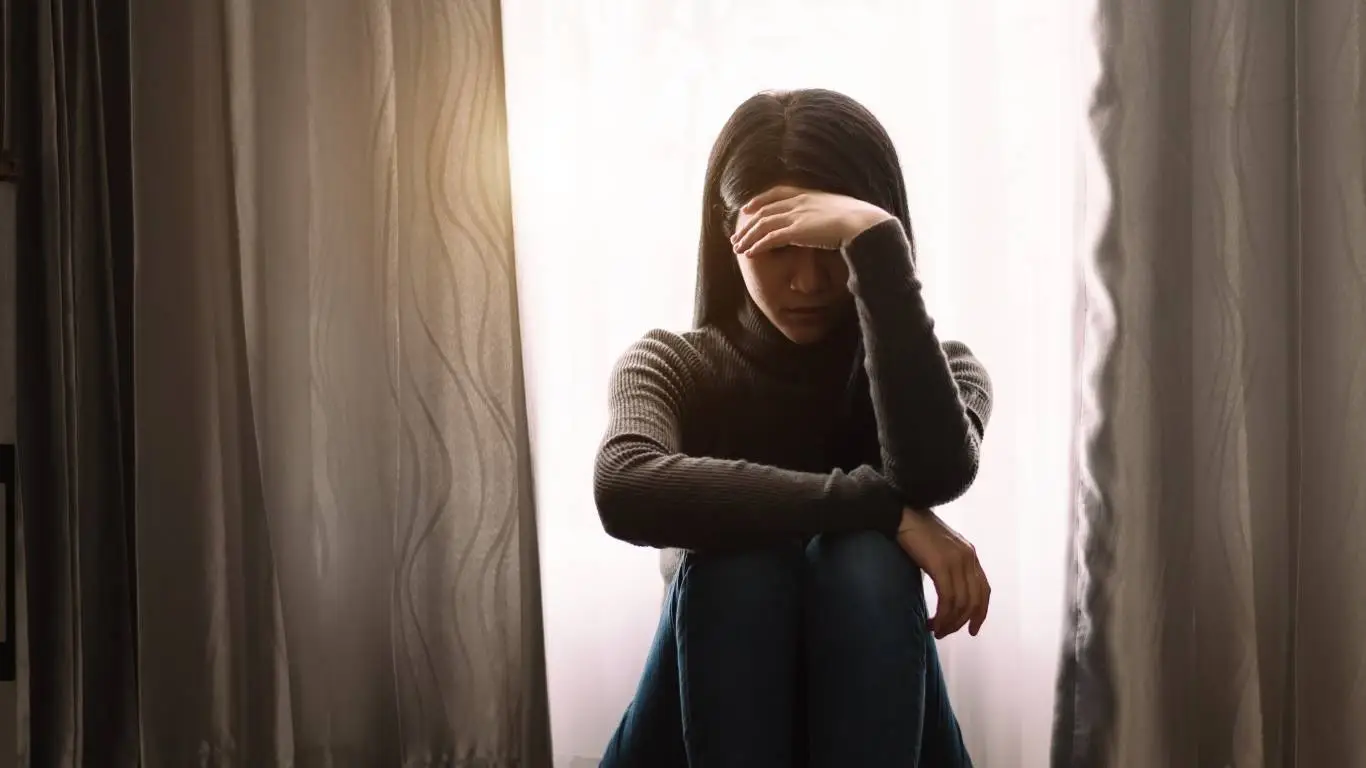
One of the scariest parts of performance anxiety is how real it feels in the body. It’s not “in your head.” It’s in your chest, your gut, your throat. I once thought I was having a heart attack before a solo — turns out it was a panic response. Articles like this deep dive into anxiety and chest pain helped me connect the dots.
Some common physical symptoms musicians report:
- Shaky hands – making instrument control difficult
- Dry mouth – especially frustrating for singers or wind instrument players
- Dizziness – often caused by hyperventilation or adrenaline surges. Here’s more on anxiety-induced dizziness
- Blurry vision – often tied to tunnel vision from acute stress
Is It Fear of Judgment — or Something Deeper?

Most people think performance anxiety is just about stage fright. But for many musicians, it’s about deeper fears: fear of not being good enough, fear of disappointing others, or fear that one mistake will define your entire career. Sometimes it’s imposter syndrome wrapped in a tuxedo.
This is especially true in high-stakes environments like conservatories, competitions, and professional gigs. I’ve had more anxiety performing in front of five respected musicians than in front of 500 strangers. It’s that close scrutiny that messes with your head. To understand how anxiety can quietly derail your life goals, check out this well-rounded overview: how anxiety disorders control your life.
What Makes Musicians More Vulnerable?
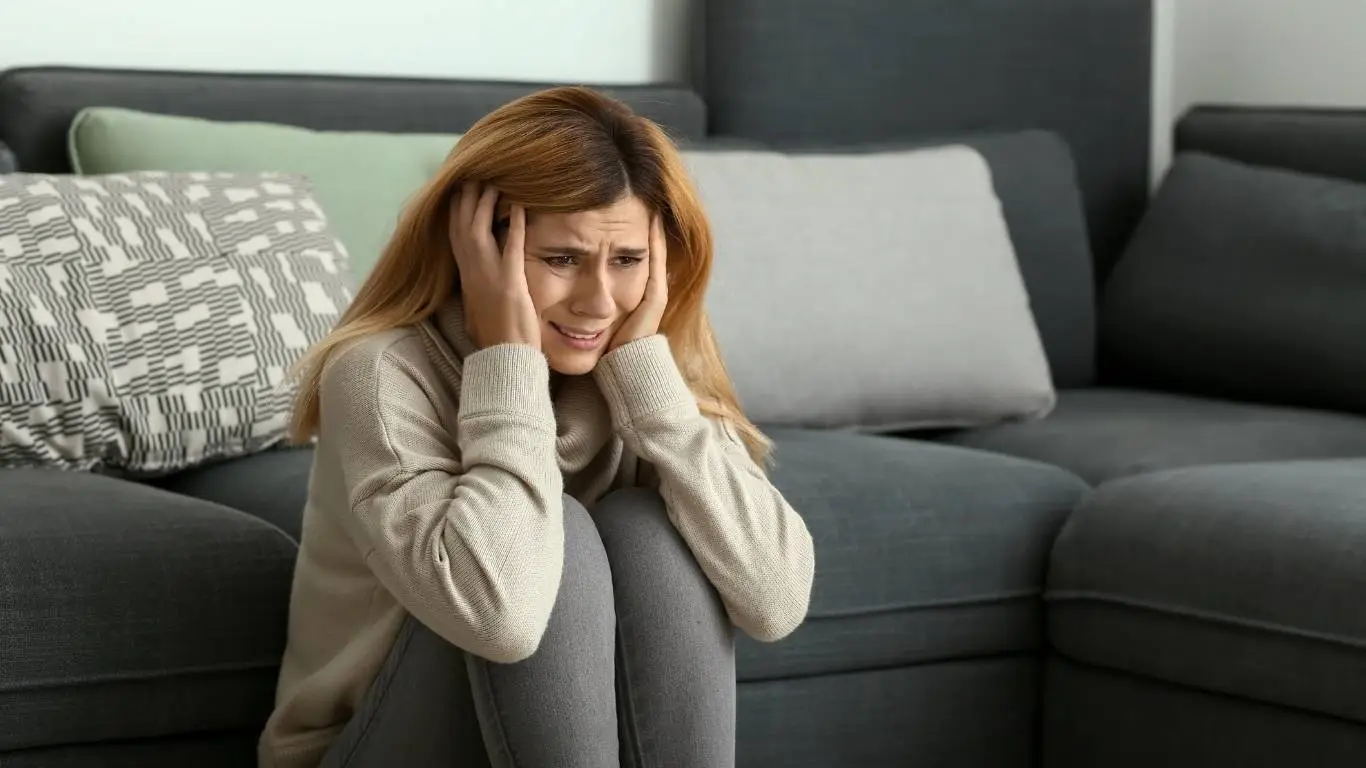
We train to express vulnerability through our music, but are often expected to appear flawless while doing so. That contradiction — between being emotionally open and technically perfect — is a breeding ground for anxiety. Especially for young musicians, this dual expectation creates massive pressure.
Social Anxiety and Public Perception
Musicians are not immune to social anxiety. In fact, the fear of negative evaluation is a hallmark symptom for both performance anxiety and social anxiety disorder. The overlap is real — especially when public failure feels personal. This article on how social anxiety limits potential is eye-opening, even for adults.
When It Becomes a Pattern
For some, the anxiety doesn’t stop after the performance. It lingers, grows, and begins to impact rehearsals, creativity, and even self-worth. That’s when it’s time to explore deeper treatment. There’s a great pillar resource that outlines anxiety-focused therapy options that actually help.
#LNF

Camellia Wulansari is a dedicated Medical Assistant at a local clinic and a passionate health writer at Healthusias.com. With years of hands-on experience in patient care and a deep interest in preventive medicine, she bridges the gap between clinical knowledge and accessible health information. Camellia specializes in writing about digestive health, chronic conditions like GERD and hypertension, respiratory issues, and autoimmune diseases, aiming to empower readers with practical, easy-to-understand insights. When she’s not assisting patients or writing, you’ll find her enjoying quiet mornings with coffee and a medical journal in hand—or jamming to her favorite metal band, Lamb of God.