How Poor Hydration Can Secretly Spike Your Anxiety Levels
Not long ago, I noticed something strange happening every time I skipped a few glasses of water. I’d get irritable, my heart would race, and out of nowhere, this fog of anxious tension would roll in. At first, I thought I was just having one of those rough days, but the pattern was undeniable: the less hydrated I was, the worse my anxiety felt. If you’ve ever experienced a sudden spike in anxiety for no apparent reason, you might want to look at your water intake before anything else. It’s one of those overlooked lifestyle tweaks that could quietly be working against you.
How Dehydration Messes With Your Mood and Mind

Your brain is mostly water. And it doesn’t take a severe deficit to throw things off. Mild dehydration—just 1–2%—can mess with your energy, focus, and yes, anxiety levels. Ever felt jittery, edgy, or panicked for no reason after a hot day or a long coffee binge? That’s your body quietly screaming for hydration.
The Science Behind the Mood-Hydration Connection
When you’re dehydrated, your body produces more cortisol—the stress hormone. According to PubMed, elevated cortisol levels are directly associated with increased anxiety symptoms. And the kicker? You might not even feel thirsty until dehydration is already affecting your mood.
- Lower water levels = higher cortisol
- Increased heart rate mimics anxiety
- Reduced brain perfusion slows cognitive function
Basically, dehydration makes your body feel like it’s in danger, and your brain responds with good ol’ fashioned anxiety.
My Own Wake-Up Call With Anxiety and Hydration

I used to think I drank “enough” water. A coffee in the morning, maybe a soda at lunch, and a glass of water or two in the evening. But during a particularly stressful season, my anxiety was relentless—tight chest, racing thoughts, the whole nine yards. I started tracking my hydration using an app, and turns out, I was averaging barely 1 liter a day. Once I began consistently hitting 2.5 to 3 liters, I noticed the difference. My heart didn’t pound as often. I could think clearly. My anxiety wasn’t gone, but it felt manageable again.
Symptoms I Noticed When Dehydrated
- Sudden spikes in heart rate
- Dry mouth and dizziness—common anxiety symptoms too
- Restlessness at night
- Constant sense of being on edge
What floored me was how these mirrored symptoms of panic attacks. That overlap is why many people misinterpret dehydration-induced anxiety for something more serious—like a heart issue or generalized anxiety disorder. In fact, this article on panic attacks vs. heart attacks explains that distinction in a way that really resonates if you’ve ever had that experience.
Common Hydration Mistakes That Fuel Anxiety
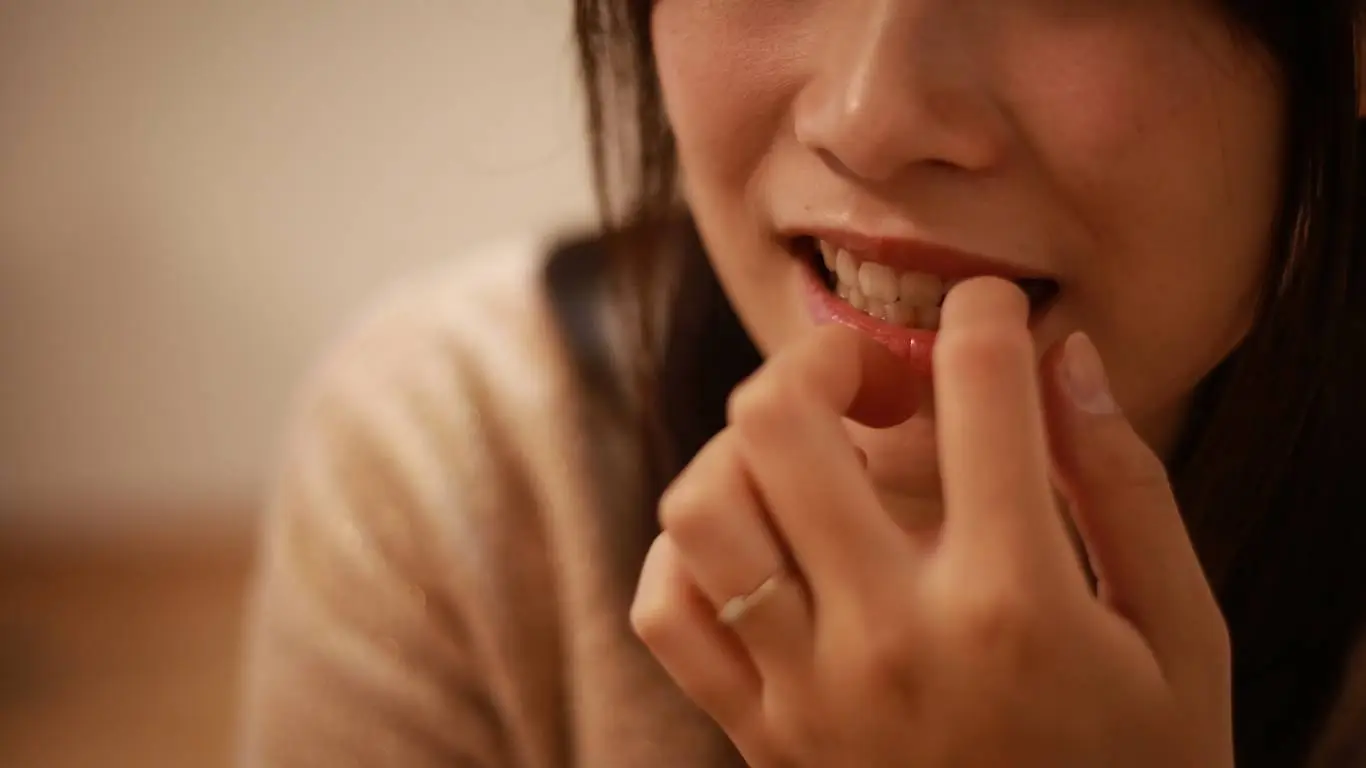
Here’s the kicker—most people *think* they’re staying hydrated. But your body doesn’t just need “any liquid.” Some drinks, like those filled with caffeine or sugar, may actually make anxiety worse.
Drinks That May Dehydrate You More
- Coffee (more than 2 cups per day)
- Alcohol (even “just a glass” of wine)
- Sugary sodas and energy drinks
If that sounds like your daily routine, you’re not alone. But there are better options that actively promote calmness. This list of caffeine-free calming drinks helped me discover alternatives I now actually crave instead of reaching for that second espresso.
Hydrating Right: It’s More Than Just Water
Pure water is great, but you can also stay hydrated with foods and drinks rich in electrolytes and water content:
- Watermelon, cucumber, and oranges
- Herbal teas (chamomile is a personal favorite)
- Coconut water (without added sugar)
If you’re curious about dietary tweaks, check out this insightful resource on anxiety-related nutrition and hydration that goes into how even magnesium-rich foods can support your nervous system. Honestly, tweaking your diet to stay hydrated has more impact than you think.
What Doctors and Experts Say About Anxiety & Dehydration

Healthcare providers rarely ask patients how much water they’re drinking when anxiety is the main complaint. But maybe they should. According to Mayo Clinic, proper hydration is a foundational step in regulating mood and brain function. And no, drinking more water won’t “cure” anxiety—but it can create a baseline where you’re not making things worse without realizing it.
I didn’t believe it either until I saw it for myself. Combine hydration with simple breathing exercises and the change can feel pretty immediate. It’s one of those “easy wins” in a wellness world full of overwhelming advice.
When Anxiety Persists Beyond Hydration

If you’re still dealing with constant unease, hydration might just be one piece of the puzzle. Sometimes, deeper causes are at play. I’ve found a ton of insight in this in-depth guide on hidden causes of anxiety disorders. It’s incredibly grounding to know you’re not just “too sensitive” or “overreacting”—your body might actually be trying to tell you something.
For a complete picture of how lifestyle, hydration, therapy, and treatment options come together, this main pillar on how anxiety disorders quietly take over your daily routine ties everything together powerfully. It’s the kind of read you keep open in a tab to revisit throughout your week.
I’ll be honest—hydration alone didn’t “fix” my anxiety. But the clarity and calm it gave me opened the door to making better choices in other areas of my life. If you’re someone who’s tried everything from meditation apps to medications and still feel on edge, it might be time to look beyond hydration and into the daily habits, nutritional gaps, and emotional triggers that quietly fuel your anxious states.
Beyond the Water Bottle: Small Shifts That Lower Anxiety

What surprised me most was how many seemingly harmless habits were stacking up alongside dehydration to spike my anxiety. Once I cleaned up those patterns, I noticed things started to shift more consistently.
Habits That Quietly Increase Anxiety
- Skipping meals — Blood sugar dips can feel a lot like panic attacks.
- Scrolling late at night — Blue light disrupts sleep and raises cortisol.
- Cluttered spaces — Visual chaos amps up mental stress without you realizing.
One thing I stumbled on that really helped was this guide on lifestyle strategies for anxiety. It goes beyond the obvious and touches on areas like environment, pacing your day, and setting digital boundaries—all of which can ease chronic tension when combined with good hydration.
Daily Hydration Habit That Actually Worked for Me
- Start the morning with a full glass of water before coffee.
- Keep a reusable water bottle next to my laptop—no excuses.
- Set mini reminders around meals and screen breaks to drink up.
It’s boring advice, I know. But the consistency of it made the biggest difference. Once I was drinking enough water regularly, I had fewer “bad anxiety days” and more energy to actually do the inner work—whether that meant journaling, therapy, or just getting out of the house when I needed to.
Nutrition Plays a Bigger Role Than You Think

I thought staying hydrated meant chugging water and calling it a day. But I didn’t realize how much nutrition and hydration are connected—until my anxiety flared up on days when I was eating poorly. Turns out, hydration isn’t just about water; it’s also about minerals, electrolytes, and what you’re eating alongside it.
Some anxiety-friendly foods I now keep on hand include:
- Bananas and spinach (natural magnesium sources)
- Greek yogurt with berries (protein + antioxidants)
- Chia seeds in coconut water (hydration + fiber)
This deeper dive on magnesium-rich foods for anxiety helped me understand why my mood was so tied to what I was (or wasn’t) eating. It’s one of those “ah-ha” reads that connects hydration, nutrition, and mental clarity all at once.
Recognizing When It’s Time for Professional Support

If you’ve improved your hydration and cleaned up your habits but the anxiety is still dragging you down, please don’t blame yourself. Sometimes anxiety isn’t just a lifestyle issue—it’s something deeper, something that needs a trained eye and structured support. I wish someone had told me that earlier. I kept trying to “fix it” with self-help until I burned out.
That’s where tools like the GAD-7 questionnaire came in handy. It helped me realize the line between everyday stress and something more serious. From there, I finally felt ready to talk to a therapist—and not just about water and sleep—but about the thoughts that were really keeping me up at night.
What Therapy Helped Me Discover
- My anxiety wasn’t irrational—my body was just in survival mode.
- I had triggers I didn’t even recognize until someone pointed them out.
- Self-compassion and grounding tools were more powerful than I imagined.
If you’ve never explored therapy before, this guide on psychotherapy for anxiety is a solid place to start. It breaks down the types of therapy that actually work and how to know what fits your situation best.
Linking the Physical and the Emotional

The more I leaned into understanding anxiety holistically, the more I saw how interconnected everything was. My gut health influenced my brain fog. My hydration impacted my heartbeat. My inner dialogue shaped my external stress levels. It’s wild how all these systems talk to each other quietly in the background until you stop and actually listen.
That’s why I found this in-depth resource on how anxiety controls your day-to-day life especially validating. It reflects what it *really* feels like to live with anxiety—and how the smallest things, like staying hydrated or checking your sugar intake, are often part of the answer too.
More Strategies That Helped Alongside Hydration
- Journaling daily to unload spiraling thoughts
- Muscle relaxation before bed (yes, it works)
- Practicing daily routines that support mental clarity
It’s rarely one thing that helps—it’s a bunch of small changes that begin to feel powerful over time. And it starts with listening to your body. When you tune in, even something as simple as drinking more water can feel like an act of emotional self-defense. Because honestly, some days, staying hydrated is a win all on its own.

Camellia Wulansari is a dedicated Medical Assistant at a local clinic and a passionate health writer at Healthusias.com. With years of hands-on experience in patient care and a deep interest in preventive medicine, she bridges the gap between clinical knowledge and accessible health information. Camellia specializes in writing about digestive health, chronic conditions like GERD and hypertension, respiratory issues, and autoimmune diseases, aiming to empower readers with practical, easy-to-understand insights. When she’s not assisting patients or writing, you’ll find her enjoying quiet mornings with coffee and a medical journal in hand—or jamming to her favorite metal band, Lamb of God.