How Severe Allergies Can Lead to Eye Floaters
Ever had one of those days where your allergies flare up so bad, your eyes feel like they’re under siege? It happened to me last spring. Pollen was everywhere, my sinuses were in full rebellion, and while I was bracing for the usual sneezing fits, something unexpected showed up—tiny shadows floating across my vision. It freaked me out. Turns out, there’s a surprising link between severe allergies and those annoying floaters in your eyes.
Understanding Eye Floaters: More Than Just Visual Nuisances
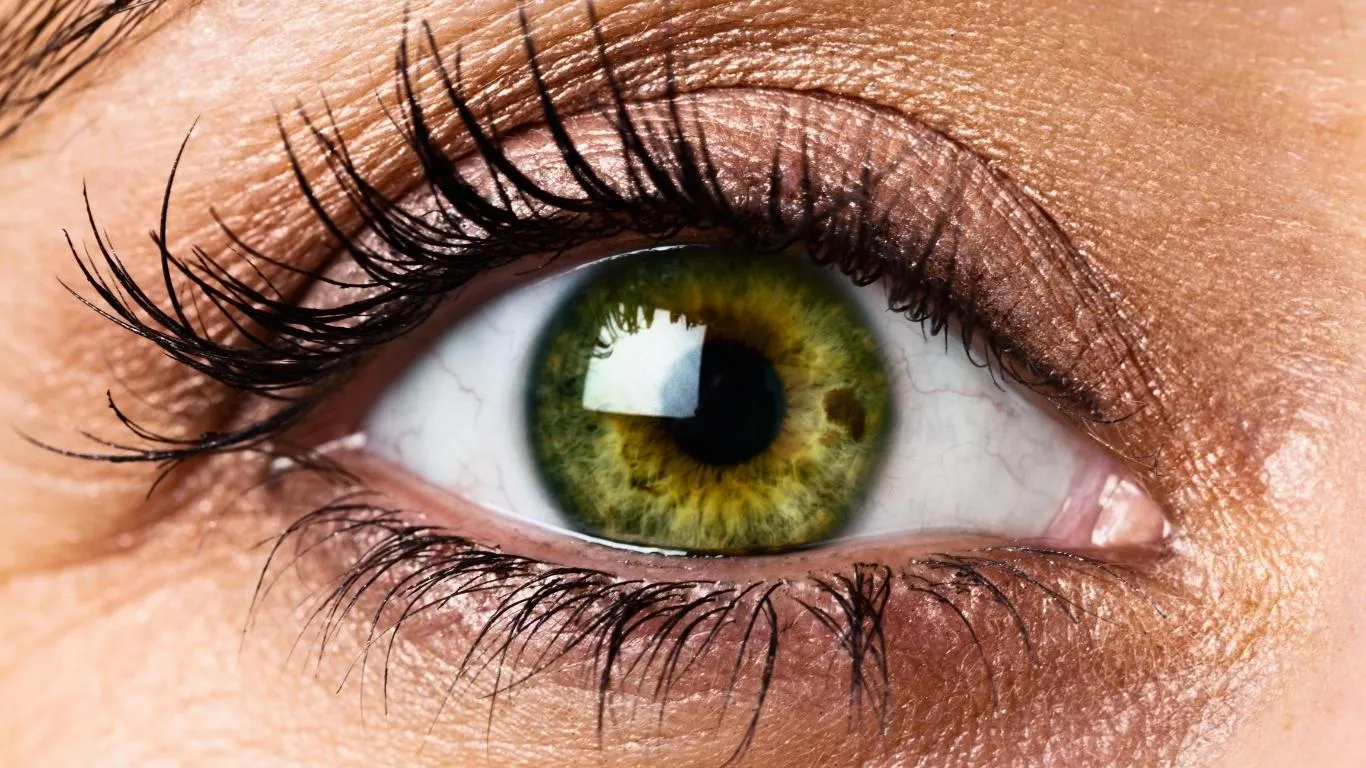
Floaters are those specks, threads, or cobweb-like shapes that drift across your field of vision, especially noticeable when you stare at something bright like the sky or a white wall. Most of the time, they’re harmless. But when they show up suddenly or increase in number, they can signal something going on—sometimes even something triggered by allergies.
At their core, floaters are small clumps of collagen that form in the vitreous humor—the gel-like substance inside your eye. As we age, this gel becomes more liquid and those collagen fibers can clump together, casting shadows on the retina. But age isn’t the only culprit.
Can Severe Allergies Really Cause Floaters?
You wouldn’t usually link hay fever to changes inside your eye—but the connection isn’t as far-fetched as it sounds. When you have a serious allergic reaction, your body floods your system with histamines, and this cascade of inflammation can cause all sorts of side effects—some of them impacting your eyes.
Eye Inflammation and Vitreous Changes
One possible pathway is inflammation in or around the eye. Severe allergies can lead to allergic conjunctivitis, which can trigger deeper ocular inflammation in susceptible individuals. If inflammation extends toward the posterior part of the eye—especially near the vitreous—it may influence the vitreous body and potentially exacerbate floater development.
While this isn’t the most common cause of floaters, it’s plausible for people who have a history of extreme allergic episodes, especially when paired with rubbing the eyes excessively or corticosteroid use (which we’ll get to in a moment).
Eye Rubbing: The Underestimated Trigger
When allergies strike, your eyes itch like crazy—and rubbing them is almost a reflex. But aggressive rubbing creates microtrauma that may stress the delicate structures within your eye. Over time, this pressure could accelerate vitreous degeneration, increasing your risk for floaters or even retinal tears in some cases.
- Excessive eye rubbing may contribute to vitreous detachment
- Chronic pressure can weaken the retina, especially in people with nearsightedness
- Mechanical stress from allergy-related rubbing could indirectly lead to floater formation
Medication Side Effects: The Steroid Connection
Here’s something many allergy sufferers overlook: long-term corticosteroid use—even in the form of nasal sprays or eye drops—can increase intraocular pressure. While rare, this spike in pressure can contribute to ocular complications, including floaters or even glaucoma in chronic users.
If you’ve been using steroid-based allergy medications and notice more floaters than usual, talk to your doctor. It might be time to explore alternative treatments that don’t carry the same ocular risks.
Common Medications to Watch
- Prednisolone eye drops (often prescribed for allergic eye inflammation)
- Fluticasone or mometasone nasal sprays
- Systemic corticosteroids for severe allergy flares
Even if these medications are effective for allergy control, they’re not without side effects. Your eyes can pay the price if you’re not careful with dosage or frequency.
Who’s Most at Risk of Allergy-Induced Floaters?
Not everyone who sneezes during pollen season will develop floaters—but certain groups may be more vulnerable:
- People with chronic allergic rhinitis or asthma
- Individuals who frequently use steroid medications
- Anyone with a history of eye trauma or prior floaters
- Those with autoimmune or inflammatory conditions exacerbated by allergens
If that sounds like you, it’s worth being more aware of any sudden changes in your vision—especially after an intense allergy episode.
How to Protect Your Eyes During Allergy Season
Speaking from personal experience, dealing with both allergies and floaters can be incredibly frustrating. But there are some practical steps I’ve taken to reduce flare-ups and protect my eyes:
- Use HEPA filters at home to reduce airborne allergens
- Apply cold compresses instead of rubbing your eyes
- Wear sunglasses outdoors to block pollen and irritants
- Limit screen time when your eyes feel dry or strained
- Stay hydrated—it supports both eye and immune health
Also, keeping up with routine eye exams is a game-changer. What I thought was “just allergies” turned out to be a deeper issue that needed monitoring. And that peace of mind? Totally worth it.
For a deeper dive into the full scope of causes and treatments, check out this comprehensive guide on floaters, which lays out everything from natural management tips to medical procedures.
When Should You Worry About Floaters After Allergy Flare-Ups?
As inconvenient as they are, not all floaters are emergencies. But sometimes, especially after a severe allergic reaction, they can signal something more serious. Here’s what I learned the hard way: if your floaters come on suddenly, are accompanied by flashes of light, or you notice a shadow or curtain in your peripheral vision—it’s time to act fast.
These signs could point to a posterior vitreous detachment (PVD) or, worse, a retinal tear or detachment. These are not allergy side effects per se, but the inflammation, pressure from rubbing, and internal eye stress during allergy attacks can heighten your risk if you’re already predisposed.
Red Flags That Call for Immediate Attention
- Sudden onset of many new floaters
- Bright flashes in your vision, like camera flashes
- Dark shadows or veils across part of your sight
- Pain or redness in the eye that doesn’t go away
If any of these occur, it’s best to visit an eye specialist—preferably a retina specialist—immediately. Retinal detachment, though rare, requires prompt treatment to prevent permanent vision loss. The American Academy of Ophthalmology also backs this up with strong guidance on emergency symptoms of floaters and flashes [AAO].
Managing Floaters Caused by Allergies
Once floaters appear, they don’t just disappear overnight. Most settle at the bottom of the eye and become less noticeable over time. But if allergies were the trigger, managing your allergic response might help reduce recurrence—and slow further vitreous changes.
Smart Lifestyle Adjustments
What worked for me wasn’t a single fix, but a combination of smart daily habits:
- Reduce allergen exposure: especially in peak seasons—pollen filters, indoor air purifiers, and switching to hypoallergenic pillows helped a ton.
- Lubricating eye drops: Artificial tears can ease irritation and reduce the urge to rub your eyes.
- Anti-inflammatory diet: I started adding more omega-3-rich foods like flaxseed and salmon—both known for supporting eye health and reducing inflammation.
- Consistent hydration: Dehydration can affect the consistency of the vitreous fluid. Staying hydrated helps maintain better eye moisture and internal balance.
What Treatments Are Available If Floaters Persist?
If floaters become especially bothersome—either from severity or interference with daily vision—there are a few treatment routes to consider. While I personally didn’t need them, I did discuss options with my ophthalmologist, just in case.
Non-Surgical Options
- Observation: The most common “treatment” is simply waiting. In many cases, floaters settle or become less noticeable.
- Vision training and adaptation: Your brain may adapt to ignore them over time, especially if they’re not in your direct line of sight.
Advanced Medical Interventions
- Laser Vitreolysis: A minimally invasive procedure using lasers to break up floaters. Most suitable for large, persistent floaters in an open vitreous space.
- Vitrectomy: A more invasive surgical procedure where part or all of the vitreous gel is removed. Generally reserved for extreme cases due to risks like retinal detachment or infection.
It’s crucial to weigh the benefits versus risks with your doctor. According to recent peer-reviewed literature from the American Journal of Ophthalmology, laser vitreolysis has a fairly high success rate when used on the right candidates, but it’s not always necessary.
Prevention: Keeping Your Eyes Healthy During Allergy Season
If there’s one thing I’ve learned, it’s this: prevention is a lot easier than treatment. Even though we can’t always control our allergies, we can minimize the chances of them triggering eye issues.
Here’s what’s worked best for me and many others dealing with the allergy-floater combo:
- Start antihistamines early: Don’t wait until the sneezing starts—preload your system before allergy season ramps up.
- Avoid known triggers: For me, fresh-cut grass is the enemy. Identify yours and take steps to minimize exposure.
- Upgrade your eye care: Use preservative-free drops, wear wraparound sunglasses, and wash your face/eyelids after coming indoors.
- Stay on top of eye exams: Especially if you’ve had floaters before or use allergy medications long-term.
Lastly, not all floaters need medical intervention—but awareness makes all the difference. If you want to explore more insights on treatment options beyond allergy-related causes, this detailed article on eye floater treatments is a must-read.

Camellia Wulansari is a dedicated Medical Assistant at a local clinic and a passionate health writer at Healthusias.com. With years of hands-on experience in patient care and a deep interest in preventive medicine, she bridges the gap between clinical knowledge and accessible health information. Camellia specializes in writing about digestive health, chronic conditions like GERD and hypertension, respiratory issues, and autoimmune diseases, aiming to empower readers with practical, easy-to-understand insights. When she’s not assisting patients or writing, you’ll find her enjoying quiet mornings with coffee and a medical journal in hand—or jamming to her favorite metal band, Lamb of God.