How Social Media Anxiety Effects Your Confidence and Mental Clarity
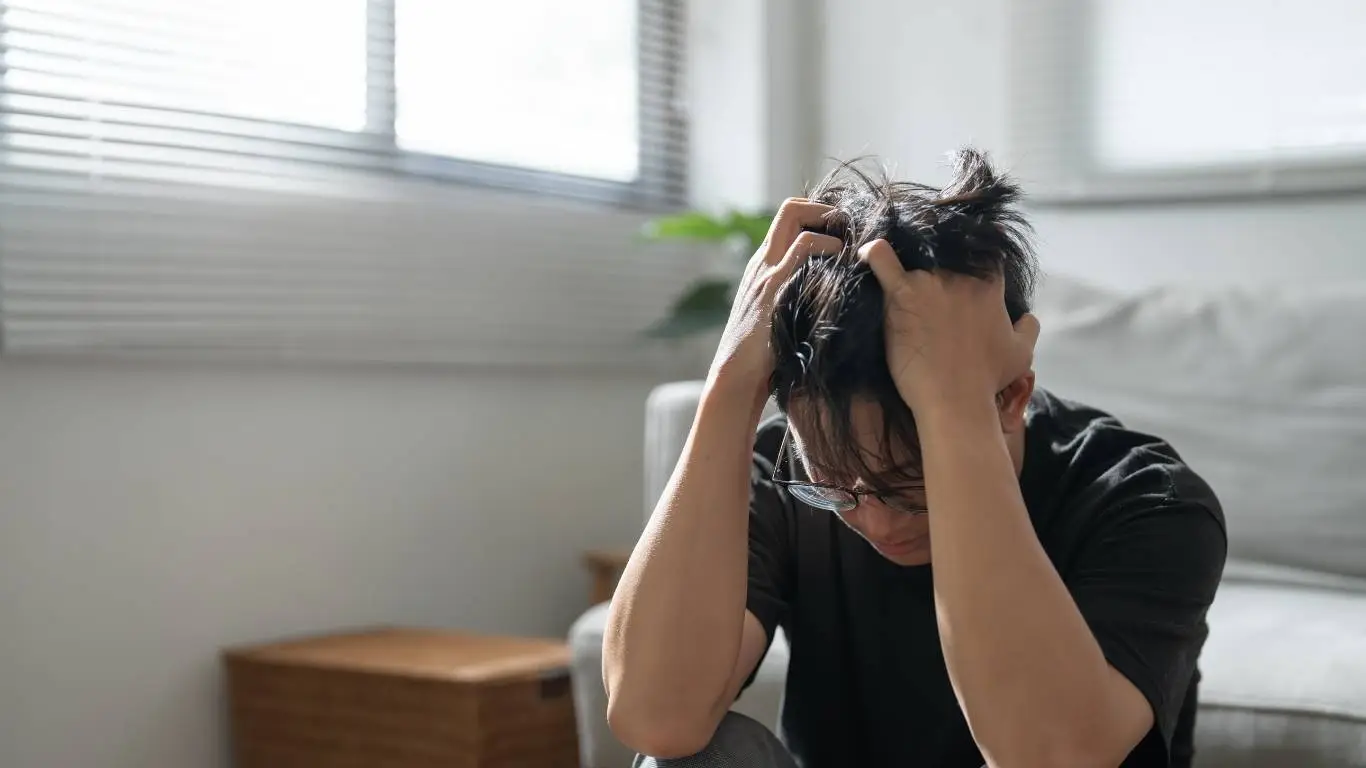
Scrolling through perfectly curated feeds, watching people nail public speeches, or reading viral tweets with thousands of likes—social media can be inspiring… until it’s not. I’ve lost count of the number of times I’ve felt my chest tighten after doomscrolling late at night or comparing my messy real life to someone’s digital highlight reel. If you’ve ever found yourself anxious after spending time online, you’re not alone—and this isn’t just “in your head.” Social media anxiety is a very real phenomenon, and its effects run deeper than most people think.
What Is Social Media Anxiety, Really?

Social media anxiety isn’t an official clinical diagnosis, but it’s becoming increasingly common—especially among teens and young adults. It’s that feeling of unease, inadequacy, or stress that creeps in after engaging with platforms like Instagram, TikTok, Twitter, or even LinkedIn. Sometimes, it’s subtle. Other times, it’s overwhelming enough to disrupt your entire day.
The Comparison Trap
This was a big one for me. I remember sitting on my couch in sweats, eating instant noodles, while watching someone I follow post about their Bali retreat, startup launch, and six-pack abs—all in the same day. It’s almost impossible not to compare.
The issue? Most of what we see online is heavily filtered—both literally and metaphorically. According to research published by the NIH, constant comparison on social platforms contributes to increased symptoms of anxiety and low self-esteem.
The Addiction Loop
Social media apps are designed to keep you hooked. Dopamine hits from likes, comments, or shares might feel good for a second, but they can quickly lead to a cycle of obsession and emotional crashes. I’ve definitely lost sleep waiting for a post to “perform.”
That cycle often feeds into more general social anxiety, especially when your brain starts to connect digital validation with real-world self-worth.
How Social Media Triggers Physical Anxiety Symptoms

Let’s talk body. Anxiety doesn’t just live in your thoughts—it shows up physically. After a late-night scrolling session, I sometimes get heart palpitations or stomach knots. Turns out, I’m not alone. Some common physical symptoms triggered by social media anxiety include:
- Racing heart
- Sweaty palms
- Tight chest
- Shortness of breath
- Fatigue
Many of these overlap with panic attack symptoms, which can make things scarier. If you’ve experienced any of these while browsing your feed, you might want to check out this deep dive into shortness of breath and anxiety.
Why Social Media Disrupts Mental Balance

We weren’t designed to consume a firehose of curated content, opinions, and likes from hundreds of people every single day. It’s overstimulation on steroids. I once tried a 72-hour detox and was shocked by how much calmer my mind felt.
Information Overload
Endless content creates decision fatigue. Your brain is constantly evaluating posts—what to like, what to comment, how to respond—and that mental clutter builds up. Over time, this overload can worsen anxiety symptoms, especially if you’re already prone to overthinking.
Fear of Missing Out (FOMO)
Nothing messes with your peace like seeing everyone at a party you weren’t invited to. FOMO can sneak up quietly and hit hard, and it often leads to social withdrawal in real life. Ironically, the more you use social media to stay connected, the more isolated you may feel.
Interestingly, this often leads people down a spiral of self-doubt. If this sounds familiar, you might find comfort in the idea that your anxiety isn’t just emotional—it’s tied to how you function day to day.
It’s Not Just the Big Platforms

Most people assume that anxiety from social media only comes from Instagram or TikTok. But even professional platforms like LinkedIn can trigger intense anxiety. I know someone who panicked after comparing her résumé to peers’ updates, despite being successful in her field.
It’s not about the platform—it’s about how you engage with it. Some people can handle hours online with no problem. Others (like me) might need to set limits and develop healthier digital habits. The key is understanding what triggers you personally.
How to Recognize the Signs Before It Gets Worse
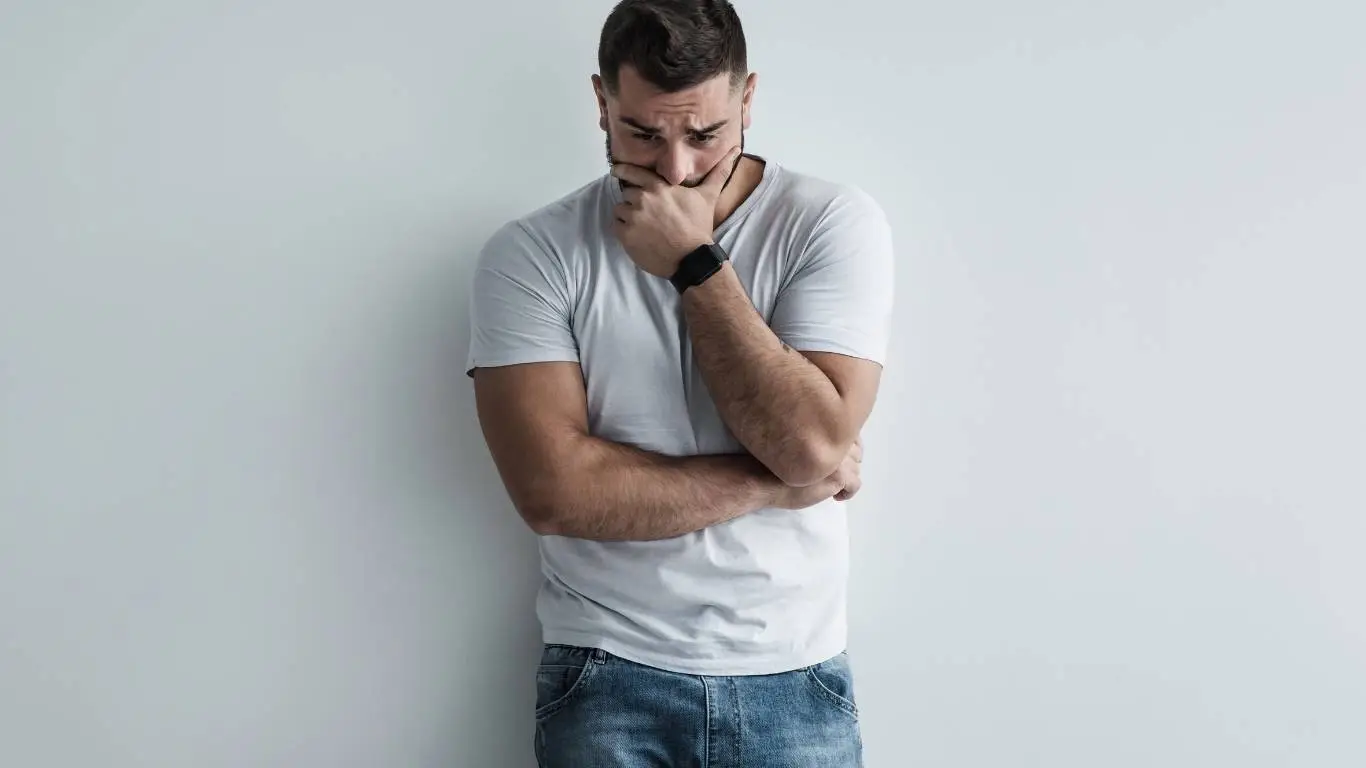
Recognizing social media anxiety early can make all the difference. If you’ve noticed these signs creeping into your daily life, it might be time to take a step back:
- Checking your phone first thing in the morning and feeling worse, not better
- Compulsively deleting posts that didn’t get enough likes
- Avoiding real-life interactions because online life feels “safer”
- Feeling physical anxiety symptoms after using certain apps
- Measuring your worth based on engagement or follower count
If any of this feels familiar, you’re not overreacting. You’re likely dealing with the very real effects of social media anxiety. It may also be helpful to explore comprehensive insights on lifestyle changes that help ease anxiety disorders, including screen time boundaries and mindfulness strategies.
And if you’re wondering why your anxiety seems to subtly shape how you approach everyday life—from relationships to work—you’ll find clarity in this foundational guide on anxiety’s impact on daily living.
Breaking Free: What Actually Helps with Social Media Anxiety
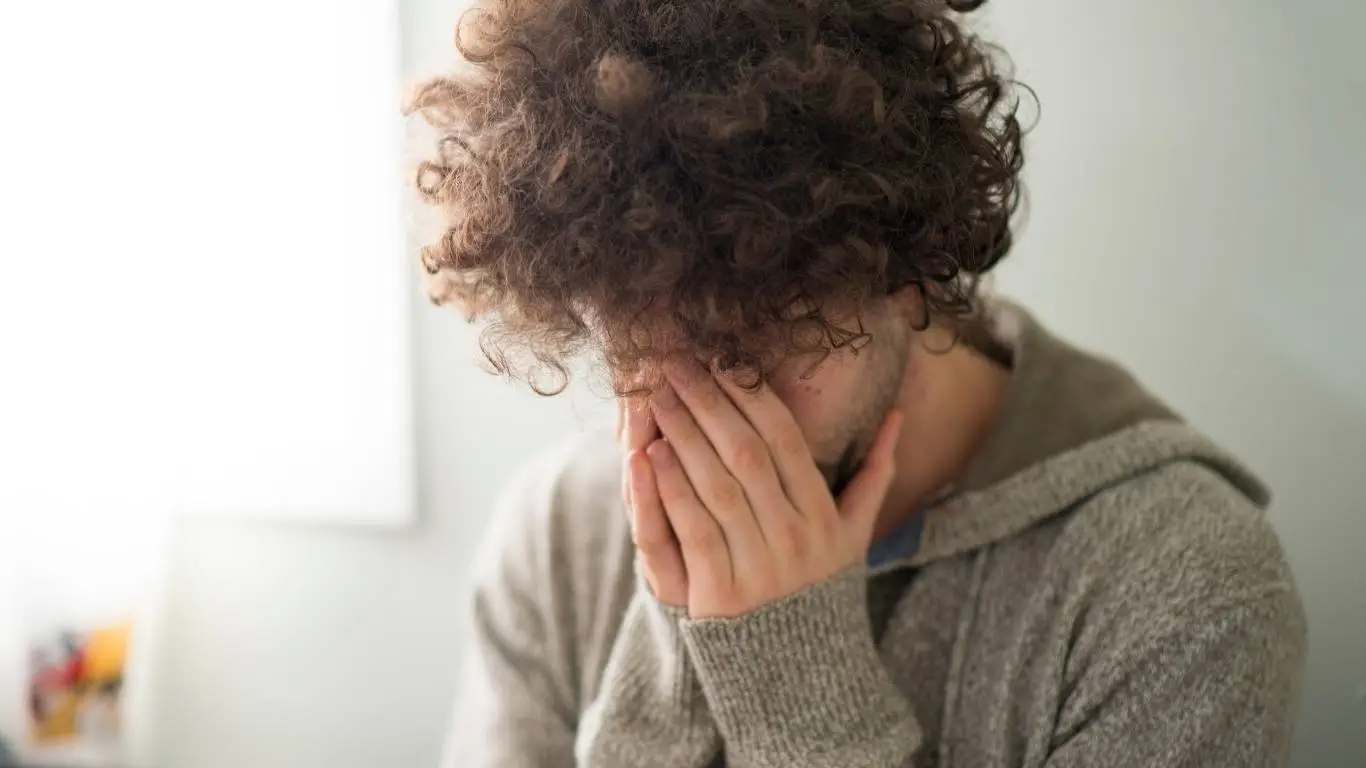
Okay, so now that we’ve unpacked what social media anxiety looks like and how it shows up—let’s talk about what you can actually do about it. I’ve tried a lot, from digital detoxes to journaling. Some things worked better than others, and it’s not about quitting cold turkey (unless you want to). It’s about finding what fits into your life and makes the scrolling feel less… toxic.
1. Limit Your Time, But Don’t Panic Over It
You don’t need to delete every app and move to the woods. But setting gentle boundaries goes a long way. I started by turning off non-essential notifications—no more constant buzzing about someone liking my comment. Then I set app timers (those “you’ve hit 30 minutes” alerts actually help). Start with 15-minute reductions each week.
Want some tools that go deeper than screen time settings? Consider apps like Freedom or Forest to help you stay mindful of your habits. These are simple ways to cut the digital noise without cutting yourself off completely.
2. Curate Your Feed Like It’s Your Mental Space
Think of your feed like your living room. Would you invite toxic, judgmental people to hang out in your personal space every day? Probably not. Same rules apply here. Unfollow or mute accounts that make you feel anxious, less-than, or drained.
I found that following mental health educators and accounts that promote self-compassion drastically shifted my online experience. It’s not just what you see—it’s how it makes you feel afterward.
You might also find journaling after social media sessions surprisingly powerful. A quick note on how you felt while scrolling can offer insight into what triggers you—and what supports your well-being.
Addressing the Underlying Anxiety, Not Just the App

Here’s the thing: social media anxiety isn’t always about the phone. Sometimes, it’s a symptom of a deeper issue—like generalized anxiety or social phobia. If your anxiety bleeds into offline situations, it might be time to dig a little deeper.
Therapies like Cognitive Behavioral Therapy (CBT) have been proven to help with digital-related anxiety and comparison issues. CBT helps reframe distorted thinking patterns and teaches practical tools to cope with those spiraling thoughts after a social media scroll-fest.
Medication Isn’t Off the Table
I hesitated here for a long time. The idea of medication felt like “giving up,” but it’s really just another form of support. For some, medications like SSRIs can help with persistent anxiety that gets amplified by social media use. If you’re curious about this route, you might want to read about SSRIs and how they support anxiety management.
That said, medication isn’t for everyone. But knowing the option is there can be reassuring, especially when nothing else seems to take the edge off.
Digital Detoxing That Actually Works
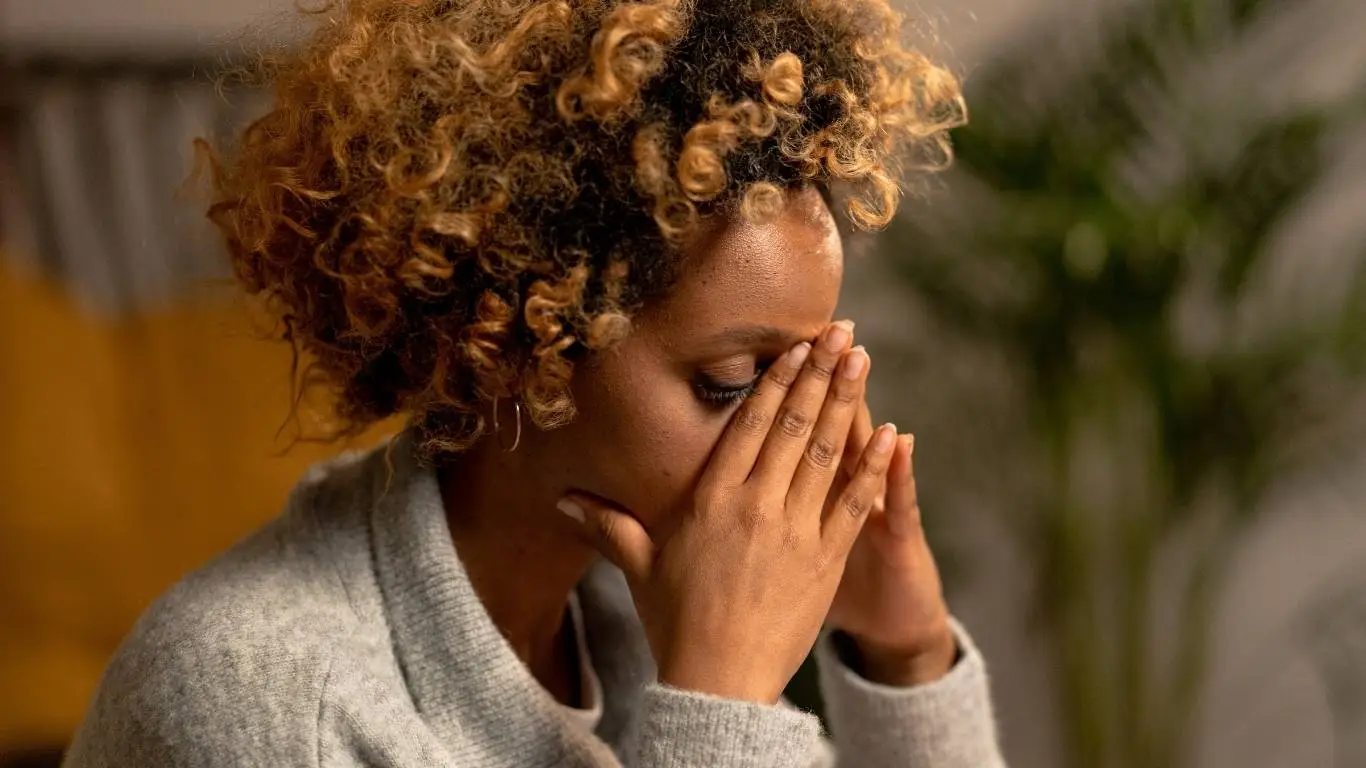
You’ve heard it before: unplug. But I get it—it’s not easy to just ghost the internet. The trick is making it intentional. I started with a “No Social Sundays” rule. Just one day a week. It helped reset my brain and gave me space to do other things I enjoyed, like journaling or going outside without the urge to post about it.
Start small. Even a few hours away from the scroll can be enough to feel a shift. And if you’re serious about reducing your anxiety, you might enjoy this read on simple lifestyle choices that support long-term anxiety relief.
Try the “Delay Before You Scroll” Technique
This one’s a game-changer. Every time you’re tempted to open an app, pause and take a breath. Ask: “Why am I opening this? What do I need right now?” Maybe you’re bored, lonely, or trying to avoid something. Recognizing the motivation helps you choose a different, healthier behavior—like texting a friend or stepping outside for air.
Offline Habits That Build Real Confidence

One of the biggest turning points for me was realizing I was spending more time online than in the real world. Reinvesting that energy into offline habits made a huge difference. Here are some things that helped:
- Joining a local community group or hobby class
- Volunteering for a cause I cared about
- Journaling and practicing gratitude daily
- Reading physical books (yes, paper!)
- Creating tech-free zones in my house
None of this happened overnight, but it built real-world confidence that gradually lowered my dependence on virtual validation.
If social anxiety in person is something you also struggle with, you’ll want to explore how social anxiety manifests and what really helps.
Healing Your Relationship with Technology

Ultimately, social media isn’t the enemy. It’s a tool. But how you use it—and how it uses you—makes all the difference. Healing your relationship with it isn’t about quitting cold turkey. It’s about being intentional, compassionate with yourself, and willing to take small steps toward digital peace.
If you feel like anxiety is seeping into every part of your life—not just online—it might be worth exploring the broader impact. This in-depth guide on how anxiety affects your daily functioning offers insight into the deeper layers that might be shaping your experience more than you realize.
To dive even deeper into root causes, triggers, and effective recovery strategies, check out the comprehensive guide on the overlooked causes of anxiety disorders.

Camellia Wulansari is a dedicated Medical Assistant at a local clinic and a passionate health writer at Healthusias.com. With years of hands-on experience in patient care and a deep interest in preventive medicine, she bridges the gap between clinical knowledge and accessible health information. Camellia specializes in writing about digestive health, chronic conditions like GERD and hypertension, respiratory issues, and autoimmune diseases, aiming to empower readers with practical, easy-to-understand insights. When she’s not assisting patients or writing, you’ll find her enjoying quiet mornings with coffee and a medical journal in hand—or jamming to her favorite metal band, Lamb of God.