
How Sound Bath Therapy Eased My Anxiety When Nothing Else Helped
If you’ve ever laid in bed with your mind racing at full speed, heart thumping, and that tight chest feeling that just won’t let up, then you know anxiety isn’t just “in your head.” It’s real. And when I first tried sound bath therapy to manage my own spiraling thoughts, I wasn’t expecting much. I figured it’d be just another new-agey thing with singing bowls and incense. But that session changed everything. It didn’t magically fix my anxiety, but for the first time in weeks, I felt calm. Like, genuinely calm. Let’s dive into how this increasingly popular practice can offer real support for managing anxiety — without the need to sit cross-legged on a mountaintop.
How Sound Bath Therapy Actually Works

First things first — no, you’re not literally bathing in sound. Sound bath therapy involves immersing yourself in a space filled with harmonic tones produced by instruments like crystal singing bowls, gongs, chimes, and Tibetan bowls. You typically lie down, close your eyes, and let the frequencies do the work. And no, you don’t need to know anything about meditation or spirituality to benefit from it.
What blew me away was how my brain and body responded without me trying to force it. According to NIH research, sound frequency can impact the autonomic nervous system — which is a fancy way of saying it can shift you from fight-or-flight into rest-and-digest mode. Exactly what we need when anxiety’s gripping hard.
What Makes Sound Baths Different From Other Relaxation Methods?
Unlike typical meditation or breathing exercises (which, let’s be honest, aren’t always easy when you’re anxious), sound bath therapy asks nothing of you. You don’t have to “clear your mind” or “focus on your breath.” You just lie there. And somehow, your body starts to unwind anyway.
- Effortless entry into deep relaxation
- Zero pressure to “perform” or meditate perfectly
- Uses your body’s natural response to sound to regulate anxiety
That alone makes it one of the most accessible options I’ve found — and I’ve tried nearly everything, from yoga to EMDR. (Yes, I’ve even journaled until my hand cramped.)
The Science Behind Sound and the Anxious Brain

It’s not all just good vibes and chakra talk. Studies suggest sound frequencies influence brainwaves — particularly those associated with calmness and sleep. Binaural beats, for example, can encourage alpha and theta brainwave states. These are states where anxiety has less grip.
One study found participants who underwent sound healing showed significant drops in stress markers. Even their heart rates and cortisol levels backed it up. That’s a big deal when you’re stuck in a chronic anxiety loop.
For anyone feeling skeptical, I recommend reading about breathing exercises for anxiety relief that actually work. It’s a perfect companion strategy, and many people combine the two — using breathing at the start of a sound session to settle faster.
Why I Keep Coming Back to Sound Bath Therapy
I’ve sat through talk therapy sessions where I felt more stressed leaving than walking in. I’ve taken SSRIs and felt like a zombie. And I’ve spent entire weekends reading every blog on GAD coping strategies that promised peace. But sound bath therapy hit different.
- It helped me sleep — deeply.
- I stopped waking up with racing thoughts.
- I actually started looking forward to silence again, instead of fearing it.
And the most unexpected thing? It made my daily anxiety symptoms — like dizziness and shortness of breath — feel less sharp. If you’ve experienced anxiety-related dizziness, you’ll understand what a relief that is.
How to Try It Without Feeling Weird

If you’re new to it, don’t stress. You don’t need a spiritual guide or fancy studio. There are tons of legitimate virtual sound bath sessions on YouTube. Or try a local class — many yoga studios offer sound bath nights with certified practitioners.
What matters is consistency. The first time, you might feel unsure. But by the third session, something shifts. The anxious hum in your chest starts to dim.
Things That Help Enhance the Experience
- Noise-canceling headphones for online sessions
- Weighted blanket to help ground your body
- Essential oils (lavender’s my go-to)
- Listening before bed to promote better sleep
If you’ve ever felt unsure about alternative approaches, I get it. But you might be surprised how grounded and practical this can feel when done right. For more complementary strategies that actually feel doable, check out complementary & alternative therapies for anxiety. It pairs perfectly with sound bath practices.
Also, don’t miss this foundational piece if you want to understand why anxiety disorders can secretly control your daily life. It offers the bigger picture on how small daily shifts, like incorporating sound therapy, can add up to major mental health wins.
Real Results: What Regular Sound Bath Therapy Can Do Over Time

The real magic with sound bath therapy happens when you stick with it. After attending sessions weekly for about a month, I noticed a subtle but powerful shift. I didn’t react as strongly to stress triggers. That tight feeling in my chest I used to wake up with? It just… faded. Was it overnight? Of course not. But consistency changed the baseline of my anxiety in ways I hadn’t achieved with anything else.
This aligns with findings from mental health experts who now incorporate sound therapy into broader treatment plans. According to Harvard Health, integrative therapies like sound healing show measurable promise when paired with cognitive behavioral therapy or mindfulness-based strategies.
And you don’t have to commit hours each week. Even 20-30 minute sessions, two to three times a week, can lead to improvements. I often pair it with journaling for anxiety afterward, which helps ground the emotional shifts into actual reflection.
Changes I’ve Personally Experienced:
- My anxiety attacks decreased in frequency
- Daily rumination became less obsessive
- Better sleep patterns and fewer nightmares
- Increased emotional clarity — like I could “hear” myself better
Common Myths That Might Hold You Back

If you’re skeptical, you’re not alone. I used to side-eye anything that didn’t come with a prescription or peer-reviewed journal behind it. But here’s the thing: sound therapy isn’t some fringe practice. It’s been around for centuries. We’re just now catching up to how powerful it can be in our stress-drenched, always-on modern lives.
Let’s clear up a few big misconceptions:
- “It’s just placebo.” — While belief plays a role in all healing, measurable physiological changes during sessions (slower heart rate, reduced cortisol) suggest there’s more happening than just “good vibes.”
- “It’s only for spiritual people.” — Nope. I’m not into chakras or crystals, and I still benefit massively. You don’t need a belief system, just an open mind.
- “It’s not backed by science.” — Actually, studies are growing. There’s strong overlap with research on music therapy and vibrational healing. PubMed is full of emerging evidence.
Combining Sound Baths with Other Anxiety Tools

Sound bath therapy works beautifully alongside other forms of anxiety treatment. When I first explored it, I was already doing CBT and had been on SSRIs for years. The sound baths didn’t replace those — but they complemented them in a way that made me feel whole again, not just “treated.”
In fact, many therapists are integrating sound therapy into sessions or recommending it as homework. If you’re working through trauma or chronic stress, sound therapy can offer a kind of somatic release that talk therapy doesn’t always access.
You can also explore pairing it with progressive muscle relaxation or even dietary support for anxiety. These methods don’t compete — they enhance each other.
Other Tools I Use With Sound Baths:
- Light movement like gentle yoga beforehand
- Magnesium-rich snacks (yes, food helps — see here)
- Consistent bedtime to train my nervous system
Where to Start Without Feeling Overwhelmed

You don’t need a fancy space or studio membership to get started. Here’s how I eased into it:
- Downloaded a few free sessions from trusted YouTube sound therapists
- Picked a quiet room and used comfy pillows and a blanket
- Used headphones to block external noise and maximize immersion
- Gave myself permission to just lie there — no rules, no judgment
For those feeling anxious even about trying something new (been there), try combining your first sound session with lifestyle self-help tools that feel grounding and familiar. Whether it’s aromatherapy, journaling, or guided breathing, the key is making it yours.
When Sound Therapy Might Not Be Enough (And That’s Okay)
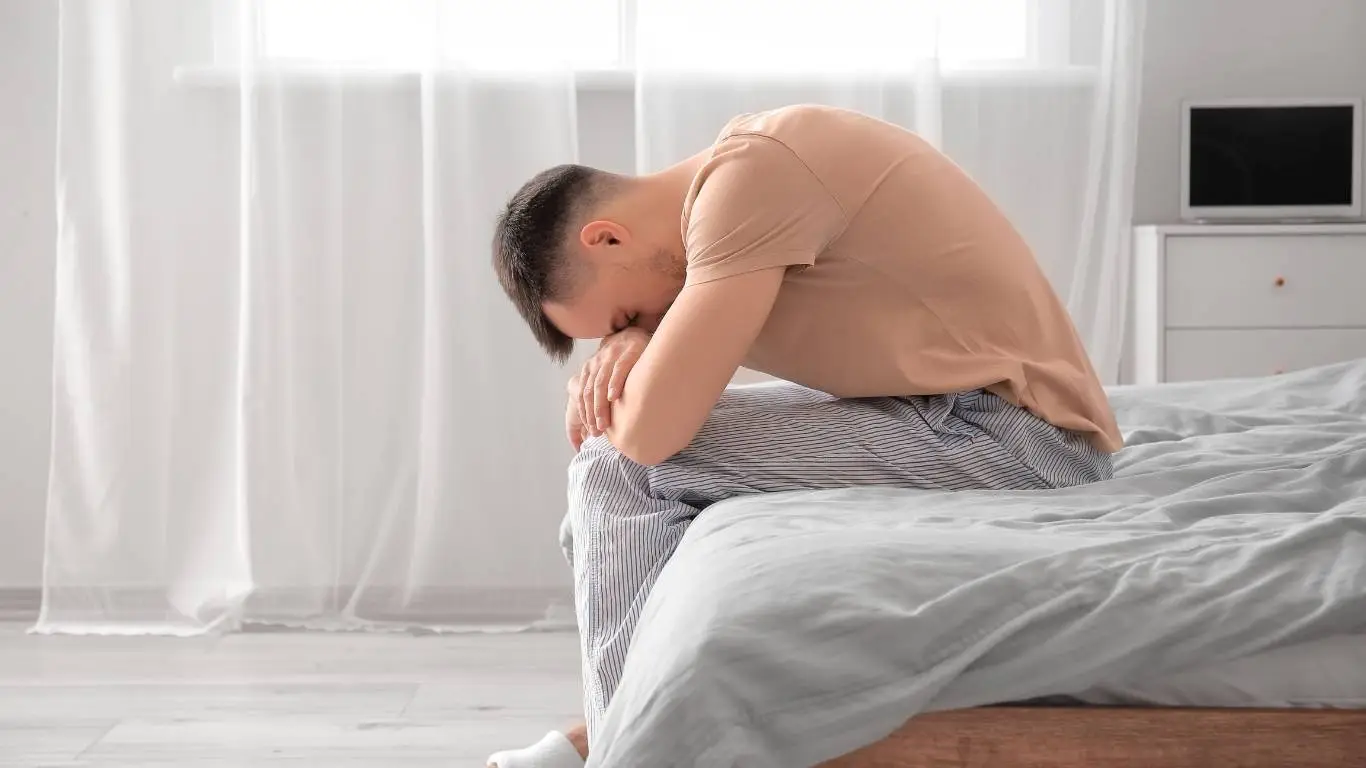
I won’t sugarcoat it — sound bath therapy isn’t a cure-all. There were days it wasn’t enough. Days when I needed to lean on my therapist, up my medication, or call in sick because anxiety was too loud. And that’s okay. Sound therapy is a powerful tool, not a magic switch. If your anxiety feels too overwhelming to tackle alone, don’t hesitate to explore psychotherapy and counseling options that offer deeper, long-term support.
And if you’re still wondering how this fits into the big picture of managing anxiety — from diet to therapy to lifestyle — I can’t recommend reading this comprehensive guide enough. It puts everything into context in a way that’s empowering and clear.

Camellia Wulansari is a dedicated Medical Assistant at a local clinic and a passionate health writer at Healthusias.com. With years of hands-on experience in patient care and a deep interest in preventive medicine, she bridges the gap between clinical knowledge and accessible health information. Camellia specializes in writing about digestive health, chronic conditions like GERD and hypertension, respiratory issues, and autoimmune diseases, aiming to empower readers with practical, easy-to-understand insights. When she’s not assisting patients or writing, you’ll find her enjoying quiet mornings with coffee and a medical journal in hand—or jamming to her favorite metal band, Lamb of God.