How Sunlight Exposure Can Make Eye Floaters More Noticeable
If you’ve ever stared up at a clear blue sky and suddenly noticed squiggly shadows or floating specs in your vision, you’re definitely not alone. I remember the first time I noticed mine—lying on the beach, soaking in the sun, when suddenly it felt like a ghostly speck was trailing my gaze. I blinked. It danced. I looked away. It followed. That, my friend, was my first eye floater experience—and I had no idea what I was in for.
Can Sunlight Make Eye Floaters Worse?
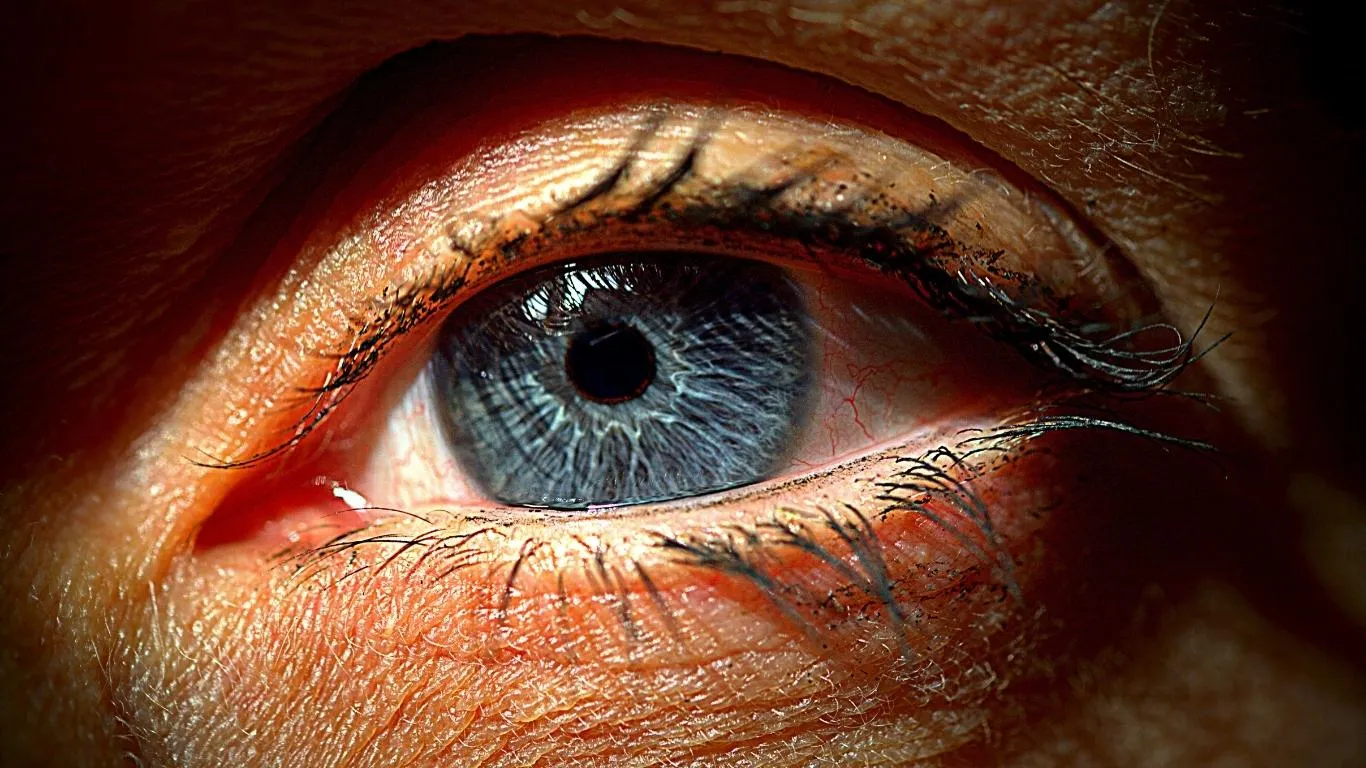
Let’s get this out of the way: bright light doesn’t *create* floaters, but it sure makes them more visible. Sunlight acts like a backlight, casting shadows of those tiny bits of collagen or cellular debris floating in your vitreous onto the retina. The brighter the light, the harsher the contrast—making even the tiniest floater seem like a giant jellyfish drifting through your line of sight.
On top of that, excessive sunlight exposure can contribute to oxidative stress in the eye, which researchers believe plays a role in vitreous degeneration—aka, the stuff that causes floaters to form in the first place. If you’re dealing with frequent floaters, especially after spending time outdoors or driving in bright daylight, you’re not imagining it: sunlight could be making things worse.
Here’s where it gets personal—after a hiking trip in Arizona last summer, my floaters seemed to multiply overnight. Turns out, long hours of unprotected sun exposure can stress the delicate structures inside your eye. While there isn’t yet a direct proven causality, the correlation is strong enough to raise eyebrows—and maybe your sunglasses game too.
How UV Exposure Affects the Vitreous
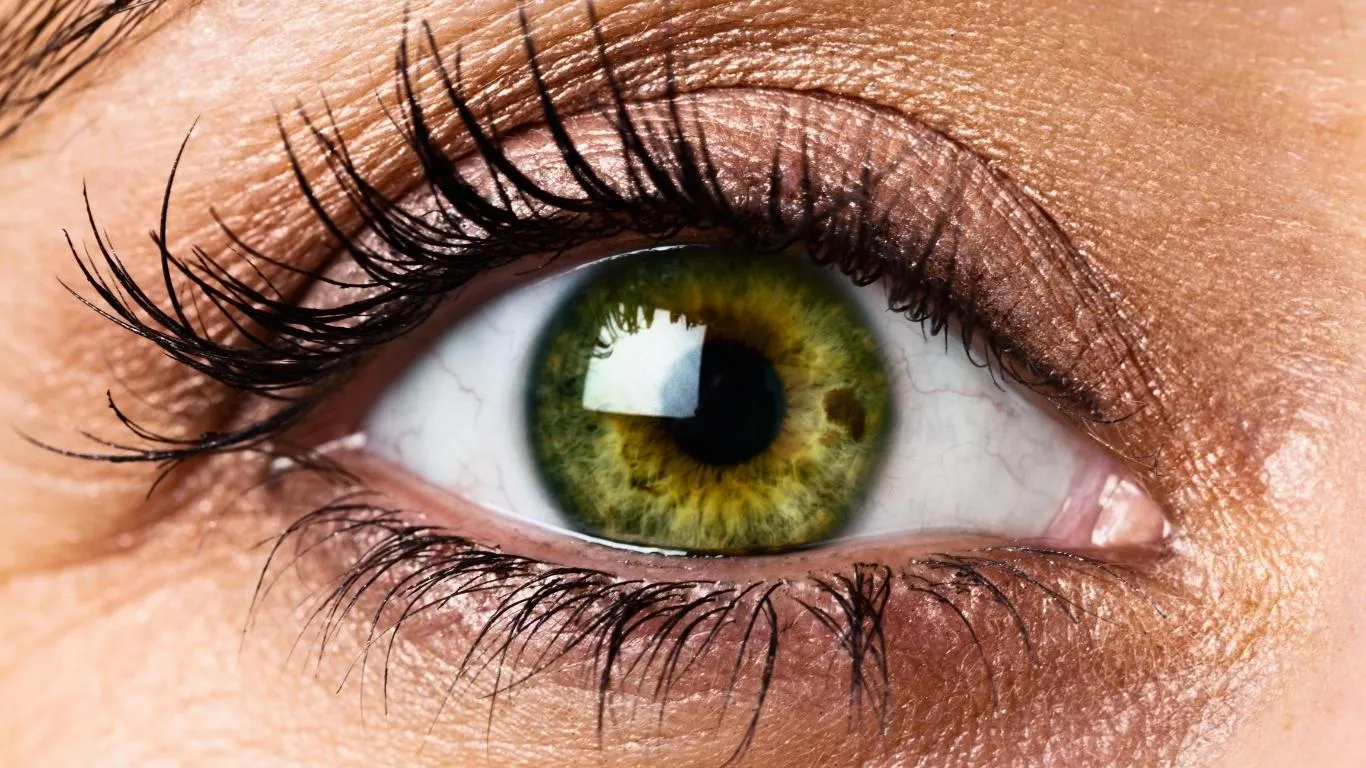
The vitreous humor—the jelly-like substance that fills most of your eyeball—is mostly water and collagen. Over time, and especially with aging, this gel can start to liquefy and pull away from the retina. That’s when floaters show up.
UV rays have been shown to trigger cellular damage and oxidative stress, which can accelerate this breakdown process. According to National Eye Institute, long-term exposure to ultraviolet light can damage both the lens and retina, increasing risks of floaters and even more serious issues like cataracts or macular degeneration.
And if you already have underlying conditions like age-related vitreous changes or have had eye surgery or trauma, sunlight may act as a trigger that intensifies floaters—or at least your awareness of them.
Why You Notice Floaters More in Bright Light
When you look at a uniformly bright surface—like a white wall, a clear sky, or a digital screen—the contrast makes floaters dramatically more visible. It’s like seeing dust particles in a sunbeam—nothing changed in the room, but the beam reveals what was already there.
One study published in ncbi.nlm.nih.gov explored how different lighting environments affect floater perception. The results? Patients reported floaters being most bothersome under high-contrast, bright-light conditions. Brightness doesn’t increase the number of floaters; it simply reveals what’s floating around in your visual field.
People often report an uptick in floater awareness when driving midday or walking near reflective surfaces like snow or water. I’ve personally noticed the worst days for floaters aren’t the cloudiest—they’re the brightest. Even after a good night’s sleep, if the sun’s out in full force, those floaty dots come to party.
Helpful Tip: Polarized Lenses Can Be a Game Changer
If you’re sensitive to light-induced floater visibility, polarized sunglasses might be your new best friend. Not only do they reduce glare, but they also lessen the contrast that makes floaters stand out.
- Choose UV400-rated lenses for full UVA/UVB protection
- Go for gray or amber tints to reduce brightness without distorting colors
- Wraparound styles offer full peripheral coverage—great for hiking or snow days
Is Sunlight Exposure a Long-Term Risk Factor for Eye Floaters?
This is where it gets tricky. There’s not a definitive clinical study linking direct sunlight to floater *formation*, but several mechanisms suggest a strong correlation. UV-induced oxidative stress, collagen breakdown, and vitreous deterioration are all tied to environmental factors—sunlight being one of the biggest.
According to American Academy of Ophthalmology, extended sun exposure can accelerate the aging of the vitreous gel. If you’re already genetically predisposed or recovering from something like eye trauma or inflammation, it may nudge your floaters into a more noticeable zone.
Other Related Factors That Compound the Issue
- Dehydration – Less hydration = less vitreous volume, increasing floaters visibility.
- Stress – Cortisol imbalances may interfere with ocular blood flow.
- Certain medications – Some meds make your eyes more light-sensitive.
Protecting Your Eyes: Smart Sun Habits
Prevention might not erase your floaters, but it can certainly stop them from becoming more bothersome. I’ve found that making a few simple changes, like always wearing polarized sunglasses—even on cloudy days—has made a surprising difference in how often I notice mine.
If floaters become more frequent or suddenly worsen, it’s worth exploring the underlying cause. Sudden changes could be a red flag for something more serious like posterior vitreous detachment or even a retinal tear.
To dive deeper into the broader topic of floater formation, triggers, and treatment options, check out this comprehensive guide on common causes of eye floaters. You can also explore the full overview from our main eye floaters pillar article.
Floaters Getting Worse in Summer? You’re Not Imagining It
Every year around July, I brace myself. Not for beach trips or BBQs—though those are great—but because summer sunlight kicks my floaters into high gear. It’s not uncommon. The increased UV index, longer daylight hours, and more time spent outdoors without eye protection all stack up. The more intense the sun, the more I seem to “see” those pesky shadows floating around. A few of my friends have shared similar stories, especially after long hikes or even just a couple hours at the park.
While there’s no *one-size-fits-all* explanation, it’s clear that heat and glare don’t mix well with floaters. Combine that with dehydration from sweating and squinting through the brightness, and suddenly your vision feels like a murky fish tank.
Consider These Summer Habits That Can Trigger or Exacerbate Floaters
- Skipping sunglasses or wearing low-quality lenses
- Being dehydrated due to heat or not drinking enough water
- More eye rubbing due to allergies or sweat dripping into eyes
- Increased exposure to reflective surfaces—pools, sand, windows
And yes, all of those I’ve done at some point. A real eye-health fail montage, to be honest. But they helped me learn to be more mindful of my habits, especially after I read this guide on reducing floaters after eye strain or stress.
Can Sunlight Exposure Cause Permanent Damage Related to Floaters?
Let’s be real—most floaters are benign. But that doesn’t mean they don’t point to underlying wear and tear happening in your eye. When it comes to UV exposure, the danger lies not just in floaters, but in what’s going on behind the scenes. We’re talking long-term damage to the retina or vitreous that accumulates over time, which may increase floater density or lead to more severe eye issues.
According to Cleveland Clinic, excessive UV exposure has been tied to degenerative changes in eye tissue, particularly in aging adults. Even in younger individuals, chronic sunlight can speed up oxidative damage—something that can lead to a rougher floater experience down the road.
If your floaters start appearing more frequently after sunny weekends, or if they’re paired with light flashes or a curtain-like shadow, don’t brush it off. That could indicate something more serious like a retinal tear or detachment, and that’s definitely not a DIY fix.
Best Practices for Managing Floaters During Bright Days
Managing floaters during high-light conditions isn’t just about hiding from the sun. It’s about smart prevention and steady habits. Here’s what I’ve tried that actually helps on a day-to-day basis:
- Wear high-quality polarized sunglasses — every single time you step out, even in winter.
- Hydrate well — keep that vitreous gel healthy and full-bodied, not dehydrated and clumpy.
- Limit screen time in bright environments — digital glare can make things worse.
- Try eye-friendly supplements — antioxidants like lutein and zeaxanthin are gaining attention for eye floaters. See recommended supplements for floaters.
One tip I wish I had known earlier? Always keep a spare pair of sunglasses in your car. The amount of times I’ve been halfway through a drive, squinting at oncoming traffic and watching floaters swirl—it’s not just annoying, it’s unsafe.
Is It Possible to “Train” Your Eyes to Ignore Floaters?
This is actually a thing—and it’s fascinating. Over time, your brain can adapt to ignore floaters through a process called neuroadaptation. It’s like how you eventually stop noticing the ticking of a clock or background noise. Some eye doctors even recommend focusing exercises or visual distraction techniques, especially if the floaters are new and causing anxiety.
For me, shifting focus and blinking consciously has helped. So has keeping my eye health in check overall. But if you’re seeing *sudden* new floaters or major shifts in your vision, that’s not something to train your brain out of—it’s something to get checked. That’s especially true if your symptoms resemble post-trauma floaters, which could be linked to more serious conditions.
When to Actually Worry About Sunlight and Floaters
Most floaters are annoying but harmless. That said, sunlight-related eye strain and UV overload can push your vision into dangerous territory if ignored. So when should you worry?
- Floaters that suddenly appear in large numbers
- Flashes of light in your peripheral vision
- Blurred or dark areas forming in your sight
- Increased difficulty focusing in bright environments
If you experience any of these, schedule an eye exam immediately. While floaters alone aren’t an emergency, their sudden onset in sunlight-heavy conditions might signal a deeper issue—especially for older adults or those with floaters in their 40s and beyond.
Action Steps and Where to Learn More
If you’re dealing with floaters that seem worse under sunlight, you’re definitely not imagining it. Between UV impact, dehydration, and visual contrast, sunny days just make them more obvious—and sometimes more intense.
To explore additional insights into sunlight’s role in eye health and how to manage floater-related discomfort, check out the broader article on when floaters may signal something serious.
Also, the main guide on eye floaters causes, symptoms, and treatment options offers a full breakdown if you want to go deeper into the subject.

Camellia Wulansari is a dedicated Medical Assistant at a local clinic and a passionate health writer at Healthusias.com. With years of hands-on experience in patient care and a deep interest in preventive medicine, she bridges the gap between clinical knowledge and accessible health information. Camellia specializes in writing about digestive health, chronic conditions like GERD and hypertension, respiratory issues, and autoimmune diseases, aiming to empower readers with practical, easy-to-understand insights. When she’s not assisting patients or writing, you’ll find her enjoying quiet mornings with coffee and a medical journal in hand—or jamming to her favorite metal band, Lamb of God.