How To Calm Down After An Anxiety Attack Without Feeling Powerless
If you’ve ever found yourself in the grip of an anxiety attack, heart pounding like it’s about to burst, breath short, and your body either frozen or frantically pacing, you’re not alone. I’ve been there. More times than I’d like to admit. What helped me wasn’t just “taking a deep breath” like everyone suggests—it was learning what really works *after* the wave crashes. Calming down after an anxiety attack isn’t just about breathing techniques; it’s about understanding what your mind and body need to regulate again. And trust me, that takes more than a few yoga poses.
Recognizing You’re Coming Down
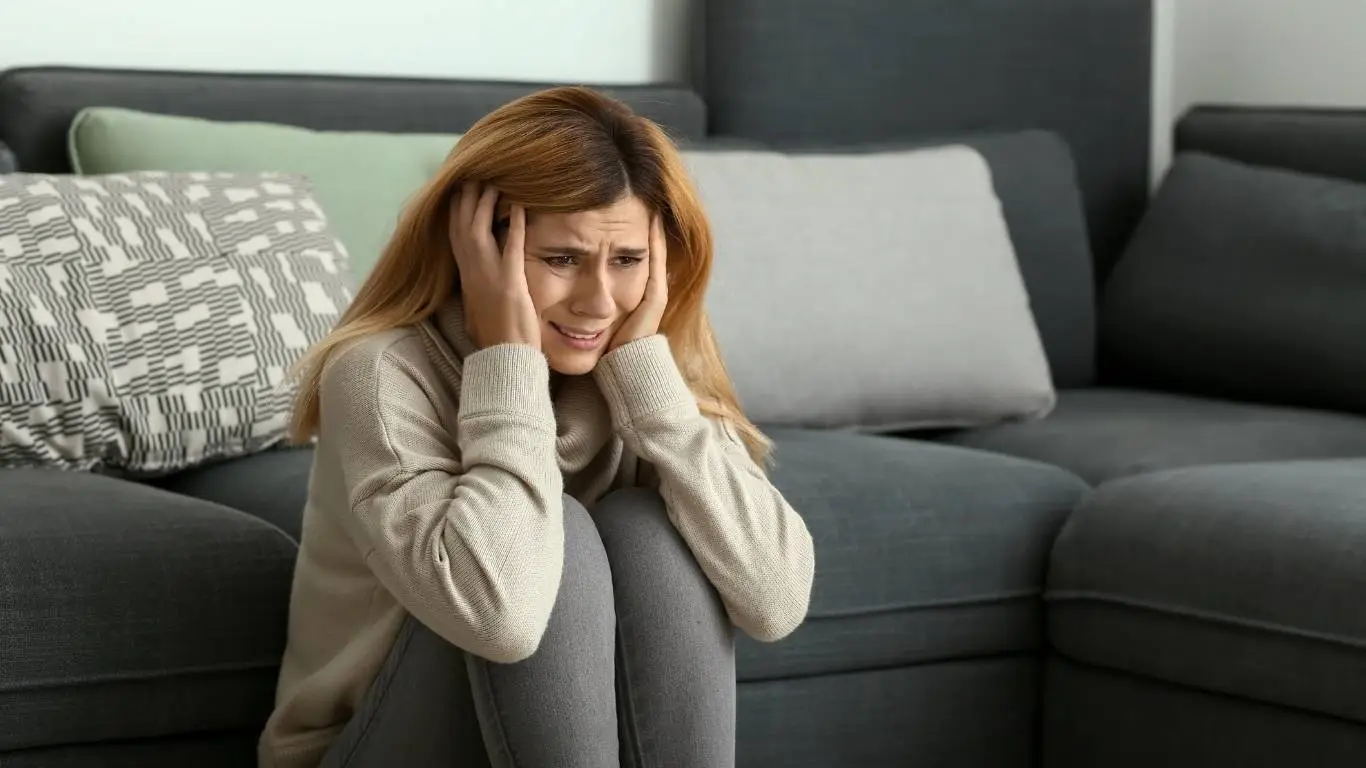
It’s a strange moment—when the anxiety attack is over, but you’re not *okay* yet. You’re exhausted, mentally foggy, and maybe even embarrassed if it happened in public. This is the crucial window when your brain and nervous system are seeking cues for safety. Knowing this changes everything. Your body is literally waiting for you to show it, “Hey, we’re not in danger anymore.”
Physical symptoms that linger
- Chest tightness
- Dizziness or shaky legs
- Throat tension or dry mouth
- Heavy fatigue or emotional numbness
If you’re thinking, “That’s me,” don’t panic. It’s not a setback. It’s recovery mode kicking in. Here’s how to work with it, not against it.
Simple Physical Grounding That Actually Works

Use your senses, not your brain
The last thing you want is more overthinking. So don’t think—*feel*. I usually start by putting my bare feet on the floor. The carpet. The tile. Doesn’t matter. The physical sensation sends a signal to the brain that says, “We’re right here, right now.” It’s a sensory check-in, not a mental one.
- Touch: Grab something soft, cold, or textured. I keep a small stone in my bag for this exact reason.
- Smell: Essential oils are cliché for a reason—lavender calms, citrus energizes.
- Sound: Try soothing music that helps anxiety, or ambient sounds like rain or wind.
I learned about progressive muscle relaxation when I stumbled across a guide online. It sounded too clinical at first, but once I tried it lying on the floor, slowly tensing and releasing each muscle group, I felt something click. It wasn’t instant magic—but it *helped*. And sometimes, that’s enough.
Control Your Breath, Don’t Force It

If someone told me one more time to “just breathe” during an anxiety episode, I might’ve snapped. But after? That’s when breath becomes your best friend. The difference lies in how you breathe—not just doing it.
Try this: Box Breathing
I was skeptical until a therapist mentioned Navy SEALs use it. Breathe in for 4 counts, hold for 4, exhale for 4, hold again for 4. Repeat until your pulse feels less frantic. It works because it resets your autonomic nervous system. Fancy way of saying—it chills you out from the inside.
If box breathing feels too stiff, go gentler. I personally found this simple breathwork method helpful: inhale for 3, exhale for 6. That exhale being longer tells your body it’s okay to relax.
Calm Your Environment, Calm Your System
Look around. Is your space helping or hurting you right now? Harsh lights, loud noises, clutter—they all scream “unsettled” to your nervous system. After an anxiety attack, I always dim the lights, put on socks (yes, weirdly comforting), and grab a weighted blanket if it’s nearby.
Create a ‘Calm Down Kit’
- Noise-canceling headphones
- Weighted blanket or hoodie
- Your favorite calming tea
- Journaling prompts, like these
Having this kit prepped in advance—like a first aid kit for your mind—can really shift how quickly you bounce back. Think of it as emotional triage.
Understand the Mental Fallout
After the adrenaline wears off, the crash hits. You might feel like you’ve been hit by a truck. Emotionally raw. Questioning everything. This is common. There’s no shame in it. It doesn’t mean you’re broken.
There’s a fascinating link between physical illness and anxiety symptoms that makes this part feel so confusing. It’s also why so many of us Google “heart attack vs panic attack.” (Guilty.) You can check out this detailed breakdown if you’ve ever had that fear linger after an episode.
Normalize it without minimizing it
People might say “you’re fine now”—but *you* know your body’s been through war. Acknowledge that. Talk to a trusted friend or therapist. Or just write it down. My notebook’s got pages filled with raw post-attack thoughts that I’ll never share—but writing them? Helped more than I can explain.
And if this cycle feels like it’s ruling your life more than it should, I’d gently recommend reading this breakdown on how anxiety can quietly hijack your routines. It validated so many things I thought were “just me.”
For a deeper understanding of triggers and types of anxiety episodes, you might also want to check this anxiety diagnosis guide.
Personally, learning the causes behind my specific attacks gave me power. Not control—but context. This insightful article was a big part of that puzzle for me.
What to Avoid Right After an Anxiety Attack

One of the biggest mistakes I used to make after an anxiety attack? Jumping straight back into “normal” life. Like, responding to emails, cleaning the house, or even doom-scrolling on social media. Big no-no. You might feel pressure to act “fine” because the attack is over, but your system is still processing. And forcing it can actually *prolong* the recovery.
Avoid these common triggers post-attack:
- Screen overload: Especially social media or the news—it ramps up mental stimulation.
- Stimulants: Caffeine and sugar are the worst offenders. I’ve learned that the hard way.
- Overexplaining: It’s okay not to justify what just happened. To anyone.
Instead, slow down. Hydrate. Walk around your space slowly. I usually sip warm water with magnesium and dim the lights. It’s my quiet “system reset.” If caffeine might be messing with your nerves, this article explains it better than I ever could.
Shift From Coping to Preventing
I used to treat every anxiety attack like a freak storm. Out of nowhere. But the truth is, most attacks leave clues. When I started tracking mine—what I ate, how much I slept, even how cluttered my desk was—I noticed patterns. That awareness changed everything.
Start a “Trigger Tracker”
All you need is a notebook or phone app. After each episode, jot down:
- What were you doing 30 minutes before?
- Who were you with (or texting)?
- What were you thinking about?
Patterns will start to emerge. That’s not just helpful—it’s empowering. I found out certain meetings, scrolling at night, or skipping breakfast were consistent culprits. Tracking helped me get proactive. Not just reactive.
There’s also something incredibly helpful about learning to stop anticipatory anxiety before it escalates. Especially when the thought of having another attack becomes the next trigger.
Teach Your Nervous System Safety Daily

Your nervous system has memory. The more often you show it safety, the easier it becomes to stay calm—not just recover. This isn’t fluffy mindfulness talk. It’s real nervous system regulation work that can change how often those anxiety spikes even show up.
Daily safety cues I now swear by:
- Morning journaling: 5 minutes. Nothing fancy. Just dumping mental clutter.
- Mindful body check-in: Feel your feet, your breath, your belly. You’re here.
- Mini grounding rituals: Tea brewing, opening a window, lighting a candle. Safe, repetitive actions.
These micro-habits build your “emotional muscle memory.” It’s not about eliminating anxiety—it’s about teaching your body it’s not the boss. Mindfulness-based techniques like these are explained really well in this guide, which helped me build a toolkit that fits my life (not someone else’s).
Build a Long-Term Support System
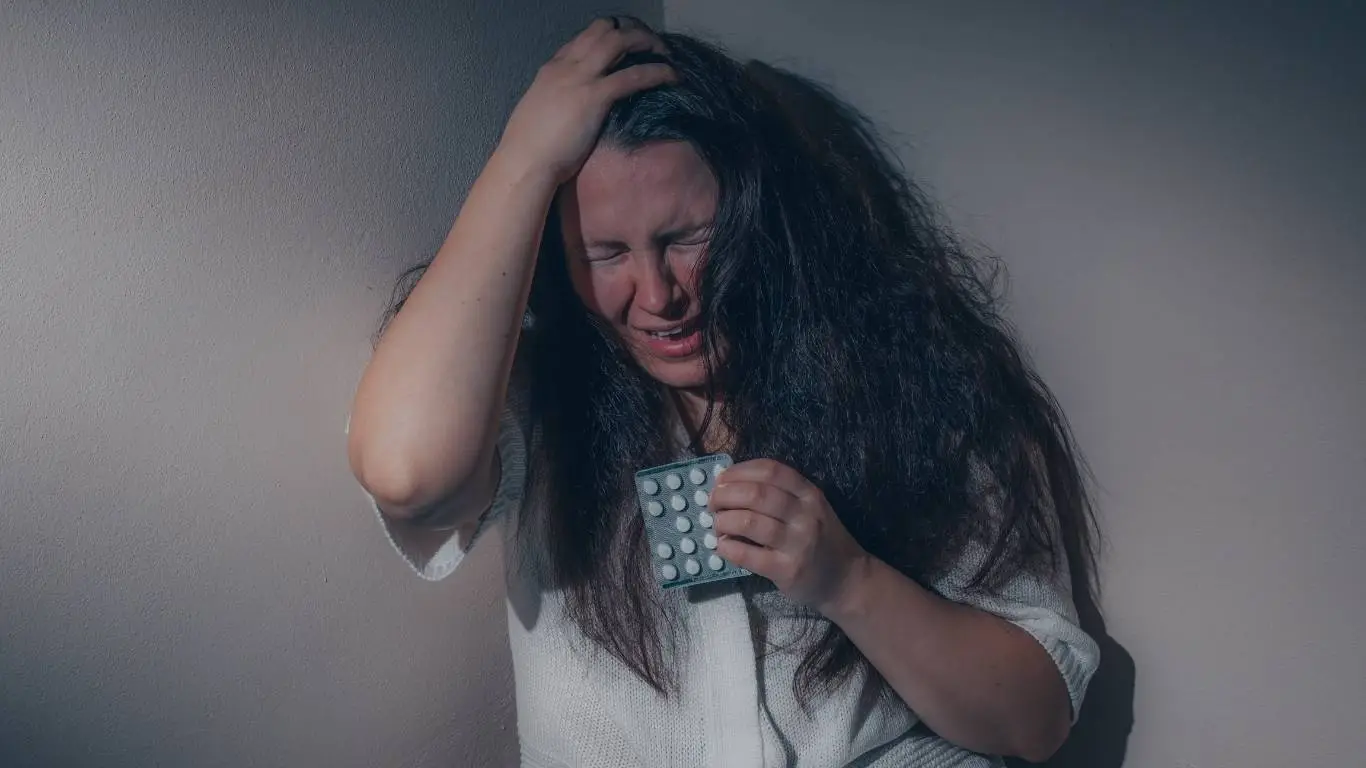
I didn’t realize how isolating anxiety could feel until I tried to manage all of it alone. I thought it was strength. But real strength, it turns out, was letting people in—friends, mentors, and yes, a therapist who didn’t just nod and take notes. She challenged me. She gave me tools.
Types of support that actually help:
- Therapy: Especially approaches like Dialectical Behavior Therapy or ACT.
- Peer groups: Check out how support groups work—they’re more helpful than you’d think.
- Online resources: Carefully chosen blogs and expert-backed guides. Not random TikTok threads.
It also helped to stop treating anxiety like a personal defect. It’s not. It’s a signal. A message that something’s off. When I finally started understanding that, I stopped fighting it and started managing it.
Move Your Body—but Gently
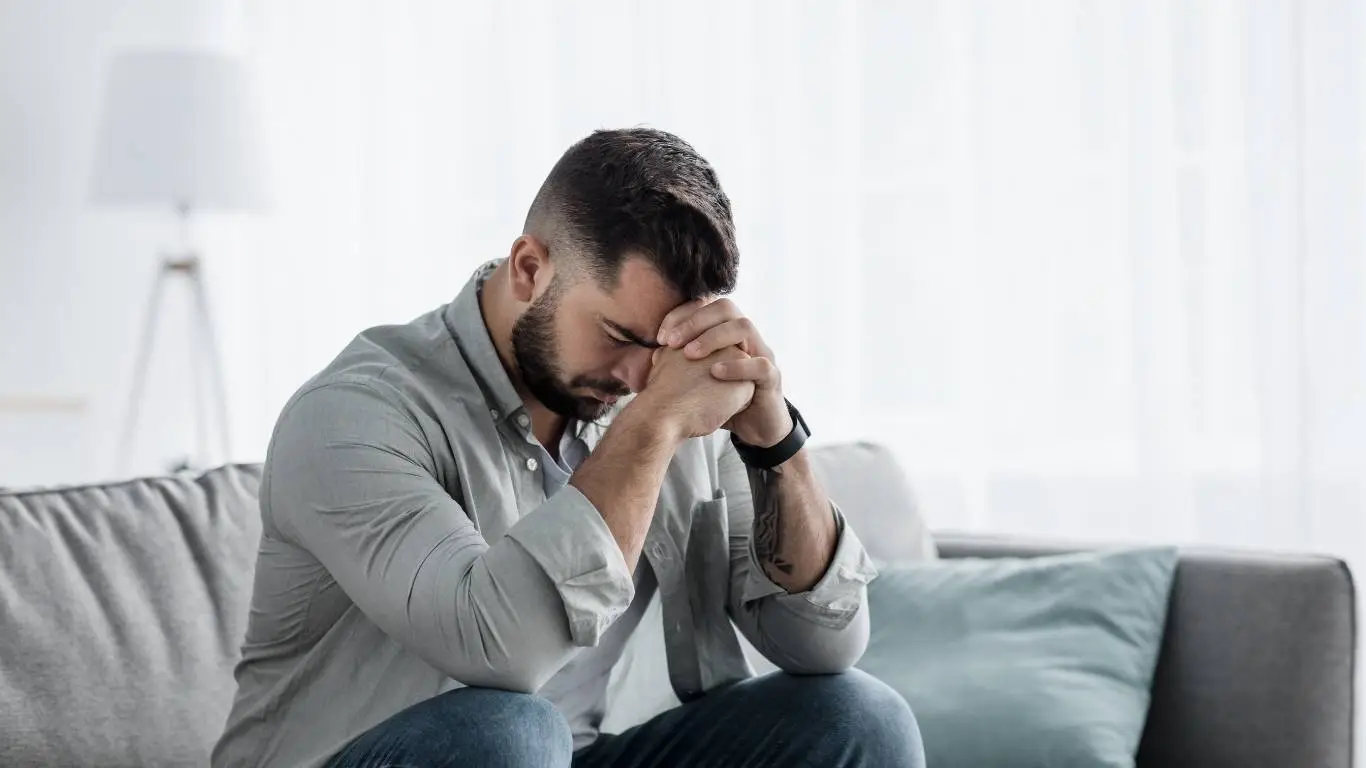
After an anxiety attack, going full cardio isn’t always the best move. Your body just ran a marathon of stress hormones. What it really craves? Gentle movement.
For me, walking is magic. No music. Just me, fresh air, and my breath. If I’m inside, a few stretches while focusing on my body’s sensations helps a lot. There’s a reason so many people swear by yoga for anxiety. You can learn more about that here.
Movement resets cortisol. It gives that buzzing energy somewhere to go. But this isn’t about “fitness goals.” This is nervous system therapy, done gently, daily.
Know When to Go Deeper

If anxiety attacks are happening often, or if calming down feels harder every time, please don’t brush it off. It’s not weakness. It’s a signal that you may need more structured support. And that’s okay.
Start by reading this diagnosis guide—it walks you through what’s normal and what may require more than coping tools. The earlier you understand what’s happening, the easier it becomes to heal it—not just hush it.
And if you’ve ever wondered whether anxiety is silently shaping your entire lifestyle, I highly recommend going through this main article that breaks down how chronic anxiety often becomes a hidden decision-maker.
For a broader understanding of the condition itself—including symptoms, causes, and treatment options—don’t skip this helpful resource: Types & Diagnosis of Anxiety Disorders.

Camellia Wulansari is a dedicated Medical Assistant at a local clinic and a passionate health writer at Healthusias.com. With years of hands-on experience in patient care and a deep interest in preventive medicine, she bridges the gap between clinical knowledge and accessible health information. Camellia specializes in writing about digestive health, chronic conditions like GERD and hypertension, respiratory issues, and autoimmune diseases, aiming to empower readers with practical, easy-to-understand insights. When she’s not assisting patients or writing, you’ll find her enjoying quiet mornings with coffee and a medical journal in hand—or jamming to her favorite metal band, Lamb of God.