How to Cope With Anxiety in Parenting Toddlers Without Losing Yourself
It’s 8:03 AM, and I’m already holding back tears. My toddler just smeared yogurt into the dog’s fur while simultaneously demanding the exact blue cup that mysteriously vanished yesterday. If that sounds like your morning too, then yep—we’re probably in the same boat. Parenting toddlers is a full-contact sport, emotionally speaking. And anxiety? Oh, it doesn’t just knock; it moves in, unpacking right next to the diaper bag.
Understanding the Anxiety that Comes with Parenting Toddlers

Anxiety in parenting toddlers isn’t just “mom stress” or “dad burnout.” It’s the deep, twisting kind that shows up in your chest when your toddler throws a tantrum in a quiet store aisle, or when you lie awake replaying every word you said that day. That sense of being “on” all the time? It adds up fast.
But Why Toddlers Specifically?
Toddlers are walking contradictions—fiercely independent one second, inconsolably clingy the next. They’re learning everything at once and testing every boundary, and that unpredictability is what fuels anxiety in many parents. I used to feel on edge constantly, never sure what would trigger a meltdown: the wrong spoon, the wrong socks, or simply… existence.
Psychologists often call this anticipatory anxiety—worrying about future tantrums, conflicts, or moments when you might not be your “perfect parent” self. According to the American Psychological Association, prolonged stress of this type can snowball into generalized anxiety if left unaddressed.
Signs You Might Be Experiencing Parenting-Induced Anxiety

- Constant irritability or emotional outbursts
- Trouble sleeping even when your child sleeps
- Racing thoughts about worst-case scenarios
- Feeling mentally foggy or exhausted by noon
- Avoiding social situations or public outings with your child
Some of these were subtle for me—I didn’t even realize I was snapping more often until my partner gently pointed it out. It’s hard to admit you’re struggling when the world expects parenting to be this joyous, fulfilling chapter. And yes, it *can* be that too—but not 24/7.
For a deeper dive into how these symptoms can spiral, the symptoms of anxiety disorders article breaks it down in a way that really hit home for me.
Why You’re Not Just “Overreacting”

This one matters. A lot of parents I’ve spoken to (and let’s be real, myself included) dismissed our anxiety as “just stress.” But studies have shown that anxiety in early parenting stages, especially toddlerhood, can increase the risk of postpartum anxiety extending longer than expected—even into year three and beyond. The National Institute of Mental Health even categorizes parental anxiety as a legitimate mental health concern that deserves the same attention as postpartum depression.
One internal resource that I leaned on was this guide on psychotherapy and counseling for anxiety disorders. It helped normalize the need for external support—and more importantly, reminded me I wasn’t weak for needing it.
Healthy Coping Strategies When You’re Feeling Overwhelmed

1. The Power of Pausing
I learned the hard way that reacting in the heat of a toddler tantrum usually backfires. One of the most effective changes I made was just… pausing. Literally stepping into another room for 30 seconds if safe. Breathing deeply. Regulating *my* emotions before trying to guide theirs. Turns out, kids co-regulate their nervous systems with ours. If you’re calm, it helps them calm down too.
2. Rethinking Expectations
Let go of the Pinterest-perfect parenting image. Toddlers are messy, emotional chaos goblins. You showing up, doing your best, and keeping them safe is already enough. I started practicing this mantra: “Perfect isn’t the goal. Present is.” Honestly? Life-changing.
3. Anchoring Routines
Both you and your toddler need anchors—routines that ground the chaos. Try creating a rhythm: breakfast, play, nap, outdoor time, wind-down. Nothing rigid, but enough structure to reduce decision fatigue (and yes, *that’s* a real thing that fuels anxiety).
4. Use Gentle Movement
Chasing toddlers counts as cardio, sure—but gentle walks, stretching, or even a few yoga poses at nap time helped reset my nervous system. It’s not about losing weight; it’s about helping your body process cortisol and find calm again.
5. Identify Your Triggers
Keep a journal or voice note app handy. After meltdowns (yours or theirs), reflect: What triggered it? What made it worse? What helped? Patterns emerged for me that I never saw before—and just naming them gave me power over them.
One incredible article I recommend is how anxiety shows up during parenting. It captures the invisible weight so many of us carry and offers practical steps I actually used and still return to.
When Coping Alone Isn’t Enough

Sometimes, the weight is just too much—and that’s okay. I reached a point where reading parenting blogs and trying “mindfulness moments” didn’t cut it. I needed help. Whether that looks like talking to your partner more openly, finding a parenting support group, or speaking to a therapist, remember this: asking for help isn’t weakness. It’s strategy.
For a deeper dive into real solutions that combine professional and lifestyle changes, this guide on lifestyle and self-help for anxiety changed how I approach every day.
And if you’ve ever felt like your entire day revolves around suppressing panic attacks while raising a toddler, this main anxiety pillar article truly unpacks what it feels like when anxiety secretly runs your life.
For those looking to better understand how your anxiety might be tied to parenting routines, boundaries, or lack of sleep, the insights in this pillar article really helped connect the dots.
Building a Sustainable Mental Health Routine

There’s no one-size-fits-all “fix” for anxiety when you’re parenting toddlers. But what has made a real difference for me is building a repeatable mental health routine. Think of it like brushing your teeth—daily maintenance that keeps things from spiraling. These routines don’t have to be perfect; they just need to be consistent.
Micro Habits That Actually Help
- Five-minute check-ins: Every morning, ask yourself: “What do I need today?” It sounds simple, but it shifts your mindset before chaos begins.
- Mini resets: Step outside for a breath of fresh air, even if it’s just three deep inhales on the porch with a baby monitor in hand.
- Evening digital shutoff: Scrolling parenting forums at midnight isn’t self-care. Trust me—I’ve been there. Set a digital curfew and stick to it.
One approach that changed the game for me was journaling. Not pages and pages—just bullet points. What worked today? What didn’t? What moment made me smile? That small shift helped me zoom out and stop catastrophizing.
When You Feel Alone (But Aren’t)

I wish more people talked about how isolating parenting anxiety can be. You feel like you’re the only one cracking under pressure while everyone else is thriving in their Instagram-perfect routines. Spoiler alert: they’re not.
Support groups—virtual or local—have been lifesavers for many. Just hearing someone else say “Me too” can be healing. If you’re unsure where to start, check out this breakdown of how support groups can benefit mental health. Even if you never speak, simply listening can shift your perspective.
Another powerful tool? Therapy. If that feels intimidating, cognitive behavioral therapy (CBT) was personally transformative for me. It helped reframe my spiraling thoughts into manageable challenges. Here’s a great read on the CBT process that actually works.
Balancing Self-Care Without the Guilt

I used to think “self-care” meant bubble baths or spa days—things I didn’t have time or budget for. But real self-care in parenting anxiety is often boring, quiet, and practical.
- Hydrate. No, really. I was amazed at how my mood stabilized once I drank enough water daily.
- Say no. Declining a playdate because you need mental space isn’t rude—it’s healthy.
- Sleep swaps. My partner and I created “sleep nights” where one of us got uninterrupted sleep, even if it meant earplugs and the guest room.
If you’re exploring natural ways to ease anxiety alongside your parenting duties, breathing exercises and muscle relaxation have been real anchors for many overwhelmed parents.
When Professional Help is the Healthiest Move

There’s still so much stigma around seeking help for parenting anxiety—especially when toddlers are “supposed” to be the joyful years. I waited longer than I should have to talk to a professional, convincing myself I could “power through.” That didn’t work.
Seeing a therapist didn’t make me weak. It made me strong enough to stay present with my child, even when things got chaotic. That alone made it worth every session. And if therapy isn’t an option, even your primary care doctor can help start that journey. Diagnosis and professional assessment can be empowering. If you’re curious, here’s a look at diagnostic tests that can give you clarity and direction.
For anyone needing medical options that work alongside daily routines, this guide on treatments that actually work is packed with insight from both professionals and real parents.
Long-Term Vision: Raising Kids Without Losing Yourself
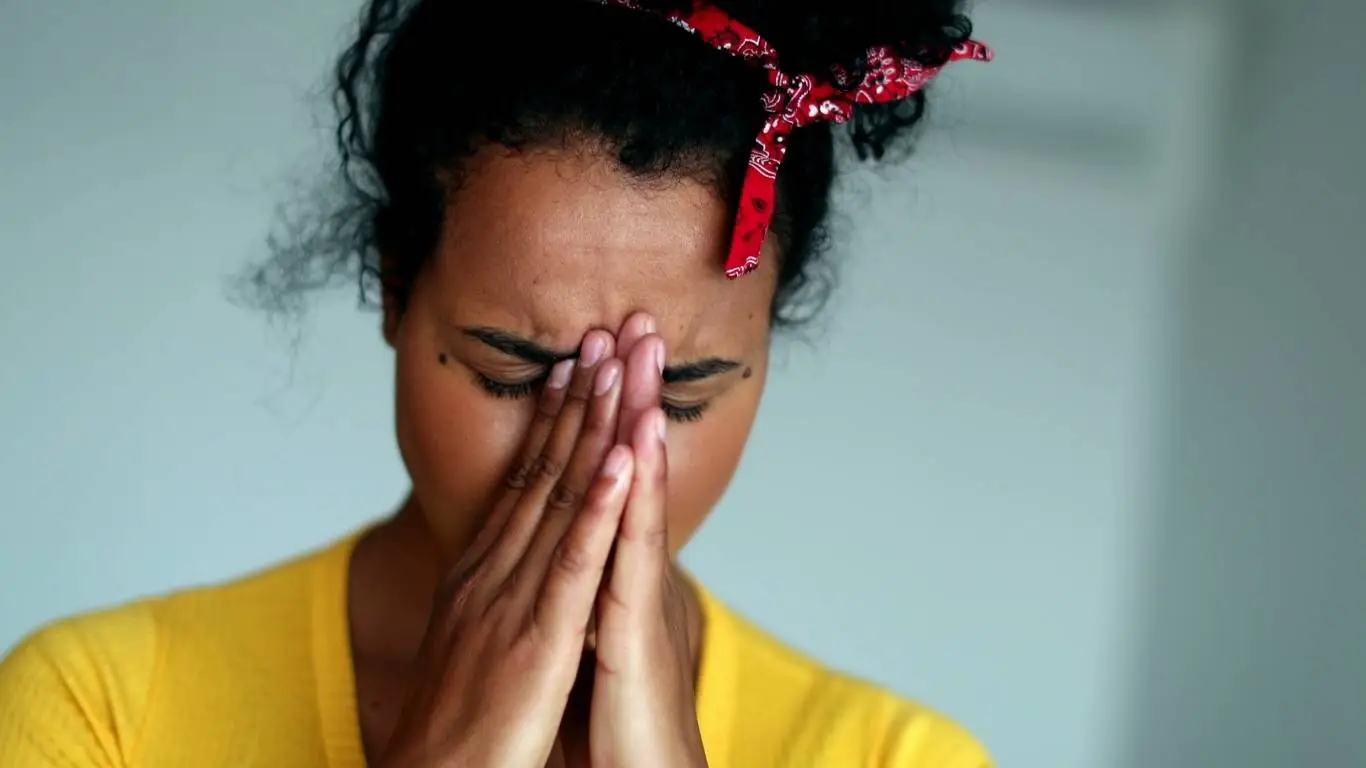
When I think back to the toughest seasons of parenting my toddler, I remember feeling like I was disappearing. Anxiety blurred the edges of my identity. But that doesn’t have to be the ending. In fact, for me, that was the turning point.
You’re not just surviving toddlerhood—you’re modeling emotional resilience, even if it’s messy. Every time you pause instead of explode, breathe instead of snap, ask for help instead of hiding it—you’re showing your child what strength really looks like.
And if you’re ready to explore how your day-to-day life may be quietly shaping your anxiety, this pillar article connects all the dots between daily rhythm, overwhelm, and mental fatigue.
One last reminder: you’re not alone in this. And yes, you’re doing better than you think. For a broader perspective on how anxiety sneaks into every parenting crevice, take a moment with this main anxiety article. It was a comfort read when I needed it most—and maybe it’ll be that for you, too.

Camellia Wulansari is a dedicated Medical Assistant at a local clinic and a passionate health writer at Healthusias.com. With years of hands-on experience in patient care and a deep interest in preventive medicine, she bridges the gap between clinical knowledge and accessible health information. Camellia specializes in writing about digestive health, chronic conditions like GERD and hypertension, respiratory issues, and autoimmune diseases, aiming to empower readers with practical, easy-to-understand insights. When she’s not assisting patients or writing, you’ll find her enjoying quiet mornings with coffee and a medical journal in hand—or jamming to her favorite metal band, Lamb of God.