How To Manage Anxiety During Family Vacations Without Losing Your Sanity
Planning a family vacation should feel exciting. But if you’re anything like me, that thrill is often shadowed by a quiet storm of anxiety. I remember one summer trip to Bali — flights booked, itinerary set, everything “perfect” on paper. Yet, days before departure, my chest felt tight, sleep vanished, and every minor hiccup felt like a full-blown crisis. That’s when I realized vacation anxiety is real, and it needed serious attention.
Why Family Vacations Trigger Anxiety in the First Place
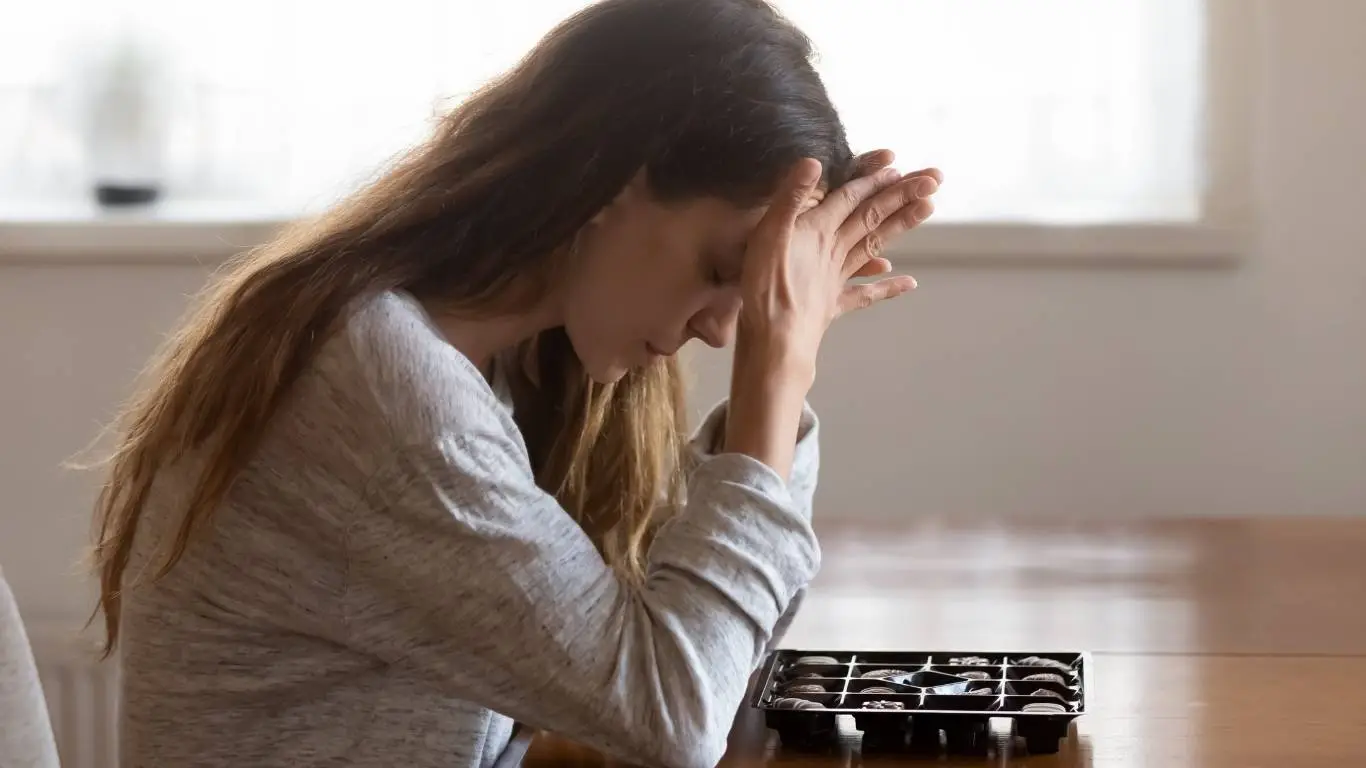
On the surface, family vacations are meant to be relaxing. But for many, they ignite a mix of anticipatory stress, overstimulation, and control loss. That combo? A recipe for mental overload.
The Pressure to Make Everything “Perfect”
We want our families to have fun, make memories, and post those envy-worthy Instagram moments. But the truth is, this expectation creates unrealistic pressure. If the hotel’s not right, someone gets sick, or the kids fight — we blame ourselves. That constant mental loop can lead to spiraling thoughts and even panic.
Overplanning and Decision Fatigue
Trying to manage activities, meals, transportation, and everyone’s mood? It’s like project management on steroids. When my mind has too many tabs open, I freeze — or worse, obsess over trivial details like which flip-flops to pack.
Loss of Routine Feeds the Chaos
When you’re away from your usual rhythm — sleep, meals, work structure — anxiety often fills the gap. I’ve found that the absence of structure creates a sense of groundlessness, especially for people already dealing with generalized anxiety.
Pre-Vacation Anxiety: How to Spot It Early
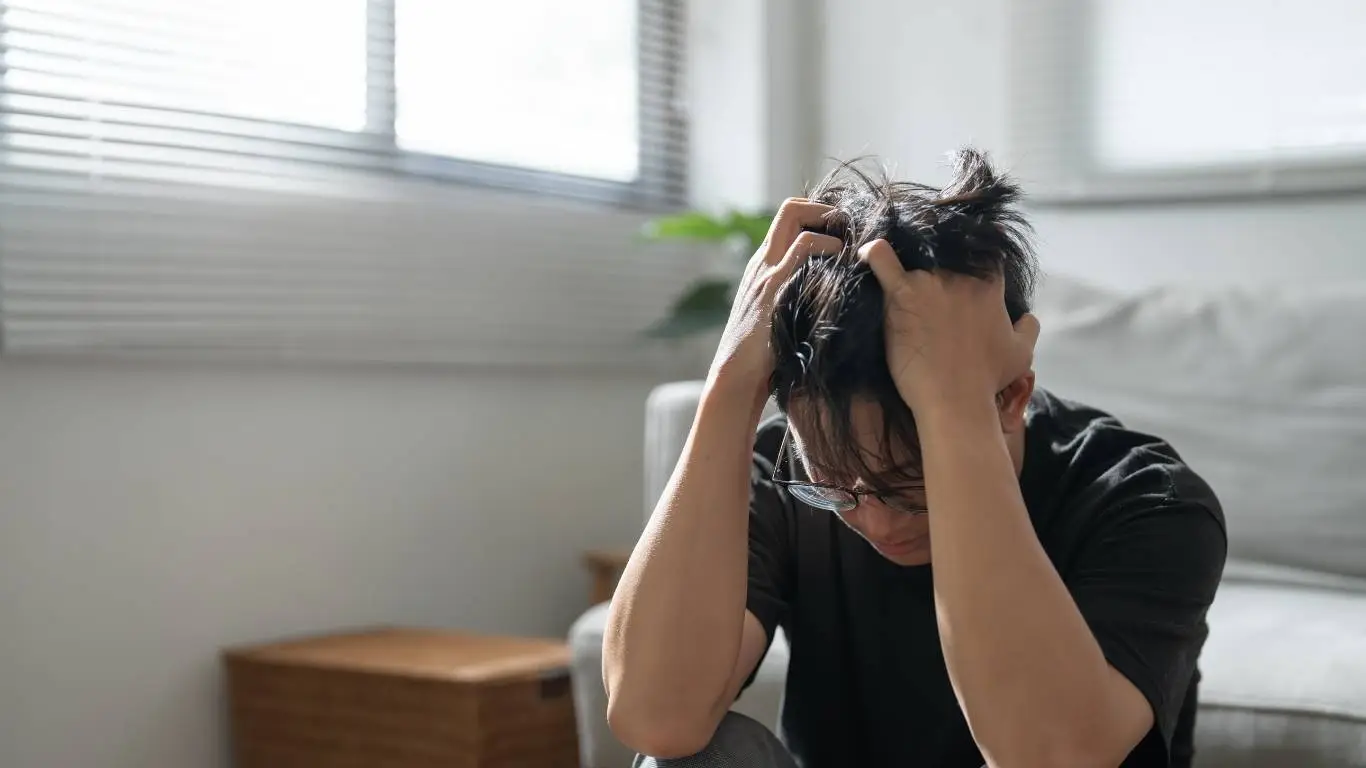
Anxiety doesn’t always scream; sometimes it whispers through small behaviors before the trip even starts. Recognizing it early gives you the upper hand.
- Difficulty sleeping or racing thoughts before departure
- Obsessively checking booking confirmations or packing lists
- Snapping at family members over tiny things
- Stomach issues or headaches with no medical cause
- Constant “what if” thoughts (What if we miss our flight? What if my kid gets sick?)
These signs aren’t just quirks — they’re your body waving a red flag.
Strategies That Actually Help (From Someone Who’s Been There)

Build a Flexible Framework, Not a Rigid Plan
I used to create color-coded itineraries. Now, I block off one or two must-do activities per day and leave room for spontaneity. It reduces pressure and allows for organic fun — the kind we actually remember.
Include “Calm” in the Itinerary
Schedule downtime. Whether it’s an hour alone by the pool, a 10-minute breathing exercise, or skipping a crowded attraction, calm should be intentional, not accidental.
Establish a Grounding Routine
Even on vacation, I still start my day with 5 minutes of stretching and journaling. Familiar routines can anchor you when the environment feels chaotic. It’s a proven tactic in lifestyle-based anxiety management approaches. Check out more from this guide on using lifestyle for anxiety support.
Delegate. Seriously, Delegate.
You don’t have to be the hero. Let your partner handle the rental car pickup. Assign the teens to choose one dinner spot. Delegating not only lowers stress, it creates shared ownership of the trip.
Plan for Disruption (Not Against It)
Flights will delay. Kids will get hangry. Something will go wrong. Knowing this ahead of time flips the narrative from “I failed” to “I expected this.” That mindset shift? Game-changing.
What to Pack for Anxiety Relief

While packing your sunscreen and sandals, don’t forget items that support your mental wellness too. Here’s what’s in my personal anxiety kit:
- Noise-canceling headphones – For flights, chaos, or solo wind-down time
- Chamomile tea bags – Natural, simple calming ritual before bed
- Favorite essential oil – Lavender works for me, but you do you
- Journal or notes app – To unload racing thoughts
- Comfortable, familiar items – A scarf, photo, or anything that feels like “home”
According to experts at National Institute of Mental Health and Mayo Clinic, grounding techniques like these are effective in real-time anxiety situations.
When to Seek Extra Support

If vacation anxiety leads to panic attacks, stops you from booking trips, or damages family relationships, don’t tough it out alone. Tools like CBT for anxiety or short-term medication (in some cases) can be transformative.
In fact, a deeper understanding of how anxiety quietly controls everyday life is covered brilliantly in this breakdown.
If you want to explore more about identifying the symptoms before they spiral out of control, this piece on anxiety disorder symptoms is incredibly eye-opening and might help you catch early signals you’ve been brushing aside.
How to Stay Calm *During* the Family Vacation
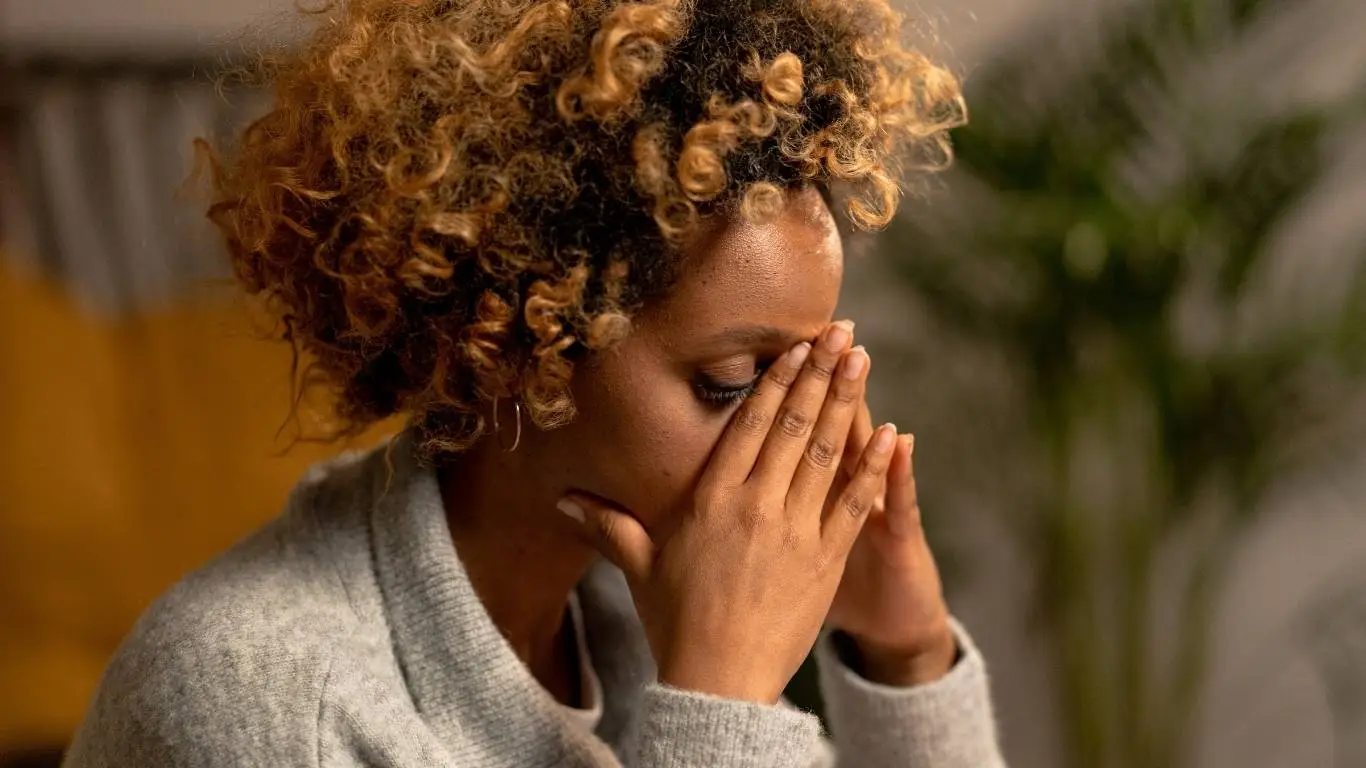
You’ve made it — bags unpacked, itinerary ready. But if you’re anything like me, anxiety doesn’t magically disappear after check-in. It sneaks in when your toddler has a meltdown at dinner or when you’re navigating traffic in an unfamiliar city. Managing anxiety during the trip itself is a whole different game. Here’s what’s helped me keep it together (most days, anyway).
Use the “Reset Button” Trick
This isn’t some woo-woo concept. When I feel anxiety creeping up, I physically step away — to the bathroom, a nearby bench, or even a short solo walk. I take a few deep breaths, remind myself this moment isn’t permanent, and mentally “reset.” That tiny pause has saved me more times than I can count.
Lower Your “Fun Bar”
Here’s the secret I learned the hard way: You don’t need every moment to be magical. One good laugh at lunch, or watching your kid jump in the pool — that’s enough. Lowering the bar from *epic adventure* to *simple connection* makes space for presence. It quiets that inner critic demanding perfection.
This one’s tricky. While openness can be healthy, venting every anxious thought to your partner or kids mid-trip might cause tension or concern. Instead, text a trusted friend or use a journaling app. Let the steam out without making your vacation companions carry it.
Watch Your Caffeine and Sugar
Vacation treats are fun, but I’ve noticed sugary cocktails or that second espresso spike my anxiety fast. Not saying you should cut it all out — just notice the patterns. If you’re curious about how certain foods mess with your mood, this deep dive on sugar and anxiety really opened my eyes.
Embrace “Mini Wins” Daily
Maybe the restaurant had a wait, but you handled it calmly. Maybe you made it through a hike without overthinking. Acknowledge those wins. It’s not self-congratulation — it’s nervous system support. Your brain needs evidence that you’re doing okay.
Helping Kids (and Partners) Manage Vacation Stress

Let’s be real: when kids are overstimulated or your partner’s stressed, it doesn’t exactly help your anxiety. But I’ve learned that supporting their calm supports mine. It’s a ripple effect.
Normalize Their Emotions
“It’s okay to feel nervous” works better than “You’re fine.” Kids (and adults) crave validation. When I stopped trying to fix every meltdown and just held space, everyone relaxed — including me.
Teach Simple Calming Techniques
- For little ones: Blowing bubbles (deep breathing in disguise)
- For teens: Quiet time with music or a book
- For your partner: Code words for “I need a break” moments
If your child struggles with more intense anxiety episodes, this guide on teen social anxiety covers real-world solutions you can adapt for travel too.
Where Mindfulness Actually Helps Without Feeling Forced

Look, I’m not the kind of person who chants mantras on mountaintops. But mindfulness, in small doses, has helped me shift my relationship with anxious thoughts during family trips.
Use Your Senses to Anchor You
When the noise and chaos build up, I stop and focus on five things I can see, four I can touch, three I can hear, two I can smell, one I can taste. That simple grounding exercise snaps me out of future-tripping and into the now.
Mindful Transitions Matter
Before heading out for the day or settling in at night, take one minute (literally one) to breathe deeply. It creates a buffer between chaos and calm. And if you want a more structured approach, this mindfulness meditation overview is a solid place to start — no spiritual jargon, just science-backed tools.
Keep a Digital or Physical Anchor

One of my must-haves during trips? A quick-access list titled “What Helps Me.” It lives in my phone notes and includes reminders like:
- “Drink water and take 5 deep breaths”
- “You’ve done harder things than this”
- “Step away for 10 minutes”
- “Talk to [insert name] if needed”
Some folks even pack comfort objects or anxiety tools like progressive muscle relaxation exercises on a card. The point is — don’t expect your anxious brain to remember helpful things in the moment. External reminders help.
How to Recover When the Trip Doesn’t Go As Planned
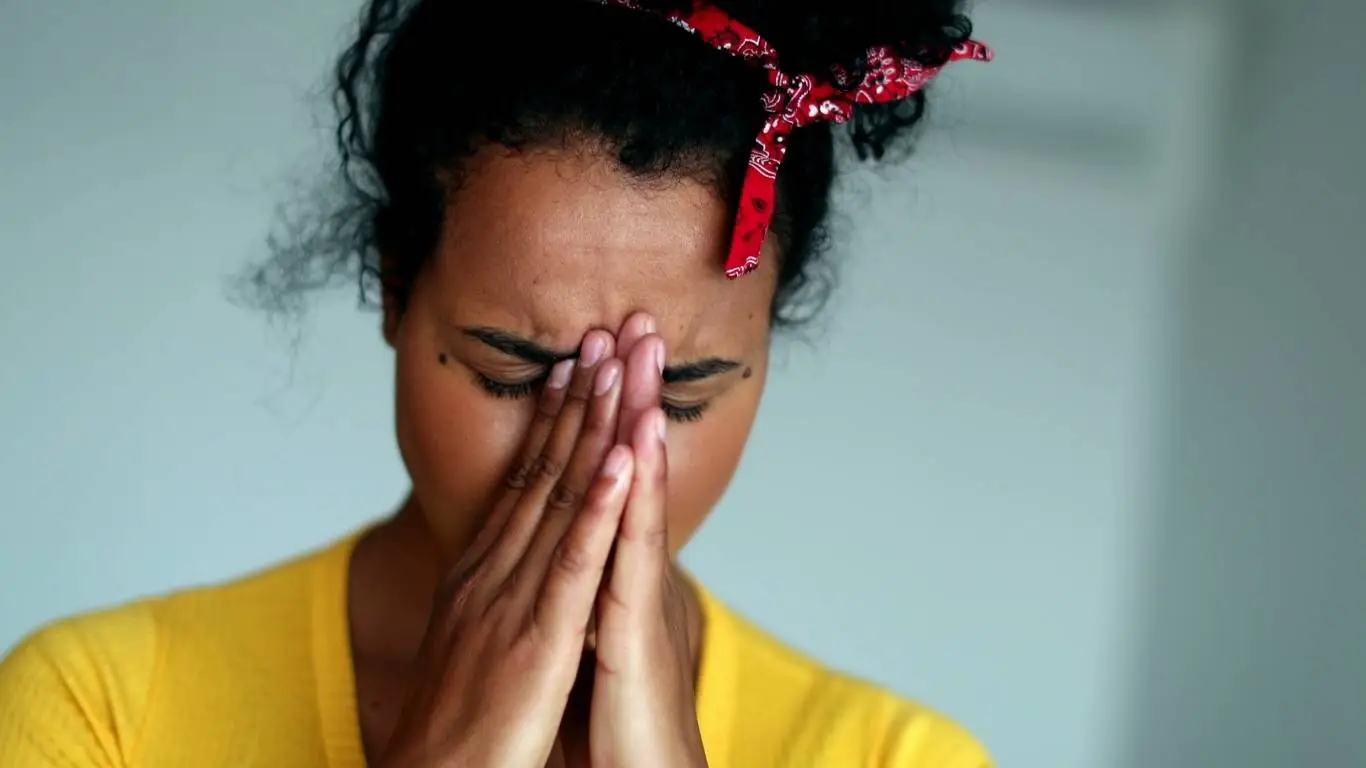
We all want the trip to be a highlight reel. But if it ends in tension, meltdowns, or regrets — that doesn’t mean you failed. It means you’re human. I’ve had vacations where I came home feeling more drained than refreshed. And yet, those experiences became blueprints for doing better next time.
Debrief Honestly (But Gently)
Instead of jumping to “Let’s never do that again,” try “What actually worked? What didn’t?” These convos, especially with your partner, build emotional resilience. If anxiety played a huge role, dig deeper with tools like diagnostic self-assessments to uncover if there’s something more chronic going on.
Give Yourself Recovery Days
Don’t schedule back-to-back activities the moment you return. I block off 1-2 “re-entry” days with minimal obligations. It’s the psychological equivalent of unpacking slowly instead of dumping your suitcase into Monday morning.
If vacation anxiety is a recurring pattern, this main article on hidden anxiety impacts really puts it in perspective — and helps you realize you’re far from alone in this.
To better understand how anxiety can show up in everyday disruptions (especially in transitions like travel), I highly recommend checking out this breakdown on anxiety’s subtle impact on routines.

Camellia Wulansari is a dedicated Medical Assistant at a local clinic and a passionate health writer at Healthusias.com. With years of hands-on experience in patient care and a deep interest in preventive medicine, she bridges the gap between clinical knowledge and accessible health information. Camellia specializes in writing about digestive health, chronic conditions like GERD and hypertension, respiratory issues, and autoimmune diseases, aiming to empower readers with practical, easy-to-understand insights. When she’s not assisting patients or writing, you’ll find her enjoying quiet mornings with coffee and a medical journal in hand—or jamming to her favorite metal band, Lamb of God.