How to Manage Anxiety While Grocery Shopping Without Feeling Overwhelmed
It was a simple Sunday morning, and all I needed were eggs and bread. But as soon as I stepped into the fluorescent chaos of the grocery store—crowded aisles, beeping scanners, clinking carts—my heart started pounding. I wasn’t in any danger, but my body didn’t get the memo. Grocery shopping with anxiety can feel like running a marathon inside your mind. And if you’ve felt that wave of panic in aisle 5, you’re far from alone.
Why Grocery Stores Are a Hotspot for Anxiety

Grocery shopping might seem mundane to many, but for those of us dealing with anxiety, it can be a full-blown sensory overload. The combination of unpredictable social encounters, bright lighting, decisions, time pressure, and constant noise is like a recipe for a meltdown.
Decision Fatigue Is Real
You’re faced with hundreds of options—brands, prices, quantities. Just choosing the right cereal can take mental gymnastics. That kind of constant decision-making drains your focus and increases internal pressure, triggering that anxious loop.
Sensory Triggers All Around
The harsh lighting, smells from the deli, loudspeaker announcements—these small things can easily activate a fight-or-flight response, especially if you live with sensory sensitivity or generalized anxiety disorder.
According to National Institutes of Health, environments with high sensory input can be overwhelming for those with anxiety disorders, especially when they’re tied to unpredictability or social evaluation.
Simple, Grounded Strategies That Work in the Real World

What finally helped me wasn’t some grand therapy session (though those help)—it was small, consistent strategies I adapted over time. And no, you don’t have to avoid the store altogether (unless you want to). You can reclaim that errand—on your terms.
1. Prep Like a Pro
Making a solid list ahead of time—yes, old-school style—helps remove the in-the-moment decisions that fuel anxiety. Group items by category (produce, dairy, frozen) so your brain doesn’t scramble aisle to aisle.
I also glance at the store layout online or in my head. Having a “mental map” of where everything is reduces wandering, which often triggers feelings of being lost or overwhelmed.
- Bonus Tip: Go during off-peak hours. Early mornings on weekdays are usually quieter.
2. Breathe Before You Go
I used to just white-knuckle it and hope for the best. Now, I take a few minutes to breathe deeply before walking in. A quick 4-7-8 breathing exercise settles my nervous system.
Breathing techniques are proven to reduce sympathetic nervous system activation. For simple methods, this guide on breathing exercises has been my go-to before big grocery runs.
3. Use Noise-Canceling Tools
For me, it was never the people—it was the sounds. A podcast or calming music through noise-reducing earbuds can take the edge off that auditory chaos.
- Just make sure to keep one ear slightly aware of your surroundings—safety first.
4. Keep It Short and Sweet
There’s no rule saying you have to do a mega-shop every time. If long grocery runs send you into a spiral, break your trip into two smaller ones. I stopped pressuring myself to get “everything” in one go, and it made a huge difference.
5. Practice Grounding Techniques Mid-Shop
When my mind starts racing between frozen peas and pasta, I do a quick grounding check-in:
- Touch something cold (freezer handles work)
- Name 3 things I see
- Take one big breath while letting my shoulders drop
This sounds simple, but overthinking in anxiety disorders feeds off disconnection. Grounding interrupts that loop, reminding you: “I’m okay. I’m safe.”
When the Anxiety Feels Too Much

There were times I’d walk out mid-shop, abandoning a half-filled cart. At first, I saw that as a failure—but now I recognize it as self-respect. If you’re overwhelmed, step outside. Sit in the car. Regulate, then return—or not. Your mental health isn’t negotiable.
And if it’s happening frequently, you’re not overreacting. It might be time to explore therapy-based support. Therapeutic tools like CBT or exposure therapy can offer sustainable ways to gradually reduce your reactions over time.
Know What You’re Up Against
If you’re unsure what kind of anxiety you’re dealing with, getting the right diagnosis matters more than most realize. This article on diagnosis and assessment breaks down common approaches that can give clarity, especially if your symptoms extend beyond shopping.
Plus, understanding the hidden impact of anxiety on your daily life brings more self-compassion into the picture.
Resources to Start Feeling In Control Again
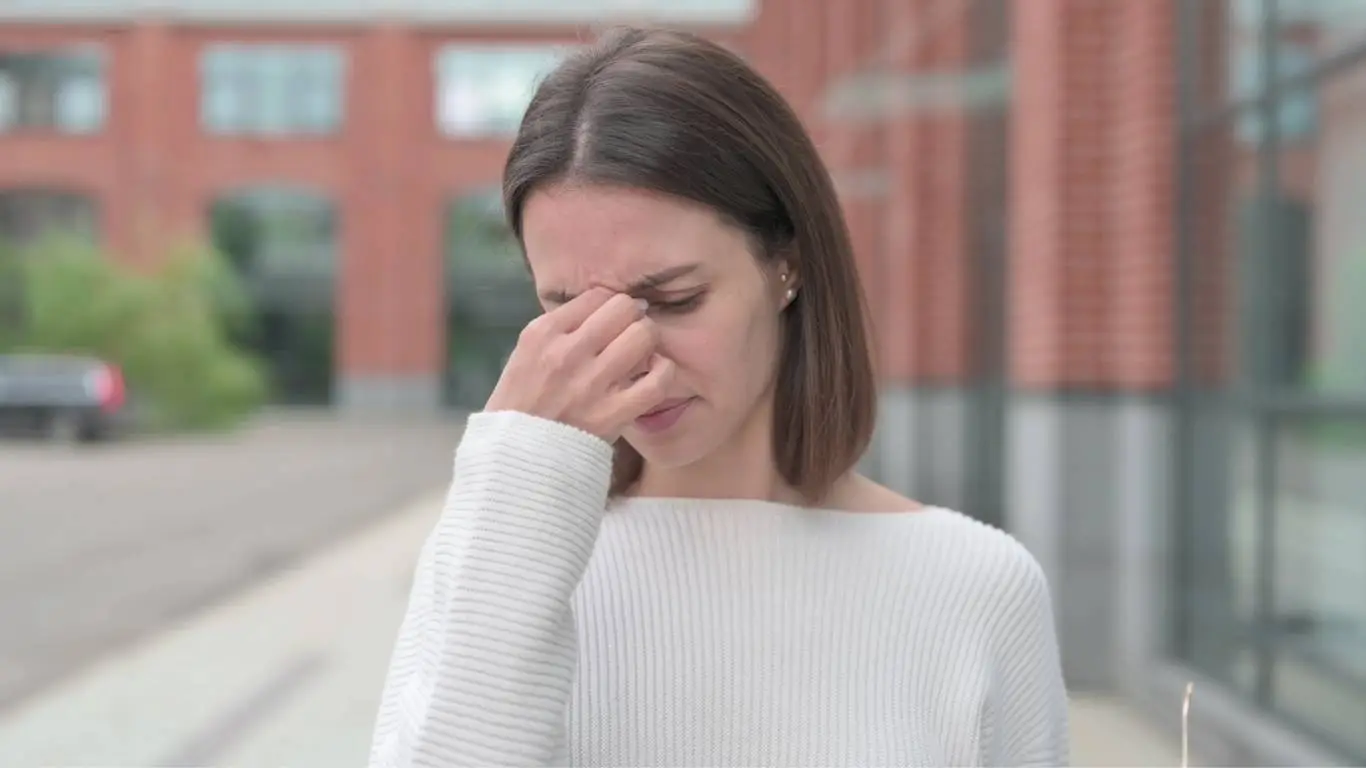
Managing anxiety while grocery shopping is more than just learning to “cope”—it’s about rewriting the experience. With the right mix of preparation, mindset, and tools, you can start feeling like you’re steering the cart again—instead of being dragged by it.
- For a deep dive into the lifestyle habits that support long-term anxiety relief, this breakdown covers everything from daily routines to small mindset shifts.
- Also, if you haven’t yet, explore the main guide on how anxiety quietly influences everyday life.
What If Grocery Anxiety Isn’t Just About Shopping?

It took me a long time to realize my grocery store anxiety wasn’t about groceries at all. It was a symptom—of perfectionism, of sensory overload, of not wanting to be seen when I wasn’t “holding it all together.” For many of us, the store becomes a stage where our unspoken fears show up with a cart and a shopping list.
If your anxiety while shopping feels layered or persistent, it might connect to deeper patterns. Childhood experiences, social expectations, or unaddressed mental health challenges can all shape how we react in environments like stores. And that’s not weakness—it’s wiring. Understanding that rewires how we approach it.
Social Pressure and Performance Anxiety in Aisles
I’ve caught myself rehearsing what to say to a cashier, or feeling embarrassed over my full cart. That’s not logic—it’s social anxiety. You’re not “overreacting.” For some of us, performance anxiety doesn’t just hit before a speech—it hits at checkout.
Let’s normalize that. The more we understand these nuanced anxieties, the better we can respond with tools that match the challenge—not generic “deep breaths and push through” advice.
Build a Personalized Coping Toolbox

No one-size-fits-all technique works. Over the years, I’ve pulled from different strategies to build what I call my “coping toolkit.” Here are a few favorites you can mix and match:
- Journaling before and after: Processing anxious thoughts before you enter and reflecting afterward helps lower anticipatory anxiety. Use simple journaling prompts if your mind goes blank.
- Nutrition tweaks: I noticed I’d get lightheaded and tense in stores. Turns out, blood sugar crashes made my symptoms worse. Better snacks beforehand helped regulate that.
- Safe word or signal: If I shop with someone, I have a quick signal or word to communicate “Hey, I need a reset.” No explanation needed, just support.
Anchor Your Routine
Consistency is calming. I try to go to the same store, park in the same general spot, even use the same reusable bags. That sense of familiarity reduces the “what-if” unknowns that feed anxiety spirals.
Want more ideas? Here’s a deeper dive into building anxiety-friendly routines that actually stick.
Consider Extra Support—And That Doesn’t Mean You’re Failing

If your anxiety regularly disrupts your shopping or daily life, that’s not “just how it is.” That’s a sign you deserve more tools. Therapy helped me reframe how I saw those anxious moments—not as panic, but as a warning light.
CBT helped me stop that cycle of self-blame after an anxiety episode. And when anxiety was connected to trauma? EMDR therapy helped loosen the grip.
You might also explore treatment options that align with your symptoms, whether that’s therapy, medication, or holistic support.
And if you’re unsure where to begin, this complete overview of how anxiety is assessed and diagnosed is a great starting point.
When Everyday Life Is a Battleground

It’s wild how something as “small” as a grocery run can steal hours from your day—not just in the time it takes, but in the emotional labor before and after. I’ve had full days derailed from a 20-minute errand. That’s the invisible toll anxiety takes.
Recognizing that isn’t dramatic—it’s valid. You don’t need to “just push through.” You deserve systems that support your mental health, just like you’d use a ramp for an injured foot.
If your daily life feels like it’s being quietly controlled by anxiety, I’d recommend this powerful breakdown on how anxiety disorders impact everyday functioning. It hits close to home.
It’s Okay to Redefine What “Success” Looks Like

Success isn’t always checking every item off your list. Sometimes it’s walking into the store when your body screamed “don’t.” Sometimes it’s turning around and trying again another day.
And sometimes, it’s using curbside pickup and not apologizing for it.
Managing anxiety while grocery shopping isn’t about becoming fearless. It’s about learning how to navigate fear while still showing up for your life. That’s not weakness—it’s strength. Quiet, powerful strength.
If you’re looking for a complete guide to anxiety recovery strategies beyond the grocery aisle, I highly recommend reading this in-depth overview of self-help lifestyle tools for anxiety. You’ll find practical tools, mindset shifts, and support options to build your own version of peace.
And if you’re ready to understand anxiety at its root, don’t miss this foundational article on why anxiety disorders can quietly shape everything we do.

Camellia Wulansari is a dedicated Medical Assistant at a local clinic and a passionate health writer at Healthusias.com. With years of hands-on experience in patient care and a deep interest in preventive medicine, she bridges the gap between clinical knowledge and accessible health information. Camellia specializes in writing about digestive health, chronic conditions like GERD and hypertension, respiratory issues, and autoimmune diseases, aiming to empower readers with practical, easy-to-understand insights. When she’s not assisting patients or writing, you’ll find her enjoying quiet mornings with coffee and a medical journal in hand—or jamming to her favorite metal band, Lamb of God.