How to Reduce Floaters With Hydration for Clearer Vision
It started with a tiny spot drifting across my vision one morning — barely noticeable, but annoyingly persistent. If you’ve ever stared at a clear sky or a white wall and spotted shadowy cobwebs or threads moving when your eyes move, chances are you’ve encountered eye floaters. The good news? In many cases, they can be managed — and one surprisingly underrated way is through something as basic as staying hydrated.
What Are Eye Floaters, and Why Should You Care?
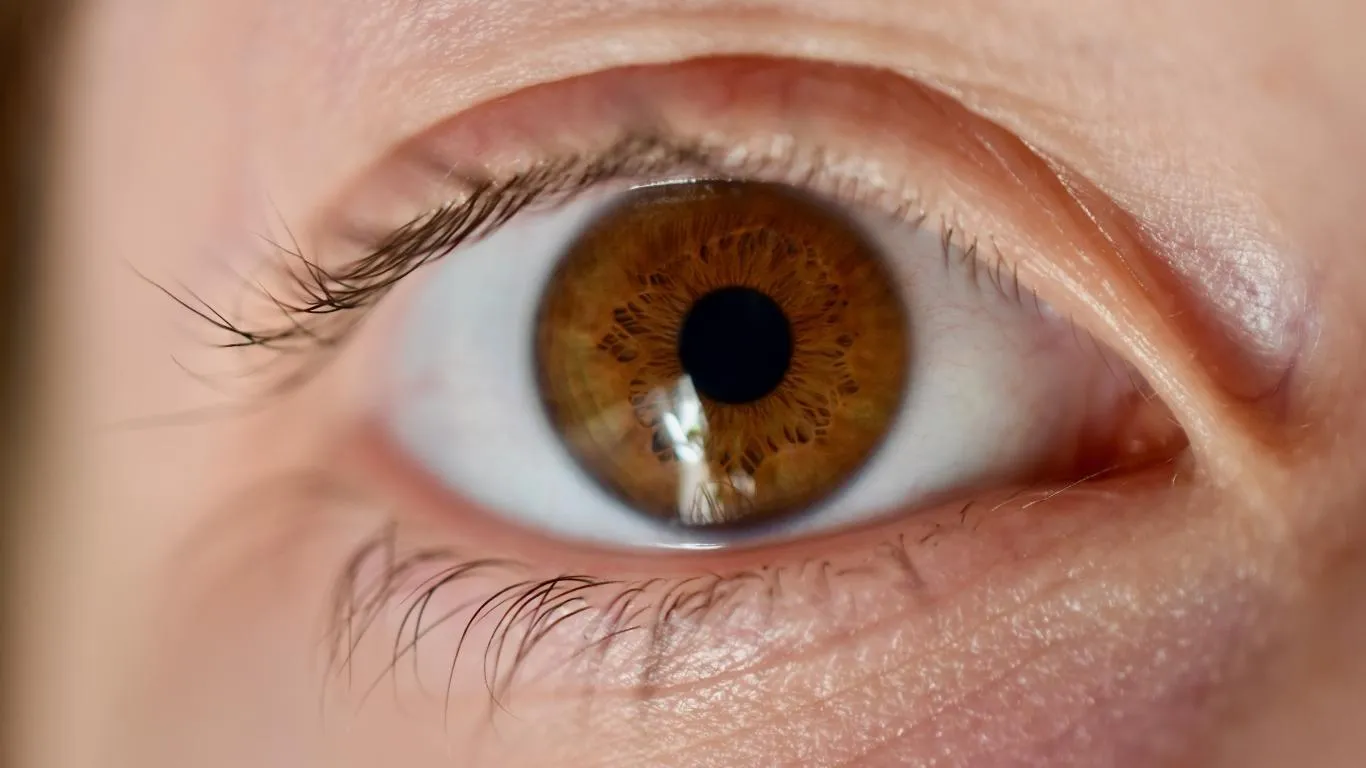
Floaters are those semi-transparent shapes — spots, squiggly lines, cobwebs — drifting across your visual field. They’re not on the surface of your eye, but actually inside the vitreous — that gel-like substance in the middle of your eye. As we age, or when exposed to stressors, the vitreous can start to break down or detach, and bits of collagen clump together, casting shadows on the retina. Voilà, floaters.
For some, floaters are a harmless quirk of vision. But for others, especially if they appear suddenly or in clusters, they can be distressing or even signal something more serious like retinal tears or inflammation.
Hydration and Eye Floaters: What’s the Link?
This might sound overly simplistic, but water plays a critical role in maintaining the health and consistency of the vitreous humor. The vitreous is made up of around 99% water and a small percentage of collagen and hyaluronic acid. When you’re dehydrated, this balance can shift, potentially leading to shrinkage, liquefaction, or clumping of collagen fibers — basically, a recipe for more floaters.
But Does It Really Work?
Here’s the deal: I was skeptical too. But after a particularly bad flare-up last summer, when I was drinking way too much coffee and nowhere near enough water, I noticed a difference after simply upping my hydration game. It didn’t magically erase them, but over a few weeks, those annoying little specks were noticeably fewer and less floaty. Coincidence? Possibly. But science backs this up.
Proper hydration helps maintain overall eye function, circulation, and nutrient delivery — all essential for the health of the vitreous. Dehydration, on the other hand, has been linked to worsened floaters according to this in-depth guide on the subject.
How Much Water Should You Actually Be Drinking?
There’s no universal rule that fits everyone, but aiming for 8–10 glasses a day is a solid place to start. If you’re active, live in a hot climate, or drink a lot of caffeine or alcohol, your body needs even more. I started keeping a 1-liter bottle on my desk — simple but effective. Seeing it regularly was enough to remind me to sip, not gulp. And trust me, your eyes will thank you.
Signs You Might Be Dehydrated (Even If You Don’t Feel Thirsty)
- Dry or sticky mouth
- Fatigue or dizziness
- Dry skin and chapped lips
- Less frequent urination or darker urine
- Headaches or lightheadedness
If you’re hitting any of these, it might be time to pick up that water bottle.
What You Eat Matters Too
Hydration doesn’t only come from drinking water. Foods rich in water — like cucumbers, watermelon, oranges, celery — all contribute to your fluid intake. Add those to your meals and you’re not just helping your eyes, but your skin, digestion, and overall energy levels too.
Some experts also suggest adding electrolyte-rich drinks (natural ones, not just sugary sports drinks) to maintain a better fluid balance. This is especially useful if you’re losing fluids through sweating, coffee, or diuretics. In some cases, deficiencies in essential vitamins and minerals may exacerbate floaters, which is why dietary improvements often go hand-in-hand with hydration efforts.
Why Some Floaters Worsen Despite Hydration
Let’s be real — hydration isn’t a cure-all. If your floaters are due to structural changes in the vitreous, like posterior vitreous detachment, you may still notice them regardless of how much water you drink. But what hydration does is support the surrounding systems: better circulation, less oxidative stress, and a more stable vitreous structure. It’s about stacking small wins, not chasing a silver bullet.
If your floaters came on suddenly, seem to be multiplying, or are accompanied by flashes or a shadow in your peripheral vision — stop reading and see an ophthalmologist. Hydration won’t help if there’s a tear or bleeding in your retina. But for everyday, annoying, drifting floaters? It’s a powerful (and free) tool.
What Else Can Help Alongside Hydration?
Some lifestyle tweaks that pair well with hydration include:
- Eye exercises: Gentle circular eye movements, focusing near and far alternately
- Reducing screen time: Especially during eye strain-heavy tasks
- Improving sleep: Poor rest can aggravate visual issues and floaters
- Getting regular eye exams: To catch other underlying issues early
There’s even evidence suggesting that recovery from certain infections may be aided by hydration. It’s not just about floaters — it’s about giving your body what it needs to maintain clarity, literally and figuratively.
For a broader look at all things related to eye floater causes and options to manage them naturally or medically, check out the comprehensive treatment guide here. You can also explore the main overview article on eye floater symptoms and causes to understand the bigger picture.
How Consistent Hydration Supports Long-Term Eye Health
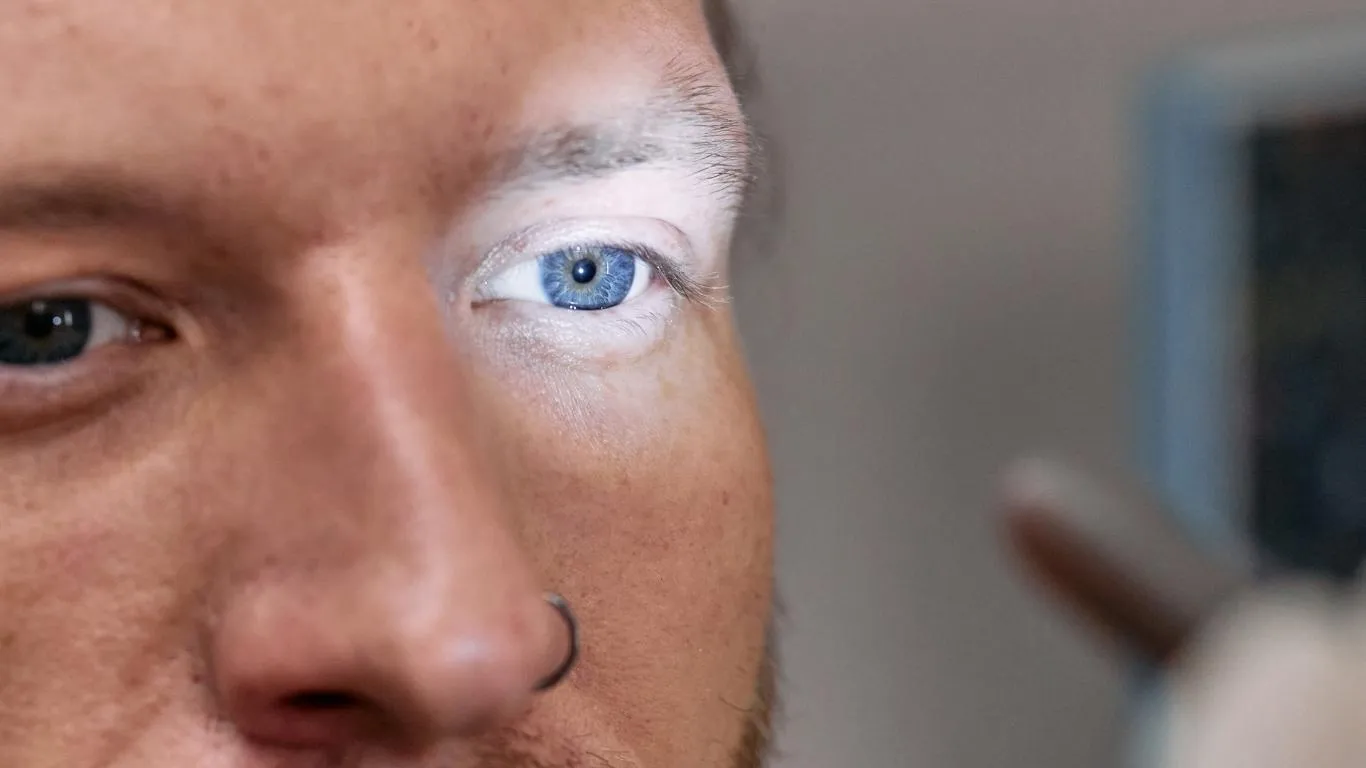
One thing I’ve learned on this journey is that staying hydrated isn’t a one-and-done solution. It’s about consistency. Your eyes are always at work — processing light, adjusting focus, reacting to movement — and they rely on a fluid environment to function properly. Dehydration can sneak in subtly, and if it becomes habitual, the results may slowly build up in the background. That’s exactly what happened in my case.
When I made water intake a non-negotiable part of my day, not only did my floaters stabilize, but my eyes also felt less tired after screen-heavy work sessions. According to research on ocular hydration and vitreous degeneration, hydration supports the eye’s metabolic waste removal process, which may help reduce floaters that are worsened by oxidative stress or poor circulation. And this isn’t just personal theory — National Eye Institute supports the role of hydration in overall ocular wellness.
How to Build a Hydration Habit Without Overthinking It
- Keep a bottle at your desk, in your bag, or by your bed — visual cues work wonders.
- Drink a glass of water right after brushing your teeth — it becomes automatic.
- Eat more hydrating foods like berries, melon, cucumber, and bell peppers.
- Add a splash of citrus or herbs to make water more enjoyable if plain isn’t your thing.
Over time, you’ll stop needing to “remember” to drink — it just becomes part of your rhythm. This was honestly a game-changer for me.
Common Mistakes That Cancel Out Your Hydration Efforts
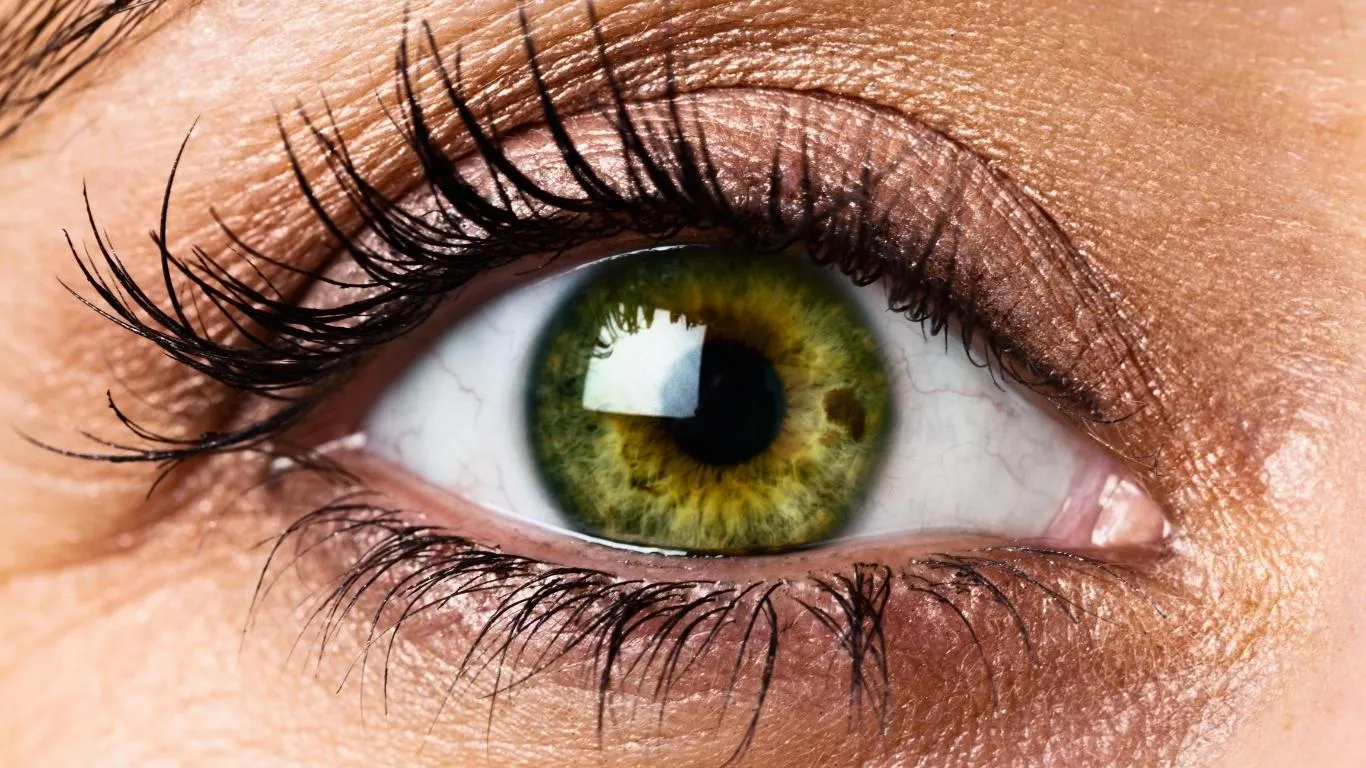
Hydration isn’t just about chugging water. There are habits that can drain your internal moisture faster than you replace it. For instance, caffeine and alcohol are known diuretics. I used to drink 4–5 cups of coffee a day and wondered why my eyes were always dry and irritated. Once I cut it down and balanced it with more water, my vision felt… lighter, if that makes sense.
Other overlooked factors include:
- Too much screen time without blinking breaks: Staring reduces blink rate, which dries the eyes.
- Dry environments: Air conditioning, plane cabins, or heaters suck moisture from your skin and eyes.
- Salty or processed foods: They increase fluid retention but reduce cellular hydration efficiency.
If these are part of your daily life, even high water intake might not be enough. You’ll need to manage both sides — what adds hydration and what quietly robs it.
Are There Situations Where Hydration Alone Won’t Cut It?
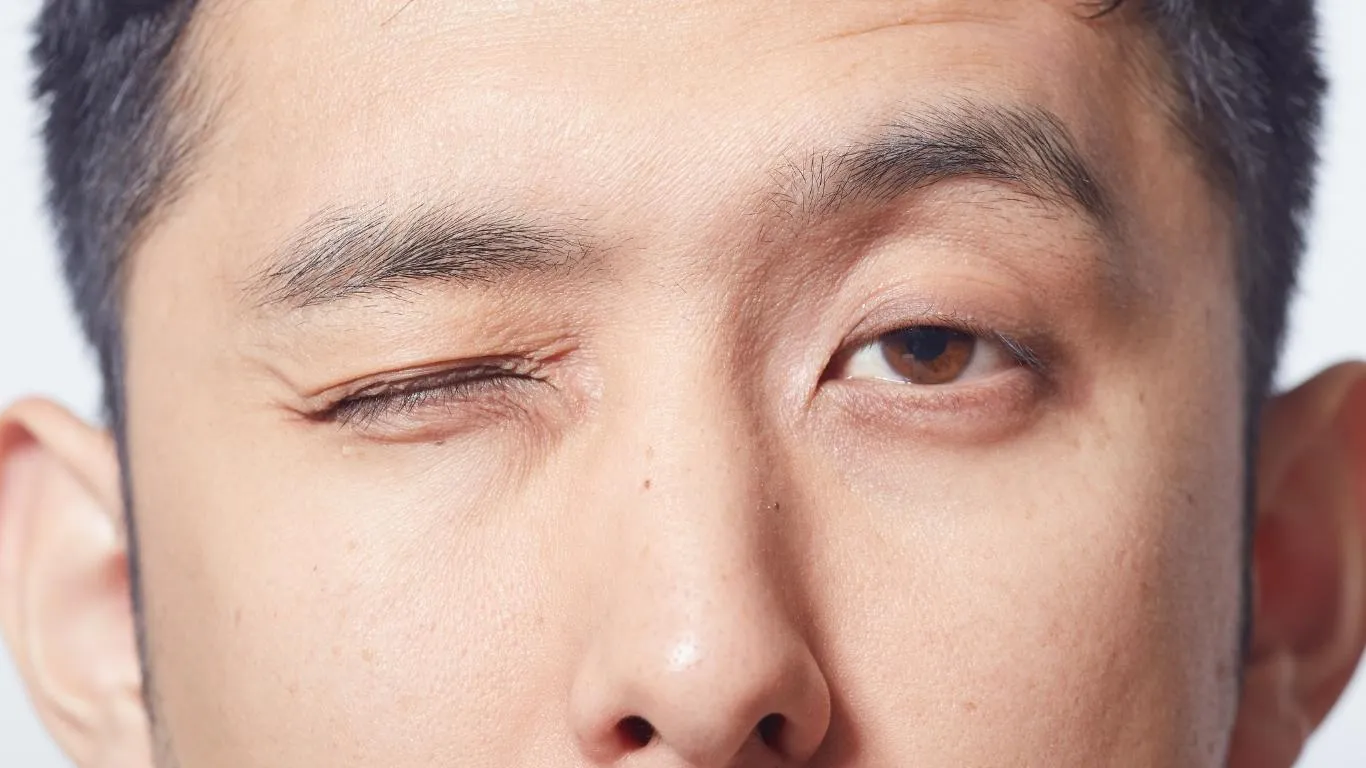
Absolutely. While water is a powerful support, it isn’t a standalone cure for all floater issues. If your floaters stem from eye trauma, retinal detachment risk, or vitreous hemorrhage, no amount of hydration will undo that. You’ll need to see an eye specialist — pronto. Some serious floaters stem from health conditions like diabetes-related damage or autoimmune diseases, where inflammation causes vitreous abnormalities.
Floaters linked to systemic infections or medication side effects often need more than lifestyle shifts. In those cases, hydration becomes part of a larger recovery plan — not the entire plan.
What About Supplements and Hydration Boosters?
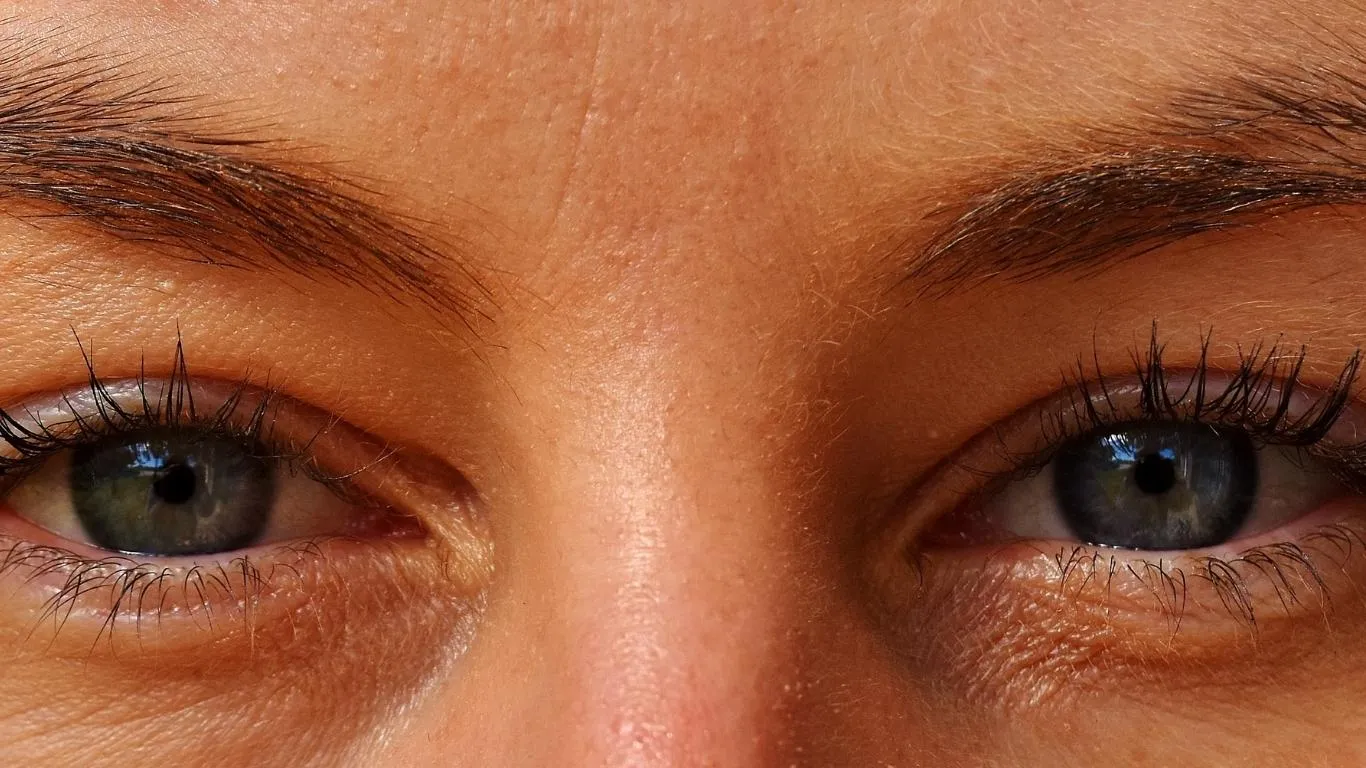
If you’re trying to maximize hydration’s impact, certain supplements can help maintain eye moisture and support vitreous health. I experimented with a few — vitamin C, hyaluronic acid, and magnesium. While not a miracle fix, they seemed to enhance how I felt overall. Studies also show that antioxidants help reduce oxidative stress in the eye tissues, potentially reducing floater severity over time.
Some options to consider:
- Vitamin C: Helps support collagen health in the eye’s vitreous.
- Omega-3 fatty acids: Assist in reducing inflammation and dry eyes.
- Lutein & Zeaxanthin: Protect the retina from oxidative stress.
- Electrolytes: Especially magnesium and potassium to maintain cellular hydration.
Before jumping into supplements, it’s smart to check for interactions and consult your doctor, especially if you’re taking medications.
When You Should Actually Be Concerned About Floaters
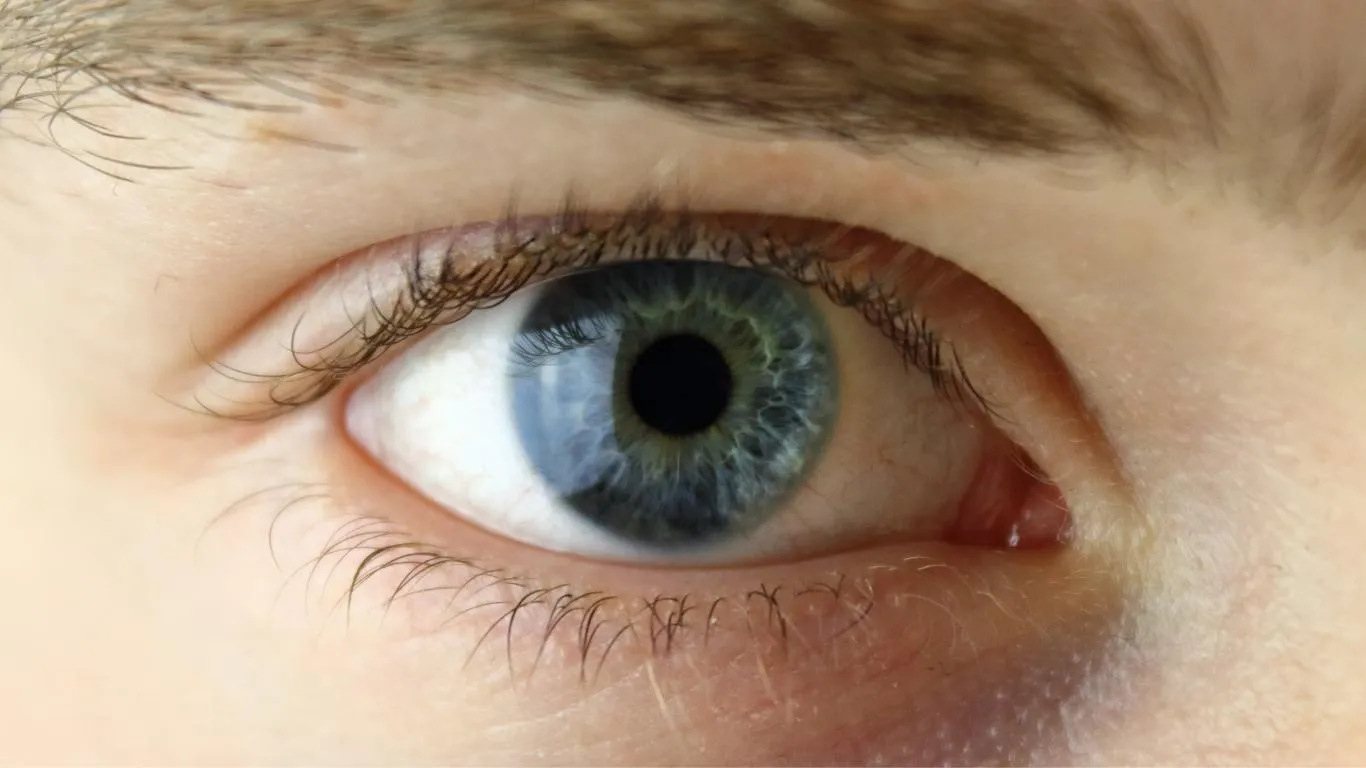
Here’s a rule of thumb I follow: If floaters are new, increase quickly, or are accompanied by flashes of light or a shadow in your vision, don’t wait. It could be the beginning of a retinal detachment or other urgent condition. A detailed comparison between floaters and other eye symptoms may help you know when to sound the alarm.
Even if it turns out to be benign, peace of mind is better than risking permanent damage. I’ve rushed to my eye doctor more than once, only to be told it’s “normal vitreous aging.” No regrets.
Keep the Balance, See the Change
The secret isn’t perfection — it’s consistency. It’s about noticing patterns: Are floaters worse after a day of coffee and screen time? Better after a few days of clean eating, water, and outdoor walks? Track what works for you. For me, hydration, paired with mindful nutrition, regular breaks from screens, and the occasional eye massage (yes, really), made all the difference.
If you want a deeper dive into natural vs. clinical methods to address floaters, don’t miss the natural remedies vs. science-backed options guide. It breaks down what’s worth trying and what’s just hype.
And if you’re still trying to piece together the full puzzle of your floaters — from underlying causes to potential red flags — I highly recommend reading the primary guide on eye floater symptoms and treatment options to round out your understanding.

Camellia Wulansari is a dedicated Medical Assistant at a local clinic and a passionate health writer at Healthusias.com. With years of hands-on experience in patient care and a deep interest in preventive medicine, she bridges the gap between clinical knowledge and accessible health information. Camellia specializes in writing about digestive health, chronic conditions like GERD and hypertension, respiratory issues, and autoimmune diseases, aiming to empower readers with practical, easy-to-understand insights. When she’s not assisting patients or writing, you’ll find her enjoying quiet mornings with coffee and a medical journal in hand—or jamming to her favorite metal band, Lamb of God.