How To Stop Anxious Nail Biting And Finally Save Your Nails
I’ll be honest—I never thought my nail biting was a “real” problem. It was just a quirky habit, right? But over time, I realized it wasn’t about boredom or a bad manicure. It was anxiety. Every time stress creeped in, my nails took the hit. If you’re stuck in this cycle, trust me, you’re not alone. Let’s break it down and talk about how to actually stop anxious nail biting, without the fluff.
Why Anxious Nail Biting Feels Impossible to Stop

It’s not just “nervous energy.” Nail biting, or onychophagia, is often an unconscious response to stress. You might not even realize your fingers are in your mouth until your cuticles are wrecked. It becomes a feedback loop: anxiety triggers biting, the damaged nails add guilt or shame, which—surprise—leads to more anxiety.
Here’s the thing though—this isn’t about willpower. For many, it’s linked to anxiety disorders, including Generalized Anxiety Disorder. It’s a behavioral loop that needs rewiring, not just discipline.
Understanding What Triggers Your Nail Biting

One of the first steps that helped me was recognizing my biting patterns. I noticed it spiked during work calls, waiting in line, or when watching intense TV shows. Your triggers might be different, but identifying them gives you leverage.
Common Nail Biting Triggers
- Stressful situations (meetings, exams, social settings)
- Idle moments (scrolling your phone, watching TV)
- Perfectionism or fear of making mistakes
- Overthinking or intrusive thoughts
If you’re prone to anxious nail biting, you might also relate to how overwhelming intrusive thoughts can get. It’s not random—it’s a coping mechanism your brain leans on when things feel too much.
Physical Barriers That Actually Work (Sometimes)

Most advice online stops at “use bitter-tasting nail polish” or “wear gloves.” Honestly? These tactics work, but only up to a point. They’re temporary barriers, not long-term solutions. However, they can be a useful part of a bigger strategy.
Tools I Found Helpful:
- Bitter Nail Polishes: Brands like Mavala Stop are a deterrent, but you need to reapply often.
- Fidget Rings or Stress Balls: Keeps your hands busy during trigger moments.
- Keeping Nails Short: Less to bite means less damage.
That said, barriers are just that—barriers. You still need to address the anxious energy bubbling underneath.
Replacing Nail Biting with Healthier Coping Mechanisms

The game-changer for me was realizing I needed to replace the habit, not just resist it. You can’t “white knuckle” through anxiety. You need a release valve.
Healthier Alternatives to Nail Biting:
- Mindful Breathing: When you feel the urge, try breathing exercises designed for anxiety relief.
- Progressive Muscle Relaxation: Tension in your body fuels nail biting. Releasing that tension helps cut the urge at its root.
- Journaling Triggers: Jotting down when and why you bit can be surprisingly eye-opening.
- Hydrating Chewing Alternatives: Sugar-free gum or crunchy veggies give your mouth something to do that isn’t destructive.
Why Anxious Nail Biting is a Sign of Bigger Anxiety Patterns
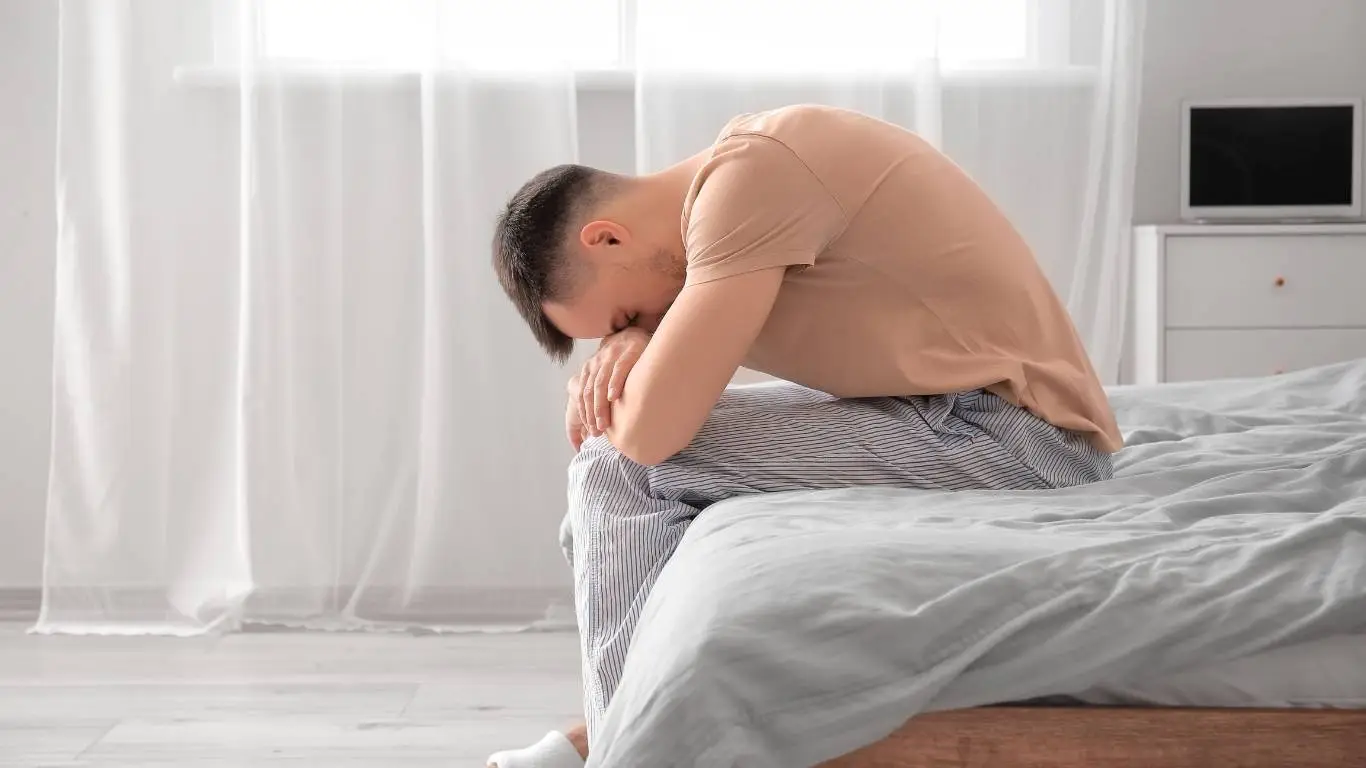
I used to think my nail biting was the problem, but honestly, it was a symptom. A clue that my anxiety wasn’t as “managed” as I liked to believe. If you’re in the same boat, it might be time to look deeper into how anxiety shapes your daily life. This piece on how anxiety disrupts routines silently hits the nail on the head.
Therapies like Cognitive Behavioral Therapy (CBT) can work wonders by helping you rewire those anxious thought loops. I found CBT more effective than any bitter polish ever was. Check out this guide on CBT steps that truly help.
For a comprehensive understanding of anxiety disorders, don’t miss this in-depth article on how anxiety disorders secretly control daily life. Also, for a detailed look into the symptoms you should never ignore, refer to this crucial guide.
Addressing the Underlying Anxiety for Long-Term Change

I won’t sugarcoat it—if you’re serious about stopping anxious nail biting, you’ve got to tackle what’s happening under the surface. Nail biting isn’t the root issue; it’s your mind’s sneaky way of coping with unprocessed anxiety. When I finally sat down with a therapist, I realized I’d been using nail biting as a pressure release valve for years.
Therapy options like Acceptance and Commitment Therapy (ACT) were eye-opening for me. Unlike methods that just focus on stopping the behavior, ACT helped me build a healthier relationship with my anxious thoughts—without needing my nails to suffer for it.
Daily Habits That Help You Stay Nail Biting-Free

Here’s the reality—stopping anxious nail biting isn’t a one-time fix. It’s about stacking small daily habits that keep anxiety in check, so your hands don’t pay the price. Here’s what worked for me:
Simple Lifestyle Tweaks That Make a Huge Difference
- Morning Grounding Routines: Before the chaos of the day, I take 10 minutes for breathwork or a quick mindfulness session. This keeps my baseline anxiety lower.
- Hydration & Nutrition: Staying hydrated and avoiding anxiety-triggering foods (hello, caffeine) really does help. You’d be surprised how much high sugar intake silently fuels anxiety.
- Evening Wind-Down Rituals: Swapping phone scrolling for journaling or reading helped me end my days on a calmer note, which reduced nighttime nail biting episodes.
Adding anxiety-reducing habits into my daily routine was more effective than any external trick. You don’t need a massive overhaul—just small, consistent changes that ease the mental load.
The Power of Awareness: Catching Yourself in the Act
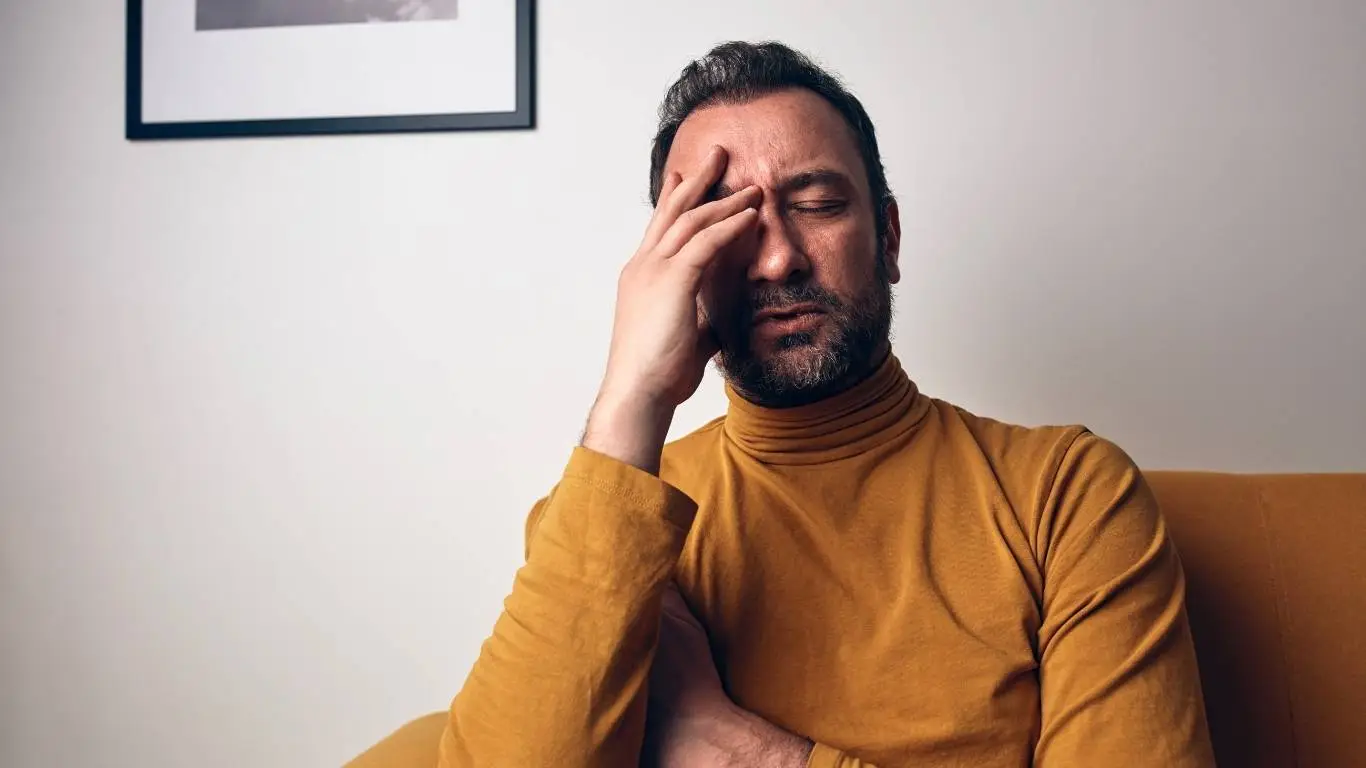
This might sound odd, but I started mentally “naming” the moment I caught myself biting. Not with judgment, just awareness. Saying, “Oh, there’s my anxiety showing up again,” helped break the unconscious loop. Over time, I noticed I was catching myself sooner and biting less.
If you struggle with intrusive, repetitive behaviors like this, you might also find techniques like Exposure Therapy helpful. It’s not just for phobias—it can help reduce the compulsion to engage in anxious behaviors, too.
When You Need Extra Support—And That’s Okay
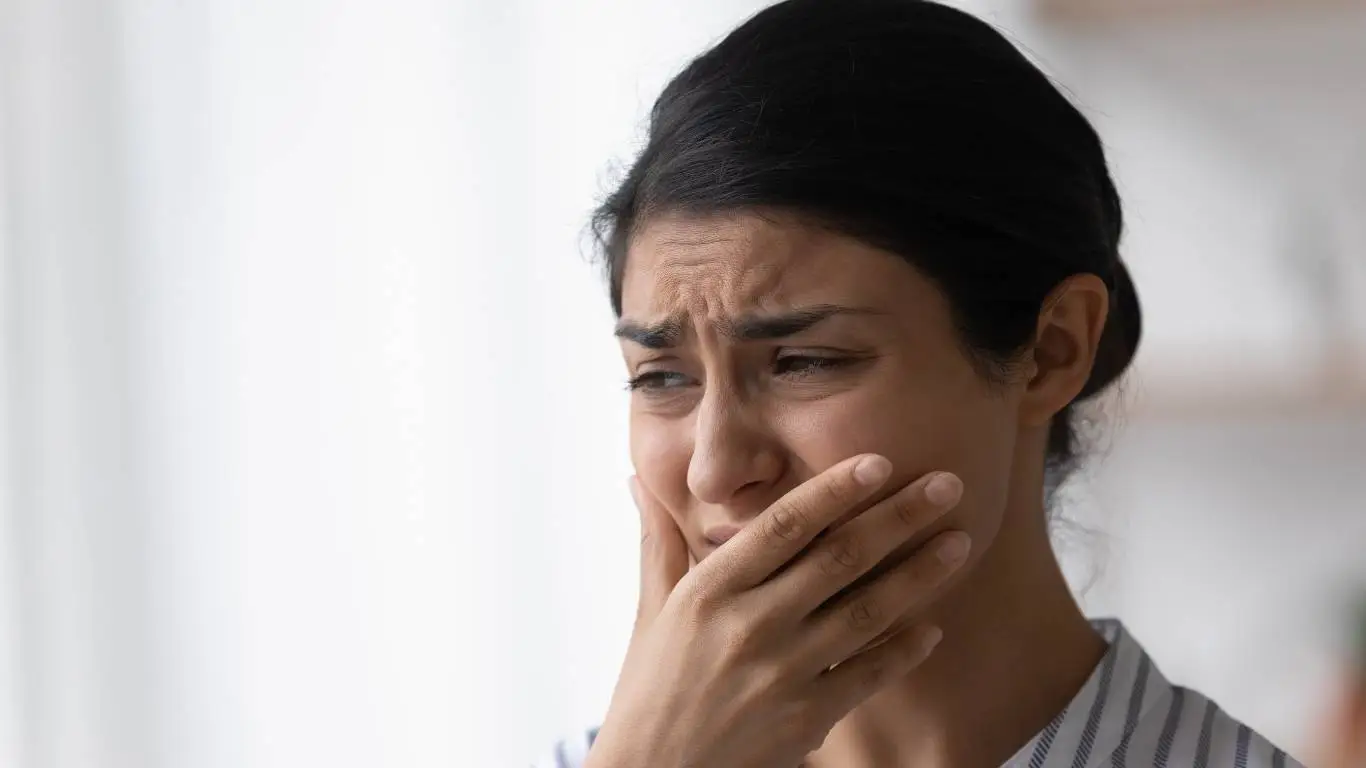
Look, I get it—sometimes willpower, fidget toys, and breathing exercises aren’t enough. For me, there came a point when I had to admit I needed a structured approach. If anxious nail biting is impacting your self-esteem, daily focus, or even causing physical harm, reaching out for professional help is a strength, not a weakness.
There are incredible resources out there, from in-person therapy to virtual therapy platforms that specialize in anxiety-related habits. Don’t underestimate how life-changing that step can be.
Creating an Environment That Supports Healing

Environment plays a bigger role than we give credit for. For instance, I found that cluttered workspaces made me more fidgety. Simplifying my environment reduced unnecessary triggers. Here’s a quick checklist that might help:
Environmental Tweaks to Support Less Nail Biting
- Declutter your workspace: Visual clutter adds to mental clutter.
- Keep fidget alternatives visible: Stress balls, fidget cubes, or textured pens right on your desk.
- Use calming scents: Aromatherapy like lavender or eucalyptus can subtly ease tension throughout the day.
It’s the little things that collectively make nail biting feel less necessary as a coping tool.
Your Nail Biting Isn’t a Character Flaw—It’s a Signal

One thing that shifted my entire perspective was learning that nail biting isn’t a character flaw—it’s a signal. It’s your body’s way of telling you that stress levels are reaching capacity. When you start seeing it as a message, not a moral failing, you can respond with compassion instead of frustration.
The more you understand the patterns behind your anxiety, the easier it becomes to replace destructive habits with nurturing ones. If you’re curious about the deeper causes of anxiety-driven behaviors, I highly recommend this resource on hidden anxiety triggers most people miss.
Nail biting is just one manifestation of how anxiety sneaks into our daily lives. But with the right strategies, habits, and mindset shifts, it’s absolutely possible to break free from it. And honestly? Your fingers will thank you.

Camellia Wulansari is a dedicated Medical Assistant at a local clinic and a passionate health writer at Healthusias.com. With years of hands-on experience in patient care and a deep interest in preventive medicine, she bridges the gap between clinical knowledge and accessible health information. Camellia specializes in writing about digestive health, chronic conditions like GERD and hypertension, respiratory issues, and autoimmune diseases, aiming to empower readers with practical, easy-to-understand insights. When she’s not assisting patients or writing, you’ll find her enjoying quiet mornings with coffee and a medical journal in hand—or jamming to her favorite metal band, Lamb of God.