How HRT Eases Menopausal Back Stiffness and Improves Mobility
When I first started hormone replacement therapy (HRT) to deal with the emotional rollercoaster of menopause, I wasn’t expecting it to have such a surprising effect on my lower back. I’d always thought back pain was just part of aging or bad posture—but it turns out, there’s a whole lot more to it, especially during menopause. The connection between HRT and that nagging back stiffness? It’s real. Let’s dive into what’s happening behind the scenes—and why your spine might be begging for balance.
How Hormone Changes Trigger Stiffness in the Back
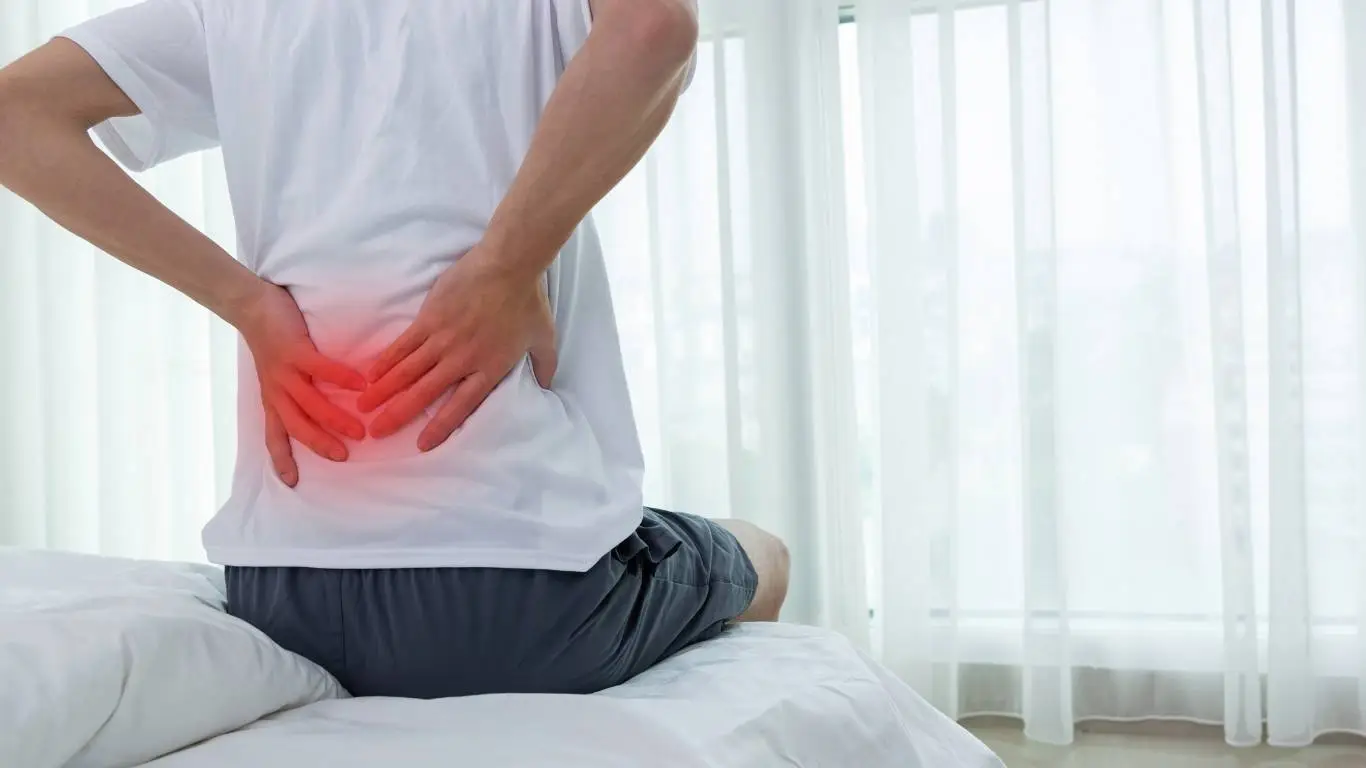
Estrogen isn’t just about hot flashes or mood swings. It also helps keep joints lubricated, muscles relaxed, and inflammation under control. So when estrogen levels drop, everything starts to feel a bit… stuck.
Why Your Spine Feels Less Flexible
Estrogen plays a protective role in joint and connective tissue health. With its decline, the lumbar spine (lower back) in particular can become tight and inflamed. This is why many women report waking up with a stiff back that only eases hours later—if at all.
- Decreased collagen production—leads to stiffer ligaments
- Reduced synovial fluid—joints aren’t as smooth or cushioned
- Higher inflammation markers—body goes into chronic pain mode
That combo? A recipe for chronic stiffness. And if you’re like me, you start noticing how much harder it is to stand straight in the morning.
How HRT May Help Ease Menopausal Back Pain
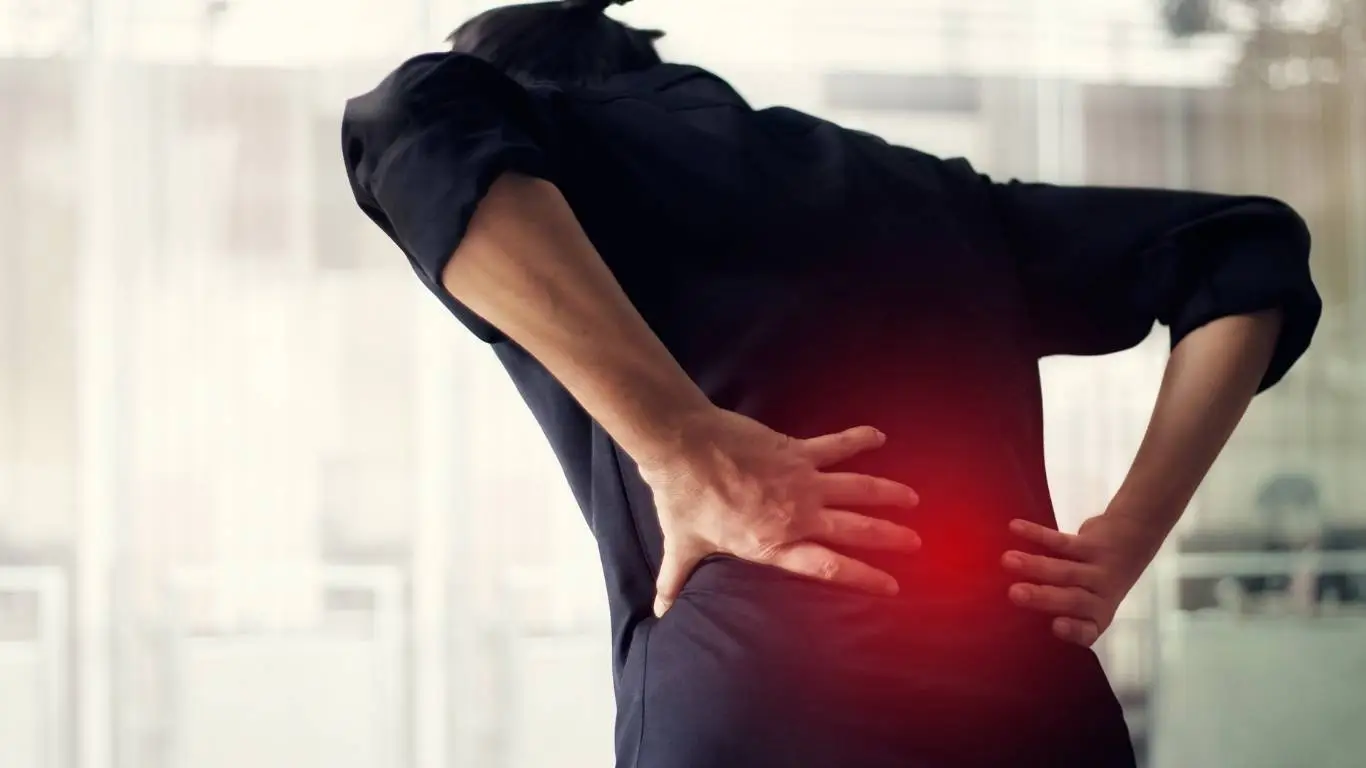
There’s some solid science behind why HRT can make a difference. According to NIH studies, estrogen therapy has been linked to improved spine flexibility and reduced back pain in postmenopausal women.
Estrogen’s Role in Musculoskeletal Relief
Estrogen therapy may:
- Improve blood flow to spinal tissues
- Boost collagen synthesis
- Reduce pro-inflammatory cytokines in the spine
When I started my HRT, the first thing I noticed (besides better sleep) was how I wasn’t waking up as stiff. That deep lumbar ache that used to greet me every morning started to soften. It wasn’t an overnight fix, but it was a shift.
And while HRT isn’t a magic bullet, many women have found that it works better in combination with core strengthening, posture training, and anti-inflammatory diets.
Related reading: How to Ease Back Pain in Menopause Without Harsh Treatments
But Not All HRT is Equal: Things You Should Know

From patches to pills to bioidentical creams, not all hormone therapies are created equal. Some target systemic issues (which helps with bone density), while others are localized—better for vaginal health but less effective for spine-related issues.
What Worked Best for My Stiff Back
My doctor initially recommended a transdermal estrogen patch. It worked decently, but switching to a combination patch that included progesterone gave me even better results—less tightness, better mobility. The bonus? Fewer mood swings too.
It’s worth noting that if you’re dealing with underlying disc issues or degenerative disc disease, HRT may help reduce inflammation but won’t repair structural damage.
For a comprehensive look at treatment strategies that include exercise and lifestyle tweaks, check out this pillar guide on lifestyle, diet, and natural back pain remedies.
Back Pain After Menopause: What’s Normal, What’s Not

Once you hit post-menopause, back stiffness shouldn’t be your “new normal.” If you feel like you’re moving through concrete every morning, it’s time to dig deeper.
Signs It’s More Than Hormonal
- Back pain that wakes you at night
- Numbness or tingling down the leg
- Sharp, stabbing pain during normal activities
- Loss of height or stooped posture
These can be signs of spinal stenosis, osteoporosis, or sciatica—not just menopause. I learned this the hard way when my stiffness turned into a sharp jolt running down my right side. A quick check with my PT revealed piriformis syndrome caused by my altered posture—something estrogen wasn’t going to fix alone.
You might find this read useful: Living Better with Spinal Stenosis: Back Pain Relief
How Movement and Hormones Work Together
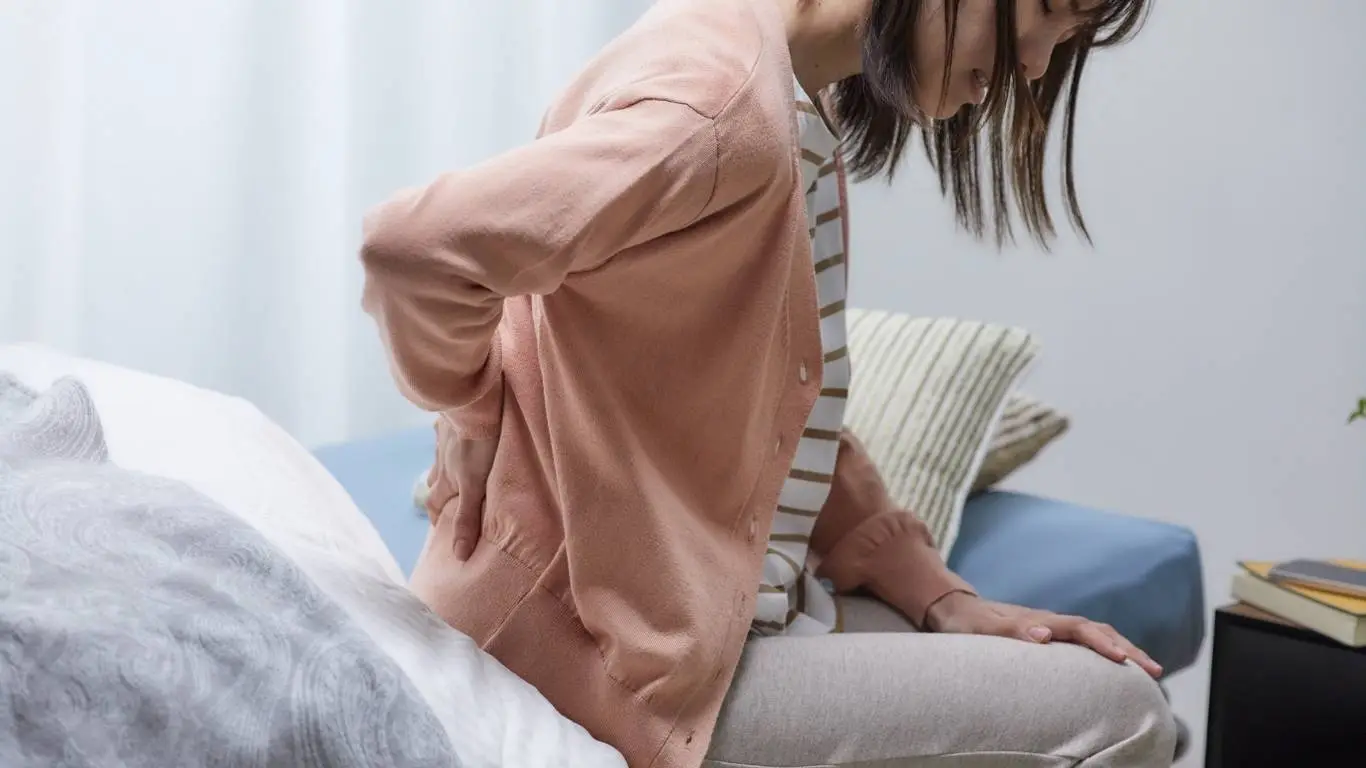
HRT isn’t your only tool. One thing that helped me tremendously? Gentle movement. Pilates, light yoga, and resistance training made a noticeable difference when paired with estrogen therapy. When your joints are hydrated and muscles stronger, that stiffness becomes far less noticeable.
Curious about what moves helped me most? This article has great ideas: Best Yoga Poses for Back Pain That Truly Relieve Tension
Another underrated factor is your day-to-day setup. I switched to a standing desk after reading this helpful piece from the ergonomic setup guide. That reduced my lower back tension in ways I hadn’t expected.
To explore even more in-depth causes and solutions of menopause-related stiffness and discomfort, refer to the comprehensive back pain guide for special populations and the main hub on Back Pain at Healthusias.
After seeing how hormone replacement therapy (HRT) started softening my morning stiffness, I realized that tackling menopausal back pain wasn’t just about hormones—it was about lifestyle. Hormones can give you the edge, sure, but what you do with that edge? That’s what really defines how free you feel in your body.
Support Your Spine with Strength (and Sanity)

I used to dread the idea of exercise when my back was aching. But what nobody tells you is this: the right kind of strength training doesn’t aggravate—it liberates. Think glute bridges, bodyweight squats, and even wall sits. These don’t just fire up your legs; they unload your lower back and stabilize your spine.
Key Muscle Groups to Focus On
- Glutes – Weak glutes shift the strain to your back. Big mistake.
- Core – Not just abs, but transverse abdominis for deep support
- Hip Flexors – Tightness here? It’ll yank your pelvis forward
If you’re feeling stiff daily, chances are your muscles are trying to overcompensate for declining hormonal cushioning. I personally started noticing less pain the week I swapped my long walks for short bodyweight workouts.
Read: Weak Glutes and Lower Back Strain
Sleep, Stress, and That Aching Spine
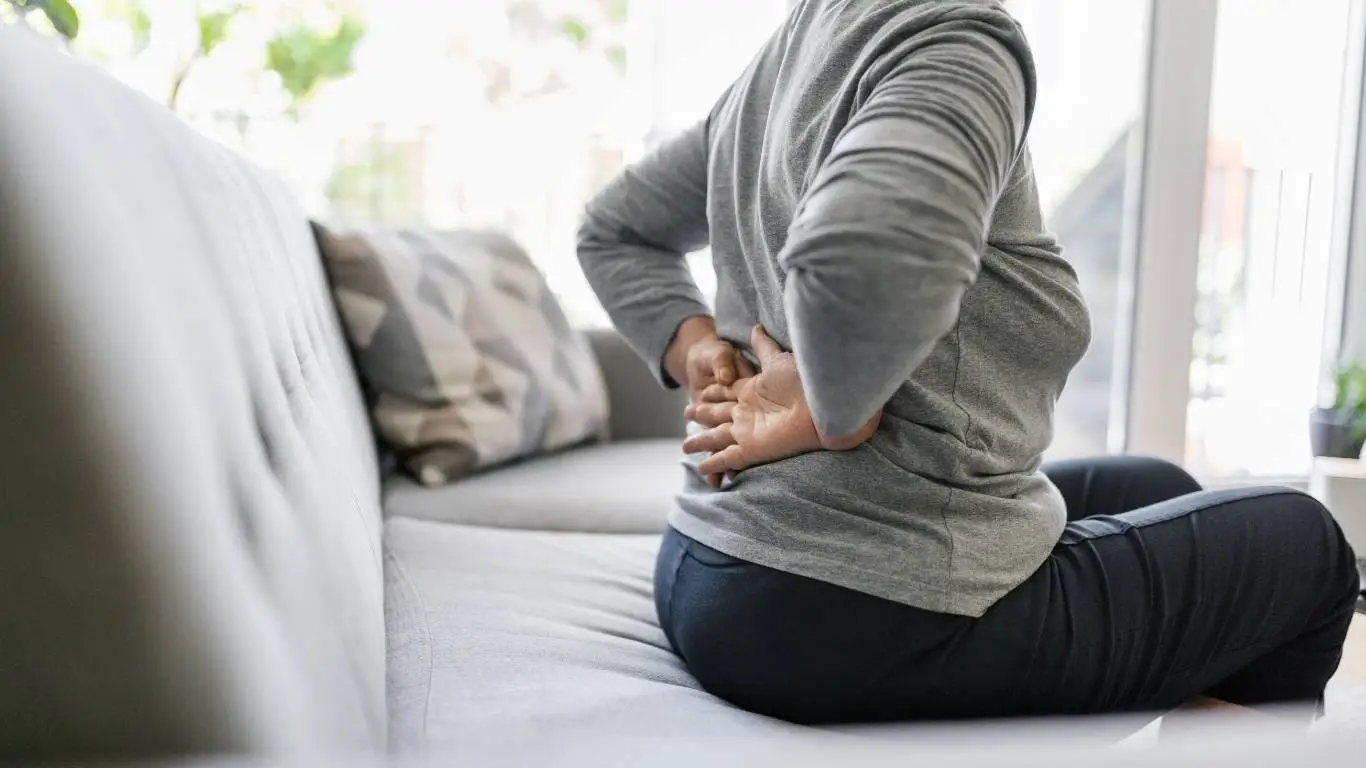
Can we talk about how sleep wrecks—or rescues—your spine? During menopause, I tossed and turned like it was my job. But poor sleep isn’t just a side effect of hormonal changes—it feeds chronic pain. Cortisol climbs, inflammation creeps in, and suddenly your spine feels like it’s been hit by a truck every morning.
Simple Changes That Helped Me Sleep Without Stiffness
- Swapped my mattress for a medium-firm hybrid—game changer
- Elevated my knees with a bolster to reduce lumbar stress
- Cut caffeine after 2 PM (which weirdly helped my joint stiffness too)
And don’t underestimate the role of stress. The spine is a stress magnet. Between hormone swings and daily life, chronic tension builds fast. A quick five-minute breathing session or light stretching before bed did more for my back than most OTC pain meds ever did.
Helpful resource: Effective Stress Reduction Techniques That Ease Back Pain Fast
Nutrition’s Quiet Power on Back Stiffness

If you think diet isn’t influencing your back pain, think again. Estrogen loss is linked to inflammation, and that can radiate straight to your spine. I didn’t realize just how reactive my body was to sugar and processed carbs until I cleaned up my meals.
Anti-Inflammatory Staples That Actually Helped
- Wild salmon for omega-3s
- Turmeric capsules with black pepper extract
- Leafy greens and colorful veggies—every meal, no excuses
- Magnesium-rich foods (like almonds and pumpkin seeds)
By the third week of consistently eating this way, the daily dull ache in my lower back dialed way down. I also felt less bloated, more mobile, and—bonus—my brain fog eased up.
Check out this resource-packed guide: Anti-Inflammatory Diet for Back Pain
Are Alternative Therapies Worth It?
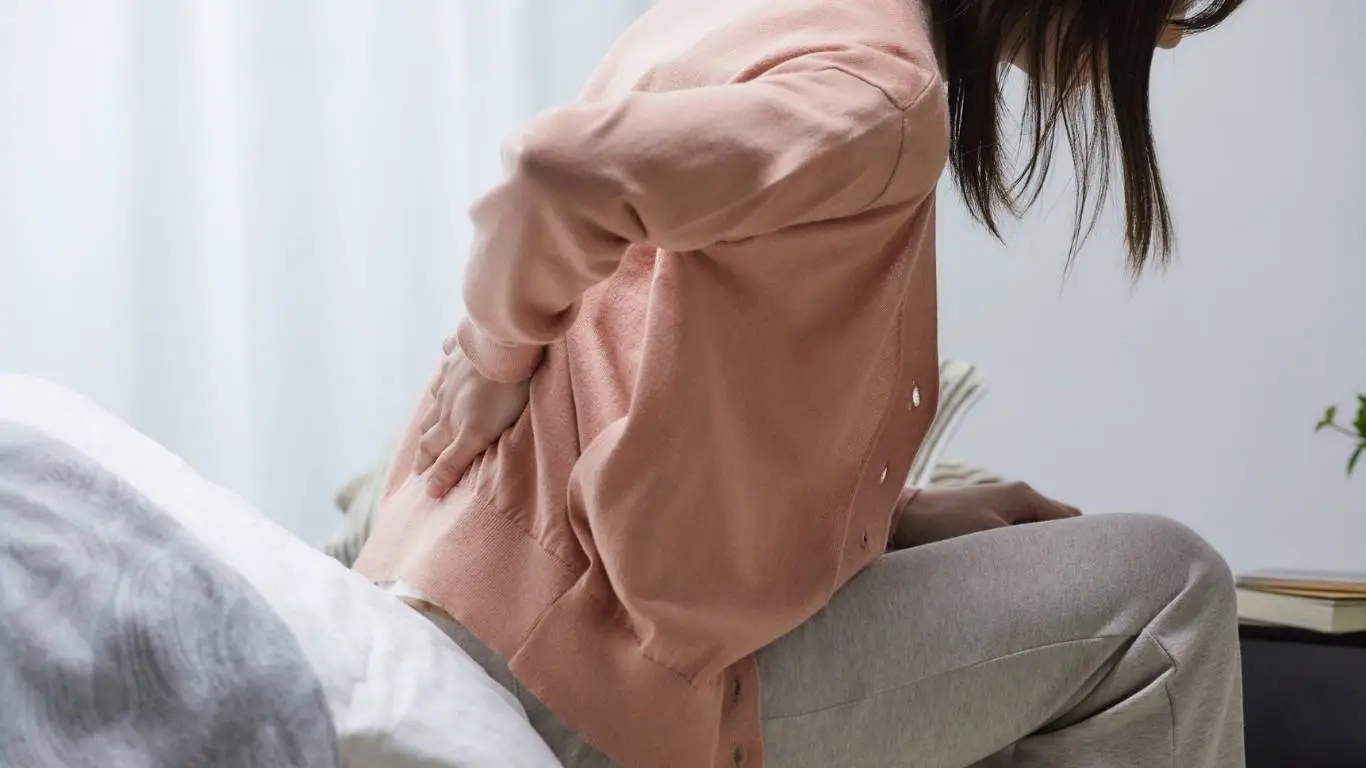
I was skeptical at first. But after one too many pain flareups from standing too long during a flight, I gave in to acupuncture. And honestly? It was a reset button for my nervous system.
Chiropractic, massage therapy, dry needling—all worth exploring if conventional care isn’t doing enough. These methods don’t just tackle muscle tightness—they often calm the hormonal nervous system loop that drives pain perception.
One session with my osteopath did more for my spine’s alignment than weeks of stretching on my own.
More on this: Why Acupuncture Is a Game Changer for Chronic Back Pain Relief
Tech, Tools, and Daily Hacks That Actually Work

It’s not just what you do—it’s how you live. Every daily detail adds up, especially when hormones are already making your tissues more vulnerable. Here’s what helped me stop stiffening up during the day:
- Lumbar cushion in every chair—office, car, even kitchen stools
- Foam roller for 10 minutes before bed
- Posture check alarms on my phone every hour
- Standing desk mat to relieve spine pressure
I also installed a posture tracking app that gently buzzes when I slouch. That alone cut my daily back tightness in half, especially during long workdays.
Explore this practical guide: Best Back Braces for Support and When You Should Avoid Using Them
The Overlooked Role of Footwear

This one surprised me. I always thought back pain started at the back. Turns out, your feet could be sabotaging your spine. I was living in flat sandals with zero arch support—and wondering why my back hated me.
As soon as I switched to supportive sneakers (even in the house), the difference was wild. Less strain, better alignment, and less of that morning “robot walk” feeling.
More here: Why Flat Feet Can Secretly Trigger Lower Back Pain
Pulling It All Together: Hormones, Habits, and Hope
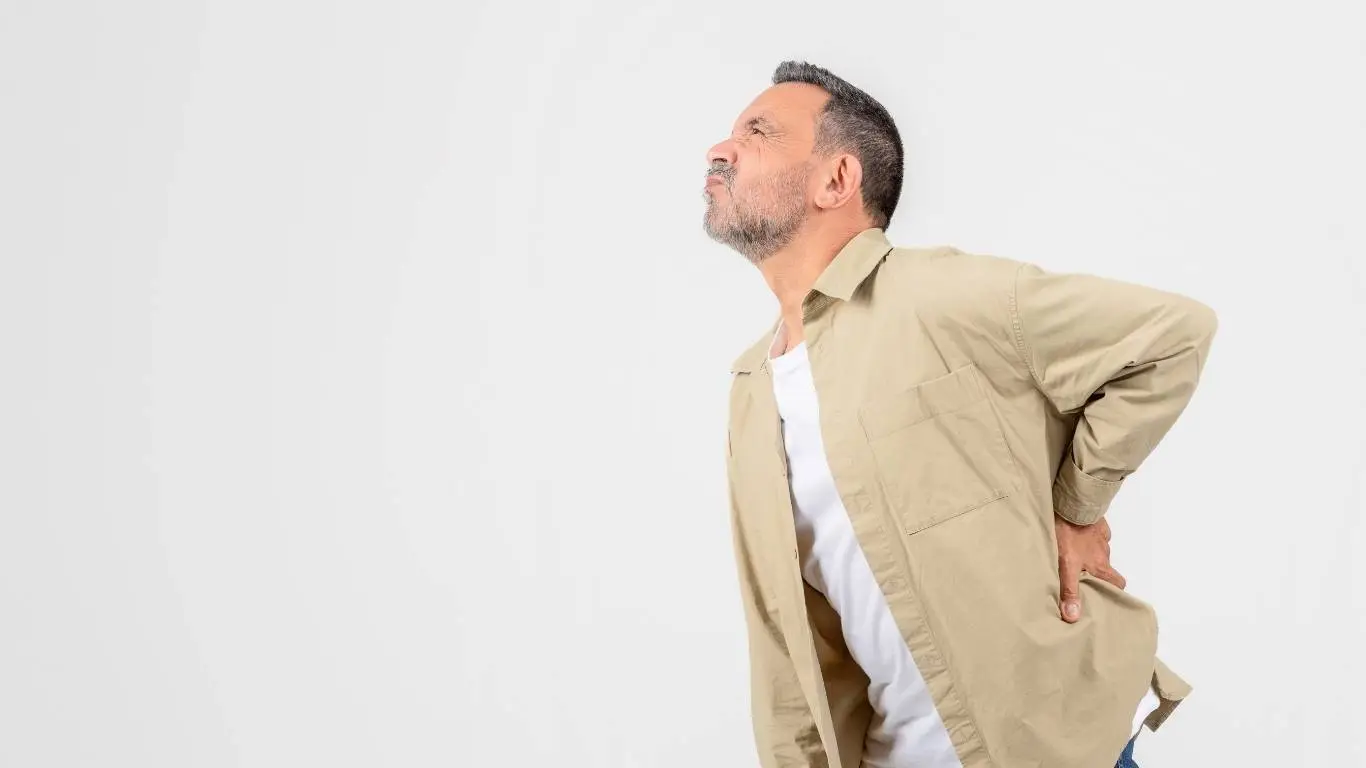
Managing menopausal back stiffness isn’t just about slapping on an HRT patch and crossing your fingers. It’s a full-body recalibration. One where hormones set the tone, but your habits write the song.
If you’re navigating this stage of life and your spine feels like it’s made of bricks, know this: it’s not just you. And it doesn’t have to stay that way.
For the full picture on integrative recovery methods—including posture therapy, rehab moves, and mindset shifts—visit the dedicated pillar article on exercise and back rehabilitation. And for the broader context around chronic back pain management, Healthusias’ main back pain resource is a must-bookmark.

Camellia Wulansari is a dedicated Medical Assistant at a local clinic and a passionate health writer at Healthusias.com. With years of hands-on experience in patient care and a deep interest in preventive medicine, she bridges the gap between clinical knowledge and accessible health information. Camellia specializes in writing about digestive health, chronic conditions like GERD and hypertension, respiratory issues, and autoimmune diseases, aiming to empower readers with practical, easy-to-understand insights. When she’s not assisting patients or writing, you’ll find her enjoying quiet mornings with coffee and a medical journal in hand—or jamming to her favorite metal band, Lamb of God.