
How Poor Digestion Can Secretly Trigger Spinal Nerve Pain
We often don’t think twice about how our gut feels until it starts acting up—bloating, indigestion, maybe the occasional cramp. But what if I told you your poor digestion might actually be messing with your back? I’ve seen it firsthand—clients complaining about mysterious lower back pain that physical therapy alone didn’t fix. After months of spinning wheels, it turned out their digestive issues were the quiet culprit. And once that got addressed, their back pain practically vanished. Sounds wild? Let’s break down how it makes perfect sense.
How Poor Digestion Triggers Spinal Nerve Irritation

The Gut-Spine Connection You Probably Didn’t Know About
Digestion and spinal health might seem like they live in different universes, but they’re closer than you think. Your enteric nervous system—often called the “second brain”—is deeply connected with your central nervous system. When digestion slows, bloats, or inflames, the ripple effect can extend all the way to your spinal nerves.
Inflammation from poor digestion increases systemic pressure on the spine, especially in the lower lumbar region. If you’ve ever felt stiff or achy in your back after a weekend of takeout and soda, that’s not just guilt talking. That’s your digestive tract throwing a fit—and dragging your spine into the drama.
Compression from the Inside Out
Gas buildup, bloating, and sluggish motility can physically push against the lower thoracic and lumbar spine. That pressure doesn’t just make you uncomfortable—it can aggravate spinal nerves. Think of it as a slow, internal squeeze on sensitive structures. If you’re already dealing with issues like lumbar radiculopathy or myofascial pain, that pressure can seriously set things off.
Signs Your Digestive Issues Might Be Affecting Your Back

Clues in the Pain Pattern
- Back pain that worsens after meals or during bloating episodes
- Tightness in the lower back without recent injury or physical exertion
- Pain that comes and goes unpredictably but seems tied to diet or digestion
Many patients I’ve worked with assumed their back pain was purely muscular until we noticed it coincided with their digestive flares. As it turns out, it wasn’t the muscles—it was the irritated nerves reacting to pressure and inflammation from their gut.
Morning Stiffness That’s Not From Your Mattress
If you wake up with stiffness in your lower back that gradually eases after a bowel movement, it could be related to digestive sluggishness. Some morning discomfort has more to do with how your body processes food overnight than how you sleep. It’s subtle, but the pattern is there.
Conditions That Link Digestion and Back Pain

Leaky Gut and Systemic Inflammation
When the gut lining becomes more permeable—a condition often referred to as “leaky gut”—it allows inflammatory agents into the bloodstream. That inflammation doesn’t stay put. It spreads, aggravating tissues across the body, including the delicate nerve roots around the spine.
Chronic inflammation has been shown in studies published by ncbi.nlm.nih.gov to sensitize spinal nerve endings, increasing pain perception and decreasing mobility.
Gut Dysbiosis and Neuroinflammation
A disrupted gut microbiome (known as dysbiosis) can lead to neuroinflammation via the gut-brain axis. The spinal cord is part of this communication network, meaning what happens in the gut doesn’t stay in the gut. It’s kind of like a toxic group chat where everyone gets dragged into the drama—especially your nerves.
IBS, SIBO, and Low Back Pain
Conditions like IBS (Irritable Bowel Syndrome) and SIBO (Small Intestinal Bacterial Overgrowth) often include low-grade systemic inflammation and bloating that puts direct pressure on lumbar discs. It’s no surprise many people with these issues also experience recurring lower back pain.
How Poor Digestion Exacerbates Existing Back Conditions

Disc Issues Meet Digestive Dysfunction
Anyone with herniated or bulging discs will tell you how sensitive the nerves can get. Now, combine that with abdominal distention or chronic bloating and you’ve got a pain cocktail. This is why people recovering from disc-related injuries are often advised to support digestive health during rehab. Even a minor flare-up can send your recovery backward.
Muscle Guarding and Digestive Stress
Poor digestion often leads to a tight diaphragm and abdominal bracing. That can restrict breathing, which in turn causes postural compensation. When this happens, your erector spinae muscles start doing more work than they should, trying to stabilize you—and eventually burning out, leading to pain. This feedback loop makes long-term back relief harder to achieve.
Practical Digestive Fixes That May Help Your Spine

Start With Your Plate
- Eat slowly and chew thoroughly to reduce gas and bloating.
- Limit high-FODMAP foods if you’re sensitive—these ferment in the gut and increase internal pressure.
- Support digestion with enzymes and probiotics (after consulting your healthcare provider).
I personally started incorporating fermented foods and noticed not just less bloating but reduced back tension during the day. Coincidence? Maybe. But when I skip them, the discomfort creeps back in.
Hydration and Bowel Regularity
Constipation leads to pressure buildup, which adds stress on your spine. Drinking enough water and adding soluble fiber from foods like oats, chia seeds, and psyllium husk helps keep things moving—literally easing the load on your back.
Movement That Supports Digestion
Gentle core movements, walking after meals, and yoga poses that encourage gut motility can ease both back and belly discomfort. Exercises like seated twists and cat-cow stretches stimulate internal organs and improve spinal fluidity at the same time.
Posture and Diaphragmatic Breathing
Slouching while eating or digesting can trap gas and compress abdominal contents. Instead, practice sitting upright and breathing through your diaphragm. Not only does this aid digestion, it releases tension in your thoracolumbar junction.
Want to go deeper into the connection between digestion, lifestyle, and spine health? Don’t miss our resource on natural remedies and lifestyle for back pain, one of our foundational back pain guides.
When Poor Digestion Turns Chronic – And What That Means for Your Spine

The Long Game of Gut-Spine Miscommunication
I’ve seen it in too many clients—and honestly, felt it myself too. You ignore the bloating, you dismiss the random nerve zings down your lower back, and months later, you’re sitting in a specialist’s office trying to figure out why nothing is helping your spine. That’s because poor digestion doesn’t just trigger occasional discomfort—it can rewire your pain responses over time.
Chronic digestive dysfunction like GERD, IBS, or inflammatory bowel diseases can condition the nervous system into a constant state of low-level distress. That stress adds up in your spine, particularly in the lumbar and sacral areas, where nerve roots are already sensitive.
The Vicious Loop of Inflammation
Poor digestion → inflammation → nerve sensitivity → postural compensation → spinal strain → more inflammation. Round and round it goes. If you’re also dealing with things like muscle imbalances or weak glutes, you’re basically inviting your spine to the worst party ever.
Hidden Digestive Culprits That Worsen Nerve Irritation

Food Sensitivities That Fly Under the Radar
You don’t need full-blown celiac disease for gluten to cause trouble. Same with dairy, soy, or even eggs. Food sensitivities often cause low-grade inflammation that the body tries to “quiet down”—sometimes by tightening muscles around the gut and spine. This makes the spinal region feel sore or achy without a clear mechanical reason.
I went years not realizing that bread was a trigger. I wasn’t bloating heavily, but my back would flare every few days for no reason. Cutting it out changed everything—and honestly, I wouldn’t have believed it if it hadn’t happened to me.
Slow Motility and Constipation
When your digestive tract isn’t moving efficiently, pressure builds up. This affects more than comfort—it increases intra-abdominal pressure, which can compress the lumbar discs and sacral nerves. This is particularly nasty if you already have facet joint issues or deal with nerve-based pain like sciatica.
Supporting Spinal Nerve Health Through Digestive Upgrades
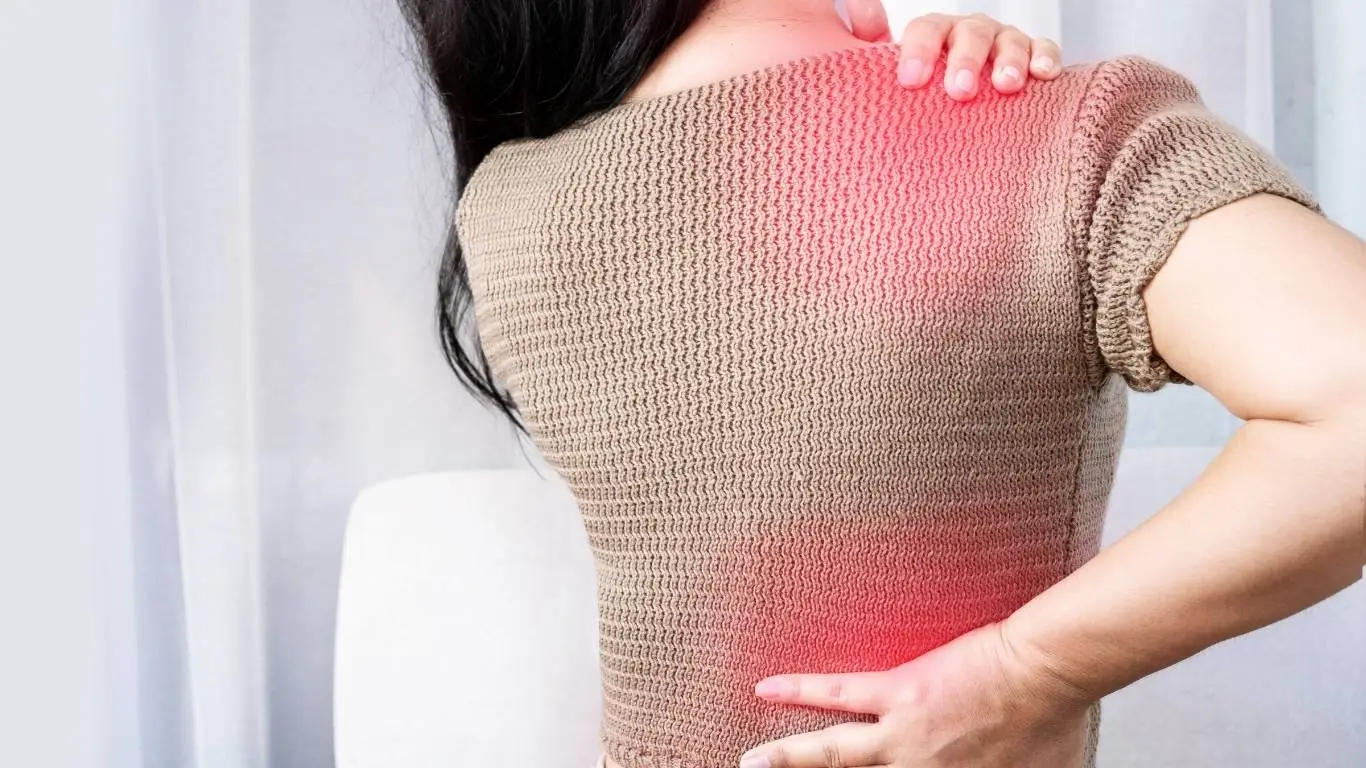
1. Eat More Anti-Inflammatory Foods
Diet is where most people can make the biggest impact. Prioritize:
- Leafy greens like spinach and kale
- Healthy fats (avocado, olive oil, nuts)
- Spices like turmeric and ginger
- High-fiber fruits like pears and berries
These don’t just support digestion—they reduce systemic inflammation, which protects spinal nerves from irritation. This anti-inflammatory diet for back pain article is a great place to start if you’re new to this approach.
2. Improve Gut Flora Balance
A healthy gut microbiome helps keep digestion running smoothly and immune responses regulated. That means fewer gut-induced inflammation spikes that mess with your spine. Probiotic-rich foods like kefir, sauerkraut, or kombucha are a good start. Or you can consider supplements—just check with your provider first.
3. Avoid the Worst Offenders
From personal and professional experience, the most common back-pain-triggering foods (via digestion) include:
- Refined sugar
- Excessive alcohol
- Processed meat
- Soda and carbonated beverages
If you’re still drinking diet soda and wondering why your back hurts, it might be time to re-think your afternoon pick-me-up.
Spinal Nerve Calming Techniques That Start in the Gut

Diaphragmatic Breathing
When digestion slows, stress often spikes. This makes things worse for spinal nerves. Practicing 5-10 minutes of slow diaphragmatic breathing each day can stimulate the vagus nerve, which boosts digestion and relaxes spinal tension.
Gentle Movement After Eating
A short walk after meals does wonders. It stimulates peristalsis, reduces gas buildup, and prevents the post-meal slump that compresses your spine when you sit too long.
Supplement Wisely
Supplements like omega-3s, magnesium, or even turmeric can help lower inflammation and support smoother digestion. Check out our take on omega-3 for back and joint health for deeper insight.
Real-Life Recovery: A Case Example
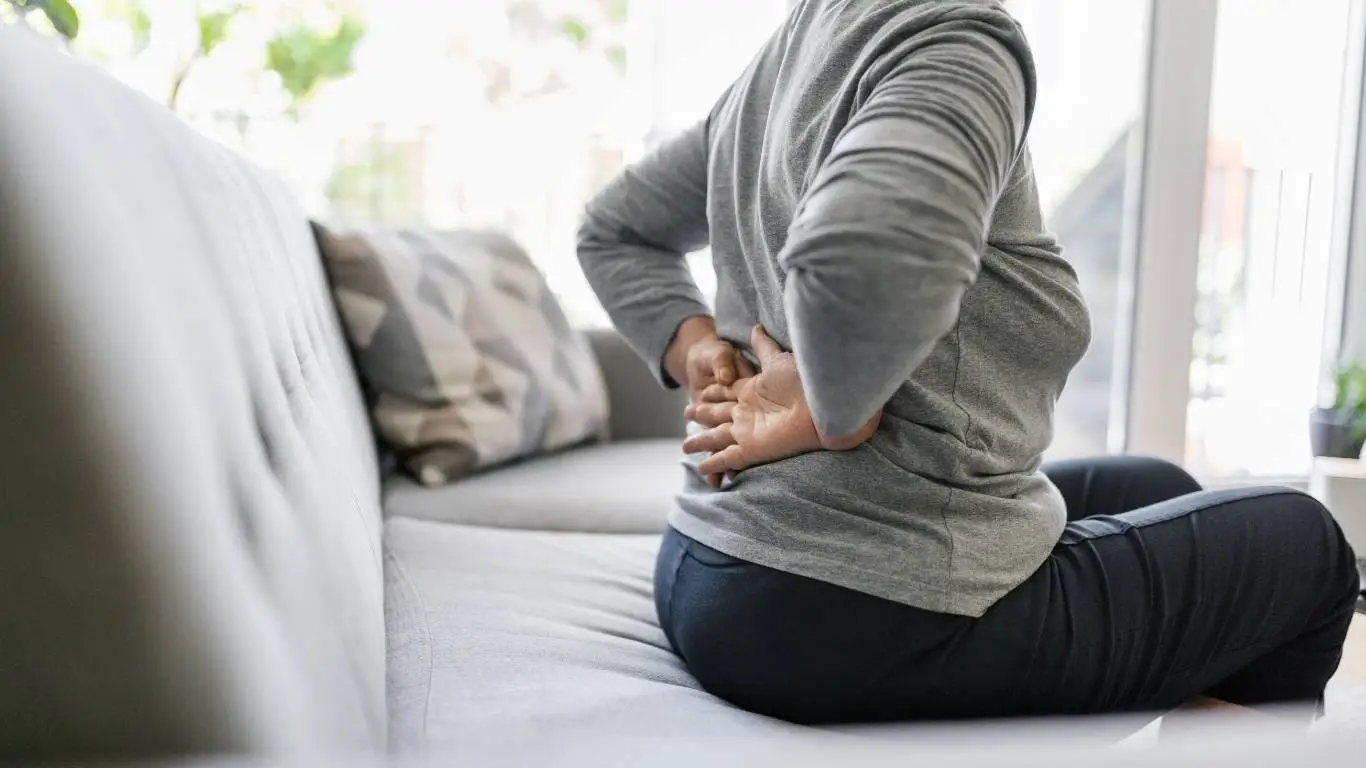
I had a client—let’s call her Jen—who came in with recurring sacroiliac pain that flared up every few weeks. She had tried everything from chiropractic care to acupuncture, but the pain always came back. After we dug into her eating habits, she revealed years of chronic constipation and occasional reflux. We didn’t overhaul her spine—we started by overhauling her breakfast.
We added fiber, hydration, a daily walk, and probiotics. Within six weeks, her SI joint pain decreased by nearly 80%. She emailed me months later and said she was finally able to sit comfortably through work meetings again—without meds, without adjustments. Her spine didn’t need more cracking. It needed better digestion.
Now, if your back pain has been stuck in a loop no therapy can fix, maybe it’s time to start thinking beyond the spine. Explore how your lifestyle could be feeding both your gut and your pain. And if you’re curious how deeper root-cause strategies can help, check out this guide on overlooked causes of back pain—you might just find your answer where you least expected it.
For a full picture of how digestion, diet, and your back are more connected than you thought, don’t miss our dedicated section on lifestyle, diet & natural remedies for back pain. And for more foundational insights, start with the main back pain guide that ties it all together.

Camellia Wulansari is a dedicated Medical Assistant at a local clinic and a passionate health writer at Healthusias.com. With years of hands-on experience in patient care and a deep interest in preventive medicine, she bridges the gap between clinical knowledge and accessible health information. Camellia specializes in writing about digestive health, chronic conditions like GERD and hypertension, respiratory issues, and autoimmune diseases, aiming to empower readers with practical, easy-to-understand insights. When she’s not assisting patients or writing, you’ll find her enjoying quiet mornings with coffee and a medical journal in hand—or jamming to her favorite metal band, Lamb of God.