
Why Intermittent Traction Therapy May Not Work For Everyone
When I first started dealing with nagging lower back pain, I was willing to try just about anything that promised relief. After a few rounds of physical therapy and some not-so-fun pain meds, someone recommended intermittent traction therapy. I had never even heard of it before — but after digging deeper and giving it a fair try, I realized there’s a lot more to this technique than people give it credit for. It’s not all magic, though. Like most treatments, it comes with its fair share of benefits and drawbacks. So if you’re curious about whether intermittent traction might help (or hurt), let’s get into it.
What is Intermittent Traction Therapy?

Intermittent traction therapy is a type of spinal decompression treatment. Unlike continuous traction, where the pulling force is constant, intermittent traction alternates between pulling and relaxing. This cycle is believed to improve circulation, reduce muscle spasms, and help realign spinal discs.
It’s commonly used to treat conditions like:
- Herniated discs
- Degenerative disc disease
- Sciatica
- Facet joint dysfunction
Depending on the diagnosis, it can be done manually by a physical therapist or with a mechanical traction device. It’s often included as part of a broader conservative treatment plan.
Pros of Intermittent Traction Therapy

1. Non-Invasive Relief
One of the best things about intermittent traction is that it doesn’t involve surgery or injections. It’s a gentler, non-invasive approach that many people try before escalating to more aggressive treatments. If you’re the kind of person who cringes at the idea of needles (like me), this is a huge win.
2. Improves Spinal Flexibility and Mobility
After a few sessions, I noticed my lower back wasn’t quite as stiff in the mornings. That’s one of the benefits traction advocates highlight — by gently stretching the spine, it helps improve overall mobility and relieve pressure from compressed nerves.
3. Enhanced Circulation and Nutrient Flow
The pull-relax cycle is thought to increase blood flow to spinal tissues. That means more oxygen and nutrients delivered to damaged areas, which can accelerate the healing process for things like bulging discs or minor inflammation.
4. Can Be Customized
Depending on the severity of your pain, your therapist can adjust the weight, angle, and duration of each traction cycle. This personalized approach makes it more tolerable — and often more effective — than one-size-fits-all treatments.
5. Complementary to Other Therapies
Traction works well when combined with other treatments like manual therapy, stretching, and even yoga. For those with sciatica, a blended approach with exercises like sciatic nerve relief movements can really amplify the benefits.
Cons of Intermittent Traction Therapy

1. Not a One-Size-Fits-All Fix
Here’s the thing — intermittent traction doesn’t work for everyone. Some people feel amazing after just a couple of sessions. Others (like a friend of mine who tried it for lumbar radiculopathy) didn’t notice much improvement at all. It really depends on the underlying cause of your back pain.
2. Temporary Relief for Some
While it can provide quick pain relief, the effects might not be long-lasting without strengthening the surrounding muscles. That’s why it’s often paired with rehabilitation and posture correction strategies. More info on that is discussed in this physical therapy and ergonomics guide.
3. May Worsen Certain Conditions
If you have conditions like spinal instability, osteoporosis, or certain inflammatory disorders, traction might do more harm than good. That’s why getting a proper diagnosis from a spine specialist is absolutely crucial before diving into it. The red flags associated with back pain are well covered here.
4. Cost and Accessibility
Intermittent traction might not be available at every physical therapy clinic, and insurance coverage can vary wildly. Some machines are available for home use, but they can be expensive and may not come with the guidance needed to use them safely.
5. Potential Side Effects
In rare cases, people report increased discomfort, muscle soreness, or even headaches after treatment. That was true for me in the beginning — my first two sessions left me feeling slightly worse before things got better. The discomfort faded, but it’s something worth noting.
When Is Intermittent Traction Most Effective?

Based on both research and my personal journey, traction therapy tends to be most helpful for:
- Herniated or Bulging Discs – Especially when nerves are being compressed and causing shooting leg pain.
- Degenerative Disc Disease – It can help relieve stiffness and reduce chronic discomfort.
- Chronic Muscle Tightness – By intermittently stretching the back, it loosens up overworked muscles.
- Early-Stage Sciatica – Great as a conservative first-line treatment before considering injections or surgery.
There’s a detailed explanation on bulging disc management that includes how traction fits into the equation.
Of course, any traction therapy plan should be supervised and paired with a core-strengthening routine. You can check out the broader picture of lifestyle and treatment strategies in this pillar article on lifestyle and natural remedies.
For an in-depth understanding of back pain types and anatomy, visit our main resource hub here.
Who Should Avoid Intermittent Traction Therapy?
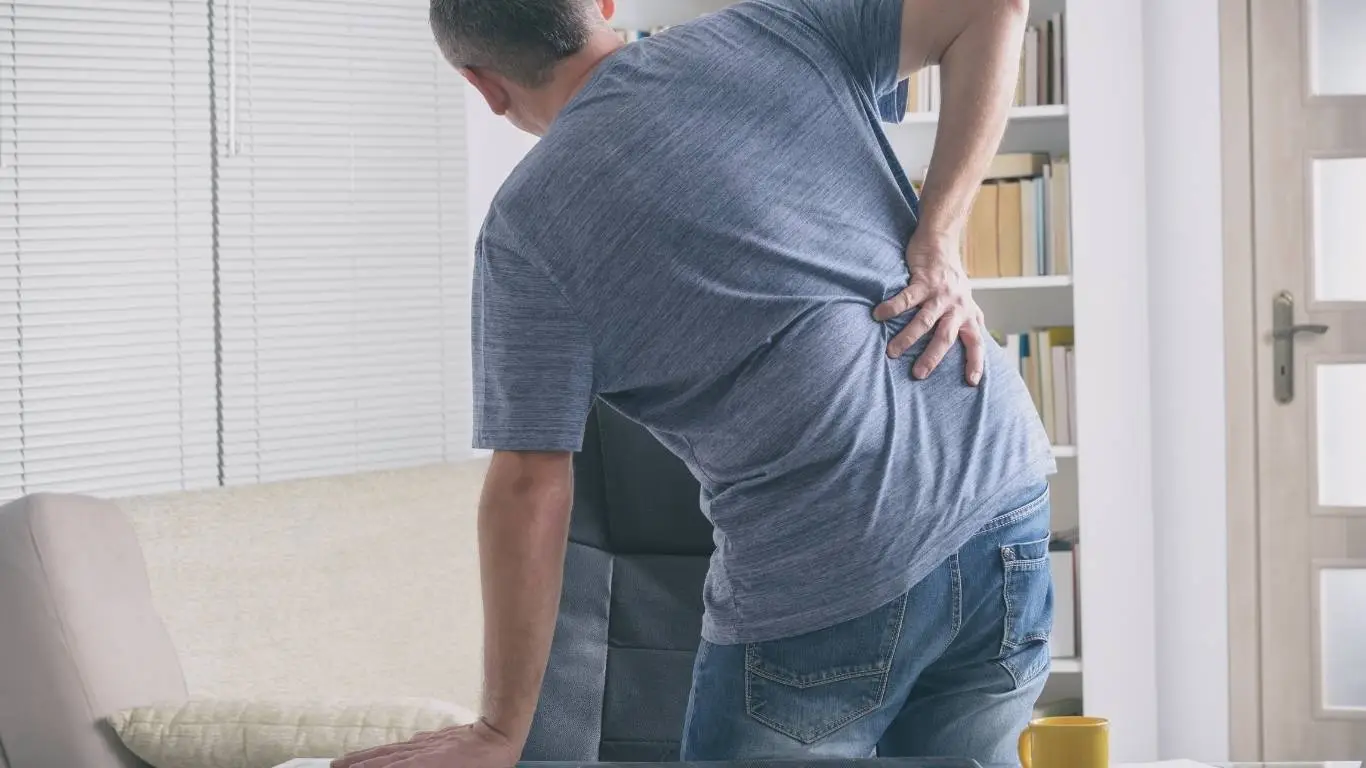
This therapy isn’t for everyone. Trust me, I made the mistake of recommending it to my uncle before checking if it was even appropriate for his condition — turns out, it wasn’t. Certain medical issues can make spinal traction risky or completely ineffective.
Conditions where traction should be avoided include:
- Spinal fractures or instability
- Severe osteoporosis
- Spinal tumors or infections
- Advanced rheumatoid arthritis
- Uncontrolled hypertension
If any of those sound familiar, it’s crucial to explore safer, more tailored options. A good resource on identifying these complex causes is this piece on unexpected sources of back pain you shouldn’t overlook.
What Happens During a Session?

Before my first session, I pictured a medieval rack machine. Thankfully, reality was far less intimidating. Most traction tables are padded, adjustable, and surprisingly comfortable.
- You lie down — face up or down depending on the area being targeted.
- Straps are placed around the torso and legs to gently secure you.
- The machine cycles through timed intervals of pull and release (typically 20-30 minutes).
- Some clinics include heat or electrical stimulation during treatment.
It’s a calm process — I’ve actually dozed off a few times mid-session. That said, if you’re overly sensitive to tension or have low pain tolerance, speak up. The pull intensity can be adjusted.
How Long Until You Feel Results?

Results vary a lot. I personally started noticing improvement after the third session, especially in terms of morning stiffness and reduced nerve tingling. That said, it’s not uncommon for people to need 6–10 sessions before feeling real change.
Factors that affect outcomes include:
- Severity and type of condition
- How early the therapy is started
- Whether it’s combined with other treatments like rehab or posture work
- Patient age and overall spinal health
According to clinical studies from NCBI, intermittent traction tends to be more beneficial for short-term nerve compression and certain disc issues than for chronic degeneration.
Common Myths About Spinal Traction

Let’s bust a few common misconceptions I’ve heard over the years — including a few I believed myself before I got better informed.
Myth #1: It Can “Pop” Your Disc Back In
Nope. This isn’t a mechanical reset button. What traction does is reduce pressure on the spine, allowing some disc material to ease away from pinched nerves. It’s gentle and gradual, not an instant fix.
Myth #2: It Replaces Exercise or Rehab
Think of traction as a support tool, not a standalone cure. Long-term relief usually requires strengthening your core, stretching tight muscles, and adopting better posture. I’ve seen better outcomes when paired with approaches like yoga for back pain.
Myth #3: Everyone Feels Better After One Session
It’s not magic. For most people, it takes multiple sessions to feel consistent relief. Some might not feel it at all. Setting the right expectations is key.
Home vs. Clinical Traction: What’s Better?

I’ve tried both. While clinical settings are great for supervised treatment and adjustments, home units do offer convenience (especially if you’re juggling work, parenting, or both).
Here’s a quick comparison:
| Aspect | Clinical Traction | Home Traction |
|---|---|---|
| Supervision | Administered by trained professionals | Self-applied, requires education |
| Customization | Precise settings based on your condition | Limited adjustments, pre-set levels |
| Convenience | Requires appointments & time | Can be done anytime at home |
| Cost | Covered by insurance (sometimes) | Higher upfront cost, one-time purchase |
Before investing in a home device, it’s worth checking your condition with a professional. Not all spinal issues respond well to DIY treatments. See the guide on why MRI evaluation is critical to tailor your plan safely.
Final Verdict: Is It Worth Trying?

If you’re dealing with mild to moderate disc issues, nerve irritation, or chronic back tension, intermittent traction is definitely worth exploring. I found it more effective when combined with posture correction and targeted rehab — which makes sense when you look at the bigger picture of back pain care like in this comprehensive conservative treatment guide.
For me, traction was part of a larger journey. Not a miracle, but a piece of the puzzle that helped me function again without living on anti-inflammatories. Be cautious, talk to someone who knows your spine, and listen to your body. Every back tells a different story — and this therapy might just be the missing chapter in yours.
To explore broader causes and treatment options, don’t miss our in-depth resource on types and anatomy of back pain.

Camellia Wulansari is a dedicated Medical Assistant at a local clinic and a passionate health writer at Healthusias.com. With years of hands-on experience in patient care and a deep interest in preventive medicine, she bridges the gap between clinical knowledge and accessible health information. Camellia specializes in writing about digestive health, chronic conditions like GERD and hypertension, respiratory issues, and autoimmune diseases, aiming to empower readers with practical, easy-to-understand insights. When she’s not assisting patients or writing, you’ll find her enjoying quiet mornings with coffee and a medical journal in hand—or jamming to her favorite metal band, Lamb of God.