Does Pepto Bismol Help Acid Reflux? Effectiveness, Safety, and When to Use It
Does Pepto Bismol help acid reflux? Pepto Bismol may provide temporary relief for mild heartburn and indigestion by coating the stomach lining, but it does not reduce stomach acid or treat the root cause of GERD.
Introduction
Acid reflux is a common digestive disorder that affects millions of people worldwide. It occurs when stomach acid flows back into the esophagus, leading to heartburn, regurgitation, and discomfort. Many individuals seek relief from over-the-counter medications, including Pepto Bismol, a popular digestive remedy often used for upset stomach and indigestion.
In this guide, we explore whether Pepto Bismol truly helps acid reflux, how it works in the digestive system, and when it may or may not be an appropriate option.
Acid Reflux Symptoms and Causes
Identifying Acid Reflux Symptoms
Acid reflux manifests with various symptoms, including a burning sensation in the chest (heartburn), regurgitation of acidic contents into the mouth, difficulty swallowing, and a sour taste. Recognizing these symptoms helps differentiate acid reflux from other digestive issues.
Common Causes of Acid Reflux
Multiple factors can trigger acid reflux, such as a weakened lower esophageal sphincter (LES), hiatal hernia, obesity, certain foods, and lifestyle habits. Understanding the underlying triggers is essential for long-term symptom control.
Pepto Bismol: Overview and Mechanism of Action
What is Pepto Bismol?
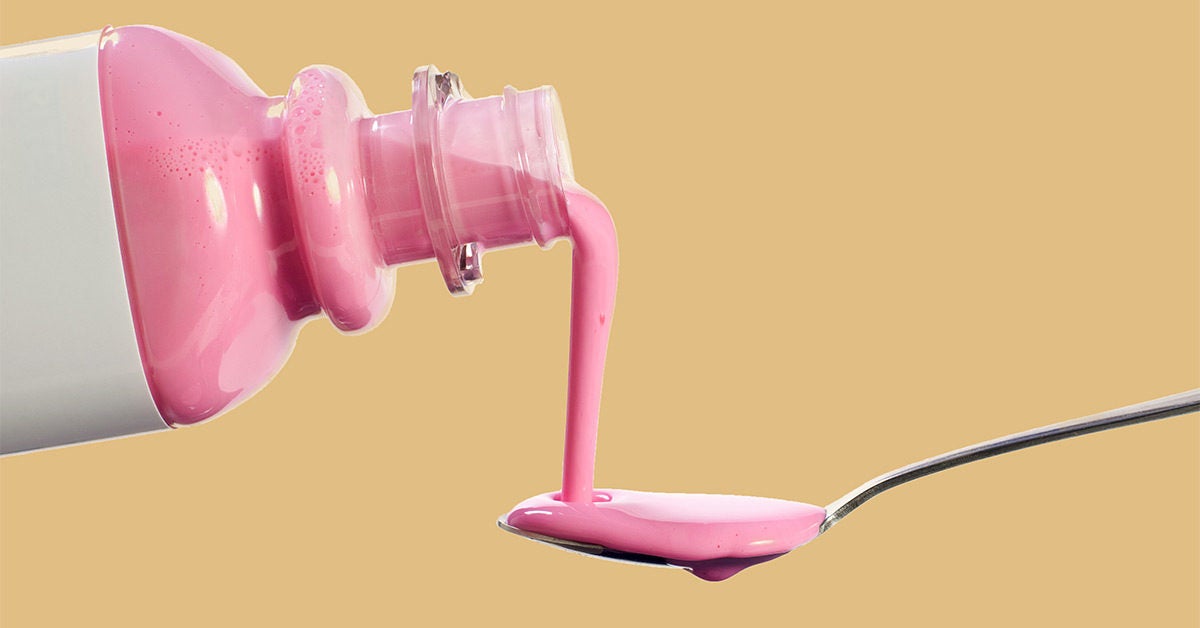
Pepto Bismol contains the active ingredient bismuth subsalicylate and is available in chewable tablets, caplets, and liquid suspension. It is primarily used to relieve indigestion, nausea, upset stomach, and diarrhea.
How Does Pepto Bismol Work?
Pepto Bismol works by forming a protective coating over the stomach lining, helping soothe irritation. It also has mild antimicrobial effects. However, unlike antacids or acid-suppressing medications, it does not significantly reduce stomach acid production.
Does Pepto Bismol Help Acid Reflux?
Efficacy of Pepto Bismol for Acid Reflux
Pepto Bismol may provide short-term relief for mild acid reflux symptoms, particularly when irritation or indigestion is involved. Some people notice reduced discomfort because of its soothing effect on the stomach lining.
However, it does not treat the underlying cause of reflux, such as LES dysfunction or excessive acid production, meaning relief is usually temporary rather than therapeutic.
How to Use Pepto Bismol for Acid Reflux Relief
If using Pepto Bismol for occasional reflux symptoms, follow the dosage instructions on the product label carefully. It is best suited for short-term symptom relief rather than ongoing GERD management. Individuals with persistent symptoms should seek medical guidance.

Safety and Precautions
Recommended Dosage and Administration
Always adhere to recommended dosing guidelines to avoid side effects. Excessive intake may lead to bismuth toxicity or salicylate-related complications.
Potential Side Effects and Allergies
Common side effects include temporary darkening of the tongue or stools and mild constipation. Allergic reactions are uncommon but require immediate medical attention if they occur.
When to Avoid Pepto Bismol for Acid Reflux
Pepto Bismol should be avoided or used cautiously by:
- Pregnant or breastfeeding individuals
- People with salicylate sensitivity
- Those taking blood thinners or certain medications
Consult a healthcare professional before use if you have chronic GERD or other medical conditions.
Pepto Bismol vs. Other Acid Reflux Medications
Comparing Pepto Bismol with Antacids
Antacids neutralize stomach acid directly and often provide faster heartburn relief. Pepto Bismol, in contrast, primarily soothes irritation rather than reducing acid levels.
Pepto Bismol vs. Proton Pump Inhibitors (PPIs)
PPIs reduce acid production and are commonly used for frequent GERD symptoms. Pepto Bismol may help occasional discomfort but is not a substitute for prescription or long-term reflux therapy.

Lifestyle Tips for Managing Acid Reflux
Dietary Changes and Acid Reflux
Avoiding trigger foods such as spicy meals, high-fat dishes, caffeine, and acidic beverages can help reduce reflux episodes. Eating smaller meals and maintaining balanced nutrition also supports digestive health.
Lifestyle Modifications to Reduce Symptoms
Maintaining a healthy weight, avoiding late-night meals, elevating the head during sleep, and managing stress are effective strategies that complement medical treatment.
Beyond medication, identifying dietary triggers is key to long-term symptom control. Peppermint is one ingredient that can affect reflux in some people, and this guide explains why: https://healthusias.com/can-peppermint-worsen-acid-reflux/
Consultation with a Healthcare Professional
Seeking Medical Advice for Chronic Acid Reflux
Persistent or severe reflux symptoms require proper evaluation. A healthcare professional can recommend diagnostic tests and personalized treatment plans.
Interactions with Other Medications
Pepto Bismol may interact with certain medications. Always inform your healthcare provider about any OTC products you use regularly.

FAQs about Pepto Bismol and Acid Reflux
Can Pepto Bismol help heartburn?
Yes, it may relieve mild heartburn temporarily, but it is not designed to treat chronic reflux.
Is Pepto Bismol safe for GERD?
Occasional use may be safe for some individuals, but frequent symptoms should be managed with appropriate medical guidance.
How fast does Pepto Bismol work?
Relief typically begins within 30 to 60 minutes, depending on the severity of symptoms.
Can you take Pepto Bismol daily?
Daily use is generally not recommended unless advised by a healthcare professional.
Conclusion
Pepto Bismol can help relieve mild, occasional acid reflux symptoms by soothing stomach irritation, but it does not address the underlying causes of GERD or significantly reduce acid production. For frequent reflux, targeted treatments and lifestyle changes are usually more effective.
Using Pepto Bismol occasionally may be reasonable for short-term discomfort, but persistent symptoms should always be evaluated by a healthcare professional to ensure proper diagnosis and treatment.
While medications may help control symptoms, diet plays a crucial role in long-term relief. For example, learning which sauces are less likely to trigger heartburn can support better symptom management. This guide on GERD-friendly sauces explains what to look for: https://healthusias.com/gerd-friendly-sauces-delicious-solutions-for-acid-reflux-sufferers/

Camellia Wulansari is a dedicated Medical Assistant at a local clinic and a passionate health writer at Healthusias.com. With years of hands-on experience in patient care and a deep interest in preventive medicine, she bridges the gap between clinical knowledge and accessible health information. Camellia specializes in writing about digestive health, chronic conditions like GERD and hypertension, respiratory issues, and autoimmune diseases, aiming to empower readers with practical, easy-to-understand insights. When she’s not assisting patients or writing, you’ll find her enjoying quiet mornings with coffee and a medical journal in hand—or jamming to her favorite metal band, Lamb of God.