Why Journaling For Emotional Support In Back Pain Is A Game Changer
When I first started dealing with chronic back pain, I had no idea how much my emotional well-being would play into it. Doctors talked about posture, herniated discs, muscle imbalances—but no one ever mentioned the mental weight I carried daily. Over time, I found something surprisingly powerful that helped me cope: journaling. Not in a “Dear Diary” kind of way, but a personal check-in, a release valve, a space that helped me untangle the emotional knots that were making my back pain worse.
Why Journaling Matters More Than You Think

Living with persistent pain takes a toll on more than just the body. It chips away at your mental clarity, emotional stability, and even your relationships. Journaling is a science-backed, low-effort way to support your emotional health—especially when the days feel long and your back won’t give you a break.
The Science Behind Emotional Journaling
Research has consistently shown that expressive writing reduces stress, helps regulate emotions, and can even lead to reduced pain perception. A study published in the NIH concluded that patients dealing with chronic musculoskeletal pain experienced fewer symptoms after incorporating structured journaling into their day.
When you write down your feelings—anger, fear, frustration—it’s as if your nervous system gets a breather. For me, just acknowledging how helpless I sometimes felt brought a strange sense of control back. There’s a connection between what we think and what we physically feel—and journaling bridges that gap.
How Journaling Helped Me Make Sense of the Pain
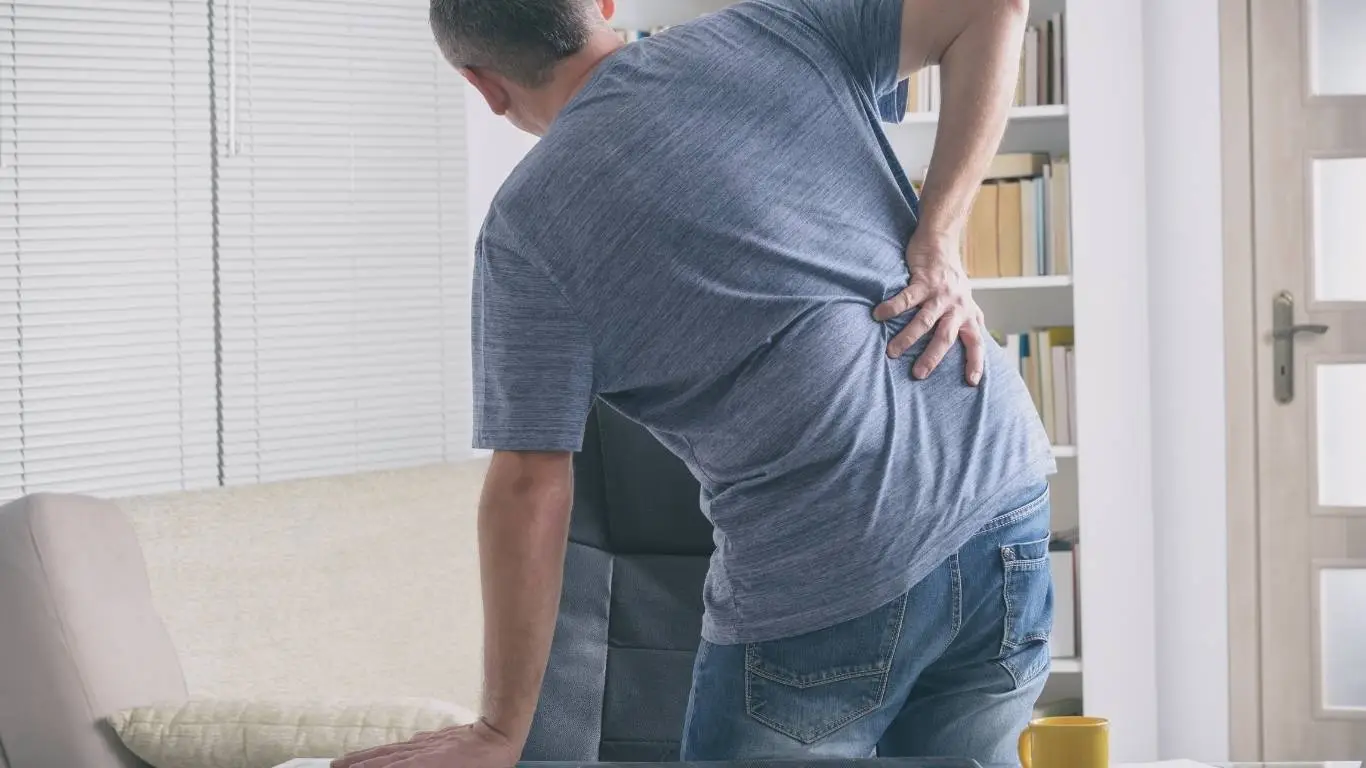
I remember one day when my lower back pain flared up just from bending to pick up the mail. I was furious—at my body, at life, at the world. Instead of bottling it up, I sat down and wrote every ugly thought that came to mind. Twenty minutes later, I wasn’t healed, but I was lighter. And that emotional lightness translated into less physical tension too.
Getting Started: Journaling Without the Fluff
Journaling doesn’t need to be pretty or poetic. You don’t have to follow prompts (though those help). And you definitely don’t need to write a novel. The trick is consistency, not complexity.
Simple Ways to Journal for Emotional Relief
- Free Writing: Set a timer for 10–15 minutes and write whatever comes to mind—no judgment, no editing.
- Gratitude Lists: Pain can distort your perspective. Listing three things you’re thankful for each day can balance it.
- Pain Log + Emotion Tag: Track not only your physical pain levels, but how you feel emotionally. You’ll start noticing patterns.
- Letter Writing: Write to your pain. Sounds weird? It’s actually therapeutic.
Best Times to Journal
- First thing in the morning: Clear your mind before the day clutters it.
- After a pain flare: Offload emotional stress while it’s fresh.
- Before sleep: Let your journal hold the day’s weight so you can rest better.
If you’re new to chronic pain, especially conditions like degenerative disc disease or chronic low back pain, journaling can be your personal support system on the worst days.
Journaling and Emotional Patterns in Chronic Back Pain

When you’re stuck in the loop of pain → stress → more pain, it can feel impossible to break free. That’s where emotional pattern recognition through journaling becomes gold. I began to notice my back pain often intensified after arguments, missed sleep, or stressful workdays. Recognizing those triggers helped me set boundaries that weren’t obvious before.
For example, I discovered that emotional lows like depression were just as potent in triggering pain as physical strain. Knowing this changed how I treated myself. I stopped blaming my body and started listening to what it was trying to tell me.
Prompts to Help You Start Tracking Emotional Triggers
- What was happening emotionally the last time your back pain got worse?
- Who or what drained your energy today?
- What are you afraid will happen if the pain doesn’t improve?
- How did you talk to yourself today when you were hurting?
Tracking emotional patterns helps put your pain into a broader context. This shift alone can feel empowering—something rare when living with invisible pain.
Combining Journaling with Other Support Systems

Journaling isn’t a magic pill, but when paired with other strategies, it’s incredibly effective. For example, I started using journaling alongside cognitive behavioral therapy and gentle physical therapy. The clarity from writing made it easier to talk through difficult sessions and helped my therapist understand the real struggles I faced.
And if you’re navigating emotional triggers from specific causes like scoliosis-related pain or teenage back pain challenges, journaling can feel like the one place you’re not being judged or misunderstood.
Journaling fits beautifully within a broader wellness approach. Combine it with mindfulness, deep breathing, or even a short walk—especially on high-pain days. It’s that grounding tool you didn’t know you needed.
Want to explore more holistic approaches to managing the emotional aspects of back pain? Don’t miss our comprehensive guide on mental and emotional support for back pain. And for a foundational understanding of everything related to back pain, visit our main back pain hub.
Deepening the Practice: Turning Journaling into a Daily Emotional Support Tool

Once I made journaling a regular habit, it shifted from just venting to something more powerful—a tool I could return to when emotions ran high or when my back pain felt all-consuming. Over time, it became my personal feedback loop, helping me recognize what I needed emotionally, not just physically.
When you’re living with chronic pain, you often feel unheard. Journaling gives your inner voice a safe space to speak. It’s not about fixing anything in the moment—it’s about being radically honest with yourself without the pressure of explaining your pain to someone else.
Turn Your Journal into a Healing Companion
Once you’ve built a journaling rhythm, you can begin to shape it into a proactive self-support system. Here’s how I did it—and how you can too:
- Reflect Weekly: Every Sunday, I flip back through my entries to spot trends in my mood, pain, and triggers.
- Celebrate Tiny Wins: Wrote down when I walked an extra block, got better sleep, or just didn’t cry that day. These mattered more than I thought.
- Track Emotional Milestones: “Today I didn’t catastrophize after the pain hit.” That was worth writing down.
This kind of emotional journaling helped me understand how anxiety and fear amplified my symptoms. And it’s not just me—a Psychology Today feature on emotional expression in chronic illness found similar benefits across conditions like fibromyalgia, arthritis, and spinal issues.
Customizing Your Journal to Your Pain Experience

Let’s be real—no one else’s pain story is exactly like yours. So why would your journaling method be? After experimenting with prompts and formats, I built a custom page layout that worked for me. Some days it was messy. Other times, bullet lists. What mattered most was that it felt honest.
Templates You Can Steal (and Modify)
- Daily Snapshot:
Physical Pain Level (1–10):
Top Emotion Today:
What Triggered Me:
One Thing I Did for Myself:
Reminder I Need Right Now: - “Pain Conversation” Entry: Write a dialogue between you and your pain. Let it talk back. Yes, seriously—it’s weird, and it works.
- Release Page: A private space to cuss, cry, rage, or vent without filter. Total emotional detox.
These flexible formats helped me feel more in control. And when I combined them with resources on coping strategies, I started bouncing back quicker after flare-ups.
What to Do When Journaling Feels Like Too Much

Not every day is a journaling day. There were times I stared at the blank page and felt nothing but fatigue and frustration. That’s okay. On those days, I kept it simple:
- Write one sentence. Even if it’s just “I’m tired and I hurt.”
- Draw something abstract. Scribbles. Shapes. Lines.
- Use voice notes instead of writing. Later, transcribe if you want—but don’t force it.
If pain is too intense, or journaling triggers deeper emotional spirals, pause. Talk to a professional. CBT or pain psychology could be a better fit at that moment. Journaling should never feel like another chore.
Making Journaling Part of Your Pain Toolbox

Back pain recovery is rarely linear. You’ll have better days, and days where you wonder if things will ever improve. That’s why emotional tools like journaling matter. When I look back on old entries from last year, I realize how much progress I’ve actually made—even if my pain hasn’t disappeared.
I keep my journal in a basket beside my heating pad, a TENS unit, and my yoga mat. It’s become part of my pain toolkit, just as essential as ice packs and ergonomic cushions.
Want to Level It Up?
If journaling works for you, explore ways to deepen the practice:
- Try a digital journal app with mood trackers and reminder alerts
- Join online chronic pain communities and share writing prompts
- Use colors, photos, or stickers to personalize your journal and make it feel inspiring
And don’t forget—if you’re juggling emotional struggles tied to a condition like piriformis syndrome or ankylosing spondylitis, your emotional health matters just as much as your physical recovery. Give your feelings a voice—your back will thank you.
To explore more about how mental health intersects with physical healing, don’t miss our full section on emotional support and back pain. For foundational insights and overall pain management strategies, visit our main back pain guide.

Camellia Wulansari is a dedicated Medical Assistant at a local clinic and a passionate health writer at Healthusias.com. With years of hands-on experience in patient care and a deep interest in preventive medicine, she bridges the gap between clinical knowledge and accessible health information. Camellia specializes in writing about digestive health, chronic conditions like GERD and hypertension, respiratory issues, and autoimmune diseases, aiming to empower readers with practical, easy-to-understand insights. When she’s not assisting patients or writing, you’ll find her enjoying quiet mornings with coffee and a medical journal in hand—or jamming to her favorite metal band, Lamb of God.