Kidney Friendly Dinner Ideas: What to Eat for a Healthy Kidney Diet
Dinner can feel like the hardest meal to figure out when you’re trying to eat better for your kidneys. Breakfast is often simple, lunch can be flexible, but dinner is where habits, cravings, and family routines all come together. That’s why many people start searching for kidney friendly dinner ideas—they want something realistic, not restrictive.
The good news is that a kidney-conscious dinner doesn’t have to be complicated. It’s less about perfection and more about making small, thoughtful choices that support your overall routine.
What Makes a Dinner “Kidney-Friendly”?
At its core, a kidney-friendly dinner focuses on balance. Instead of cutting out entire food groups, it usually means paying attention to a few key areas:
- Sodium (salt): Many packaged and restaurant meals contain more than expected
- Protein portions: Not eliminating protein, but keeping amounts reasonable
- Potassium and phosphorus: Depending on individual needs, these may require attention
- Whole, simple ingredients: Meals built from fresh foods tend to be easier to manage
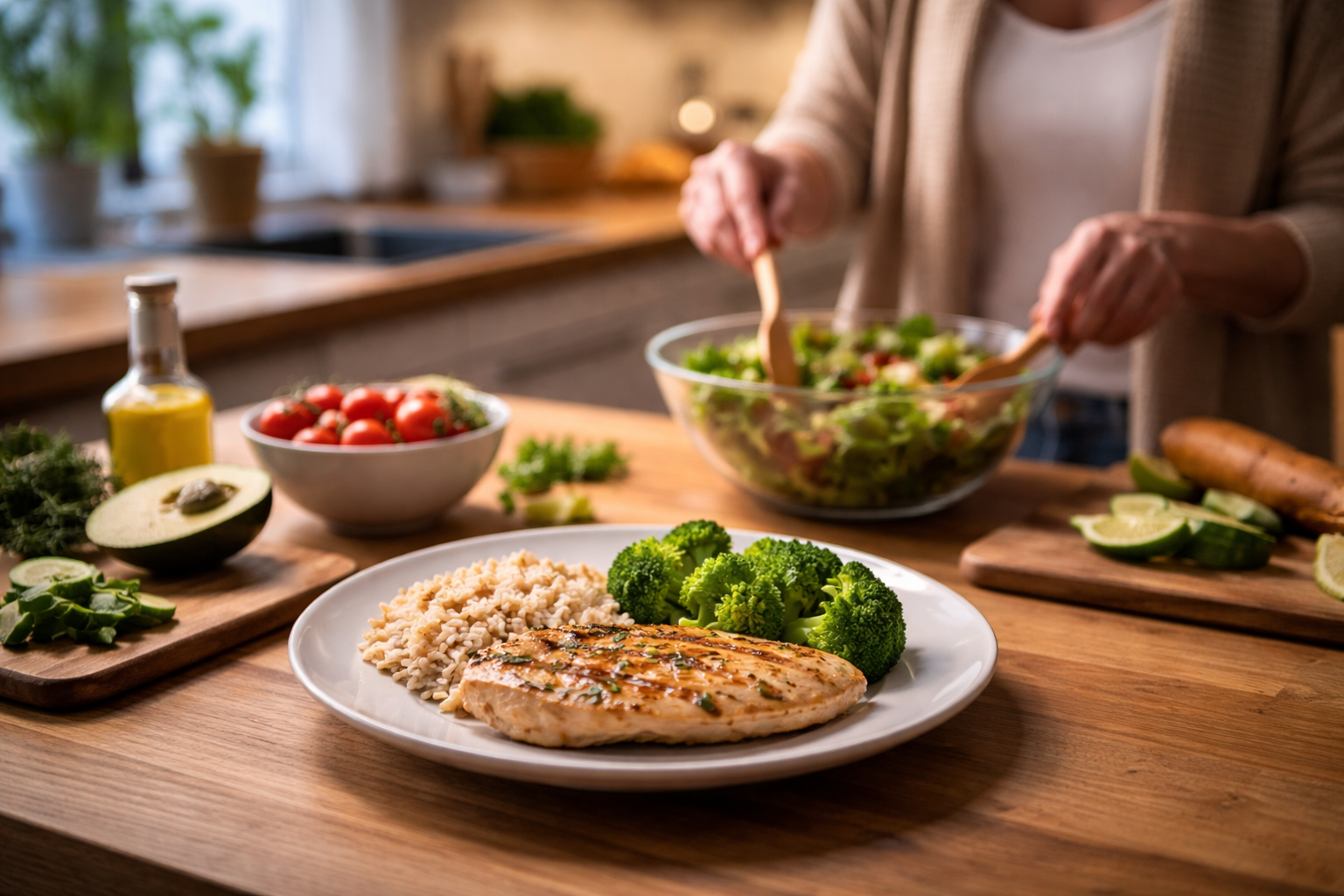
In everyday routines, this might look like choosing grilled chicken instead of fried, using herbs instead of heavy sauces, or building meals around vegetables and grains rather than processed foods.
If you’re new to this way of eating, it can help to understand the bigger picture first. This complete guide to kidney health basics gives helpful context for why these adjustments matter.
Struggling to figure out what actually supports kidney health?
Many people try random diet changes without knowing what truly makes a difference. A structured approach can help connect the dots in a simple, practical way.
Explore a step-by-step guide to clearer choices
Factors That Shape Your Dinner Choices
Not every dinner plan looks the same. What works for one person may not work for another, and that’s normal.
Personal Health Needs
Some people are advised to limit certain nutrients more than others. This can influence everything from portion sizes to ingredient choices.
Cooking Habits
One common pattern is relying on convenience foods after a long day. While understandable, these meals are often higher in sodium, which can add up quickly.
Family and Lifestyle
If you’re cooking for others, you may need meals that work for everyone. That often means finding flexible recipes that can be adjusted without making separate dishes.
For a deeper look at how daily meals fit together, many readers find it helpful to explore a sample kidney diet meal plan to see how dinner fits into the bigger picture.
Common Dinner Challenges People Run Into
Even with good intentions, dinner can be where things feel confusing.
- “Everything feels restricted”: Many people worry they have to give up all their favorite foods
- Portion uncertainty: Not knowing how much is “too much” can lead to stress
- Hidden sodium: Sauces, marinades, and packaged items often contain more salt than expected
- Lack of ideas: Repeating the same meals can quickly become frustrating
In everyday life, this often leads to a cycle: trying to eat better for a few days, then slipping back into old habits because the plan wasn’t sustainable.
Practical Kidney Friendly Dinner Ideas You Can Actually Use
Instead of focusing on strict rules, it helps to think in terms of meal patterns. Here are some simple, adaptable dinner ideas:
1. Grilled Protein + Fresh Sides
- Grilled chicken or fish
- Steamed green beans or carrots
- Small portion of rice or pasta
This type of meal keeps things simple while allowing you to control seasoning.
2. Stir-Fry with a Light Touch
- Lean protein like shrimp or tofu
- Mixed vegetables
- Light sauce made at home instead of bottled options
Many people notice that homemade sauces dramatically reduce sodium compared to store-bought versions.
3. Build-Your-Own Bowl
- Base: rice, quinoa, or noodles
- Protein: grilled chicken, eggs, or beans (as appropriate)
- Toppings: fresh vegetables and herbs
This approach works well for families because everyone can customize their plate.
4. Simple Pasta Night
- Pasta with olive oil, garlic, and vegetables
- Optional lean protein
- Skip heavy, salty sauces
It’s a familiar comfort meal with a lighter, more balanced twist.
If you’re looking to expand beyond dinner, these easy lunch options for kidney-conscious eating can help keep your entire day consistent.
Everyday Considerations That Make a Big Difference
Small habits at dinner time often matter more than specific recipes.
Watch the Salt Without Losing Flavor
Using garlic, lemon, herbs, and spices can make meals enjoyable without relying heavily on salt.
Cook More at Home When Possible
Restaurant meals tend to be higher in sodium and harder to control. Even cooking a few nights a week can shift your overall intake.
Pay Attention to Portions
It’s not just what you eat, but how much. Balanced portions can make meals feel satisfying without going overboard.
Plan Ahead for Busy Nights
One common pattern is turning to takeout when time is tight. Preparing ingredients in advance or having simple go-to meals can help avoid that.
For a broader look at how food supports your body, this natural approaches to supporting kidney health guide connects everyday habits with long-term wellness.
When People Start Looking for More Structure
At some point, many people realize that general advice isn’t enough. They understand the basics, but still feel unsure about how to apply them consistently.
This is the “gap” moment—where knowledge exists, but daily decisions still feel unclear.
For example:
- You know sodium matters, but aren’t sure how to track it realistically
- You try healthy meals, but don’t know if they’re balanced
- You want variety, but run out of ideas quickly
In these situations, some people start exploring more structured support, like ways people approach improving kidney function through lifestyle habits. Not as a quick fix, but as a way to bring clarity and consistency to everyday choices.
Need a clearer plan for kidney-friendly meals that actually fits your life?
If you’re tired of guessing what to eat each night, having a simple, structured approach can make daily decisions easier and less stressful.
Take a look at a practical guide designed for real routines
Frequently Asked Questions
Do I have to avoid all protein at dinner?
No. Many people simply adjust portion sizes rather than eliminate protein entirely. Balance is usually the focus.
Are all vegetables safe for a kidney-friendly diet?
Not always. Some vegetables may need to be limited depending on individual needs, but many can still be included in moderate amounts.
Is eating out completely off-limits?
Not necessarily. It just requires more awareness—like choosing simpler dishes and asking for sauces on the side.
How can I make meals less boring?
Using different herbs, cooking methods, and meal formats (like bowls or stir-fries) can add variety without complicating things.
Bringing It All Together
Finding the right kidney friendly dinner ideas isn’t about strict rules or perfect meals. It’s about building a routine that feels manageable, flexible, and sustainable over time.
Many people find that once they focus on simple ingredients, balanced portions, and a bit of planning, dinner becomes much less stressful—and much more enjoyable.
If you’re still figuring out what works best for you, exploring structured guidance can help turn general advice into something you can actually follow day to day.

Robin Abbott is a wellness and lifestyle writer at Healthusias, focusing on everyday health awareness, habits, and life optimization through clear, non-medical explanations.