Kidney Friendly Snacks: 10 Healthy Options for CKD Patients
Many people don’t think much about snacks—until they’re told they need to follow a kidney-conscious eating plan. Suddenly, those quick bites between meals start to matter more. For individuals managing chronic kidney concerns, choosing the right foods can feel confusing at first, especially when common snack options are often high in sodium, potassium, or phosphorus.
That’s where kidney friendly snacks come in. These are simple, everyday foods that are generally easier to fit into a renal diet, helping people stay satisfied without putting extra strain on the kidneys. Understanding what makes a snack “kidney-friendly” can make daily eating feel more manageable and less restrictive.
What Makes a Snack Kidney-Friendly?
A kidney-friendly snack is typically lower in certain nutrients that the kidneys may struggle to regulate effectively—especially sodium, potassium, and phosphorus. The exact balance can vary depending on individual needs, but the general idea is to avoid excess while still getting enough nourishment.
Many packaged snacks are heavily processed and contain hidden sources of these minerals. That’s why people often shift toward simpler, whole-food options or carefully chosen alternatives.
In everyday life, this might look like swapping out chips for fresh fruit, or choosing unsalted crackers instead of salted ones. Small changes like these can add up over time.
Ad
Why Some People Prefer a Clear, Step-by-Step Kidney Diet Guide
Understanding what to eat can feel overwhelming when advice seems scattered. Some people find it easier to follow a structured approach that brings everything together in one place.
Explore how this guide is organized
10 Kidney Friendly Snacks to Consider
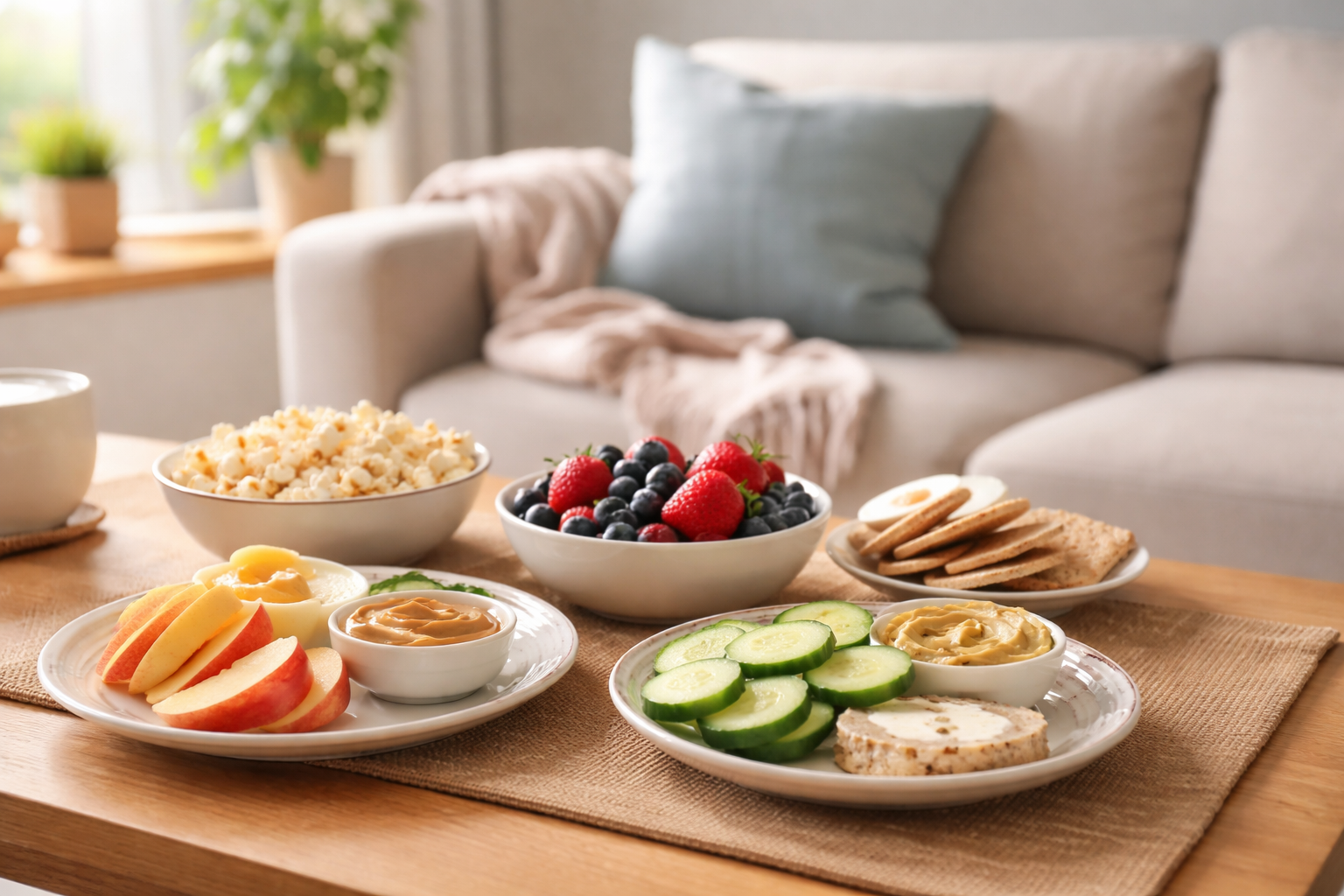
Here are ten snack ideas that are commonly included in kidney-conscious eating patterns. These options are generally simple, accessible, and easy to prepare.
1. Apple Slices with a Small Amount of Peanut Butter
Apples are naturally low in potassium and provide fiber. Pairing them with a small amount of peanut butter can add flavor and a bit of protein without overloading minerals when portion sizes are kept moderate.
2. Unsalted Popcorn
Air-popped popcorn without added salt is a light and satisfying snack. It’s often a better alternative to processed chips and can help curb cravings for something crunchy.
3. Rice Cakes with Cream Cheese
Plain rice cakes are low in sodium and easy to top. A thin layer of cream cheese adds taste without making the snack too heavy.
4. Fresh Berries
Strawberries, blueberries, and raspberries are commonly included in kidney-friendly diets. They’re refreshing, naturally sweet, and lower in potassium compared to some other fruits.
5. Cucumber Slices with Hummus
Cucumbers are hydrating and low in calories. Paired with a modest serving of hummus, they can create a balanced and enjoyable snack.
6. Hard-Boiled Egg Whites
Egg whites provide protein without the higher phosphorus content found in the yolk. This makes them a popular choice in some renal diet plans.
7. Unsalted Crackers
Simple, low-sodium crackers can be paired with various toppings or eaten on their own. They’re easy to keep on hand for quick snacking.
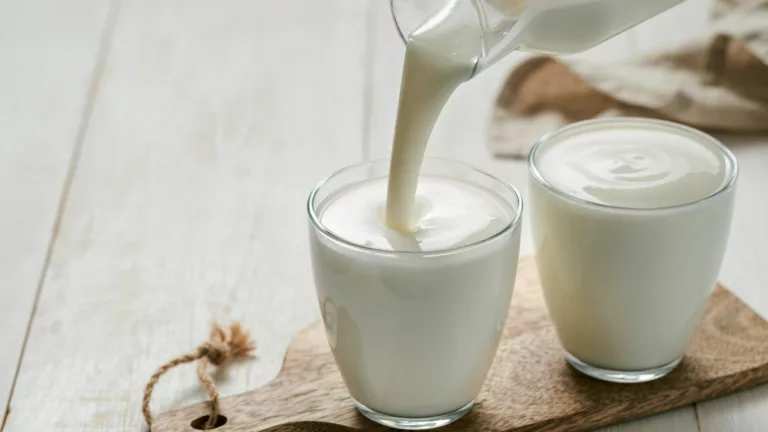
8. Greek Yogurt (Low-Phosphorus Options)
Some people include small portions of yogurt, depending on their dietary needs. Choosing lower-phosphorus varieties and watching portion sizes can help keep things balanced.
9. Red Bell Pepper Strips
Red bell peppers are often favored because they’re lower in potassium than many other vegetables while still providing a crisp, fresh taste.
10. Homemade Smoothies (Kidney-Conscious Ingredients)
Blending fruits like berries with non-dairy milk alternatives can create a refreshing snack. It’s important to be mindful of ingredients to avoid excess potassium.
Why Snack Choices Matter for Kidney Health
Snacks may seem small, but they can significantly influence daily nutrient intake. When someone eats multiple snacks throughout the day, even modest amounts of sodium or potassium can add up.
Over time, this can make it harder to maintain balance, especially for individuals already monitoring their kidney function. That’s why many people begin paying closer attention to what they eat between meals.
Choosing the right snacks isn’t about perfection. It’s about awareness and consistency. Even small adjustments—like reducing salt or switching to fresh foods—can support a more balanced routine.
How People Typically Adjust Their Snack Habits
When people first start exploring kidney-friendly eating, they often notice how many of their usual snacks are processed or high in sodium. This can feel limiting at first, but it also opens the door to new options.
Common adjustments include:
- Reading nutrition labels more carefully
- Choosing fresh foods over packaged ones
- Reducing portion sizes of certain snacks
- Planning snacks ahead instead of grabbing convenience foods
These changes tend to develop gradually. Over time, many people find a rhythm that works for their lifestyle.
Related Food Choices to Explore
Snacks are just one part of a broader dietary pattern. People who are learning about kidney-friendly eating often explore additional food categories to build a more complete approach.
You might find it helpful to review a broader renal diet food list to understand which foods are commonly included and which are limited.
Fruits are another important area to consider. Not all fruits affect the body the same way, so looking into kidney-friendly fruits can provide more clarity on daily choices.
For a more complete understanding of how diet fits into overall kidney health, some readers also explore the chronic kidney disease guide to see how nutrition connects with other aspects of health awareness.
When People Start Looking for More Structured Guidance
At a certain point, many individuals realize that managing kidney-friendly eating involves more than just swapping snacks. It often includes understanding patterns, portion sizes, and how different foods interact.
This is where a more organized approach can feel helpful. Instead of piecing together advice from different places, some people prefer a clearer framework that connects everything—from snacks to full meals.
In some cases, readers look into resources like a natural kidney support guide to better understand how daily habits, including snacking, fit into a broader lifestyle.
Frequently Asked Questions
Are all fruits safe as kidney-friendly snacks?
Not all fruits are the same when it comes to potassium content. Some are easier to include in a kidney-conscious diet than others. That’s why many people focus on specific options like berries or apples.
Can I still eat packaged snacks?
Some packaged snacks can fit into a kidney-friendly approach, but it often depends on the sodium and phosphorus content. Reading labels becomes an important habit over time.
How often should I snack?
Snack frequency varies from person to person. Some people prefer smaller, more frequent meals, while others stick to three main meals. The key is balance and consistency.
Is protein important in snacks?
Protein can be part of a snack, but the amount and type may vary depending on individual needs. Some people choose lighter options, while others include small portions of protein-rich foods.
Where can I learn more about kidney-friendly eating overall?
Many people start by exploring broader resources that explain food choices in more detail. In some cases, they look into structured guides or educational content that connects diet, lifestyle, and daily habits.
Bringing It All Together
Finding kidney friendly snacks doesn’t have to feel overwhelming. With a bit of awareness and some simple swaps, it’s possible to enjoy satisfying options that align with a kidney-conscious lifestyle.
Over time, these choices often become second nature. What starts as a careful adjustment can gradually turn into a more comfortable routine.
For those who want to better understand how snack choices fit into a bigger picture, exploring a more structured approach to kidney health can offer additional clarity and direction.

Robin Abbott is a wellness and lifestyle writer at Healthusias, focusing on everyday health awareness, habits, and life optimization through clear, non-medical explanations.