Why Left-Side Back Pain Causes Are Often More Serious Than Right
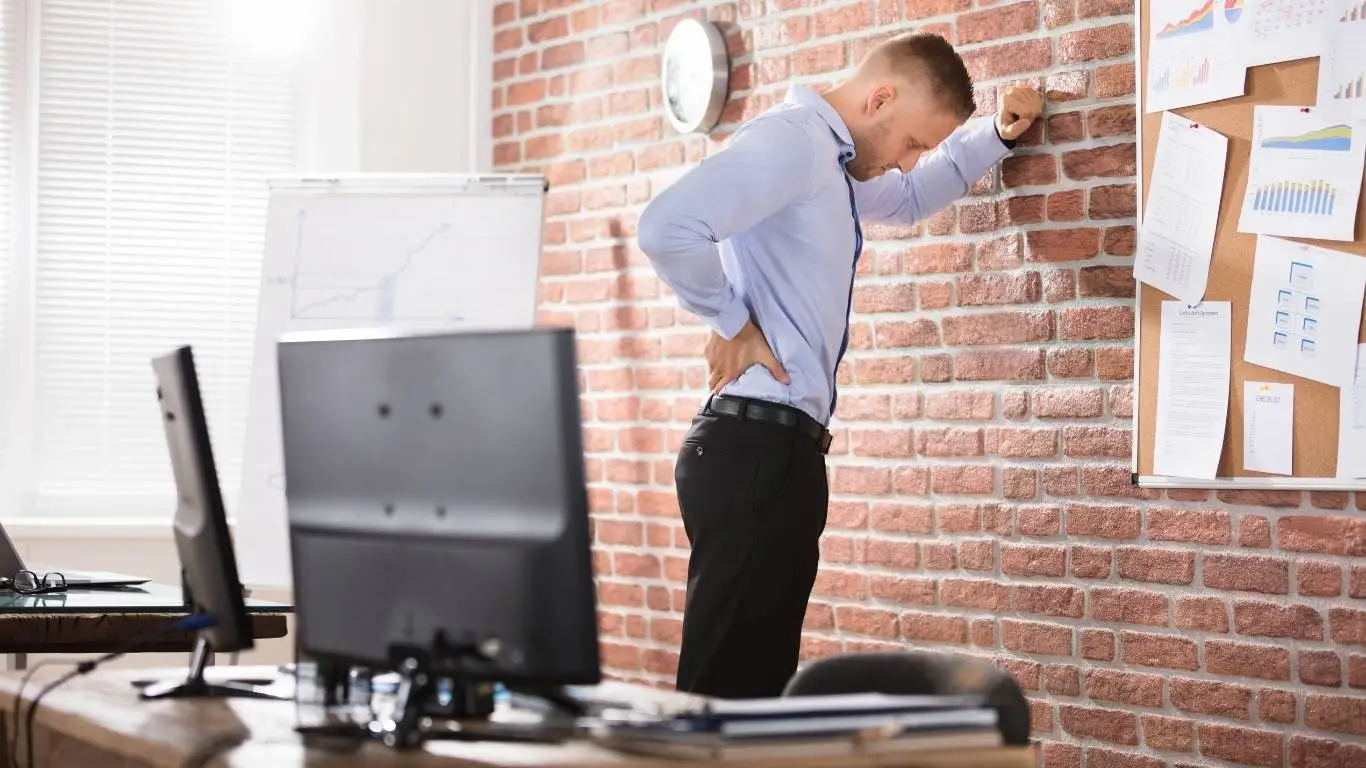
Ever woken up with a weird twinge in your lower back and wondered, “Why does it hurt only on the left side?” Or maybe it’s the right side that’s been nagging at you every time you bend or twist? Yeah, I’ve been there—years ago, a seemingly harmless twist during a weekend hike turned into months of annoying, sharp pain that refused to go away. The truth is, *left-side back pain* and *right-side back pain* aren’t always caused by the same things. In fact, understanding what side your pain shows up on can offer some pretty useful clues about what’s going on inside your body.
Left-Side Back Pain: What’s Usually Going On?

The left side of your back houses organs, muscles, nerves, and joints—any of which can be the culprit when pain kicks in. But not all back pain is created equal, and not all of it comes from your spine. Sometimes it’s your lifestyle. Sometimes it’s deeper—literally.
Common Muscular Causes
If you’re active (or not as active as you should be), chances are muscle strain might be behind that dull ache or stabbing pain. This is especially true if you’ve been lifting, twisting, or even sitting weirdly for long periods.
- Quadratus lumborum tightness – that deep lower back muscle often gets overworked, especially if your posture is off.
- Psoas issues – when the hip flexors tighten up, they can pull on your spine unevenly, often causing pain more on one side.
Been there, done that—especially after long road trips or working from my couch for hours (don’t do that, trust me).
Organ-Related Causes You Shouldn’t Ignore
Now, let’s talk internal. If the pain on your left side feels deep, gnawing, or persistent, your kidneys, intestines, or even your reproductive organs (if you’re female) might be involved.
- Kidney stones or infection – usually comes with fever, nausea, or cloudy urine.
- Diverticulitis – inflammation in your large intestine can cause pain that mimics a musculoskeletal issue.
- Endometriosis – many women report one-sided lower back pain tied to their cycle. Here’s what you should know.
Nerve or Spine-Related Problems
Nerves don’t care about symmetry. If one gets pinched, it’ll hurt on the side it’s affected—no matter if that’s left or right. For left-side specific issues, the culprit is often a disc pressing against a nerve root.
- Lumbar radiculopathy – radiating pain, tingling, or weakness down your leg? That’s your sign.
- Herniated discs – more common than you think, especially after age 30 or following a fall.
Right-Side Back Pain: Different Side, Different Clues

Now onto the right side—while it can be a mirror image of the left in terms of structure, some causes are surprisingly specific.
Muscle-Driven Right Back Pain
One time, I tweaked my back just from lifting my kid out of the car seat—yep, right-side back pain that didn’t go away for days. Turns out, my form was garbage and my core was slacking. Muscles on the right side tend to overcompensate if you’re right-handed or always doing things on one side.
- Improper lifting technique (guilty)
- Sleeping in a lopsided position
- Repetitive movements—especially if your job is physical or you’re into sports
Organ Troubles on the Right
If your right-sided back pain is deep or pressure-like, don’t ignore it. This is where things like gallbladder issues or liver inflammation come in.
- Gallstones – pain often radiates to the back and comes in waves, especially after fatty meals.
- Liver problems – if paired with fatigue or jaundice, you’ll want to get that checked fast.
- Internal injuries – especially after a fall or accident, always get assessed if pain shows up suddenly on one side.
Nerve Involvement
Just like on the left, the right side can be hit by sciatica, spinal stenosis, or facet joint issues. What’s tricky is these can mimic muscle problems, so don’t self-diagnose too quickly.
- Facet joint syndrome – usually worsens when you arch your back or stand for long periods.
- Sports injuries – over-rotation during activities like tennis or golf can compress one side of your spine more than the other.
When Side Matters: Clues From Your Daily Life

Your daily habits often hold the answer. Are you always crossing your legs the same way? Slouching into your favorite couch corner? Carrying a kid on one hip? These little things stack up.
If the pain is mild and comes and goes, you might benefit from some ergonomic tweaks. Start with checking your desk setup, investing in a decent mattress, or switching sleeping positions.
- Try ergonomic seating to balance spinal pressure
- Sleep smarter to avoid aggravating side pain
And don’t underestimate how weak glutes, tight hamstrings, or even flat feet can trigger side-specific pain. I found this out the hard way during physical therapy—and yes, a lot of it tied back to my footwear choices and skipping warmups. You can dive deeper on that here.
For a more detailed understanding of how anatomy, posture, and lifestyle can affect your back on either side, check out the full guide on types and anatomy of back pain and the broader back pain overview for deeper insight backed by clinical data and practical strategies.
So… Which Side Is More Concerning?
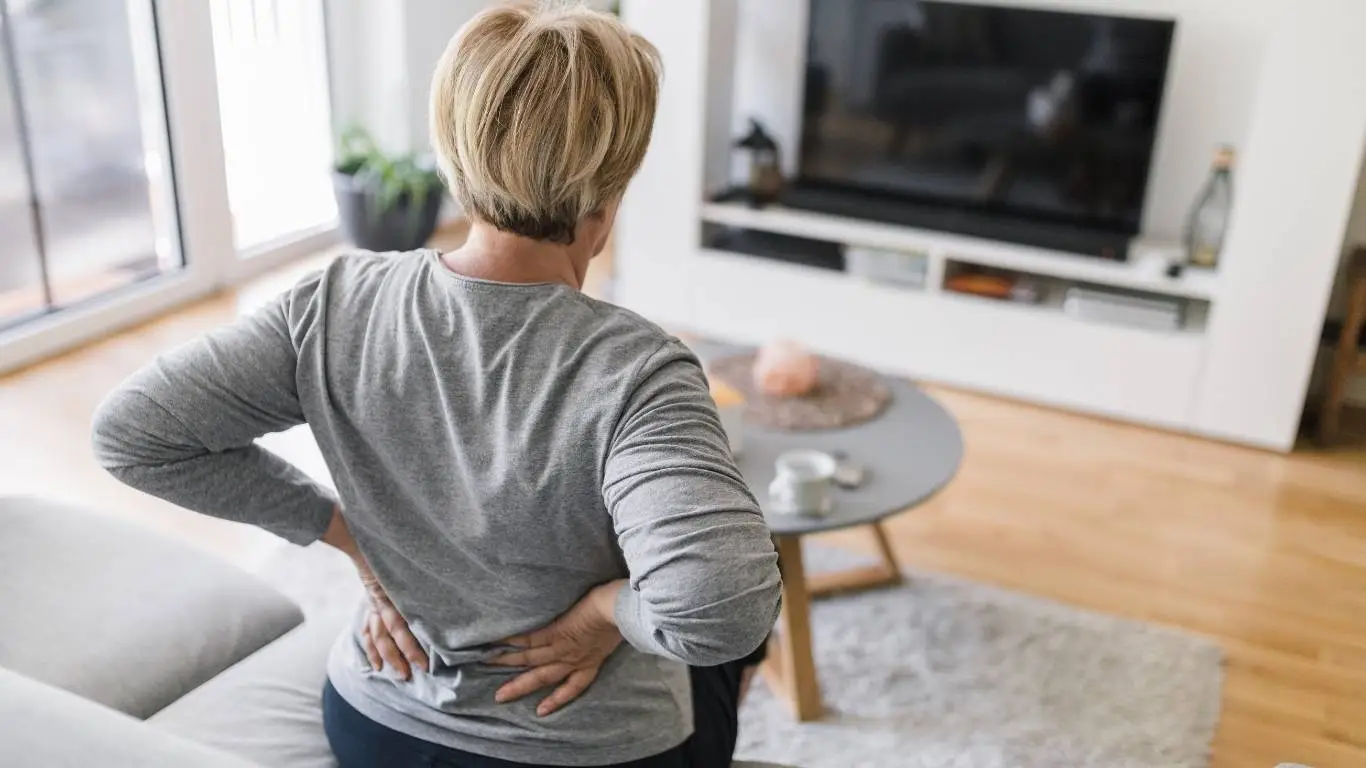
This is probably the question I hear most from friends: “Is left-side back pain worse than right?” Honestly—it depends. Neither side is automatically more dangerous, but *some red flags matter more than the side itself.*
Here are a few signs you should never brush off, no matter which side hurts:
- Pain that comes with fever or chills
- Sudden, sharp, and unrelenting pain
- Numbness or weakness down the leg
- Bowel or bladder control changes
If you’re checking off any of those, it’s time to call your doc. Don’t play the waiting game—especially if the pain is new and intense. According to CDC recommendations, sudden onset back pain that disrupts mobility or affects other systems should be evaluated quickly.
Posture, Habits, and the Side Pain Mystery
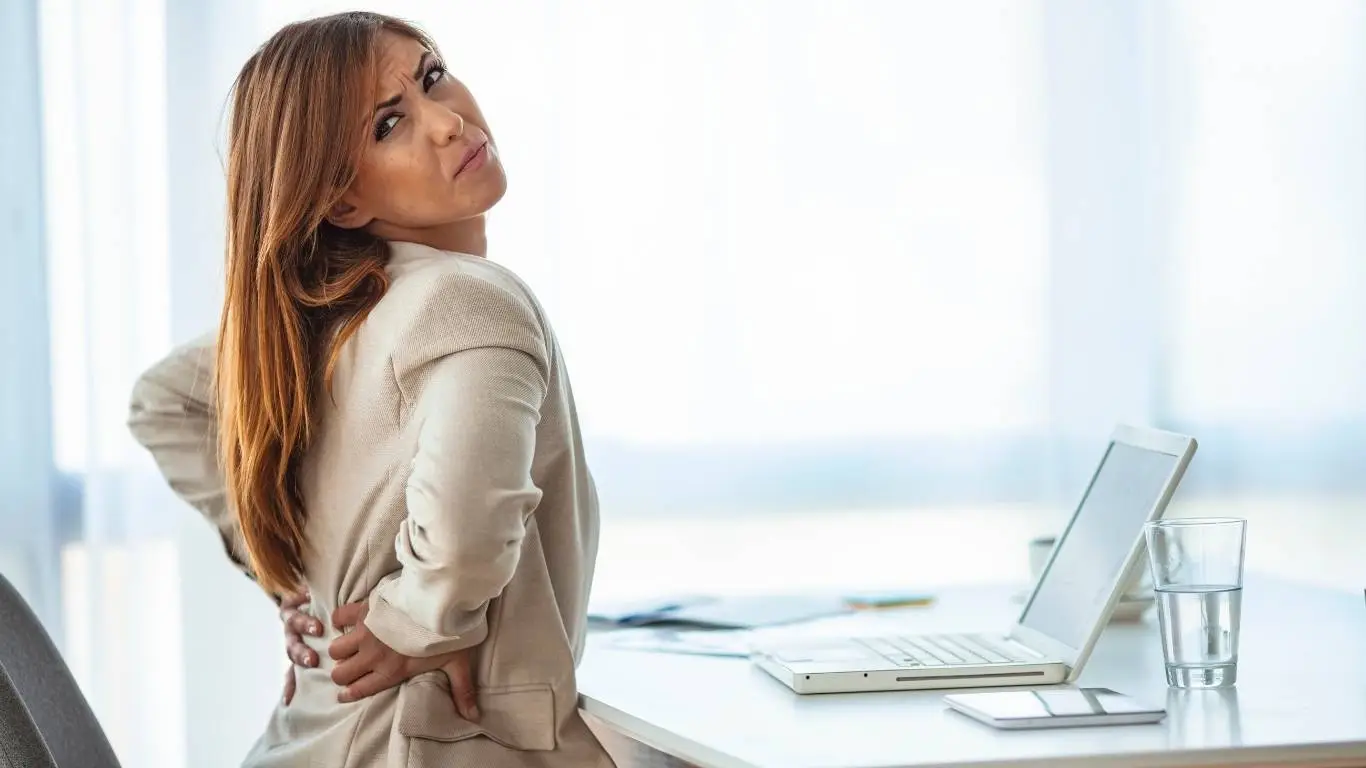
Funny thing is, side-specific back pain is often more about *how* you move than what’s structurally wrong. For years, I thought my occasional right-side pain was from an old tennis injury. Turns out, it was my lazy posture while working on my laptop in bed (ugh, again—don’t do that).
Common daily triggers:
- Sitting with weight shifted to one hip
- Carrying bags/purses/kids on one side
- Standing with one foot forward (guilty again)
- Poor posture habits
These asymmetrical habits create muscular imbalances, and over time they pull on your spine unevenly. The result? Left or right side back pain that shows up after years of daily movement patterns.
Exercise & Relief: Tailoring It to the Side That Hurts
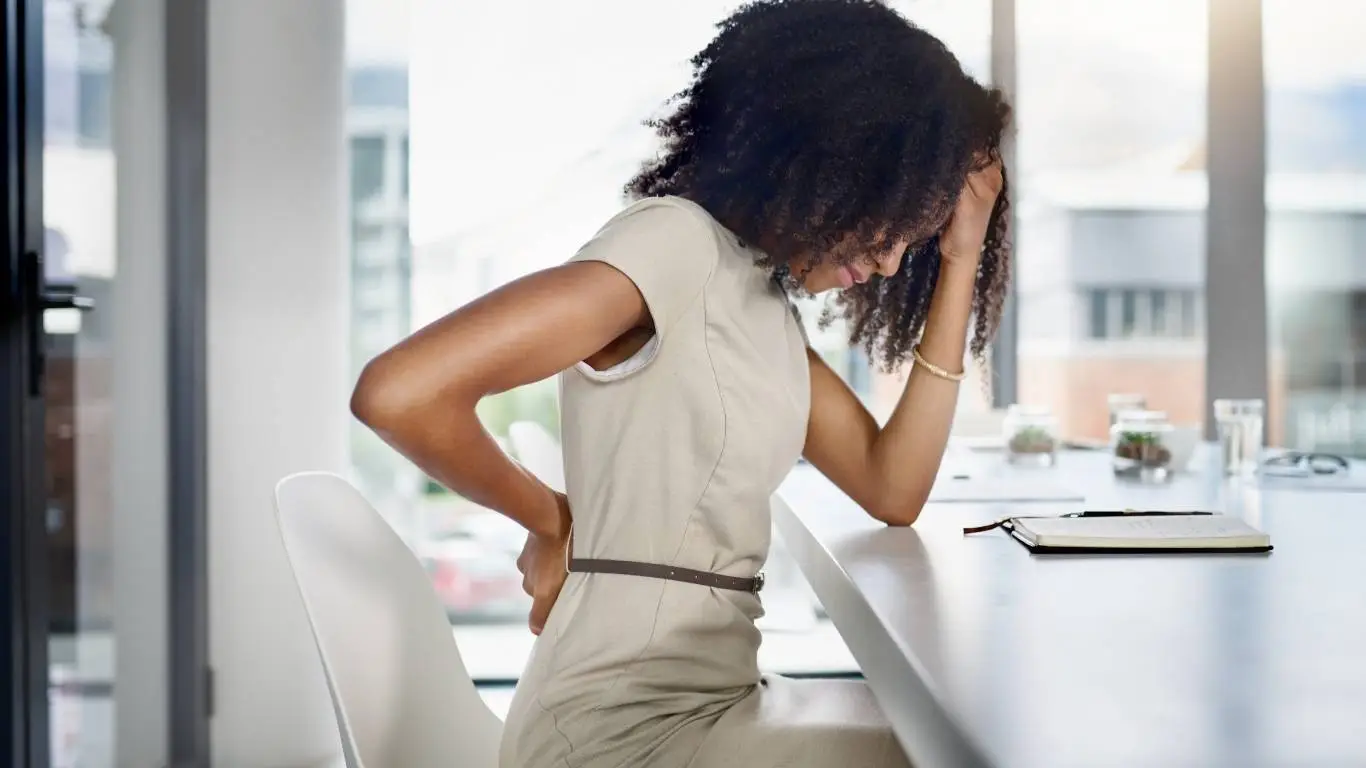
Now here’s the good news—many cases of side-specific back pain respond super well to targeted stretching and strengthening. And no, you don’t have to spend hours in the gym. I built my own 10-minute-a-day routine, and within two weeks, that weird right-side pinch vanished.
If your left side hurts:
- Focus on hamstring flexibility
- Stretch out your hip flexors and psoas
- Try yoga poses that open up the lower back
If your right side is the issue:
- Strengthen your glutes and obliques (especially on the right)
- Stretch your QL and piriformis muscles
- Include sciatic nerve mobility drills
And if you’re not sure where to start, this rehab and ergonomics guide is gold. Honestly, it helped me understand which muscles I was ignoring and how to fix those daily posture slip-ups.
Could It Be Something Deeper?
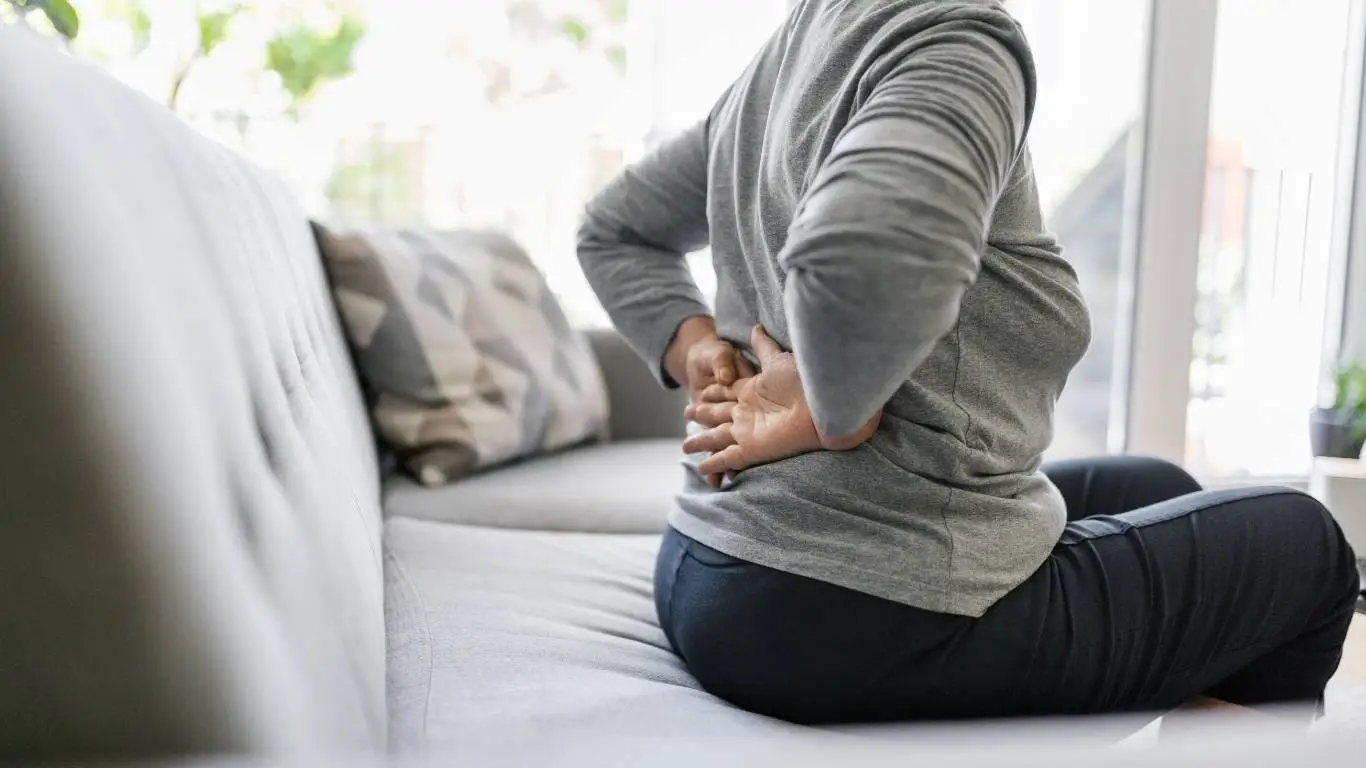
If you’ve tried stretching, adjusted your posture, changed your mattress, and the pain still clings to one side—look deeper. This could be a sign of underlying chronic conditions that don’t just disappear with basic fixes.
Potential culprits:
- Ankylosing spondylitis – typically worse in the morning and affects the sacroiliac joints
- Myofascial pain syndrome – trigger points on one side can cause radiating discomfort
- Localized muscle knots – feel like sharp twinges when pressed
In more serious cases, you might need imaging. But instead of jumping straight to X-rays, many experts now recommend MRIs or CT scans to get a clearer picture of what’s happening deep inside.
Lifestyle Tweaks That Actually Work

Here’s the part we all love to hate—lifestyle changes. But seriously, sometimes the most boring advice works the best. I used to shrug off small tweaks, but turns out:
- Drinking more water reduced my flare-ups (kidneys need love too)
- Swapping shoes with proper arch support changed everything
- Dropping just 5 pounds eased pressure on my lower spine
Other simple but powerful strategies:
- Use lumbar support cushions while sitting
- Invest in a quality mattress that aligns your spine properly
- Try an anti-inflammatory diet—good for your back, joints, and gut
It’s a layered approach, for sure—but combining stretches, strengthening, nutrition, and daily posture work can make a massive difference. It’s not overnight magic, but it’s real, sustainable progress.
For an all-in-one understanding of pain patterns, symptom tracking, and professional treatments, check out the comprehensive symptoms and diagnosis guide.
And don’t forget—if you’re ever unsure or the pain feels deeper than usual, don’t self-diagnose forever. The main Back Pain Resource Center covers everything from anatomy to treatments, and it’s where I started when I finally decided to stop guessing and get real about my recovery.

Camellia Wulansari is a dedicated Medical Assistant at a local clinic and a passionate health writer at Healthusias.com. With years of hands-on experience in patient care and a deep interest in preventive medicine, she bridges the gap between clinical knowledge and accessible health information. Camellia specializes in writing about digestive health, chronic conditions like GERD and hypertension, respiratory issues, and autoimmune diseases, aiming to empower readers with practical, easy-to-understand insights. When she’s not assisting patients or writing, you’ll find her enjoying quiet mornings with coffee and a medical journal in hand—or jamming to her favorite metal band, Lamb of God.