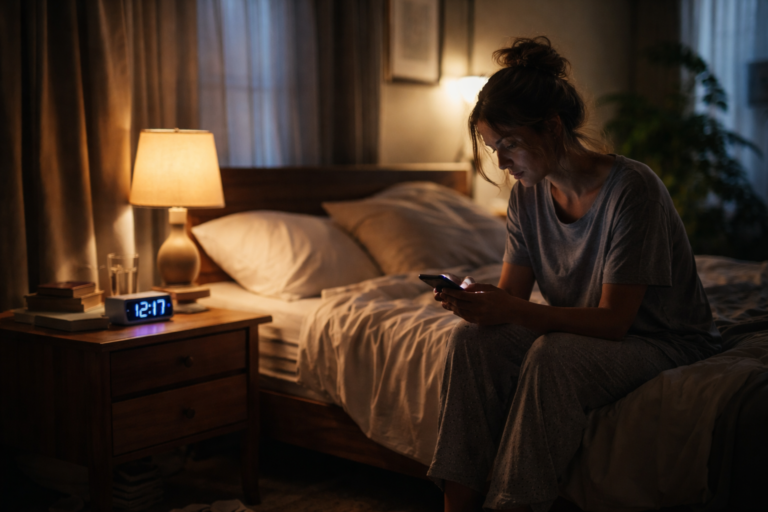
Light Sleep That Breaks Easily at Night
Some nights feel like you’re barely under before you’re back awake, aware of the room, the sheets, the faint sounds outside. The rest never quite deepens, and morning arrives with the sense that sleep happened in fragments instead of one steady stretch. It’s a common experience people quietly notice but rarely have language for.
Light Sleep That Breaks Easily at Night describes that in-between kind of rest where awareness lingers close to the surface. You’re not fully awake, yet not far enough from your surroundings to stay undisturbed. Many adults go through periods where sleep feels thinner, more alert, and easier to interrupt, even when their schedule hasn’t changed much.
This topic sits in the everyday rhythm of sleep and recovery patterns, where rest is shaped not just by bedtime but by the feel of the environment and the pace of daily life.
Light, easily broken sleep often feels more noticeable than a fully restless night. There may be several short awakenings, or long stretches of half-sleep where small shifts in sound, light, or temperature seem louder and more present than usual.
How This Kind Of Sleep Feels In The Moment
Rest that breaks easily doesn’t always feel dramatic. It’s subtle, more like hovering than dropping into deep rest. People often describe it as “sleeping with one ear open” or feeling like they never fully powered down.
Awareness tends to stay close to the surface. A car passing, a partner turning over, the hum of an appliance, or a change in room temperature can pull attention back up quickly. Even if sleep resumes, it may feel light again rather than settled.
Morning can bring a strange mix of having slept and not feeling fully restored. The night doesn’t necessarily feel short, just shallow. That difference is part of why the experience stands out.
Why It Often Goes Unnamed
Many people don’t think of sleep in layers; they think in totals. If they were in bed for seven or eight hours, it seems like rest “should” have happened. When the night felt light instead, it can be confusing.
There isn’t always a clear event to point to. No dramatic late night, no obvious disruption. Just a sense that sleep stayed fragile. Because it’s subtle and inconsistent, it often gets brushed aside as “just one of those nights,” even when it happens repeatedly.
Daily life in the United States also tends to normalize being slightly tired. When lighter sleep blends into busy routines, it can fade into the background rather than being recognized as its own pattern.
The Role Of Environmental Sensitivity
Some people are simply more tuned in to their surroundings at night. The bedroom doesn’t disappear once the lights go out; it remains a space with sounds, textures, and shifting conditions.
A faint glow from electronics, light slipping around curtains, or streetlights filtering through windows can keep the room from feeling fully dim. Even small amounts of light can make the space feel more “awake” than restful.
Sound works the same way. Heating systems turning on, a pet moving, distant traffic, or a neighbor’s late activity might not seem loud during the day, yet feel sharper at night when everything else is quiet.
Temperature shifts also matter in how the room feels. Cooling down too much or warming up under blankets can lead to micro-adjustments—kicking covers off, pulling them back on—that keep the body in a lighter state of rest.
How Daily Rhythm Carries Into The Night
Sleep doesn’t start at bedtime. The tone of the day often follows people into the evening, especially when the pace has been fast or mentally busy.
Even after lying down, the mind may stay lightly engaged with unfinished thoughts, conversations, or plans for the next day. This isn’t intense overthinking, just a gentle hum of awareness that mirrors lighter sleep.
Screen time late in the evening can add to that alert feeling. Bright visuals and constant input can make it harder for the body and mind to shift from active mode into a quieter state, keeping rest closer to the surface.
Irregular schedules can also play a part. Going to bed at different times across the week can make the night feel less predictable, which sometimes shows up as sleep that doesn’t fully settle.
Why Light Sleep Stands Out More As We Get Older
Many adults notice that sleep changes over the years. Nights that once felt deep and uninterrupted may start to feel more layered, with lighter phases that are easier to break.
Daily responsibilities also tend to increase. Work demands, family roles, and general life logistics can keep the mind slightly alert, even when the body is tired. That low-level readiness can carry into the night.
The bedroom environment itself may change too. New living spaces, different neighborhoods, or sharing space with others can introduce new sounds and sensations that weren’t there before.
The Difference Between Time Asleep And Quality Of Rest
It’s possible to log enough hours in bed and still feel like rest was thin. Light sleep that breaks easily often highlights the difference between duration and depth.
When sleep stays close to waking, the night can feel longer. People remember more of it—brief awakenings, position changes, small noises—so it feels like they were “up” more, even if they drifted off again quickly.
This awareness can shape how the morning feels. The body may have rested, yet the mind remembers the interruptions, creating a sense that sleep wasn’t solid.
Why Awareness Matters In Everyday Life
Noticing patterns in how sleep feels can change how people think about their nights. Instead of labeling rest as simply good or bad, they start to see layers—lighter nights, deeper nights, and everything in between.
This awareness often brings a calmer perspective. A lighter night doesn’t automatically mean something is wrong; sometimes it reflects the environment, the season, or the general pace of life at that moment.
Understanding that sleep can be sensitive to surroundings also makes everyday details feel more relevant. The room, the evening atmosphere, and the rhythm of the day all play a part in how settled or alert the night feels.
Light sleep that breaks easily at night is a common experience woven into modern routines. Recognizing it as a pattern, rather than a mystery, helps people see how closely rest connects with the spaces they live in and the tempo of daily life.

Robin Abbott is a wellness and lifestyle writer at Healthusias, focusing on everyday health awareness, habits, and life optimization through clear, non-medical explanations.