Simple Long-Term Adaptation Strategies That Protect Spine Longevity
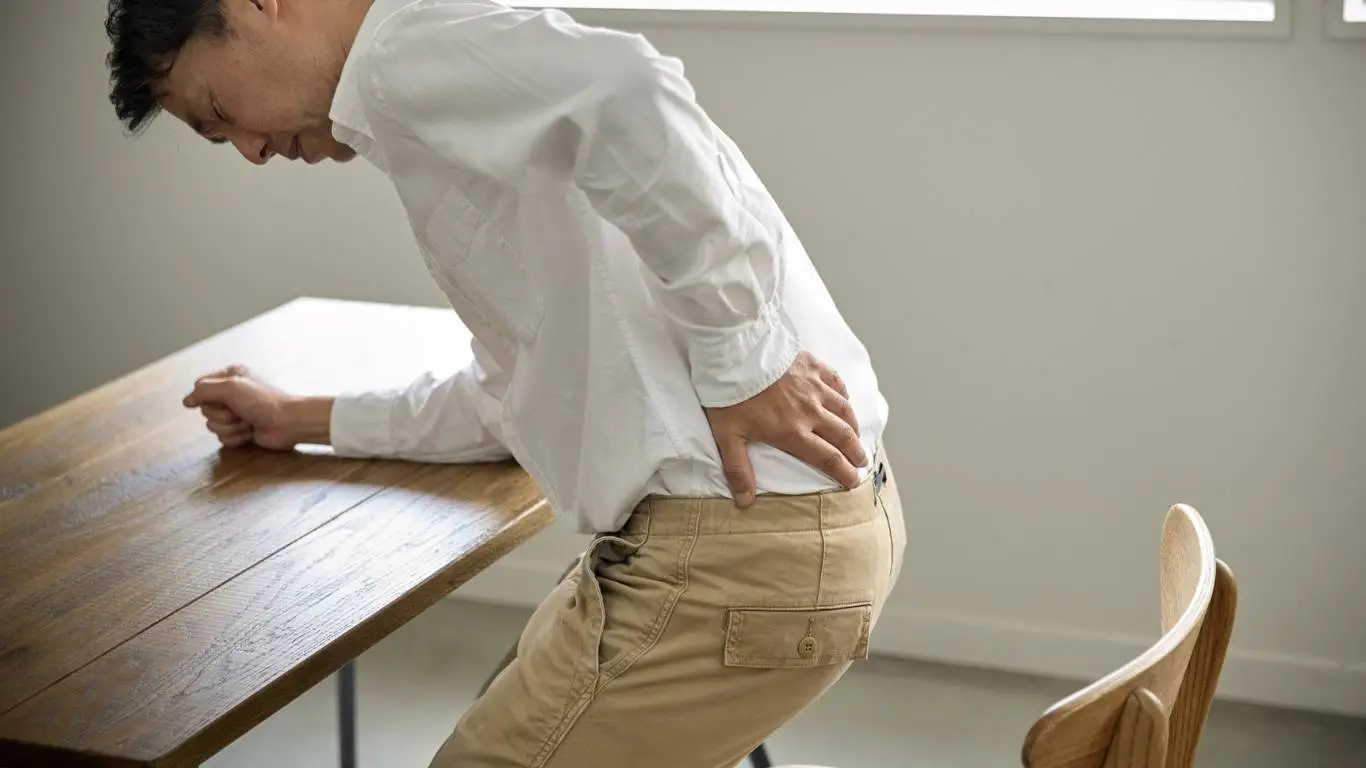
It wasn’t until my early thirties that I realized how much daily habits quietly sabotage spine health. Like most people, I thought occasional back discomfort was just part of modern life—until it wasn’t occasional anymore. Over the years, I’ve learned that long-term adaptation strategies for spine longevity aren’t about quick fixes. They’re about simple yet powerful shifts in how we move, sit, and even think about our backs.
Why Spine Longevity Matters More Than You Think
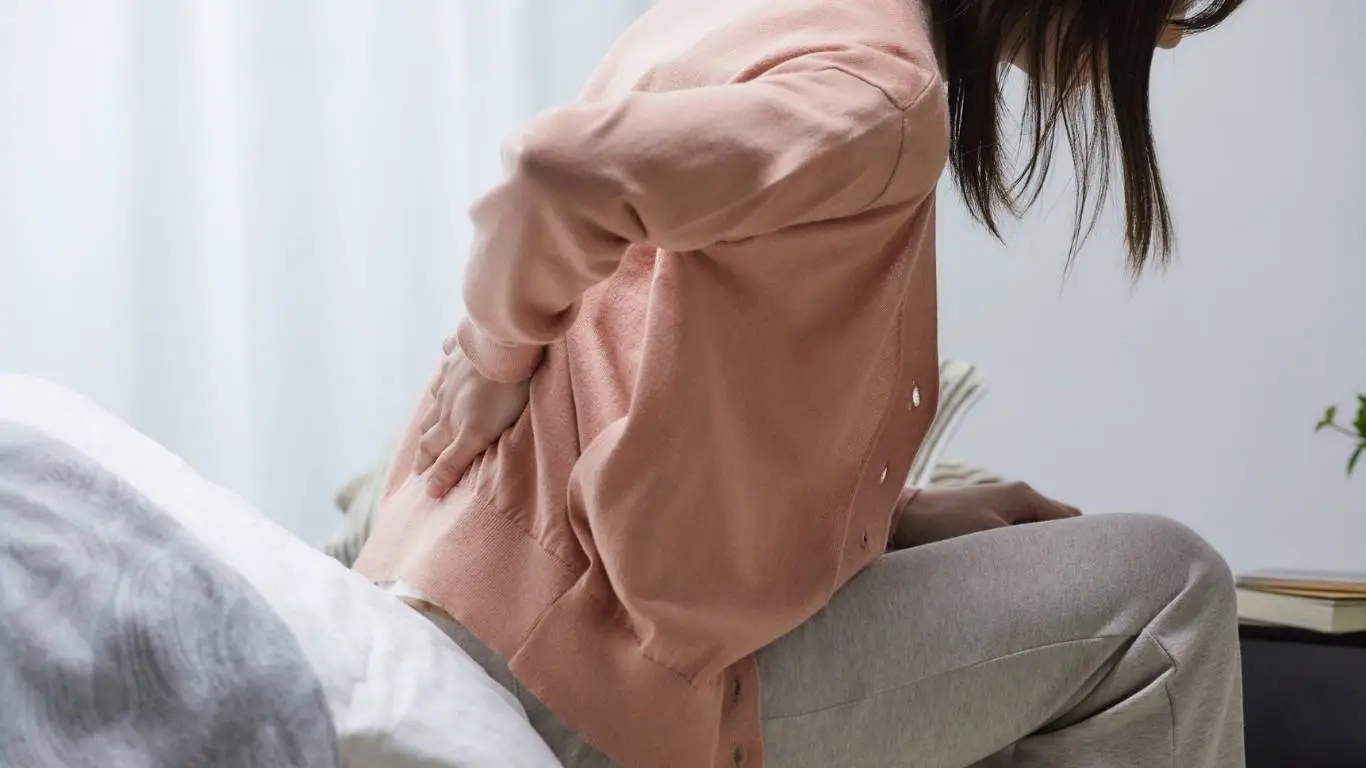
When we talk about spine longevity, it’s not just about avoiding back pain today. It’s about ensuring your spine stays resilient as you age. According to Spine-Health, degenerative changes in the spinal discs begin as early as our twenties. Without conscious effort, these changes can silently escalate into chronic discomfort or worse.
The Silent Consequences of Ignoring Spinal Health
- Disc degeneration leading to bulging or herniation
- Muscle imbalances causing uneven spine loading
- Reduced mobility and flexibility over time
These aren’t distant “old age” problems. They can creep in faster if we maintain sedentary habits. Poor posture from prolonged sitting is one of the sneakiest culprits. I learned that the hard way after months of remote work hunched over my laptop.
Postural Awareness: The First Step Toward Spine Longevity

Improving posture isn’t about sitting like a robot all day. It’s about micro-adjustments. I started by being mindful of how I sat, walked, and even stood while waiting in line. These little moments add up.
Micro-Habits That Retrain Your Posture
- Performing desk stretches every hour
- Keeping feet flat on the ground and pelvis neutral while sitting
- Using lumbar support cushions strategically
The shift wasn’t instant. But after a few weeks, I noticed my lower back didn’t ache as much after long work sessions.
Strengthening the Core-Spine Connection

Your core isn’t just about abs—it’s your spine’s built-in support system. Weak core muscles force the spine to take on extra load, which eventually leads to strain. Strengthening this connection is a key long-term strategy for spinal resilience.
Simple Core Engagement You Can Do Daily
- Pelvic tilts: A gentle way to activate lower core muscles while protecting the back
- Dead bugs: A goofy name, but incredibly effective at training spine stability
- Glute bridges: Essential for correcting lower cross syndrome
I’ve found these to be far more sustainable than hardcore crunches. Plus, they don’t aggravate sensitive backs. For a deeper dive into glute-core synergy, check out how weak glutes contribute to back strain.
Ergonomics: Designing Daily Life for Spine Health
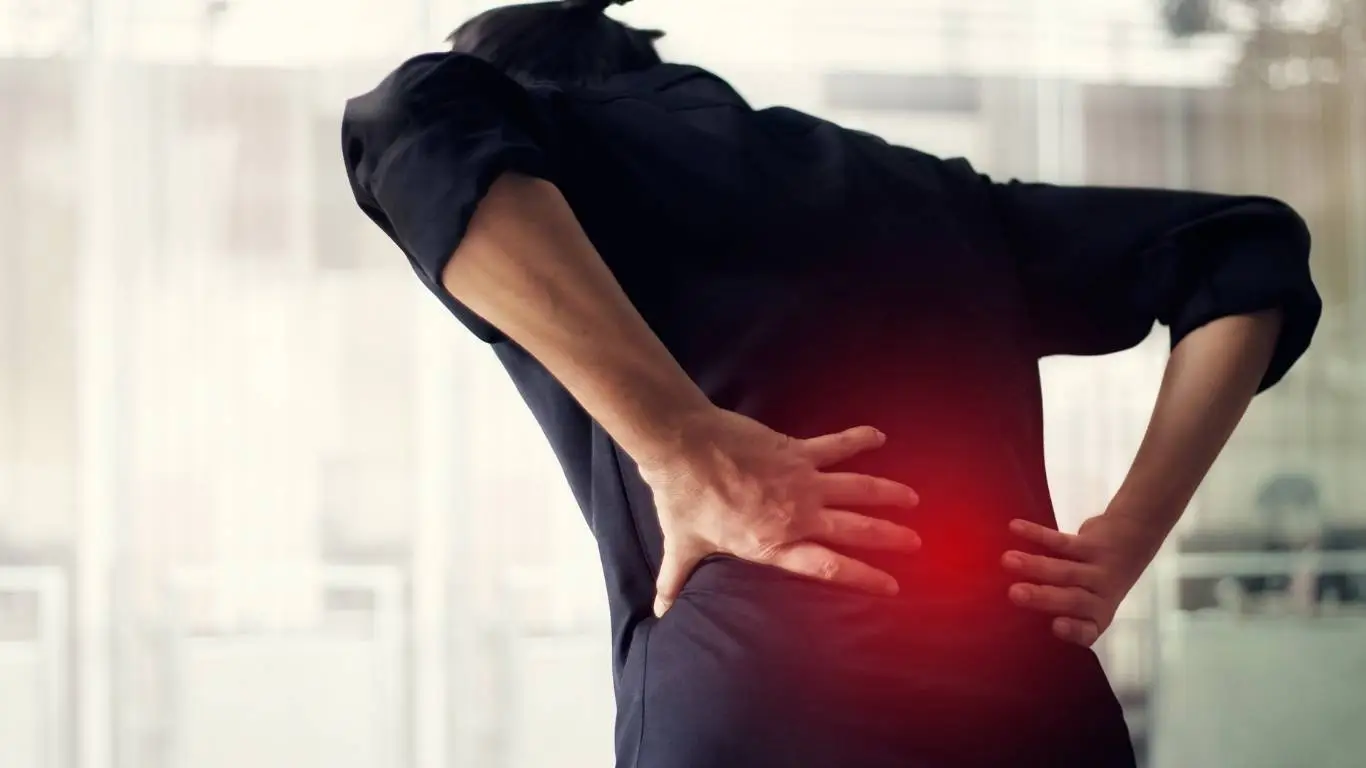
I used to think “ergonomics” was a fancy office buzzword. But once I swapped my standard chair for an ergonomic one, the difference was undeniable. Ergonomics isn’t about fancy gadgets—it’s about aligning your environment with how your body is designed to move.
Quick Ergonomic Wins That Made a Huge Difference
- Upgrading to a supportive office chair
- Adjusting monitor height to eye level
- Switching to a standing desk for part of the day
These tweaks reduced my mid-back tightness dramatically within weeks. For those who travel often, these travel hacks for back pain were lifesavers.
Movement is Medicine: The Role of Low-Impact Activities

One of the biggest lessons I’ve learned is that the spine craves movement. Sedentary days—even those where you “sit properly”—can still stiffen up the back. Low-impact activities like swimming and walking are spine-friendly ways to stay active.
Daily Movement Rituals to Keep the Spine Happy
- Morning mobility flow: Gentle stretches to wake up the spine
- Evening decompression: I swear by hanging from a pull-up bar for 30 seconds
- Midday walks: Not just for steps, but to reset posture and circulation
Swimming has been a game-changer for me. If you’re curious about which strokes are safest, this guide on swimming exercises for back pain is worth a look.
Managing Lifestyle Factors for Long-Term Spine Health

Beyond posture and exercise, subtle lifestyle tweaks make a world of difference. From reducing inflammatory foods to being mindful of stress levels, it all adds up. I’ve personally felt a night-and-day difference after adopting a more anti-inflammatory diet.
Anti-Inflammatory Choices That Support Spine Longevity
- Swapping processed snacks for omega-3 rich foods
- Using turmeric supplements as a daily anti-inflammatory booster
- Staying hydrated to maintain spinal disc health
These small dietary shifts align perfectly with the strategies discussed in the Lifestyle & Natural Remedies Pillar of Healthusias. And if you’re new to understanding back pain holistically, the comprehensive Back Pain Main Guide is a great starting point.
Emotional & Mental Strategies for Spine Longevity

One thing people don’t talk about enough is how mental and emotional stress silently tightens your back muscles. I remember during a high-stress work phase, my upper back would tense up before I even noticed it. Over time, chronic stress impacts posture, breathing, and even pain perception.
Mind-Body Approaches That Truly Help
- Mindful breathing to reset tension patterns
- Incorporating mindfulness meditation into daily routines
- Practicing simple body scans to locate hidden tension
The link between emotional well-being and spinal health is profound. Understanding this was a turning point for me, making me realize that sometimes, it’s not about the muscles—it’s about what’s happening in the mind.
Adaptive Movement: Exercises That Evolve With You

One of the best pieces of advice I received was to stop chasing “perfect form” and start focusing on “adaptive movement.” Your spine’s needs will change over time, and so should your exercises. Some days, it’s about gentle stretches, other days, strengthening stability muscles.
Progressive Exercise Patterns for Spine Longevity
- Start with stability drills like bird-dogs and dead bugs
- Introduce controlled mobility work like cat-cow flows
- Gradually layer strength moves—think resistance band pulls
It’s a marathon, not a sprint. For those dealing with chronic issues, exercises like sciatic nerve pain relief movements can be modified to suit daily needs.
Sleep: The Overlooked Pillar of Spinal Recovery

I used to underestimate how much sleep quality affects back health. Turns out, it’s not just about “getting 8 hours.” It’s about how your spine is supported during those hours. Sleeping positions, mattress choice, and even pillow placement all contribute to spinal longevity.
Key Sleep Adjustments That Changed My Mornings
- Switching to a medium-firm mattress designed for spinal support
- Using side-sleeping pillows to maintain spinal alignment
- Practicing gentle morning stretches to combat stiffness
Quality sleep is a passive yet critical adaptation strategy. It’s during rest that the body repairs itself, especially the spine. You’d be surprised how much a few tweaks can ease those nagging morning aches.
Technology & Spine Health: Friend or Foe?
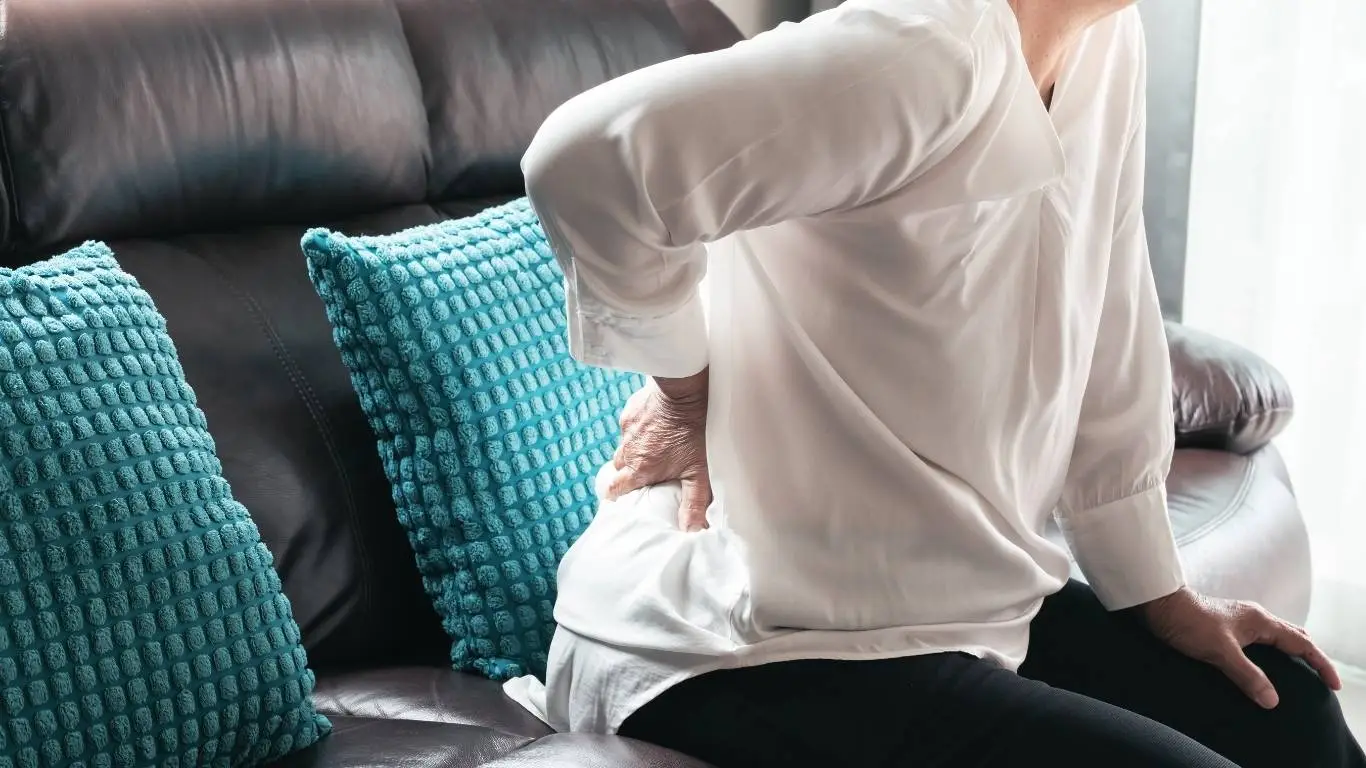
We live in a world of screens. Whether it’s “tech neck” from phones or slouching at desks, technology shapes our posture—often not for the better. But it’s not all bad. With the right approach, technology can also be harnessed as a tool for improving spinal longevity.
Tech Tools That Support Spinal Adaptation
- AI-powered posture monitors that give real-time feedback
- Apps that remind you to take micro-breaks and stretch
- Standing desk converters to encourage posture variability
I personally found that wearable posture sensors made me more mindful of how I slouch while using my phone. It’s a simple fix, but it made a world of difference for my neck and upper back tension.
Future-Proofing Your Spine: Long-Term Mindset Shifts

Ultimately, the goal isn’t perfection. It’s about consistently adapting to your spine’s changing needs. Tracking how your back feels across different activities gives you data to make smarter choices. I started a simple back-pain journal, noting days when discomfort flared and what might have triggered it.
Mindset Shifts That Made Adaptation Easier
- Viewing movement as medicine, not a chore
- Accepting that some days need more recovery focus
- Staying curious and experimenting with what feels good
One resource that really helped me embrace this adaptive mindset is Healthusias’ guide on exercise, rehabilitation, and ergonomics. It’s filled with practical, no-nonsense strategies for anyone looking to future-proof their spine. Of course, it all ties back to the holistic framework in their Back Pain Main Guide.

Camellia Wulansari is a dedicated Medical Assistant at a local clinic and a passionate health writer at Healthusias.com. With years of hands-on experience in patient care and a deep interest in preventive medicine, she bridges the gap between clinical knowledge and accessible health information. Camellia specializes in writing about digestive health, chronic conditions like GERD and hypertension, respiratory issues, and autoimmune diseases, aiming to empower readers with practical, easy-to-understand insights. When she’s not assisting patients or writing, you’ll find her enjoying quiet mornings with coffee and a medical journal in hand—or jamming to her favorite metal band, Lamb of God.