
Long Term Physical Symptoms Of Anxiety That Quietly Drain You
I used to think anxiety was just “in your head.” Something you could breathe through, sleep off, or distract your way out of. Turns out, the body doesn’t quite work like that. After months of tightness in my chest, random dizziness, and even digestive issues, I finally connected the dots—it wasn’t a string of unrelated issues. It was anxiety. And not just fleeting stress either, but the long-term kind that settles in and quietly starts altering how your body functions day after day.
How Anxiety Becomes Physical Over Time
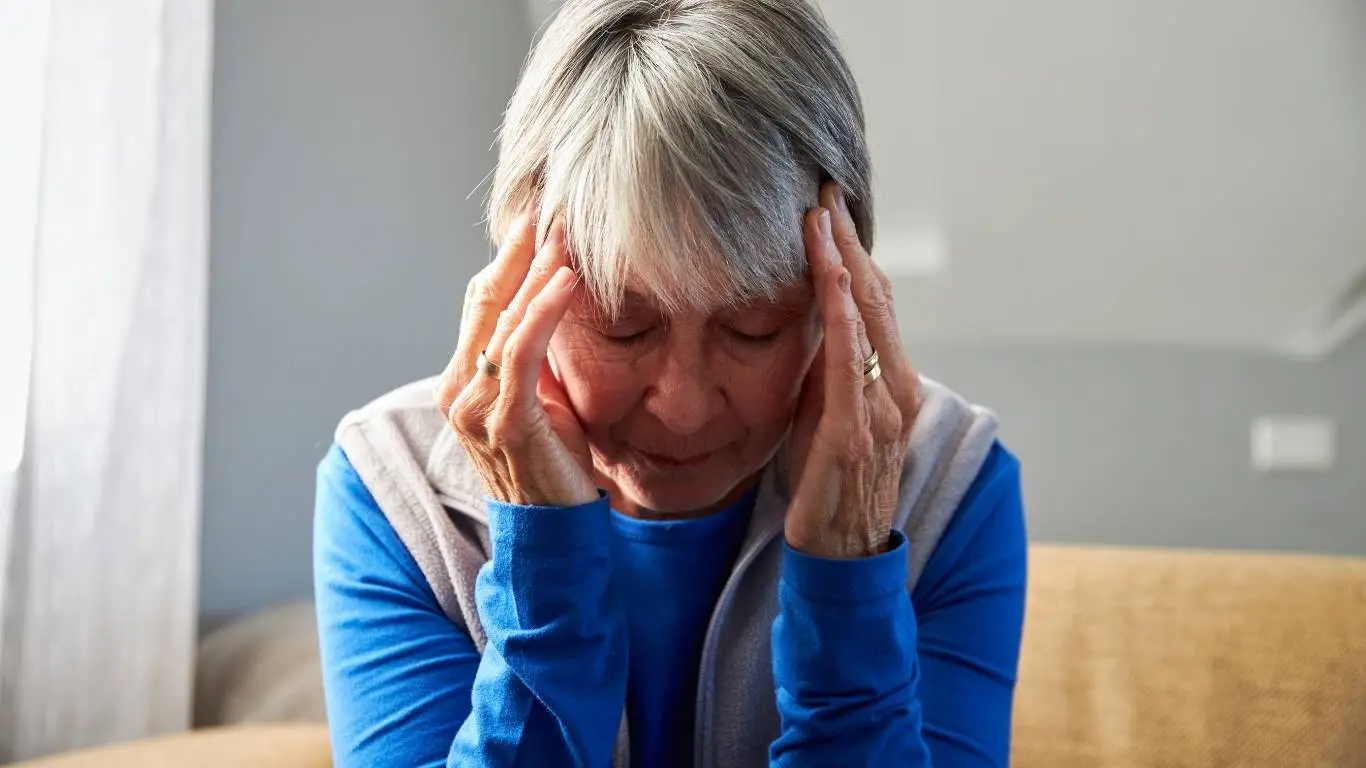
When anxiety lingers, it moves beyond mental restlessness and worry. It shifts into something your nervous system starts to interpret as normal, leaving your body in a prolonged state of tension or readiness. This ongoing pressure can wear you down physically in surprising ways.
The Role of Cortisol and Your Nervous System
Our bodies are designed to handle short bursts of stress. The issue? Chronic anxiety keeps stress hormones like cortisol elevated. Over time, that leads to:
- Muscle tension that just won’t go away
- Increased heart rate and blood pressure
- Weakened immune response
These symptoms aren’t imagined—they’re physiological. When your sympathetic nervous system stays activated for too long, your entire body chemistry starts shifting. And yes, that’s as exhausting as it sounds.
Common Long-Term Physical Symptoms of Anxiety

Let’s talk specifics. Here are some of the most common long-term physical effects people (myself included) experience after living with chronic anxiety:
1. Digestive Problems
This one hit me hard. What I thought was food sensitivity turned out to be anxiety-induced gut issues. It’s a real thing—anxiety disrupts the digestive tract and causes bloating, nausea, cramps, and even IBS-like symptoms. That gut-brain connection is no joke.
2. Chest Tightness and Irregular Breathing
Ever taken a deep breath and felt like it didn’t “go in all the way”? Anxiety can cause chest tension that mimics cardiac symptoms, often leading to ER visits for what turns out to be panic. Learn the key differences in this helpful read: Chest Pain From Anxiety vs. Heart Attack.
3. Muscle Pain and Tension
Your shoulders, neck, and jaw carry more anxiety than you’d expect. Over time, chronic tightness leads to stiffness, headaches, and even TMJ issues. It’s no wonder I used to wake up more sore than when I went to bed.
4. Sleep Disturbances
Sleep and anxiety have a toxic relationship. I used to toss and turn for hours, only to wake up feeling wired and unrested. Turns out, anxiety-related sleep issues can accumulate over time and amplify other symptoms.
5. Chronic Fatigue
You’d think worrying would burn calories—so why did I feel so drained? The mental toll of anxiety often translates into serious physical fatigue. According to experts at psychologytoday.com, it’s partly due to your brain constantly being in “alert mode.”
Less-Known But Seriously Real Symptoms

1. Dizziness and Lightheadedness
This symptom haunted me for months. It wasn’t until I stumbled upon this breakdown of dizziness and anxiety that I realized what was really going on. Chronic hyperventilation can mess with CO2 levels, making you feel off balance for days at a time.
2. Skin Sensitivity and Rashes
Your skin is deeply connected to your nervous system. That means prolonged stress can trigger rashes, breakouts, and even hives. My dermatologist mentioned it offhand once—and she was right. Calming my anxiety made my skin less reactive.
3. Hormonal Imbalances
Especially for women, anxiety can throw off menstrual cycles and even affect libido. Prolonged stress disrupts the balance of estrogen and progesterone, which you can read more about in this relevant piece: Hormonal Imbalance & Anxiety.
4. Temperature Dysregulation
Some days I was freezing, other times overheating—and it wasn’t due to weather. Chronic anxiety can affect your body’s ability to regulate temperature, leading to cold sweats, hot flashes, and a constant feeling of discomfort.
5. Blurred Vision and Eye Strain
This one caught me off guard. Stress affects blood flow, and anxiety can create tension around the eyes. Combined with sleepless nights and shallow breathing, it’s a recipe for vision issues that don’t show up on an eye exam.
What Long-Term Anxiety Does to Your Immune System

When your body is constantly bracing for danger, less energy gets allocated to non-emergency functions—like immunity. That’s why I noticed I caught colds more often and needed longer to recover. A deep dive into ncbi.nlm.nih.gov research confirmed that chronic anxiety can suppress immune activity, making the body more vulnerable to inflammation and infection.
For a full picture on how lifestyle changes can help rebalance your system, check out this piece on lifestyle-based anxiety management.
Is It All In Your Head? Not Even Close

If you’ve been silently wondering why your body feels like it’s falling apart even though nothing shows up in labs, you’re not alone. It took me a while—and a few dismissive doctor visits—before I learned that proper anxiety assessment can reveal more than physical checkups ever will.
And if you’re still doubting how far-reaching anxiety can be, here’s a deeper perspective from the main feature: Why Anxiety Disorders Can Secretly Control Your Daily Life. I also recommend reading about the most overlooked anxiety symptoms—you might be dealing with more than you realized.
When Anxiety Hijacks Your Daily Functioning

Ever tried working, parenting, or even socializing when your heart’s racing, your stomach’s flipping, and your arms feel numb? I have. And let me tell you—it’s not “just in your head.” Long-term anxiety quietly chips away at your functionality. It gets harder to focus, harder to connect, and harder to rest. Over time, it shapes your daily habits, your posture, even your decision-making. It’s like living life with your body permanently bracing for a crash that never comes.
And the weirdest part? You start thinking this is normal. It’s not.
1. Difficulty Concentrating and Brain Fog
After months of scattered thoughts and forgetting why I walked into rooms, I realized anxiety was wrecking my short-term memory. Turns out, anxiety weakens memory and focus by overstimulating parts of the brain responsible for fear responses while limiting executive function.
2. Jaw Clenching and Dental Pain
If you’ve ever woken up with sore teeth or found yourself grinding your molars midday, anxiety could be the cause. Stress is a top trigger for TMJ symptoms, and over time, clenching can cause nerve pain, headaches, and even cracked teeth.
3. Cold Extremities and Circulation Issues
I used to wear socks to bed in the middle of summer. Turns out, anxiety tightens blood vessels and redirects blood flow away from the limbs. It’s your body’s way of preparing for danger—but the “danger” never leaves when anxiety is chronic.
Why These Symptoms Often Go Misdiagnosed

One of the toughest things about long-term anxiety is how medical professionals often miss it. I went through blood tests, cardiac exams, even MRIs. Everything came back “normal.” That disconnect between invisible anxiety and very real physical symptoms is part of what makes it so hard to treat.
Misdiagnosed anxiety is rampant, and it leaves many people feeling like hypochondriacs. I nearly gave up before a mental health screening finally shed light on the real issue. If you haven’t yet, consider this simple anxiety inventory tool to self-assess what might be going on beneath the surface.
Long-Term Risks: What Happens If It Goes Untreated

Chronic anxiety isn’t just uncomfortable—it’s corrosive. If left untreated, long-term anxiety can contribute to:
- Hypertension and cardiovascular disease
- Digestive and autoimmune disorders
- Hormonal dysregulation
- Insomnia and sleep-related disorders
- Chronic inflammation
In fact, the link between chronic inflammation and anxiety-related cortisol dysregulation is being studied extensively at ncbi.nlm.nih.gov. And it makes sense: when your body is always reacting to a perceived threat, it never gets a chance to reset or heal.
What Finally Helped Me Start Feeling Better

I didn’t wake up one day anxiety-free—but I started stacking small wins. My path wasn’t linear, and I tried a lot of things before I found what worked. Here’s what helped the most:
- Targeted therapy: Especially CBT and EMDR, both grounded in science and tailored to anxiety’s mental and physical patterns.
- Daily movement: Even short walks or yoga flows helped release that pent-up adrenaline I didn’t even realize I was carrying.
- Breathing re-training: It sounds basic, but learning how to breathe again changed everything for me.
- Gut and nutrition: Reducing sugar and caffeine helped more than expected. I also leaned on some solid magnesium-rich foods.
- Assessment and lifestyle tools: Getting a proper diagnosis plus using a mix of natural routines from this lifestyle guide gave me structure I sorely needed.
How to Tell If Your Physical Symptoms Might Be Anxiety

It’s tricky, I know. The overlap between anxiety and other health issues can feel overwhelming. Here are some ways I learned to distinguish anxiety-related physical symptoms from other conditions:
- Symptoms come and go: Often triggered by stress, time of day, or social situations
- No consistent patterns in medical testing despite repeat symptoms
- They’re worse during periods of worry, anticipation, or uncertainty
- You feel better after distraction, grounding, or relaxation techniques
If this feels familiar, your symptoms may be more connected to anxiety than you think. The key is not to self-diagnose, but also not to overlook the mind-body connection either.
You’re Not Alone, and You’re Not Making It Up

I know how invalidating it feels to have physical symptoms brushed off with a “just relax.” But you’re not weak. You’re not imagining things. You’re dealing with an invisible condition that shows up in very visible ways. And there are proven strategies and professionals who understand how deep this goes. You don’t have to push through or pretend it’s fine anymore.
To explore the underlying root causes and holistic angles that often get missed, I recommend this comprehensive read on the hidden causes of anxiety disorders. And if you’re navigating how this impacts your routine and long-term stability, the main feature article Why Anxiety Disorders Secretly Control Your Life breaks it down brilliantly.

Camellia Wulansari is a dedicated Medical Assistant at a local clinic and a passionate health writer at Healthusias.com. With years of hands-on experience in patient care and a deep interest in preventive medicine, she bridges the gap between clinical knowledge and accessible health information. Camellia specializes in writing about digestive health, chronic conditions like GERD and hypertension, respiratory issues, and autoimmune diseases, aiming to empower readers with practical, easy-to-understand insights. When she’s not assisting patients or writing, you’ll find her enjoying quiet mornings with coffee and a medical journal in hand—or jamming to her favorite metal band, Lamb of God.