
Why Lymph Drainage Massage Eases Back Swelling Fast
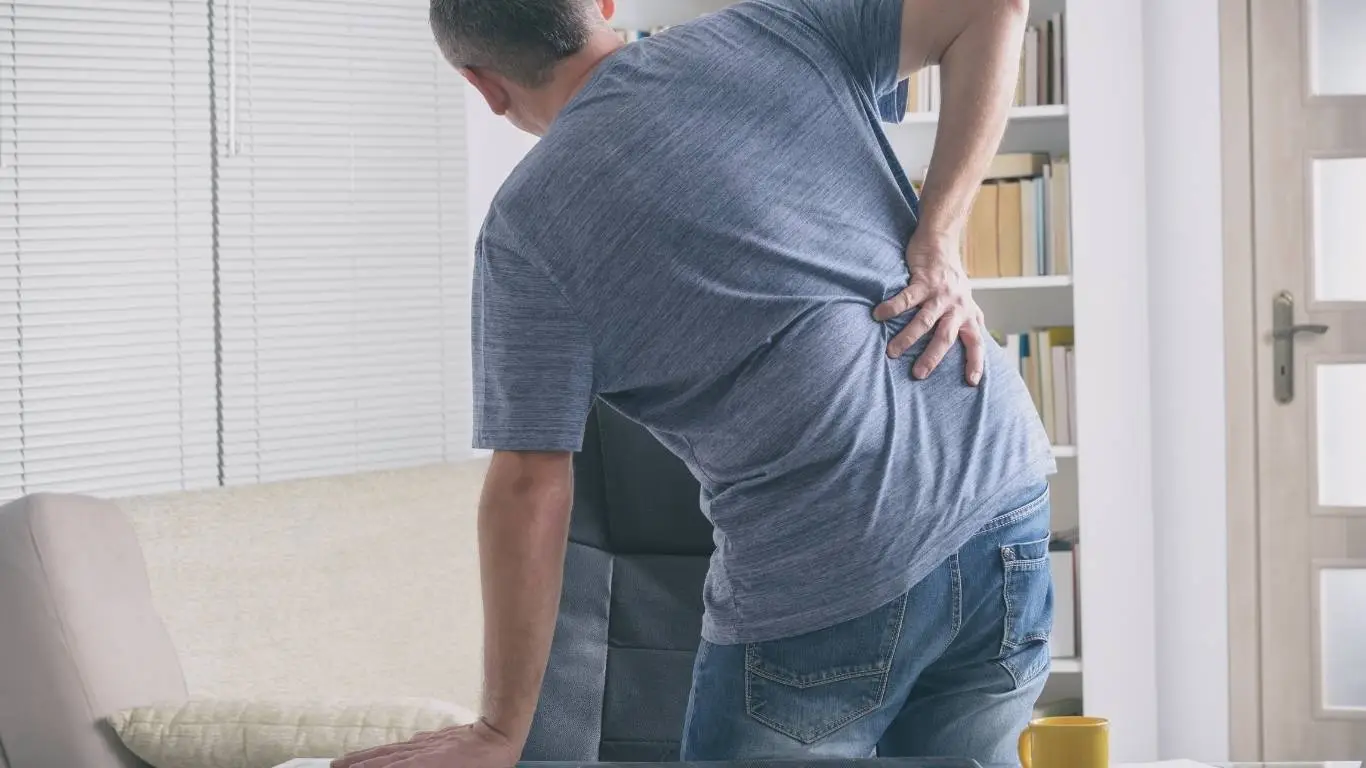
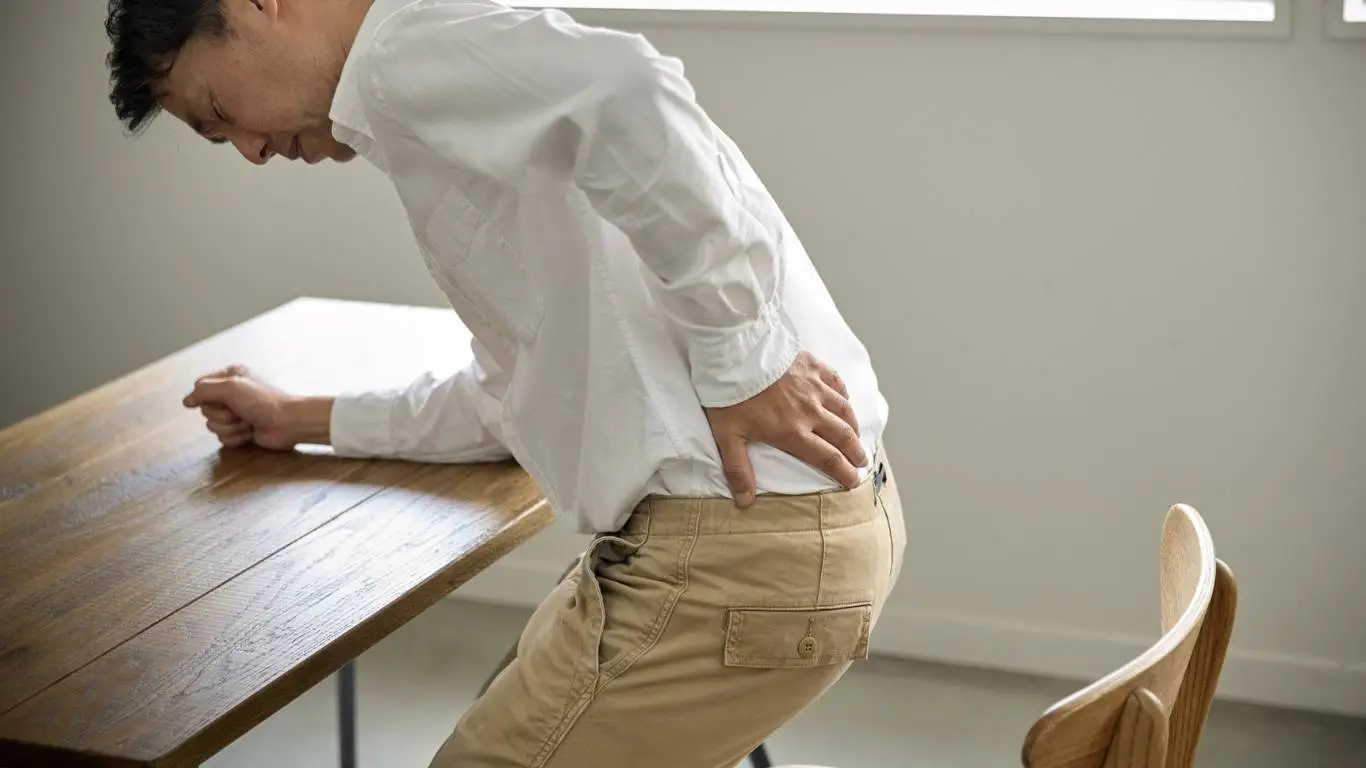
If you’ve ever dealt with persistent swelling in your back—especially around the lower spine or shoulder blades—you know just how frustrating it can be. Mine started after a long period of desk work mixed with bad posture and old gym injuries that never fully healed. The discomfort, tightness, and occasional sharp twinges weren’t just annoying—they were draining. After a string of ineffective treatments, I stumbled onto something I had never considered: lymph drainage massage for back swelling. Sounds clinical, but honestly? It was a game changer.
What Exactly Is Lymph Drainage Massage?

Lymphatic drainage massage, or manual lymphatic drainage (MLD), is a gentle therapy designed to encourage the natural movement of lymph fluid through the body. Lymph, unlike blood, doesn’t have a pump—it relies on movement and muscle contractions to circulate. If you’re sitting for long hours, recovering from an injury, or dealing with chronic inflammation, your lymph system can get sluggish, leading to fluid retention and swelling.
When targeted at the back, this massage technique can help reduce puffiness, improve tissue health, and even ease certain types of chronic back pain caused by poor posture. It’s not a cure-all, but in my experience, it felt like my muscles and spine were breathing again—literally.
Why Swelling Happens in the Back (and Why You Shouldn’t Ignore It)

Back swelling isn’t just fluid hanging out for no reason. Often, it’s your body responding to inflammation, poor circulation, or trauma. In some cases, it’s tied to conditions like:
- Spinal injuries – Even mild ones can trigger local inflammation.
- Muscle strain – Fluid can build up when muscles are torn or overstretched.
- Postural imbalances – Like slouching or leaning to one side constantly.
- Surgery or scar tissue – Which disrupts lymph flow.
What’s wild is that I had a combo of these going on. An old lifting injury from my 20s, coupled with long days at a desk, meant my body was basically waving red flags at me. The difference between acute and chronic swelling also matters. Chronic swelling can slowly damage soft tissues, reducing mobility and even compressing nerves if left unchecked.
What It Feels Like to Get a Lymphatic Massage
If you’re imagining deep-tissue massage where the therapist is digging elbows into your spine, think again. Lymph drainage is light—almost feathery. I’ll admit, the first time I had it done, I thought, “Is this doing anything?” But halfway through, I felt oddly lighter. There was a distinct shift, almost like a release of pressure I didn’t know I was carrying.
The therapist used slow, rhythmic strokes along my spine and under my shoulder blades. She explained how stimulating the lymph nodes in the neck, underarms, and lower back helps redirect fluid buildup and improve flow. Honestly, I walked out of there feeling like I’d had eight hours of sleep and drank two liters of water. That refreshed.
Who Can Benefit from It (It’s Not Just for Post-Surgery)

We usually hear about lymph drainage massage in the context of post-operative care—especially after cosmetic surgery or cancer treatments. But its applications go way beyond that. I found it incredibly helpful as a tool for:
- Desk workers like me who spend 8+ hours sitting
- Active folks dealing with recurring back tightness
- People recovering from back injuries or mild disc issues
- Those with inflammatory conditions or poor circulation
It’s also surprisingly helpful for women dealing with menopause-related back pain—when swelling and stiffness often go hand-in-hand. While it’s not a replacement for physical therapy or medical care, it works beautifully alongside them.
What Science (and Experts) Say About It

According to experts from ncbi.nlm.nih.gov and mayoclinic.org, lymphatic massage can reduce post-inflammatory fluid buildup and stimulate immune response. The practice is especially helpful in breaking the cycle of swelling → stiffness → limited mobility → more swelling. It’s that stuck pattern that so many back pain sufferers fall into.
I also learned that improving lymph flow helps move out cellular waste and toxins. It’s not some detox fad—it’s about creating a healthier environment in your tissues so they can heal better. And yes, it’s backed by some legit clinical data, not just spa brochures.
How Often Should You Get One?

Here’s where it gets personal. Some folks go weekly, others monthly. I started with once every two weeks. The first few sessions brought noticeable relief—less swelling around my lumbar region, fewer aches mid-afternoon, and surprisingly better sleep. Over time, I spaced it out to once a month. Everyone’s body responds differently, but if you’re dealing with nighttime back pain from swelling, you might want to try a short burst of regular sessions to jumpstart your lymph flow.
Curious how this fits into a broader back health approach? Check out the guide on exercise, rehab, and ergonomics for back pain. And for a bigger-picture understanding, the main Back Pain Hub connects the dots across symptoms, causes, and sustainable care.
DIY Techniques to Stimulate Lymph Flow at Home

Let’s be real—not all of us can hit the massage clinic every week. I couldn’t either. But thankfully, there are a few surprisingly effective ways to keep your lymph system moving without professional help. I’ve made most of these a part of my weekly routine, and honestly, I feel the difference—especially after long sitting days.
- Dry Brushing: Using a natural bristle brush, start from your ankles and brush upward in long strokes. For your back, you’ll need one with a long handle. Go gentle—it’s about flow, not friction.
- Light Rebounding: Ever heard of those little trampolines? Just a few minutes of bouncing (even lightly) helps stimulate lymph circulation. I keep mine by my standing desk and sneak in 3-5 minutes during breaks.
- Breathwork: Deep diaphragmatic breathing can help push lymph through the thoracic duct, which drains most of your body. It’s simple, but don’t underestimate it.
- Gentle self-massage: Using your hands or a soft massage ball, you can mimic lymphatic strokes—slow, rhythmic, and always moving toward the heart. I usually do this before bed, especially if I’ve been sitting a lot.
Here’s a helpful guide on foam rolling for back tension relief if you want to pair lymph work with fascia release. They complement each other beautifully.
Foods and Lifestyle Habits That Support Lymphatic Health
One thing that took me by surprise? How much my diet and hydration impacted back swelling. Turns out, your lymph fluid is mostly water. If you’re dehydrated or eating a ton of inflammatory foods, your system struggles to flow properly.
Here’s what made the biggest difference for me:
- Hydration – Obvious, yes, but easy to overlook. I now drink warm lemon water every morning and aim for at least 2.5 liters daily.
- Anti-inflammatory foods – Think turmeric, ginger, leafy greens, blueberries, and fatty fish. I got a lot of help from this anti-inflammatory diet guide.
- Reducing processed salt and sugar – Less bloating, less fluid retention.
- Daily movement – Even short walks or stretching sessions helped break up stagnation. One of my go-tos: quick desk stretches.
Also—quitting smoking was non-negotiable for me. Not only for my lungs, but because smoking slows circulation and can cause your lymph system to back up. No pun intended.
Who Should Avoid Lymphatic Massage?

As much as I’ve grown to love this treatment, it’s definitely not for everyone. There are some cases where you need to check with your doctor first—especially if you have:
- Active infections or fever
- Heart failure or kidney disease
- Blood clots or clotting disorders
- Recent cancer treatments
I was lucky to not fall into any of those, but I still ran it by my chiropractor and GP. Always better to be safe, especially when working around spinal tissues and lymph nodes.
How Lymph Massage Fits Into Broader Back Care

Lymph drainage isn’t a standalone fix. I learned this the hard way when I stopped doing my back exercises and mobility work after a few massages made me feel great. Surprise: the swelling came back.
The key is synergy. I now combine:
- Lymph massage (monthly)
- Targeted rehab movements (like these here)
- Daily hydration + anti-inflammatory diet
- Gentle stretching and foam rolling
- Posture resets during my workday
This approach actually aligns with what’s recommended by many back care experts, including those at clevelandclinic.org and healthline.com. My takeaway? Back swelling is just one symptom—and it needs a 360° response.
The Unexpected Benefits I Didn’t See Coming

Beyond reduced back swelling, I noticed a few other “side effects” from regular lymphatic massage—good ones:
- Better skin tone – Especially on my back and shoulders. Less puffiness, more definition.
- Deeper sleep – I started sleeping through the night again, which hadn’t happened in months.
- Less anxiety – No idea if it was physical or emotional, but after each session, I felt way calmer.
I also found it easier to stick to my stretching and movement routines afterward. Something about feeling “unblocked” made me more willing to move. For anyone struggling with the mental toll of chronic back issues, this kind of relief is priceless.
Where to Start if You’re New to All This

If you’re curious but unsure where to start, I’d recommend finding a certified therapist trained in Manual Lymphatic Drainage—especially one familiar with back pain clients. Don’t settle for generic spa packages. Ask about their experience with postural imbalance, disc pressure, or swelling related to sedentary lifestyles.
Also—explore the full section on lifestyle, diet, and natural remedies for back pain. It helped me make smarter choices beyond massage. Pair that with the insights on Healthusias’ Back Pain Hub, and you’ll be navigating your way through back discomfort with way more clarity than I had at the beginning.

Camellia Wulansari is a dedicated Medical Assistant at a local clinic and a passionate health writer at Healthusias.com. With years of hands-on experience in patient care and a deep interest in preventive medicine, she bridges the gap between clinical knowledge and accessible health information. Camellia specializes in writing about digestive health, chronic conditions like GERD and hypertension, respiratory issues, and autoimmune diseases, aiming to empower readers with practical, easy-to-understand insights. When she’s not assisting patients or writing, you’ll find her enjoying quiet mornings with coffee and a medical journal in hand—or jamming to her favorite metal band, Lamb of God.