Understanding Aura Without Headache: When Migraine Pain Is Missing
If you’ve ever seen flashes of light, shimmering zigzags, or felt strange sensations like tingling or confusion—and then waited for a pounding headache that never showed up—you’re not imagining things. This is something I went through for years without realizing it had a name. Turns out, it’s called a *silent migraine* or more accurately, an aura without headache. It can be scary, especially the first few times. I used to think I was having an eye issue or even something neurological. If this sounds familiar, you’re not alone, and yes—it’s a real thing. Let’s break it down in plain English.
What Is Aura Without Headache, Really?
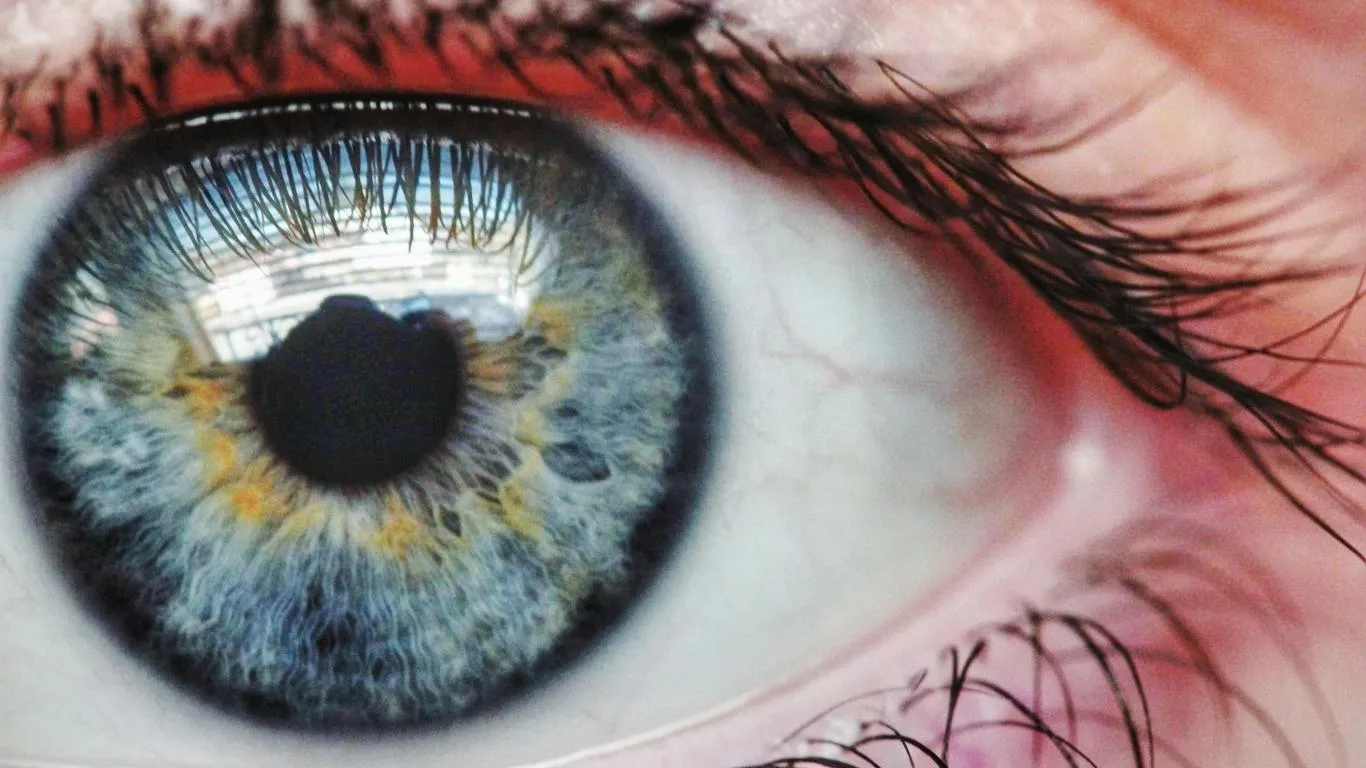
So here’s the deal. A typical migraine aura involves neurological symptoms like vision disturbances, numbness, or speech issues. Usually, these come as a warning sign before a migraine hits. But sometimes—surprise—the migraine part just doesn’t happen. That’s what we’re diving into.
This condition is also referred to as acephalgic migraine, and for many people, it’s more confusing than painful. You might feel like something is seriously wrong. I remember once staring at my computer screen seeing sparkles and thinking I was going blind. I ended up at the ophthalmologist, only to be told my eyes were perfectly healthy. Classic.
In the medical world, these episodes fall under the migraine with aura umbrella. According to the American Migraine Foundation, aura without headache is less common but just as valid a neurological phenomenon.
Most Common Symptoms You Might Recognize
You might think a migraine without pain is no big deal—until it happens to you. Here’s what typically shows up:
- Visual auras – flashing lights, zigzag patterns, blind spots (scotomas), or tunnel vision.
- Somatosensory symptoms – tingling or numbness, especially on one side of the body or face.
- Language difficulties – struggling to find words, slurred speech, or temporary aphasia.
- Cognitive disruption – confusion, disorientation, trouble focusing or understanding speech.
All these symptoms usually fade within an hour, but if you’re new to it, it feels like forever. And of course, the absence of pain makes it harder for others to take seriously.
What Triggers Aura Without Headache?
This is where it gets tricky. The triggers for aura without pain often overlap with regular migraines. Here are a few I’ve personally tracked over the years (yes, I keep a migraine journal):
- Lack of sleep – even one rough night can tip me over the edge.
- Stress – classic, but it’s a big one. Especially emotional spikes.
- Bright lights or screen glare – this one’s huge if you work at a computer all day.
- Changes in weather – sudden pressure drops or humidity shifts are major culprits.
- Hunger or skipping meals – low blood sugar always seems to kick it off.
Curious how others manage these? Check out this practical list on migraine triggers and you’ll likely find your own culprits in there.
How It’s Different From Other Types of Headaches
One of the hardest things to grasp is how a silent migraine doesn’t feel like a “migraine.” No throbbing temples. No pounding pain. So how do you even know it’s a migraine at all?
Here’s a side-by-side glance at how aura without headache stacks up:
| Feature | Aura Without Headache | Classic Migraine |
|---|---|---|
| Visual Disturbances | Yes | Yes |
| Pain | No | Yes |
| Sensitivity to light/sound | Sometimes | Often |
| Duration | 15–60 mins | 4–72 hours |
Still unsure? Sometimes what seems like a migraine can be something else entirely—like eye strain or even a mini-stroke (TIA). Here’s how optical auras vs migraine auras compare, which might help clear things up.
Should You Be Concerned?
Anytime your brain does something weird, it’s worth paying attention. Aura without headache might be harmless, but it can mimic symptoms of more serious issues like seizures or strokes. That’s why I always recommend seeing a neurologist at least once to rule out other causes.
According to Mayo Clinic and WebMD, while aura migraines aren’t life-threatening, consistent changes in frequency, type, or intensity should prompt further investigation. Especially if you’re older and just started experiencing symptoms.
There’s also a rare type known as hemiplegic migraine that can cause temporary paralysis on one side—definitely not something to shrug off.
If you want a complete breakdown of how these various conditions are diagnosed, take a look at the migraine diagnosis guide.
What Helps? Tips From Experience
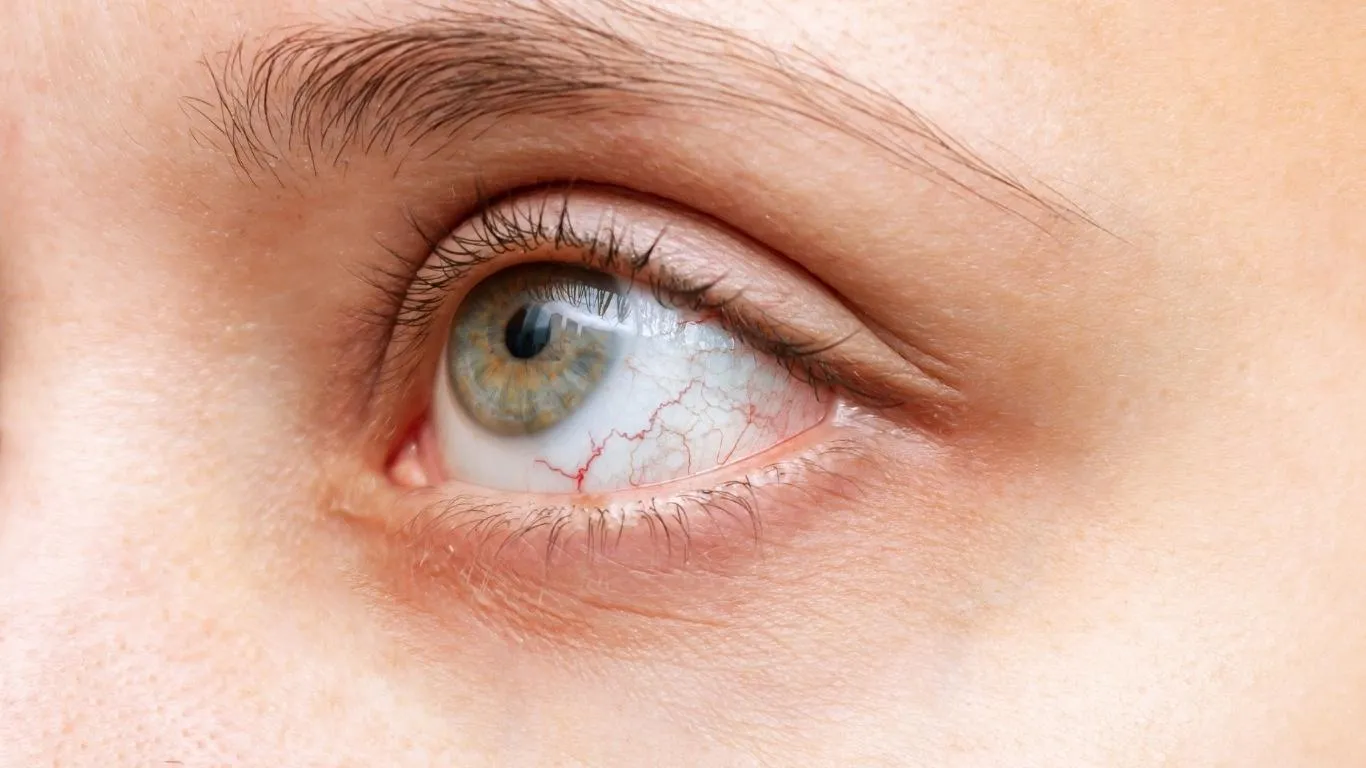
I’ve found a few habits that work well when one of these episodes starts creeping in. These aren’t cures, but they’ve helped me feel more in control:
- Step away from screens – dim the lights and close your eyes for 10–15 minutes.
- Hydrate – especially if you’ve been skipping water or meals.
- Track triggers – use a journal or an app. Patterns will show up, trust me.
- Use blue-light filters – this one cut my visual auras in half, no joke.
- Mind your sleep hygiene – consistent bedtime = more stable brain.
For more tech and tools that might help, check out this write-up on devices that support migraine sufferers. Some of them are surprisingly effective.
And if you’re curious about broader treatment options and preventive techniques, the full migraine treatment pillar breaks it all down step-by-step.
Of course, everything here builds on what’s shared in the main migraine and headaches guide. Definitely worth a bookmark if migraines (silent or otherwise) are a part of your life.
How Doctors Diagnose Aura Without Headache
When I finally saw a neurologist, I half expected them to dismiss me because there was no pain involved. Instead, they asked very detailed questions. Turns out, diagnosing aura without headache isn’t just about what you feel—it’s about what you don’t feel, too.
Doctors often use a diagnosis of exclusion here. They’ll want to rule out:
- Transient ischemic attacks (TIAs)
- Seizure activity (especially occipital lobe seizures)
- Retinal disorders
- Multiple sclerosis
You’ll likely go through a full neuro exam, eye checkup, and sometimes an MRI. Don’t skip this step. It helps confirm what you’re dealing with and gives you peace of mind. I left my scan day feeling relieved and validated.
If you want more insight into how professionals assess different migraine types, the migraine diagnostic process article is a deep dive worth reading.
Managing the Fear & Anxiety That Comes With It
This part is rarely discussed but just as important. The first few episodes I had were terrifying. I thought I was having a stroke or worse. Even once I knew what it was, the unpredictable nature of the aura made me anxious. I didn’t want to drive or go out in case it happened again.
If that sounds familiar, you’re not alone. The mental side of silent migraines can be as disruptive as the physical. Here’s what helped me the most:
- Learn your patterns. I realized mine came on when I skipped meals and stared at a screen too long.
- Prepare for it. I carry sunglasses and water everywhere, just in case. Reducing light and hydrating helps shorten the episode.
- Don’t panic. That’s hard, but reminding yourself it will pass helps reduce its intensity.
- Talk about it. Sharing with friends or coworkers makes it less isolating.
More people deal with this than you think. I even stumbled on a migraine awareness podcast that featured someone describing the exact same visual symptoms I had—felt like therapy.
Long-Term Treatment Options
The good news? If your aura episodes are rare and short, you may not need medical treatment at all. But if they become frequent or disruptive, there are ways to manage and even prevent them.
Prescription Options
- Beta-blockers – commonly used for regular migraines, also help with aura prevention.
- Anti-epileptic drugs – useful in aura-heavy cases, especially if sensory or speech symptoms dominate.
- CGRP inhibitors – newer class of meds aimed at migraine prevention.
Your neurologist will tailor treatment based on your frequency and symptom type. For a solid overview, explore prescription options for migraines and how they may apply to silent ones too.
Lifestyle and Natural Therapies
This is where I found the most lasting impact—daily habits that reduce episodes without side effects:
- Magnesium and riboflavin (B2) – these supplements have shown promising results. I noticed a difference within weeks.
- CBT and biofeedback – especially if anxiety is involved.
- Acupressure and stretching – helps ease tension, especially when it starts in the neck.
More detailed recommendations on this can be found in the natural migraine remedies guide.
Everyday Habits That Actually Work
Here’s the stuff I didn’t find in medical journals but worked in the real world:
- Use f.lux or Night Shift – screen filters changed my life. I no longer dread long Zoom meetings.
- Stick to regular eating hours – blood sugar drops were a huge trigger for me.
- Sleep is non-negotiable – even one late night can set me back.
- Exercise, but gently – too intense can trigger, but walking helps circulation and stress.
Some of these overlap with general wellness advice, sure—but when I skip them, I pay the price. For those curious about more nuanced strategies, you might enjoy this dive into migraine-friendly sleep routines and how they influence aura frequency.
When It’s Not Just a Silent Migraine
While aura without headache is usually benign, there are a few red flags worth noting:
- First-time aura over age 50
- Weakness or speech issues that linger beyond an hour
- Episodes increasing in frequency or changing in character
- Any loss of consciousness or confusion
If anything feels “off,” don’t self-diagnose. My neurologist once told me, “A normal MRI is peace of mind that lasts a lifetime.” That stuck with me. And hey—better safe than sorry.
Also, some symptoms overlap with conditions like persistent visual aura or even migraine-related epilepsy, which require different care strategies.
Resources That Help You Stay Ahead of It
There’s no magic bullet, but having the right resources can change your quality of life dramatically. I recommend:
- Tracking symptoms with a diary or app
- Following up with a headache specialist (not just your GP)
- Gentle yoga or mindfulness routines
And for anyone wondering where to start building a foundational understanding of migraine types, triggers, and options, I always point them to the Understanding Migraines pillar page.

Bianca Nala is a compassionate Nurse Practitioner with a strong background in primary and respiratory care. As a health writer for Healthusias.com, she combines her clinical expertise with a talent for clear, relatable storytelling to help readers better understand their health. Bianca focuses on topics like asthma, COPD, chronic cough, and overall lung health, aiming to simplify complex medical topics without losing accuracy. Whether she’s treating patients or writing articles, Bianca is driven by a single goal: making quality healthcare knowledge accessible to everyone.