
How Blue Light Exposure Can Worsen Ocular Migraine Symptoms
Ever since I started spending long hours in front of a screen, those annoying visual disturbances became my unwanted companions. You know what I’m talking about—the squiggly lines, shimmering spots, and sometimes even a weird fog-like blur floating in your line of sight. At first, I brushed them off as just tired eyes. But over time, I realized these weren’t ordinary eye floaters; they were something else. Turns out, prolonged blue light exposure can trigger ocular migraines, and I wasn’t alone in this struggle. Let’s dive into how this modern screen-time habit can mess with our vision and what you need to know to protect yourself.
What Exactly Is an Ocular Migraine?
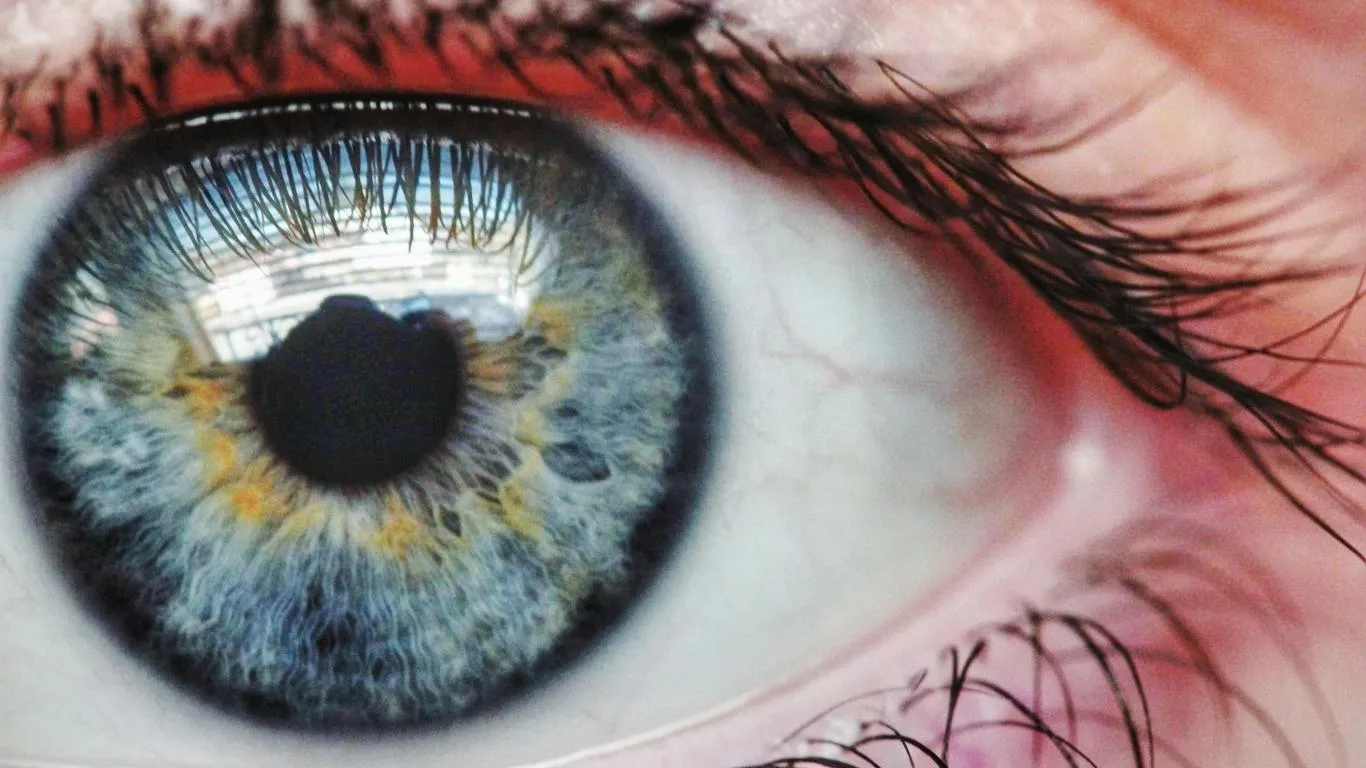
Ocular migraines are visual disturbances that can appear as flashing lights, zigzag patterns, blind spots, or shimmering effects in your vision. Unlike typical migraines, they may or may not come with a headache. For some, it’s just the visual aura that lingers for 20-30 minutes before fading away. But don’t let the lack of pain fool you—these episodes can disrupt daily activities and even pose safety risks, especially when driving or working with precision tasks.
There’s often confusion between ocular migraines and retinal migraines. While both involve vision problems, ocular migraines affect both eyes and are generally harmless, whereas retinal migraines involve temporary vision loss in one eye and may hint at more serious vascular issues.
How Blue Light Exposure Triggers Ocular Migraines
We live in a world saturated with screens—smartphones, laptops, tablets, you name it. These devices emit a significant amount of blue light, which penetrates deep into the eyes and can lead to phototoxic effects. Here’s how excessive blue light plays a role in triggering ocular migraines:
- Retinal Stress: Prolonged blue light exposure causes oxidative stress on retinal cells, potentially initiating migraine auras.
- Disrupted Circadian Rhythms: Blue light suppresses melatonin production, disturbing sleep patterns, which is a common migraine trigger.
- Eye Strain and Fatigue: Digital eye strain from extended screen time can lead to muscle tension and vascular changes that set off migraines.
Studies from American Academy of Ophthalmology confirm that while blue light doesn’t directly cause eye disease, it definitely contributes to eye strain, which can cascade into migraine symptoms, particularly in people sensitive to light stimuli.
Common Symptoms of Blue Light-Induced Ocular Migraines
In my experience, these episodes don’t announce themselves with a siren. They sneak up subtly—first with a small shimmering arc in my peripheral vision, which gradually expands into jagged light patterns. Common symptoms include:
- Visual auras appearing as zigzags, waves, or kaleidoscopic patterns.
- Temporary blind spots (scotomas) obstructing central vision.
- Increased sensitivity to light (photophobia).
- Eye discomfort or strain, especially after long screen sessions.
- Occasional dull headache following the visual disturbances.
For a detailed breakdown of migraine symptoms, Healthusias provides a comprehensive guide that can help differentiate between ocular migraines and other headache disorders.
Risk Factors That Make You More Susceptible
Ocular migraines triggered by blue light are more likely to occur if you have underlying sensitivities or lifestyle factors that amplify the risks. Some of these include:
- Genetics: If migraines run in your family, you might be predisposed to ocular migraines as well. Genetic factors play a crucial role in migraine susceptibility.
- Hormonal Changes: Fluctuations during menstruation, pregnancy, or hormonal therapies can make you more sensitive to light-triggered migraines.
- Sleep Deprivation: Irregular sleep patterns disturb your brain’s pain processing systems, making ocular migraines more frequent.
- Stress Levels: Emotional and physical stress is a well-documented migraine catalyst. Combining this with screen-time overload is a recipe for ocular disturbances.
If you’re experiencing migraines combined with neck tension or pain, you might want to check out this detailed piece on migraine and neck pain correlation.
Can Screen Filters and Glasses Actually Help?
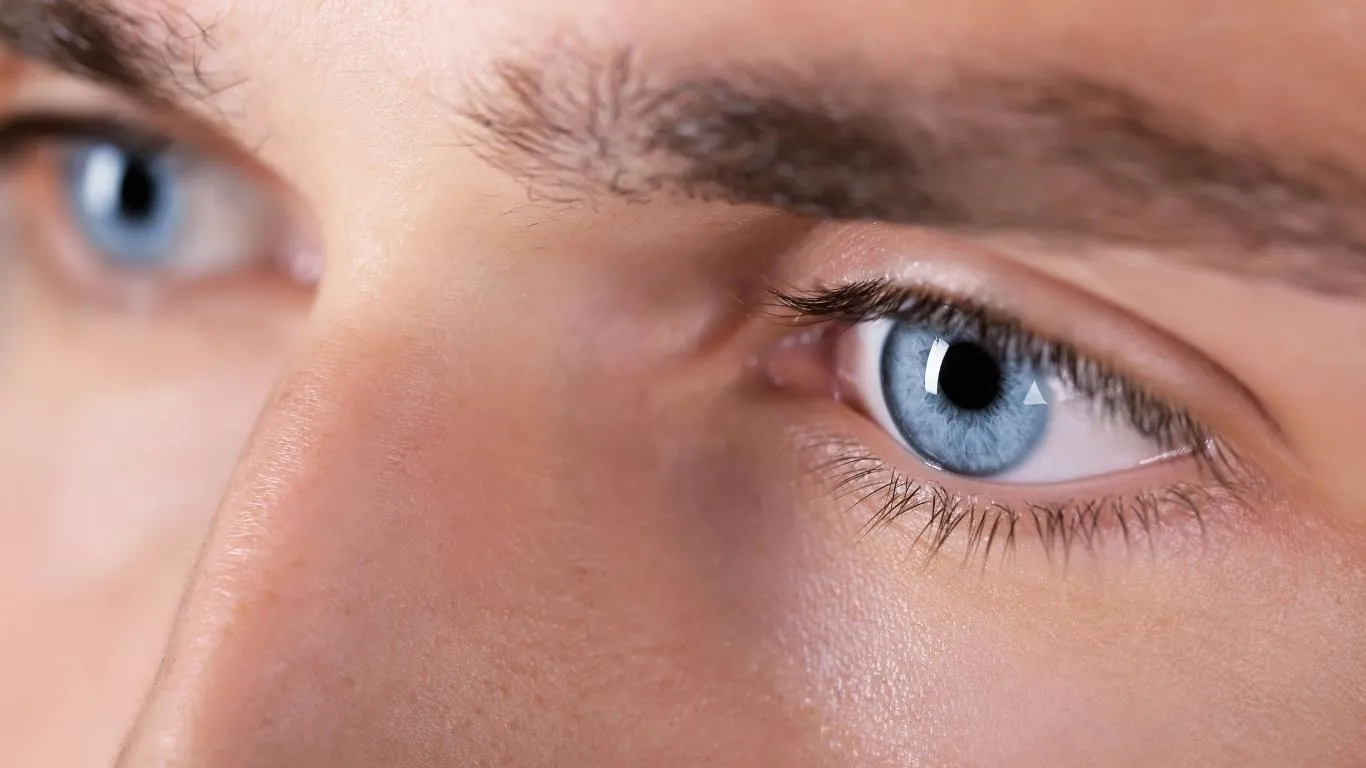
Let me be honest—I was skeptical about blue light blocking glasses. But after consistent use, I noticed a significant drop in my ocular migraine episodes. While they’re not a miracle cure, they act as a helpful shield, especially during extended work hours.
Screen filters that reduce glare and brightness also play a vital role. Adjusting device settings to warmer tones and using apps like f.lux or Night Shift mode can significantly decrease blue light intensity. Mayo Clinic experts also emphasize ergonomic screen positioning and regular eye breaks as preventive strategies for reducing visual strain-related migraines.
For more advanced tools and devices aimed at managing migraine triggers, Healthusias’ migraine devices guide offers a curated list of effective gadgets.
Prevention Tips from Personal Trial-and-Error
Over the years, I’ve developed a few personal hacks that have reduced my ocular migraine frequency, even with my screen-heavy job:
- Follow the 20-20-20 Rule: Every 20 minutes, look at something 20 feet away for at least 20 seconds.
- Invest in high-quality anti-glare screen protectors.
- Maintain a dark mode theme on all apps and devices.
- Hydrate consistently; dehydration is a sneaky migraine trigger.
- Stretch your neck and shoulders regularly to release built-up tension.
If you’re serious about preventing migraines triggered by screen habits, don’t miss Healthusias’ comprehensive article on migraine prevention techniques—it’s packed with actionable strategies.
For a broader understanding of migraines and headache disorders, the main migraine resource page offers expert-backed insights into various types and triggers.
Advanced Ways to Manage Blue Light-Triggered Ocular Migraines
After battling through countless ocular migraine episodes, I realized that basic screen filters and glasses are just the tip of the iceberg. There’s a whole world of strategies—some you might not expect—that can seriously improve life for those of us who are constantly tethered to screens.
One of the most game-changing solutions for me was integrating wearable migraine devices like Cefaly and Nerivio. These FDA-approved gadgets provide non-invasive neurostimulation that helps calm overexcited nerve pathways linked to migraines. You can explore how these devices work in detail on this in-depth Cefaly review and the Nerivio guide.
While these may seem a bit high-tech, their practical use is as simple as strapping on a device and letting the subtle pulses do their job. They’ve been lifesavers during those crucial work presentations when screen exposure was non-negotiable.
Holistic Approaches that Actually Work
For anyone skeptical about natural remedies, I get it—I was in that boat too. But as my ocular migraines became more frequent, I turned to methods I used to scoff at. Acupuncture, for example, wasn’t just a wellness fad. After a few sessions targeting migraine-specific points, I noticed a significant reduction in my aura episodes. You can read more on acupuncture for migraine relief here.
Yoga and specific stretching routines that focus on the neck, shoulders, and eyes can also release tension that contributes to visual disturbances. One of my go-to resources is Healthusias’ guide on yoga for migraine management.
Moreover, essential oils like peppermint and lavender have been surprisingly effective in alleviating early migraine symptoms. Just a few drops massaged into the temples can do wonders. But remember, quality matters; synthetic versions won’t cut it. For a list of oils that are migraine-safe, check this curated list on essential oils for migraine relief.
Diet Tweaks That Helped Me Avoid Ocular Migraines
If you think diet has nothing to do with ocular migraines, think again. I learned this the hard way after bingeing on processed snacks during a stressful work week, which ended in a brutal series of migraine episodes. Certain foods—especially those with artificial sweeteners, high sodium, or MSG—can amplify the effects of blue light exposure.
Here’s a list of dietary changes that made a difference for me:
- Incorporating magnesium-rich foods like spinach, almonds, and avocado.
- Switching to herbal teas such as ginger and chamomile instead of caffeinated beverages.
- Staying hydrated consistently throughout the day.
- Reducing processed sugar and focusing on whole grains.
The connection between food triggers and migraines is well-explained in Healthusias’ article on foods that can trigger migraines. It’s a must-read if you’re battling dietary-induced migraine flares.
Optimizing Your Work Environment to Minimize Blue Light Effects
Adapting my workspace made a world of difference. Small tweaks can dramatically cut down on blue light strain and help prevent ocular migraines. These are some tried-and-tested adjustments:
- Monitor Positioning: Ensure your screen is slightly below eye level to reduce glare and muscle tension in the neck and shoulders.
- Ambient Lighting: Use soft, indirect lighting rather than harsh overhead lights that create screen reflections.
- Anti-Reflective Coatings: Consider monitors and glasses with anti-reflective properties to minimize screen glare.
- Blue Light Screen Protectors: High-quality filters that clip onto monitors can block a significant portion of blue light wavelengths.
On top of these, consider using migraine-friendly office accessories. Healthusias has a well-researched list of best pillows for migraine sufferers that support neck alignment and reduce tension buildup.
When to Consult a Specialist
As much as home remedies and ergonomic adjustments help, there are times when professional medical advice becomes essential. If you experience ocular migraines more than once a week, or if your episodes are accompanied by severe headaches, it’s time to see a specialist.
A neurologist can rule out underlying vascular or neurological conditions and may suggest advanced treatments like CGRP inhibitors or Botox injections, which have shown promising results in migraine prevention. Healthusias has an excellent article that demystifies how migraines are diagnosed and the role of neurologists in crafting a personalized treatment plan.
For in-depth insights on available treatment options, their guide on migraine treatments covers both conventional and emerging therapies.
Final Tips That Made a Big Difference for Me

Let me leave you with a few small yet effective changes that personally reduced my ocular migraine occurrences:
- Set screen usage boundaries—no screens an hour before bedtime.
- Utilize “Focus Mode” apps that reduce distractions and limit visual clutter.
- Keep indoor plants around your workspace to naturally ease eye strain (bonus: it boosts mood!).
- Track your episodes using a migraine diary to identify patterns and triggers.
Living with blue light-triggered ocular migraines doesn’t have to feel like a constant battle. With a combination of tech tools, lifestyle tweaks, and professional guidance, you can reclaim control over your visual health.
For a complete guide on understanding migraines from the ground up, I highly recommend exploring Healthusias’ in-depth article on understanding migraines.

Bianca Nala is a compassionate Nurse Practitioner with a strong background in primary and respiratory care. As a health writer for Healthusias.com, she combines her clinical expertise with a talent for clear, relatable storytelling to help readers better understand their health. Bianca focuses on topics like asthma, COPD, chronic cough, and overall lung health, aiming to simplify complex medical topics without losing accuracy. Whether she’s treating patients or writing articles, Bianca is driven by a single goal: making quality healthcare knowledge accessible to everyone.