Why Migraines May Be Behind That Strange Hand Tingling Feeling
Ever woken up with a migraine pounding behind your eye and your hand feeling like it’s half asleep? I have. It’s one of those weird migraine symptoms that makes you pause—like, wait, is my hand supposed to be tingling like this? The first time it happened to me, I thought I was having a mini stroke. Turns out, tingling in the hands isn’t all that rare with migraines. Let’s talk about why that happens, what’s going on inside your body, and when you should actually be concerned.
Can a Migraine Really Cause Hand Tingling?

Short answer? Yes. Migraines can absolutely cause hand tingling—and even numbness, pins and needles, or a crawling sensation in your fingers. This often happens in what’s known as a migraine with aura. I’ve personally had the kind where the tingling starts in my fingers and creeps up my arm before the headache even hits. It’s freaky, but understanding the why behind it helped me stay calm.
This strange sensation stems from temporary changes in the brain’s electrical activity and blood flow. During an aura phase, nerve signals go haywire, and the sensory cortex—the part of your brain responsible for feeling things—can get scrambled. That’s when you might feel numbness or tingling in one hand, sometimes paired with vision changes or trouble speaking.
How Common Is This?
According to the American Migraine Foundation, around 25–30% of people with migraines experience aura, and among those, a good chunk report sensory auras—including tingling in the hands, face, or even tongue. While that stat might sound high, the reality is most people just don’t connect the dots because symptoms can show up differently each time.
What Does Hand Tingling During a Migraine Feel Like?
If you’ve never had this sensation before, it can be hard to describe. Some folks say it feels like static under the skin. For me, it’s like when your foot falls asleep—except it’s just my hand, and it’s not from sitting wrong. Here’s how it often plays out:
- A light tingling begins in the fingertips
- It slowly spreads up the hand, sometimes the arm
- There’s a mild numbness or “dull” sensation that lingers
- It often fades right before or during the headache stage
This kind of sensory aura can last anywhere from 10 to 60 minutes. It usually goes away on its own, but the first few times it happens, it’s understandably nerve-racking.
Is It Always Migraine-Related?

Here’s where it gets tricky. Not every instance of hand tingling is migraine-related. There are plenty of medical conditions that could be at play, including:
- Pinched nerves in the neck or spine
- Carpal tunnel syndrome
- Vitamin B12 deficiency
- Multiple sclerosis (MS)
- Anxiety or panic attacks
That’s why it’s important to understand your body’s pattern. If the hand tingling always comes before or during a migraine, there’s a good chance it’s part of your aura. But if it’s random or lasts way longer, it’s worth checking with a doctor. Getting an accurate diagnosis can save you a lot of stress (trust me).
When You Should See a Doctor

Look, I get it—we don’t all love heading to the doctor over every weird body glitch. But there are some red flags you really shouldn’t ignore:
- Hand tingling that lasts more than an hour
- Weakness or paralysis along with the tingling
- Speech difficulty or vision loss
- This being your first time experiencing any of the above
Those could be signs of something more serious, like a stroke or transient ischemic attack (TIA). It’s better to get checked and have it be nothing than ignore a potential emergency.
What Triggers This Kind of Migraine?

So what brings these types of migraines (with aura and hand tingling) out of hiding? Triggers vary wildly from person to person, but here are a few that are known culprits:
- Certain foods (think chocolate, aged cheese, red wine)
- Sleep deprivation or poor sleep posture
- Stress or sudden changes in routine
- Hormonal fluctuations (hello, period migraines)
- Weather changes and barometric pressure
Knowing your triggers is half the battle. I started keeping a migraine diary and was shocked at how often poor sleep was the real villain. Everyone’s different, though—so tracking yours can give you insight and a sense of control.
Related Reads That Go Deeper

- Want to understand all the stages of a migraine? That article helped me recognize the warning signs earlier.
- If your symptoms seem odd or inconsistent, check out the differences between migraine and tension headaches.
- This full overview of migraine types and causes is incredibly helpful if you’re new to this journey.
And if you’re just getting started or want the complete breakdown on everything migraine-related, this main guide is your go-to resource.
How I Manage Hand Tingling Migraines Without Losing My Mind
When the tingling started showing up with my migraines, I’ll be honest—I panicked more than once. At first, I thought it might be some sort of nerve issue or worse, a mini stroke. But once I knew it was just a part of my migraine pattern, I shifted focus toward managing it instead of fearing it.
It’s taken a lot of trial and error, but I’ve pieced together a migraine management routine that works for me (most of the time). It’s a mix of lifestyle changes, some unconventional remedies, and staying on top of my body’s signals. And no, it doesn’t involve popping painkillers every time. Let’s dive into what’s actually helped reduce the frequency and intensity of those weird, tingling episodes.
Practical Relief Tactics I Swear By
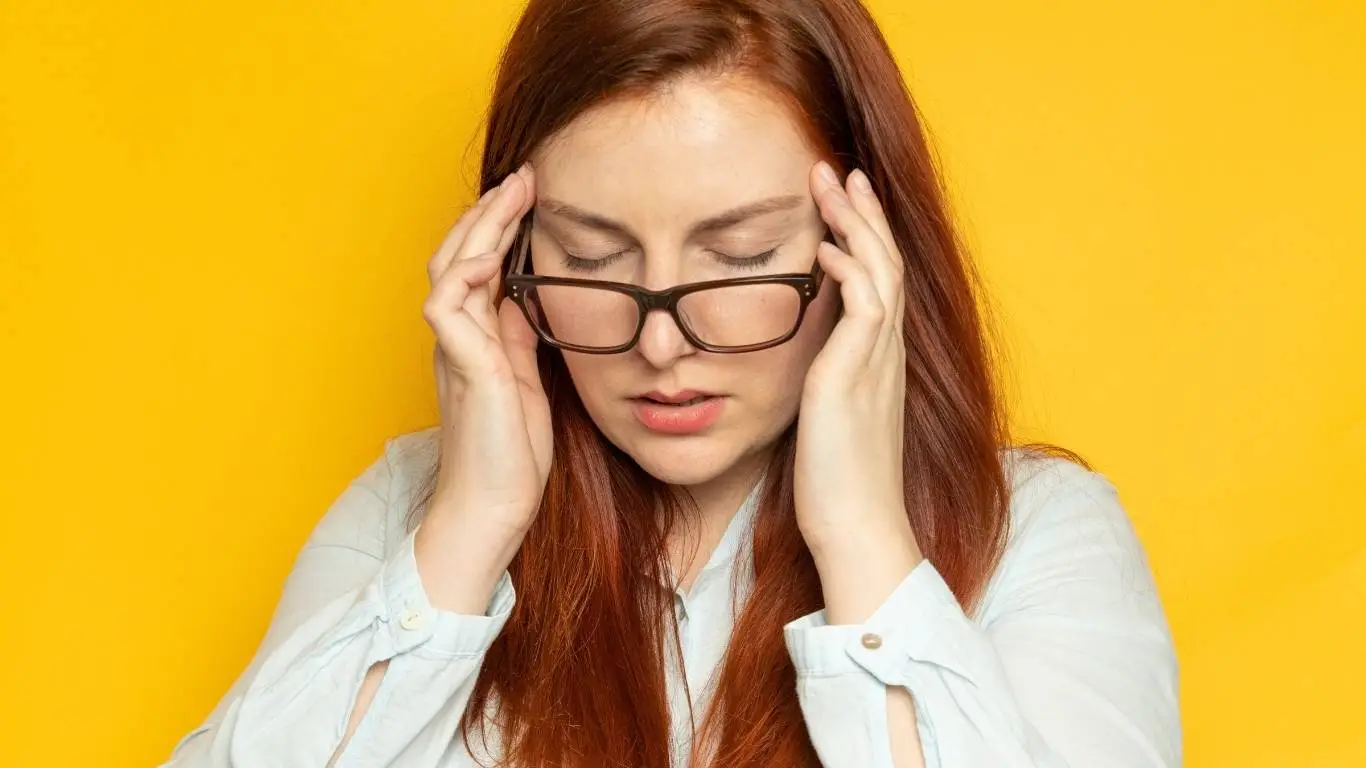
Not everything that helps with migraines will necessarily work for hand tingling, but there’s a huge overlap. These are the things that made a noticeable difference for me, especially during aura-heavy episodes:
- Cold compress on the neck and shoulders: Helps slow nerve activity and calm overactive blood vessels.
- Grounding techniques: When my hand starts tingling, I grab an ice cube or textured object to redirect sensation—surprisingly effective.
- Better sleep posture: Swapping to a firmer pillow changed everything. My neck alignment was a mess and probably triggering a lot more than I thought.
- Alternating hot/cold therapy: My go-to for post-aura fatigue. It’s more soothing than you’d expect.
I’ve also dabbled in tech tools. Devices like Cefaly and Nerivio didn’t eliminate my migraines, but they helped reduce how intense the aura symptoms felt—especially when I caught them early. This list of migraine relief tools is worth checking out if you’re looking for alternatives to meds.
The Role of Nutrition and Supplements

I’m no nutritionist, but I’ve learned that what I eat can make or break a migraine day. When I started paying attention to my diet, the frequency of my aura-related symptoms—including that annoying hand tingling—went down.
Some staples that helped me:
- Magnesium (especially glycinate or citrate)
- Vitamin B2 – Riboflavin for nerve and brain support
- CoQ10 – helps with cellular energy production
There’s also growing evidence that omega-3 fatty acids can play a neuroprotective role in chronic migraine sufferers. I added fish oil to my routine and noticed a difference within a month.
Stress, Anxiety & Migraine Tingling: The Nasty Trifecta
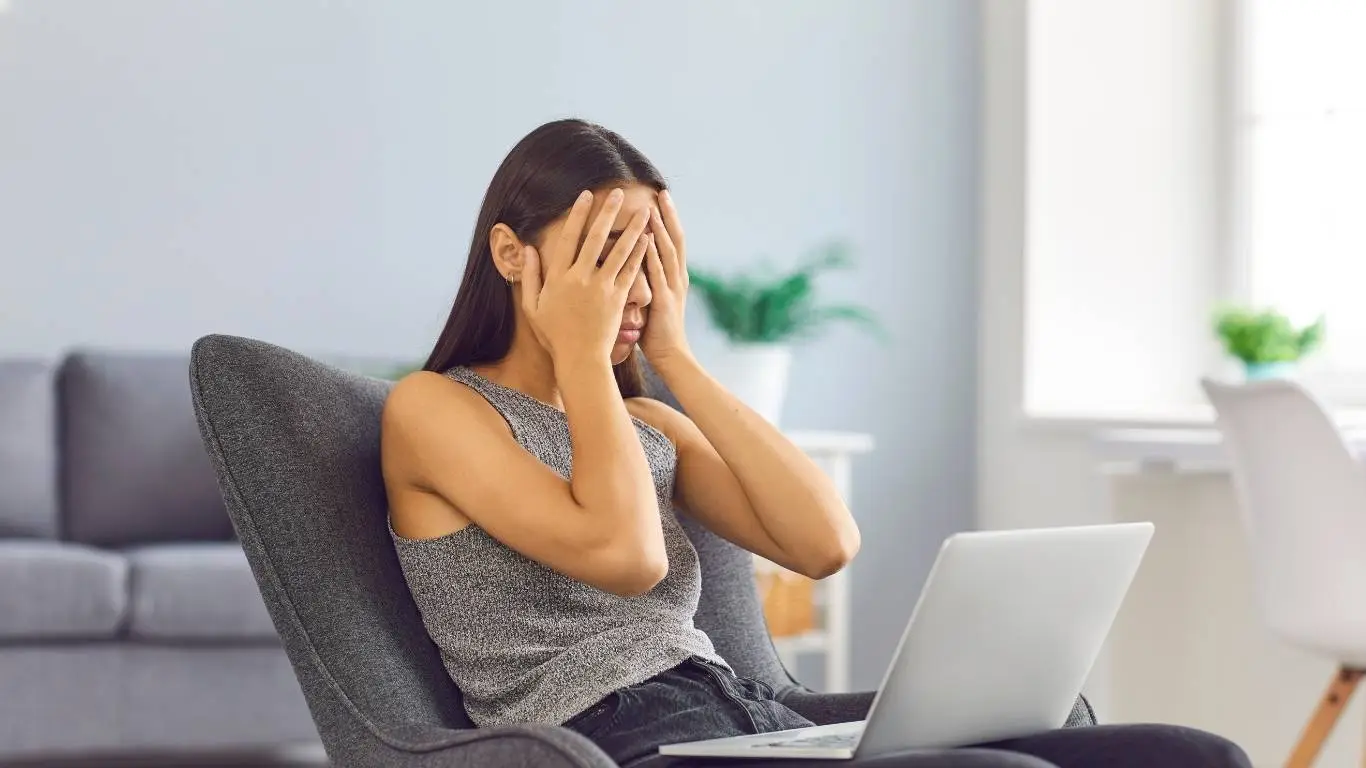
Here’s something no one really tells you: sometimes it’s not just the migraine that causes the tingling—it’s the stress about the migraine. Sounds silly, but I started noticing that my hand tingling got worse when I was anxious or overthinking every little symptom.
Turns out, anxiety can trigger migraines and intensify aura sensations like numbness and tingling. It becomes a feedback loop—you feel a symptom, panic, and then make it worse. Breaking that cycle helped me a lot.
I’ve found that quick meditations or even breathwork apps (like Insight Timer) can calm me down before things spiral. For others, cognitive behavioral therapy (CBT) and biofeedback techniques work wonders.
What to Avoid If You’re Prone to Tingling Auras
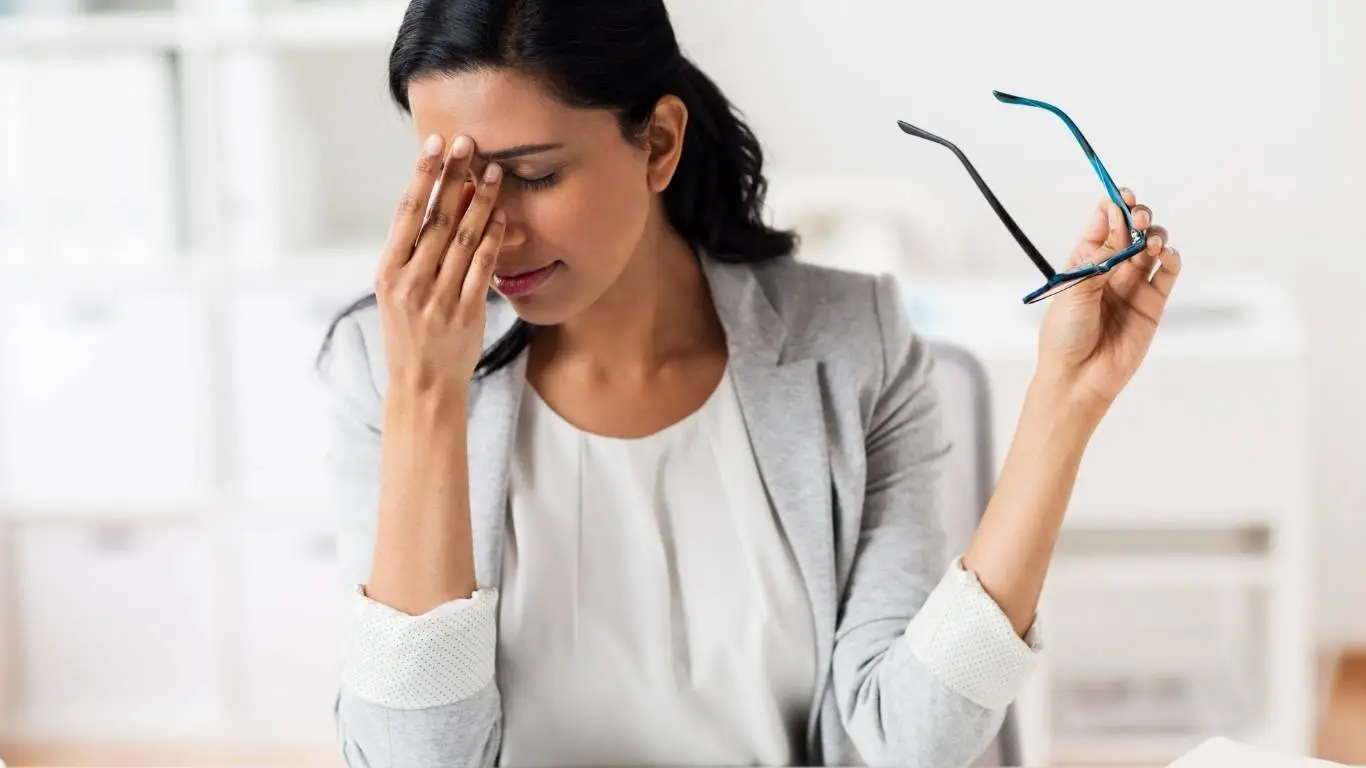
Over time, I’ve figured out which habits and environments made my aura symptoms worse. If you’re getting hand tingling regularly with migraines, you might want to avoid:
- Skipping meals or intermittent fasting (it’s a trigger for many, including me)
- High-stimulation environments (bright lights, loud music)
- Sudden caffeine spikes or withdrawals
- Sleeping in awkward positions (back pain and tingling go hand-in-hand)
It’s all about prevention. The fewer triggers I expose myself to, the less often that creepy crawling sensation shows up in my hands—and my migraines are way more manageable overall.
Staying Informed = Staying Empowered

Living with migraines that involve hand tingling isn’t fun, but it’s not hopeless either. There’s a weird kind of peace that comes from knowing your triggers, symptoms, and what actually helps. And honestly, having real information—not just guesswork—is half the battle.
If you want a more in-depth understanding of how different types of migraines behave, I recommend this full guide to migraine-related conditions. It gave me clarity on what was a normal part of my migraine pattern and what wasn’t.
Also, the main migraine hub at Healthusias is packed with up-to-date, no-BS info that’s easy to digest. I find myself referring to it more often than I’d like to admit.

Bianca Nala is a compassionate Nurse Practitioner with a strong background in primary and respiratory care. As a health writer for Healthusias.com, she combines her clinical expertise with a talent for clear, relatable storytelling to help readers better understand their health. Bianca focuses on topics like asthma, COPD, chronic cough, and overall lung health, aiming to simplify complex medical topics without losing accuracy. Whether she’s treating patients or writing articles, Bianca is driven by a single goal: making quality healthcare knowledge accessible to everyone.