Why Barometric Pressure Changes Can Worsen Your Migraines
Last weekend, I was all set for a relaxing Saturday — tea in hand, book by my side — until an all-too-familiar pounding started creeping in. That dreaded migraine. What made it worse? A storm was rolling in. Again. I’ve been tracking these episodes for years, and I’ve started to notice a pattern: when the weather shifts, so does my head. So naturally, I dove into the research. Can barometric pressure changes really trigger migraines? Turns out, I’m not alone in asking that.
Barometric Pressure and Your Brain: What’s the Link?

Barometric pressure is essentially the weight of the air around us. When a weather system changes — say, a storm rolls in or it suddenly clears up — the atmospheric pressure shifts. For some of us, especially those prone to migraines, our brains might not handle those changes too kindly.
The theory is that pressure changes can lead to imbalances in oxygen levels or cause the brain to react to perceived environmental stress. Some neurologists suggest that these changes might affect how the brain manages blood flow, especially in areas that are already sensitive. This, in turn, might spark that all-too-familiar migraine sensation.
How Common Are Weather-Triggered Migraines?
Way more than you might think. A study published by the NIH found that about 50% of migraine sufferers report weather as a consistent trigger. That’s not small potatoes. In fact, if you’ve ever wondered why you get a migraine out of nowhere — even when you’re eating well, sleeping great, and avoiding screen time — your culprit could be floating in the sky.
- Low pressure systems: Often associated with cloudy, rainy weather and storms. These are the big migraine culprits for many people.
- High pressure systems: Not always better. Sudden shifts from low to high pressure (like post-storm sunshine) can also stir up symptoms.
- Temperature swings: Rapid changes in heat or cold can add fuel to the fire.
My Personal Weather Headache Log (You Should Try It!)

Okay, here’s something that’s helped me a ton — I started logging my migraines alongside the daily weather report. Nothing fancy. Just a quick note on how I felt, what the sky looked like, and what the barometric pressure was doing. Within a month, I had patterns jumping off the page. If you’re interested in doing the same, check out this simple migraine diary guide that walks you through how to track your own symptoms.
And once you’ve gathered enough entries, compare those notes with local weather history — you might see a spike in symptoms during sudden drops in pressure. It’s not scientific proof, but it’s enough to start a conversation with your neurologist or primary care doc.
Weather vs. Other Common Migraine Triggers

Let’s be honest — weather is rarely working alone when it comes to migraines. Most of us are dealing with a stack of triggers all at once: stress, dehydration, skipped meals, hormonal fluctuations, and more.
But when it comes to weather-related migraines, it seems like pressure shifts amplify what’s already simmering beneath the surface. One thing I’ve found useful is comparing my weather headaches with other triggers like poor sleep or screen exposure. Some people even experience what’s known as “compound migraines,” where several small triggers come together to form one perfect (and painful) storm.
Simple Lifestyle Tweaks That Helped Me
- Hydration: I can’t stress this enough. Dehydration is a sneaky trigger, and weather changes can cause you to lose fluids faster than usual. Drink water like it’s your job.
- Regular sleep schedule: Staying consistent with my sleep — even on weekends — helped a lot with stability.
- Weather app alerts: I set up notifications for pressure changes. If I know a shift is coming, I can prep ahead of time with rest, hydration, and stress management.
If you’re not already doing this, check out tips on migraine-friendly sleep habits and how to manage weather sensitivity in this complete trigger guide.
When to Talk to a Specialist
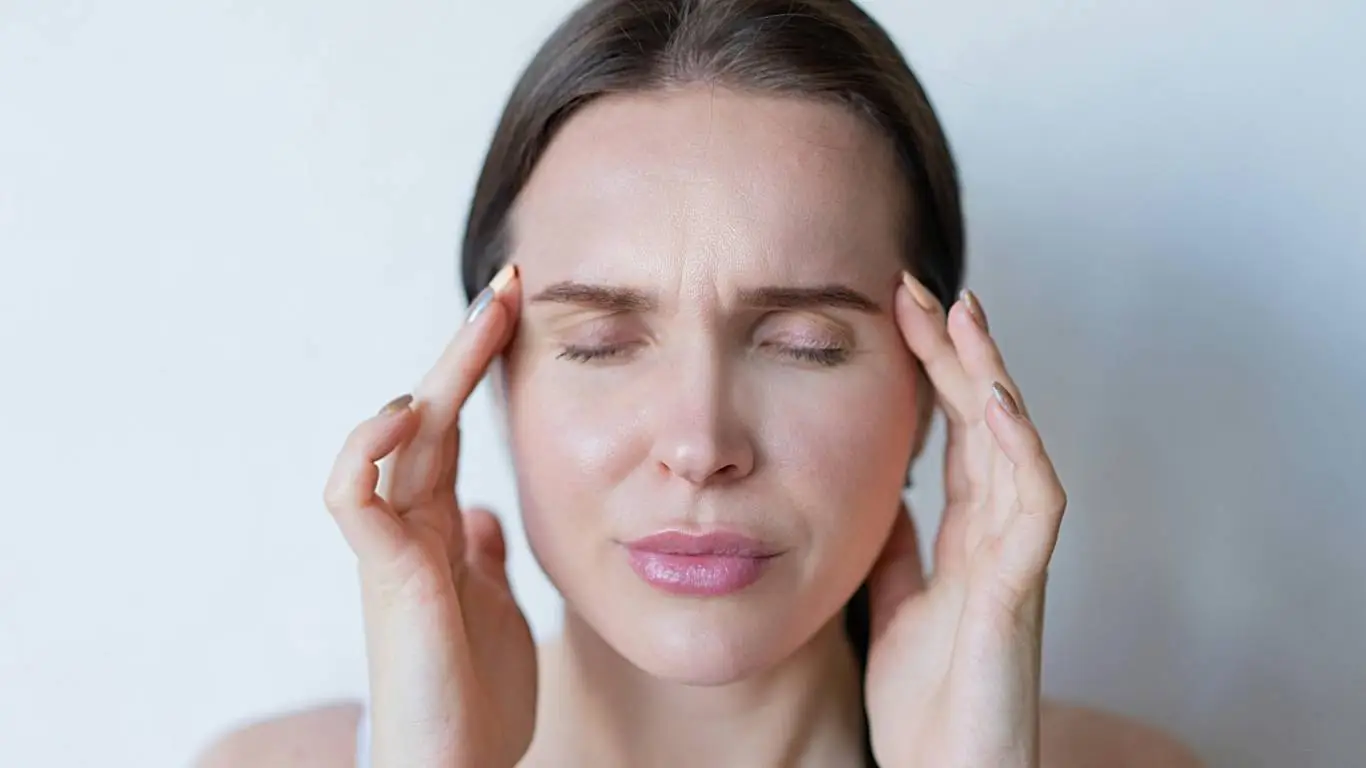
If barometric pressure changes are consistently sending you into migraine mode, don’t suffer in silence. It might be time to chat with a neurologist — especially if your symptoms are intense or interfering with daily life. Some specialists can even help tailor a prevention plan specifically for weather triggers. Curious what that looks like? Here’s a great article on working with a migraine neurologist.
Also worth noting: there are prescription and over-the-counter options available, especially for people who can pinpoint their triggers. Some preventatives can be taken in anticipation of a storm. Learn more about options in this article on OTC migraine medications.
Want to Deep Dive Into All Possible Triggers?

If weather’s just one piece of your migraine puzzle, I highly recommend exploring this detailed guide on migraine triggers. It’s packed with real-life tips and up-to-date research, ideal for mapping out your own “trigger blueprint.”
And for the full overview of how migraines work, treatments, and lifestyle approaches, the main migraines page and this excellent deep dive on migraine prevention strategies are worth bookmarking.
After piecing together the migraine puzzle for years, I’ve learned one essential truth — managing weather-triggered migraines isn’t about eliminating the weather (obviously), it’s about staying a step ahead. So let’s talk about how to proactively reduce their impact, with real tools, strategies, and even some unconventional options that surprisingly work.
Preventive Measures That Actually Work (Sometimes)

Here’s the thing — migraines are wildly personal. What works for one person may do absolutely nothing for someone else. But based on research and a whole lot of trial and error, a few methods consistently show promise for people dealing with barometric pressure headaches.
Using Weather Forecast Tools
Weather apps aren’t just for checking if you need an umbrella anymore. I personally rely on an app that tracks barometric pressure trends — some even send alerts if there’s a sharp drop ahead. Knowing what’s coming gives you a chance to adjust your day, prep medication, or prioritize hydration and rest.
- My favorite apps: Migraine Buddy, MyMigraineTracker, and WeatherX
- Here’s a breakdown of top migraine tracking tools if you’re curious
Planning Ahead
Once I get an alert, I try to simplify my schedule. If I’m able, I cut back on screen time, avoid intense exercise, and skip caffeine that day. The goal isn’t to stop life, just to soften the impact of a potential migraine.
Medication Options Before and During Weather Changes

For some, medication is key. And honestly, it’s nothing to feel weird about. I resisted it for a while, but when migraines started interfering with work, my neurologist and I explored short-term preventatives specifically for stormy days.
What Might Help:
- NSAIDs: Ibuprofen or naproxen taken at the earliest sign of weather changes may reduce the intensity.
- Triptans: These target migraines directly and are more effective when taken early.
- Prescription preventatives: Some people are prescribed beta-blockers, anticonvulsants, or CGRP inhibitors (like the ones explained in this CGRP guide).
If you’re leaning more toward non-prescription paths, this roundup of prescription vs OTC migraine medications breaks down the differences nicely.
Natural Remedies & Non-Pharma Approaches That Aren’t Just Fluff

While medication is helpful, I’m a huge believer in supporting it with natural tools — especially ones that support my nervous system when it’s reacting to the weather.
Remedies That Made a Difference for Me:
- Magnesium: Daily magnesium supplements seemed to level out my brain’s reaction to pressure dips. This magnesium and migraine article gets into why.
- Essential oils: Peppermint oil on the temples (with a carrier oil!) genuinely helped. It’s not a cure, but soothing. Check out this page on essential oils for migraines.
- Acupressure & daith piercing: Yes, I tried the daith. It didn’t “cure” anything, but it helped my anxiety around migraines. Placebo or not, I’ll take the relief. There’s an interesting look at this here: daith piercing and migraines.
Other Tools Worth Exploring:
Many of these complement medication rather than replace it. That balance has been the sweet spot for me — a mix of conventional and holistic care.
Creating a “Migraine-Safe” Environment at Home

When the pressure drops and my head starts to throb, my house becomes my hideout. Over the years, I’ve set up a few migraine-friendly spaces that help make attacks more manageable.
My Home Setup Includes:
- Blackout curtains: Nothing makes light sensitivity worse than sunlight piercing through your eyes.
- Noise-canceling earplugs: These earplug options have been a game-changer.
- Aromatherapy diffuser: Lavender, eucalyptus, or peppermint depending on my mood.
For more gadget-oriented folks, here’s a fantastic roundup of top-rated migraine relief devices — from cold caps to wearable tech.
Is It Really the Weather? Or Is It Something Else?

This might sound odd, but sometimes what looks like a weather migraine turns out to be something else entirely. For me, I used to assume every headache during a storm was barometric — turns out, a few were actually linked to hormonal shifts.
That’s why I always recommend checking out this deep dive on hormonal migraine triggers — even if you don’t think that’s your issue, the overlap can be sneaky. Also, poor sleep and neck tension are frequent offenders and easily confused with “storm headaches.” You might also find insights in this post about neck pain and migraines.
Helpful Pillar Resources to Keep Exploring

If you’re on a journey to better understand and prevent migraines — especially those sneaky weather-induced ones — take a deeper dive into these two powerhouse resources:
Whether it’s tracking the skies or fine-tuning your lifestyle, understanding how weather affects migraines is a lifelong learning curve — but you’re not alone in it. Every step, every journal entry, every small adjustment makes a difference. Promise.

Bianca Nala is a compassionate Nurse Practitioner with a strong background in primary and respiratory care. As a health writer for Healthusias.com, she combines her clinical expertise with a talent for clear, relatable storytelling to help readers better understand their health. Bianca focuses on topics like asthma, COPD, chronic cough, and overall lung health, aiming to simplify complex medical topics without losing accuracy. Whether she’s treating patients or writing articles, Bianca is driven by a single goal: making quality healthcare knowledge accessible to everyone.