Why Chocolate-Induced Migraines Might Be Ruining Your Day
Ever bitten into a piece of rich dark chocolate, only to be blindsided by a throbbing headache not long after? You’re not alone. For years, I chalked it up to coincidence — maybe it was stress, maybe dehydration — until it kept happening over and over again. Turns out, there’s more to this chocolate-migraine connection than just bad luck. Let’s unpack this sweet trigger with a bitter aftertaste.
Why Does Chocolate Trigger Migraines in Some People?

Chocolate isn’t an automatic migraine offender for everyone. But if you’re like me and have a love-hate relationship with it, you’re probably wondering what’s going on behind the scenes. The answer lies in its chemical composition.
The Role of Tyramine and Phenylethylamine
These naturally occurring compounds are the usual suspects. Tyramine is known to influence blood pressure and dilate blood vessels, which can spark a migraine in sensitive individuals. Phenylethylamine (PEA), on the other hand, has a stimulating effect — kind of like a mini caffeine jolt to the brain — which might trigger a headache if your brain’s threshold is already low.
Caffeine – Friend or Foe?
Chocolate contains small amounts of caffeine, and while that might give a pleasant mental boost, it’s a double-edged sword for migraine sufferers. Caffeine can help relieve migraines in some cases, but in others, especially when consumed inconsistently, it might actually be the trigger.
Not All Chocolate Is Created Equal

Here’s something I learned the hard way — dark chocolate is not the same as milk chocolate when it comes to migraines. Dark varieties tend to have higher levels of both tyramine and caffeine.
- Dark Chocolate: Higher cocoa percentage, more likely to trigger migraines
- Milk Chocolate: Less cocoa, but still a risk due to sugar and additives
- White Chocolate: Technically doesn’t contain cocoa solids, so less likely to be a trigger
For those curious about the broader migraine trigger landscape, check out our complete breakdown on common migraine triggers.
Is It the Chocolate or Something Else?
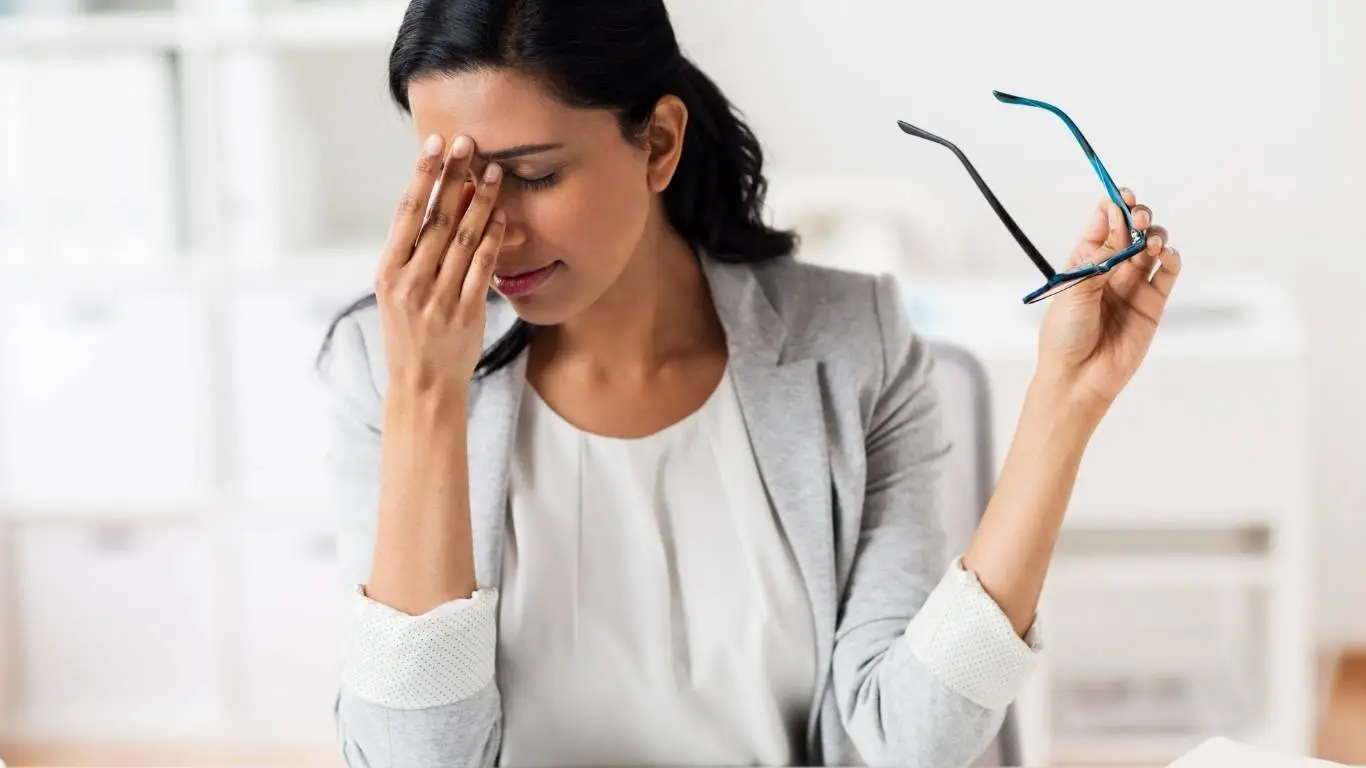
It’s tempting to blame the chocolate, but the truth is, it might be the additives and not the cocoa itself. Ingredients like artificial sweeteners, dairy content, or even preservatives can be the hidden culprits. Personally, I noticed that high-quality, minimally processed chocolate caused fewer problems than the overly sugary, commercial stuff.
Hidden Additives to Watch Out For:
- Artificial flavorings (especially vanillin)
- High-fructose corn syrup
- MSG or other flavor enhancers
If you’re struggling to pinpoint the exact cause, keeping a migraine diary is a total game-changer. I started tracking every time I got a headache and what I ate prior — and sure enough, chocolate stood out.
How Hormones Interact with Chocolate Triggers

If you’re female, there’s another curveball: hormonal fluctuations. Around the menstrual cycle, estrogen levels dip — which can lower your migraine threshold. Combine that with chocolate cravings? Recipe for disaster.
It’s no coincidence that many women report chocolate-triggered headaches around their periods. Learn more about this in our guide to hormonal migraine triggers.
How to Still Enjoy Chocolate (Without the Migraine)

Good news — giving up chocolate entirely isn’t always necessary. I didn’t want to say goodbye to my favorite treat, so I started experimenting. Turns out, portion control and timing are key.
Tips That Worked for Me:
- Stick to small amounts (under 1 oz at a time)
- Never eat it on an empty stomach
- Drink water before and after to stay hydrated
- Opt for organic brands with minimal ingredients
Some even suggest trying dark chocolate with lower cocoa percentages first, then increasing slowly to see what your body tolerates. Remember — everyone’s threshold is different.
How to Know If Chocolate Is *Your* Trigger
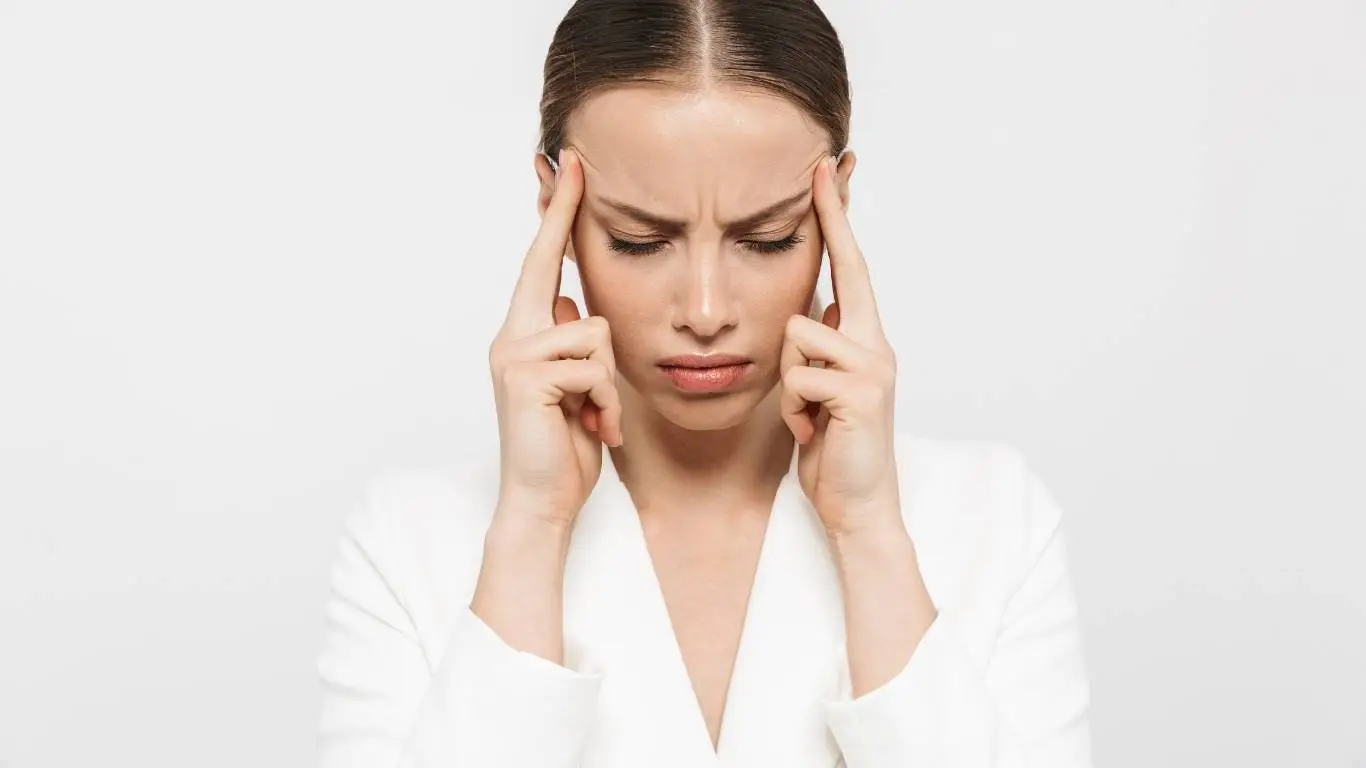
This is where observation meets consistency. One migraine doesn’t mean chocolate is the enemy — but a consistent pattern is worth exploring. Use tools like a migraine tracker app or simply jot down when you eat chocolate and how you feel after. Apps like Migraine Buddy or headache-focused smartwatches can help a lot.
If you need a deeper understanding of how migraines work in general, check out our comprehensive guide on understanding migraines. And for a broader look at how migraine types vary, explore our main migraine hub filled with expert-backed resources and real-life experiences.
For those who really want to dig into the science of migraine triggers beyond chocolate, the American Migraine Foundation at americanmigrainefoundation.org is a fantastic starting point, along with trustworthy resources from mayoclinic.org and nih.gov.
When the Craving Hits: Should You Cave or Control?

You know that moment when the chocolate craving kicks in, and you think, “Maybe just one bite won’t hurt…”? I’ve been there more times than I care to admit. But if you’re someone whose migraines are triggered by chocolate, it’s all about making smart, mindful choices rather than going cold turkey (unless that works best for you).
Strategies to Handle Cravings Without Regret
- Substitute smartly: Craving that sweet hit? Try carob-based snacks. They’re naturally sweet, caffeine-free, and surprisingly satisfying.
- Distract and delay: Often, if I give myself 15 minutes, the craving fades. A quick walk or even brushing my teeth can help reset the urge.
- Opt for magnesium-rich alternatives: Many people crave chocolate due to a magnesium deficiency. Almonds, bananas, and avocado do the trick for me.
And honestly, when I started focusing on nutritional strategies to support my migraine health, the chocolate temptation naturally lessened.
The Science Still Isn’t Settled

Here’s a twist: not every expert agrees chocolate is a true trigger. Some researchers argue it might be an early symptom of a migraine, not the cause. In other words, your brain starts craving sweets because a migraine is already brewing — a theory that’s still being explored.
But from personal experience, and what I’ve gathered from others in migraine communities, the pattern is hard to ignore. If every second or third time you indulge ends with an ice pack on your forehead, it’s probably not a coincidence.
Learn more about how migraine warning signs can help distinguish between triggers and symptoms.
Expert-Backed Ways to Minimize Chocolate-Triggered Episodes

Cutting out chocolate isn’t the only option. There are several science-backed lifestyle tweaks and treatments that can help raise your migraine threshold — meaning your brain becomes less sensitive to triggers.
What Actually Helped Me:
- Regular sleep schedule: Sounds basic, but going to bed and waking up at consistent times made a huge difference.
- Hydration strategy: I started drinking a glass of water every time I had a snack. Easy habit, big payoff.
- Mind-body practices: Weekly yoga and breathwork not only helped me manage stress, but also made cravings less intense.
- Tracking patterns: Using a migraine diary helped me spot less obvious triggers that paired with chocolate — like poor sleep or skipped meals.
For those seeking more structured support, options like CBT for migraines and biofeedback techniques have shown promise in reducing frequency and severity.
Supplements and Natural Remedies to Consider

Whether you’re trying to reduce dependency on meds or want additional support, natural remedies can play a role. I’ve personally had success with magnesium glycinate (taken daily) and B2. These didn’t cure my migraines, but they reduced the intensity when I slipped up and had that piece of dark chocolate.
Commonly Used Natural Supports:
- Magnesium – may help stabilize blood vessels and prevent aura-based migraines
- Vitamin B2 (Riboflavin) – shown to reduce frequency in some users
- Essential oils like peppermint or lavender – for topical use during attacks
- Feverfew and butterbur – traditional herbs, though best used with guidance
Before starting any new supplement, especially if you’re already on medication, it’s smart to consult a healthcare provider or a migraine-aware nutritionist.
When to Seek Medical Help

If your headaches are escalating in frequency, intensity, or start disrupting daily life, it’s time to get evaluated. Sometimes, what we think is a food-triggered migraine may actually be a symptom of a deeper issue. I waited too long, assuming it was all dietary, but seeing a neurologist helped me understand my full picture.
Start with insights from how to choose a migraine specialist and learn what to expect from an evaluation.
Also explore broader prevention strategies in our migraine prevention guide to build a personalized approach that suits your lifestyle.
Life After Chocolate – Or With It, On Your Terms

Giving up chocolate completely might sound like a punishment — especially if you’re someone who uses it as a comfort food (guilty as charged). But with some knowledge, personal tracking, and a few strategic tweaks, you might not have to.
For me, the key was learning how my body reacts, listening to it more, and finding indulgent alternatives that didn’t knock me out with a migraine. I still enjoy chocolate — just on my terms now. And honestly, that control feels even better than the sugar rush.
If you’re just starting to piece together your migraine puzzle, take a deeper dive into the fundamentals in our full guide to understanding migraines or explore the main migraine resource center at healthusias.com/migraines-and-headaches for tailored advice, insights, and community wisdom.

Bianca Nala is a compassionate Nurse Practitioner with a strong background in primary and respiratory care. As a health writer for Healthusias.com, she combines her clinical expertise with a talent for clear, relatable storytelling to help readers better understand their health. Bianca focuses on topics like asthma, COPD, chronic cough, and overall lung health, aiming to simplify complex medical topics without losing accuracy. Whether she’s treating patients or writing articles, Bianca is driven by a single goal: making quality healthcare knowledge accessible to everyone.