How Craniosacral Therapy Eases Migraine Pain Naturally
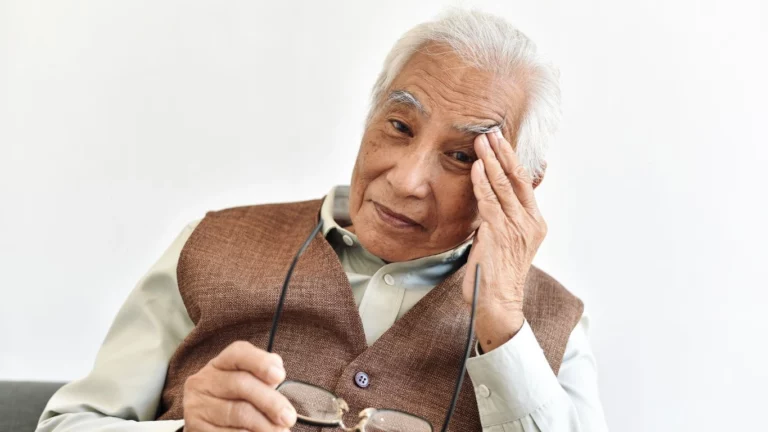
Living with migraines feels like you’re always bracing for a storm that might or might not come. I used to pop painkillers like mints, chase every new remedy online, and even tried those bizarre ice packs shaped like helmets. But it wasn’t until I stumbled upon craniosacral therapy (CST) that I realized my body was trying to tell me something deeper. This isn’t some fancy spa massage; it’s a gentle hands-on technique that taps into the body’s rhythm, and believe me, it’s more impactful than it sounds.
What is Craniosacral Therapy and How Does It Work?
Craniosacral therapy is a form of bodywork that focuses on releasing tensions in the craniosacral system — that’s the membranes and fluids protecting your brain and spinal cord. It might sound a bit “out there,” but it’s rooted in osteopathy and used by healthcare professionals globally. The idea is simple: by gently manipulating the bones of the skull, spine, and pelvis, you can encourage the flow of cerebrospinal fluid, which may help alleviate the root causes of migraine pain.
Unlike a deep tissue massage that can sometimes feel like a wrestling match, CST is all about subtlety. Practitioners use feather-light touches, often no more than five grams of pressure (imagine the weight of a nickel!). This gentle approach is what makes it especially appealing for migraine sufferers who are sensitive to touch during flare-ups.
Why Consider Craniosacral Therapy for Migraines?
- Non-Invasive & Relaxing: No needles, no machines. Just you, a comfortable table, and a therapist’s hands gently guiding your body back into balance.
- Addresses Underlying Tension: CST doesn’t just chase symptoms. It aims to release deep-seated fascial restrictions that could be contributing to your migraines.
- Supports Nervous System Regulation: Many migraine sufferers, including myself, have a hypersensitive nervous system. CST helps ‘dial down’ that overactivity.
In my case, after just three sessions, I noticed a significant decrease in the intensity of my migraine episodes. Sure, they didn’t vanish overnight, but the pulsing behind my eyes was less brutal, and I wasn’t glued to my dark room as often.
Scientific Perspective on CST for Migraines
Let’s get real for a second — CST isn’t a magic bullet, and scientific research is still catching up. But emerging studies have shown promising results. A study published in the Journal of Bodywork and Movement Therapies found that participants receiving CST experienced a notable reduction in migraine frequency and duration.
Moreover, CST aligns with holistic approaches that recognize how interconnected our systems are. Migraine isn’t just about head pain — it’s a web of triggers involving posture, stress, hormonal fluctuations, and even vestibular disturbances. CST addresses these broader bodily imbalances rather than isolating the head as the sole culprit.
What to Expect During a Craniosacral Therapy Session

Before my first session, I expected vigorous head massages or spinal twists. Instead, my therapist barely seemed to touch me, yet within minutes, I felt a profound sense of calm. Here’s a general rundown of what a typical session looks like:
- Initial Assessment: The practitioner will ask about your migraine patterns, stress levels, and any tension areas you’re aware of.
- Gentle Touch: You’ll lie on a treatment table while the therapist places their hands on your head, neck, back, or even feet — it’s all about feeling your craniosacral rhythm.
- Subtle Adjustments: The therapist applies light pressure, sometimes holding a position for several minutes as your body releases restrictions.
- Post-Session Feedback: They might suggest follow-up sessions or self-care techniques to maintain balance between visits.
Many patients, myself included, report feeling a bit “floaty” or deeply relaxed post-session — a sign that your nervous system is unwinding.
Who Should Try Craniosacral Therapy for Migraines?
CST can be a game-changer for certain individuals, particularly if you resonate with any of the following:
- You’ve tried conventional migraine medications but dislike the side effects.
- You experience tension headaches or tension-migraine overlap.
- You’re sensitive to physical touch during migraine attacks but still want therapeutic intervention.
- You suffer from migraines triggered by stress, poor posture, or neck-related issues.
But CST isn’t for everyone. Those with acute head trauma or certain medical conditions should consult a neurologist before trying craniosacral therapy. For a broader understanding of migraine diagnosis and management, check out our detailed guide on migraine diagnosis.
Integrating CST with Other Migraine Management Strategies
One of the things I love about CST is how seamlessly it fits into a broader migraine management plan. Pairing it with lifestyle tweaks, such as using a blue light filter or practicing mindful breathing, can amplify its effects. Some CST practitioners even work alongside other complementary therapies like acupuncture and chiropractic adjustments for a holistic migraine care approach.
For those of you who are navigating the complex maze of migraine triggers, the detailed guide on migraine triggers will help you pinpoint specific lifestyle factors to address. And for an in-depth resource on everything migraines, don’t miss the main pillar page on migraines and headaches.
My Personal Experience with Craniosacral Therapy for Migraines
If you’re wondering whether craniosacral therapy is just another wellness trend, I get it. I was skeptical too. But after battling migraines for over a decade, I was willing to try anything that didn’t involve another prescription. My CST journey started cautiously — once a week sessions for the first month. What surprised me wasn’t just the decrease in migraine frequency, but how much more in tune I became with my body’s signals.
Before CST, I could barely predict when a migraine would strike. After a few sessions, I began noticing early warning signs — a tightness in my jaw, shallow breathing, subtle neck stiffness. Things I’d ignored before. The therapy wasn’t just easing the migraines, it was teaching me to listen to my body better.
Potential Risks and Considerations
Craniosacral therapy is generally considered safe, especially since it uses such light touch. However, like any hands-on therapy, it’s important to ensure you’re working with a certified practitioner. I once had a session with someone who lacked proper craniosacral training — it wasn’t harmful, but it was clear they weren’t skilled in the technique, and the session felt more like a regular head massage than CST.
- Medical Conditions to Consider: People with recent head injuries, intracranial pressure issues, or certain spinal disorders should consult a neurologist first.
- Therapist Credentials Matter: Look for practitioners certified by recognized bodies such as Upledger Institute or similar organizations.
If you’re combining CST with other treatments like over-the-counter medications or prescription drugs, always discuss it with your healthcare provider to ensure a safe integrative approach.
How Many Sessions Are Needed to See Results?
Ah, the golden question. Honestly, it depends. For me, the first noticeable shift came after the third session, but I’ve spoken to people who felt relief after their very first. Typically, CST practitioners suggest starting with 4-6 sessions, spaced weekly or bi-weekly, to gauge your body’s response.
It’s not a “one and done” deal. CST is about building cumulative effects. It’s like tuning a guitar — each session fine-tunes areas of tension, helping the body maintain balance for longer stretches. Over time, I found I could go from weekly sessions to a maintenance visit once a month, with migraines showing up less frequently and with far less ferocity.
Combining Craniosacral Therapy with Other Holistic Approaches
One of the key reasons CST works so well for migraines is because it blends beautifully with other holistic practices. For example, I found that practicing yoga on off-days from CST sessions amplified the results. Both therapies promote body awareness and encourage the nervous system to stay in a more relaxed, balanced state.
Additionally, integrating CST with biofeedback techniques can be incredibly effective. Biofeedback helps you understand your body’s stress responses, while CST addresses the physical tension. Together, they tackle the migraine from both a neurological and mechanical standpoint.
Common Misconceptions About CST for Migraines
- “It’s just a placebo effect.” – While the placebo effect is real and powerful, CST’s anatomical and neurological basis is well documented in manual therapy fields.
- “It’s only for stress relief.” – CST goes beyond relaxation. By addressing fascial restrictions and enhancing cerebrospinal fluid flow, it targets physical contributors to migraines.
- “If it’s so gentle, how can it be effective?” – Subtle doesn’t mean ineffective. CST works on the principle that small adjustments can lead to big shifts in the body’s self-regulation processes.
I’ll admit, the gentle nature of CST made me doubt it at first. But the deep sense of calm I experienced after sessions — the kind that no medication ever gave me — was proof enough that something real was happening beneath the surface.
Is Craniosacral Therapy Worth Trying for Migraine Sufferers?
If you’re tired of the medication merry-go-round and looking for a gentle, holistic approach, craniosacral therapy is definitely worth considering. It’s not a cure-all, but for many — myself included — it’s been a pivotal tool in a broader migraine management strategy. I’ve found it especially valuable in combination with mindful lifestyle adjustments, which is why it’s crucial to understand your personal migraine symptoms and patterns.
For a broader overview of natural remedies, including craniosacral therapy, don’t miss our deep dive on natural migraine remedies.
And of course, if you’re new to the migraine world or need a solid foundation of understanding, our comprehensive migraines and headaches main guide will give you a structured path forward.

Bianca Nala is a compassionate Nurse Practitioner with a strong background in primary and respiratory care. As a health writer for Healthusias.com, she combines her clinical expertise with a talent for clear, relatable storytelling to help readers better understand their health. Bianca focuses on topics like asthma, COPD, chronic cough, and overall lung health, aiming to simplify complex medical topics without losing accuracy. Whether she’s treating patients or writing articles, Bianca is driven by a single goal: making quality healthcare knowledge accessible to everyone.