How Dry Cleaner Laundry Vapors Can Trigger Severe Migraines
Ever walked into a dry cleaner and felt a sudden pounding headache building up behind your eyes? That used to be me. For years, I couldn’t figure out why a quick stop to drop off my suits would leave me with a full-blown migraine by evening. Turns out, the culprit was floating right in the air—those invisible laundry vapors. If you’ve ever wondered how something as mundane as dry cleaning could spark a debilitating migraine, you’re not alone. Let’s dive into this sneaky trigger that often flies under the radar.
Why Do Dry Cleaner Laundry Vapors Trigger Migraines?

Most traditional dry cleaners use solvents like perchloroethylene (or “perc” for short). While it does a great job getting your clothes crisp and spotless, it’s also a known environmental toxin. When inhaled, these vapors can irritate your central nervous system, which for people like me, translates into a throbbing migraine within hours. Studies from EPA have flagged perc as a potential health risk, especially in enclosed, poorly ventilated spaces—think of small neighborhood dry cleaning shops.
For migraine sufferers, this vapor exposure can trigger a cascade of reactions: sinus pressure, nausea, light sensitivity, and that dreaded temple-throbbing pain. In fact, it’s a classic example of a scent-triggered migraine, similar to reactions people have with strong perfumes or industrial cleaners.
How Does This Trigger Differ from Other Environmental Migraine Triggers?
Unlike smoke-induced migraines or reactions to pollen, dry cleaning vapors have a more direct chemical pathway to your brain. They bypass the usual nasal filters and head straight to your bloodstream, making the onset of symptoms much faster.
Recognizing the Symptoms of Vapor-Induced Migraines

When I get hit by a vapor-induced migraine, it’s not just a regular headache. Here’s what typically happens within minutes to hours after exposure:
- Sudden onset of eye strain and a weird tightening sensation around my forehead.
- Visual disturbances—sometimes floaters or mild blurring.
- A creeping nausea, especially when I stay in the vapor-heavy area.
- Progressive light sensitivity, where even soft indoor lighting becomes intolerable.
If these sound familiar, you’re probably dealing with a chemical vapor migraine too. I found a lot of relatable signs in this guide on migraine warning signs.
Reducing Exposure to Laundry Vapors – Practical Tips

Over the years, I’ve developed a few strategies to avoid being sidelined by a trip to the cleaners. These aren’t medical hacks, just practical life lessons from someone who’s been there:
- Choose eco-friendly dry cleaners: More places now offer “wet cleaning” or CO2 cleaning which use no toxic solvents. Ask before you hand over your clothes.
- Opt for curbside drop-off/pickup: Staying outside drastically reduces your exposure. Some shops even offer drive-thru services.
- Use personal protective gear: If you must go inside, a carbon-filter face mask can make a noticeable difference.
- Airing out clothes: When you bring items home, hang them outside for a few hours to let lingering vapors dissipate.
If you’re sensitive like me, you’ll also want to understand other migraine triggers that might amplify the effect of vapors—like lack of sleep or hormonal shifts.
The Science Behind Vapor Sensitivity in Migraine Patients
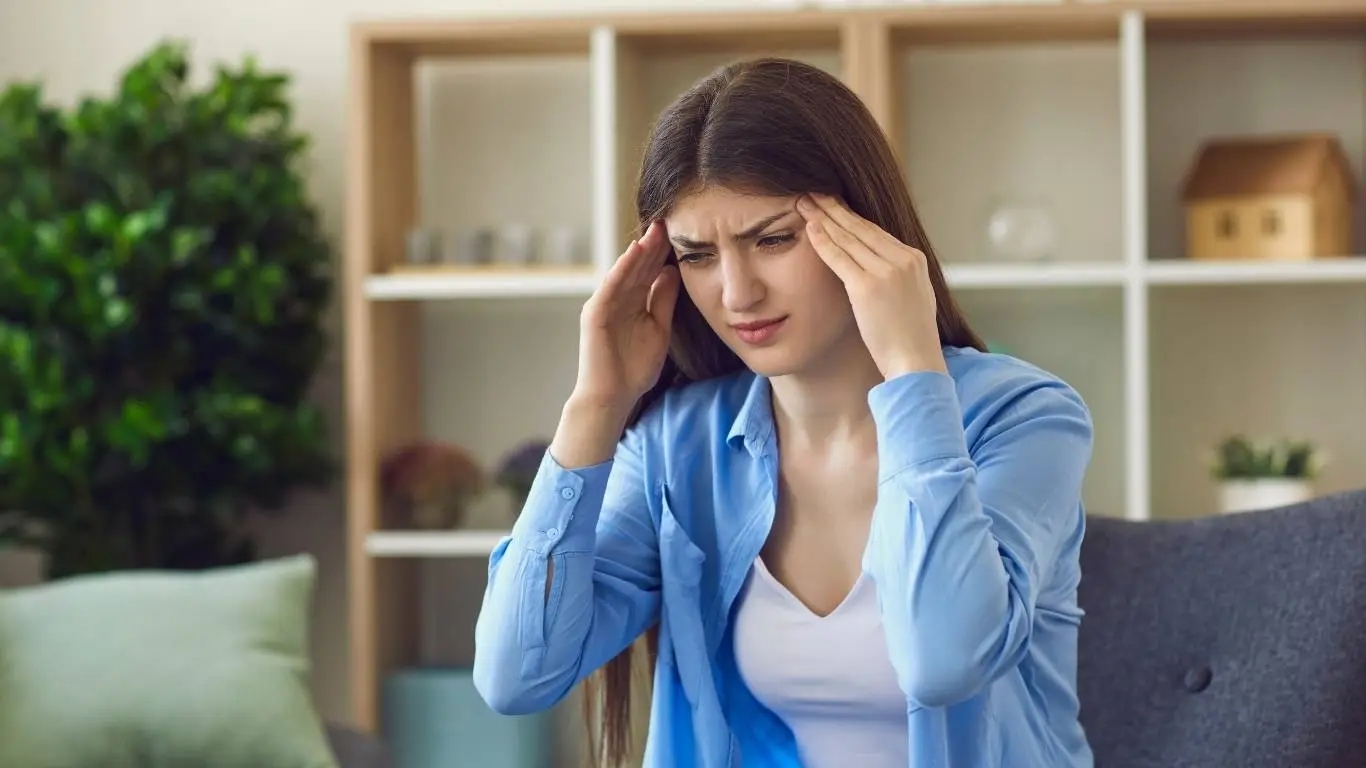
One theory behind vapor-induced migraines involves the trigeminal nerve pathway. When harsh chemicals are inhaled, they can irritate sensory nerve endings in your nasal passages. This irritation signals the trigeminal nerve, which is heavily involved in migraine pathways. For those with an overactive migraine response, this minor irritation can escalate into a full-scale attack.
Additionally, volatile organic compounds (VOCs) found in cleaning solvents can increase nitric oxide levels in the blood, a known migraine trigger for many people. This mechanism has been studied extensively by NIH and other medical researchers.
Is There a Genetic Component?
It wouldn’t surprise me. My sister, who never gets migraines, can stroll into a dry cleaner and chat for half an hour without so much as a sneeze. Me? I can feel a migraine setting in after five minutes. Research into genetic factors in migraines shows that our individual sensitivity to environmental triggers might be rooted in our DNA.
Are There Alternatives to Traditional Dry Cleaning?

Thankfully, yes. You don’t have to sacrifice your work wardrobe to avoid migraines. Here are a few alternatives I’ve switched to:
- Wet cleaning: A water-based cleaning process that uses biodegradable detergents and is just as effective for delicate fabrics.
- CO2 cleaning: Uses pressurized carbon dioxide to clean clothes without VOCs or toxic solvents.
- At-home steaming: For light stains and freshening up suits, a good garment steamer works wonders without chemicals.
These options have been game-changers for me. If you want to explore more about managing migraine triggers and prevention strategies, this pillar article on migraine prevention offers a lot of practical insights.
And if you’re looking to understand migraines and headaches from a broader perspective, I highly recommend browsing through the main guide on Migraines & Headaches which dives deep into causes, treatments, and lifestyle adjustments.
Personal Strategies That Helped Me Minimize Vapor-Induced Migraines

I wish I could tell you I found a magic bullet that stopped my vapor-triggered migraines, but it’s been more of a trial-and-error journey. Over time, though, I figured out a few personal routines that genuinely make a difference. For starters, I always time my dry cleaner trips early in the morning when the shop is freshly ventilated. I also avoid going right after they’ve done a heavy batch of cleaning — you can literally smell the difference in the air.
Another odd trick? Hydration. It sounds too simple, but ensuring I’m well-hydrated before and after any exposure seems to lessen the severity of my headaches. There’s some science to back this up — dehydration can amplify the effects of chemical exposure. If you’re curious, here’s a great breakdown on the link between dehydration and migraines.
Essential Oils for Quick Relief
I used to be skeptical of essential oils, but after trying peppermint oil for the first time, I was hooked. When I sense a migraine creeping in post-dry cleaning visit, dabbing a bit of diluted peppermint oil on my temples gives me some immediate relief. I wouldn’t say it prevents the migraine entirely, but it certainly takes the edge off. You can read more about how essential oils can aid migraine management.
Choosing the Right Protective Gear When Visiting Dry Cleaners

If completely avoiding dry cleaners isn’t an option, consider investing in a high-quality carbon filter face mask. I know, it might feel over-the-top, but the difference is noticeable. Unlike basic cloth masks, carbon filter masks are designed to trap VOCs before they make their way into your system. It’s one of those small investments that pay off in fewer migraine days.
For people who are particularly sensitive, there are also portable air purifiers you can clip onto your clothes or bag. These tiny devices create a mini “clean air bubble” around you. Pair that with a mask, and you’re cutting down exposure significantly.
Home Care After Vapor Exposure
Once you’re back home, there are things you can do to recover faster. Personally, I swear by a combination of cold compresses and dark, quiet rooms. I usually spend 20 minutes with an ice pack for migraine relief resting across my forehead, followed by a short nap. It’s not always a cure, but it softens the blow.
Could Vapor-Induced Migraines Be a Sign of Chemical Sensitivity?

For some, recurring migraines from chemical exposure can indicate a broader condition called Multiple Chemical Sensitivity (MCS). While not officially recognized as a distinct medical diagnosis everywhere, many healthcare professionals acknowledge that some individuals are hypersensitive to environmental chemicals, leading to exaggerated responses like migraines, fatigue, and respiratory issues. If you suspect this applies to you, it’s worth discussing with a neurologist who specializes in environmental triggers. Here’s a comprehensive guide on how migraines are diagnosed that can help you start that conversation.
It’s also essential to differentiate whether your headaches are vapor-triggered migraines or perhaps a tension headache misdiagnosed as a migraine. The treatment and prevention strategies differ significantly between the two.
Simple Lifestyle Adjustments That Support Migraine Prevention

One of the most valuable lessons I’ve learned through this journey is that it’s rarely just one trigger. For me, vapor exposure acts as the tipping point when other factors are already at play — poor sleep, high stress, or skipping meals. So, building a lifestyle that’s migraine-resilient has been crucial:
- Maintain a consistent sleep schedule: Erratic sleep patterns increase my susceptibility to all sorts of triggers.
- Balanced meals with low histamine foods: Avoiding aged cheeses, processed meats, and other high-tyramine foods.
- Stress management techniques: Mindful breathing exercises before potentially triggering situations really help.
The overarching goal is to strengthen your body’s threshold, making it more resistant to unavoidable exposures like dry cleaning vapors. For a more detailed look into holistic prevention strategies, check out this pillar article on migraine prevention.
And if you’re looking to understand how environmental factors like scents, chemicals, and air quality tie into migraines, the comprehensive guide on Migraines & Headaches provides an excellent starting point.

Bianca Nala is a compassionate Nurse Practitioner with a strong background in primary and respiratory care. As a health writer for Healthusias.com, she combines her clinical expertise with a talent for clear, relatable storytelling to help readers better understand their health. Bianca focuses on topics like asthma, COPD, chronic cough, and overall lung health, aiming to simplify complex medical topics without losing accuracy. Whether she’s treating patients or writing articles, Bianca is driven by a single goal: making quality healthcare knowledge accessible to everyone.