The Hidden Risks Of Ergotamine Overuse In Migraine Relief
If you’re someone who deals with migraines, there’s a fair chance you’ve crossed paths with ergotamine at some point. I’ve been there myself—those early days of experimenting with migraine treatments, trying to find that sweet spot between relief and rebound. It’s easy to reach for anything that works. But here’s the thing: what works fast can also backfire just as quickly. That’s where the risk of ergotamine overuse creeps in, and it’s a topic I wish more people took seriously.
Understanding Ergotamine: A Quick Refresher

Ergotamine belongs to a class of medications called ergot alkaloids. It’s typically prescribed for acute migraine attacks and sometimes cluster headaches. The drug works by constricting blood vessels in the brain—one of the key underlying mechanisms in migraine onset. While that might sound ideal, it comes with a catch.
When I first tried ergotamine, it was honestly like magic. The throbbing stopped, the world came back into focus, and I thought I’d found my forever solution. But over time, I needed more of it. What used to take one dose started needing two. That’s where the problem started. This pattern isn’t uncommon and has a name: medication overuse headache (MOH).
The Hidden Dangers of Overusing Ergotamine

MOH is a real kicker. Imagine treating a migraine only to invite more frequent headaches. It’s a vicious cycle, and ergotamine is one of the most notorious culprits. According to National Institute of Neurological Disorders and Stroke, MOH can become a daily battle if ergotamine or similar medications are taken more than 10 days a month over a three-month period.
What Happens When You Overuse?
Over time, your body becomes overly sensitized. Instead of reacting to pain in a controlled way, your nervous system goes haywire. This can lead to:
- Chronic daily headaches
- Increased migraine severity
- Decreased effectiveness of usual meds
- Higher risk of long-term neurological changes
Even worse, the symptoms of overuse often look just like the original migraine, making it hard to know whether you’re treating a real attack or a rebound one. That confusion can spiral fast.
Physical Impact Beyond the Head
Long-term ergotamine use doesn’t just mess with your head—literally. It can lead to vasoconstriction in other parts of the body, which has been linked to serious complications like:
- Peripheral vascular ischemia
- Heart complications
- Kidney function decline
Not exactly the outcome you want from a headache pill. This is why agencies like the FDA have placed restrictions on ergotamine use and urge clear communication between patients and providers.
How to Tell If You’re at Risk

So how do you know if you’re walking into overuse territory? There are some red flags to watch for:
- You need ergotamine more than 2–3 times a week
- Your migraines return shortly after treatment wears off
- You start mixing it with other acute treatments
- Headaches become more frequent or persistent
Back when I was relying on ergotamine, I thought I was managing things well. But when my three-day migraine became a daily ache, I knew something had gone wrong. It wasn’t until I read this breakdown of migraine warning signs that I recognized I was in rebound headache territory.
Breaking the Cycle Without the Burn

There’s good news: MOH can be reversed, and ergotamine doesn’t have to be the villain forever. Here’s what helped me personally—and what many migraine specialists recommend:
Step 1: Taper Smart, Not Abrupt
Never go cold turkey unless your doctor tells you to. Gradually reducing your ergotamine use can ease the withdrawal storm. During my taper, I kept a migraine diary to spot patterns and triggers more clearly.
Step 2: Use Preventive Strategies
Preventive treatments are crucial. These may include:
- CGRP inhibitors
- Magnesium supplements
- Cognitive-behavioral therapy (CBT)
Sometimes it’s not just about medication but mindset. One of the most helpful shifts for me was trying yoga and temperature therapy as maintenance tools. Not a miracle, but definitely supportive.
Step 3: Rebuild Your Migraine Toolbox
If you’re dependent on a single treatment, your options shrink fast. Instead, building a flexible, diverse strategy helps regain control. Here are some ideas:
- Explore non-drug migraine relief devices
- Work with a nutritionist to adjust diet triggers
- Understand root causes with neurological evaluations
If you’re interested in digging deeper into treatment and prevention, the full migraine treatment guide offers a detailed breakdown. It connects really well with the broader main migraine and headache resource page too.
What Happens After You Stop Overusing Ergotamine?
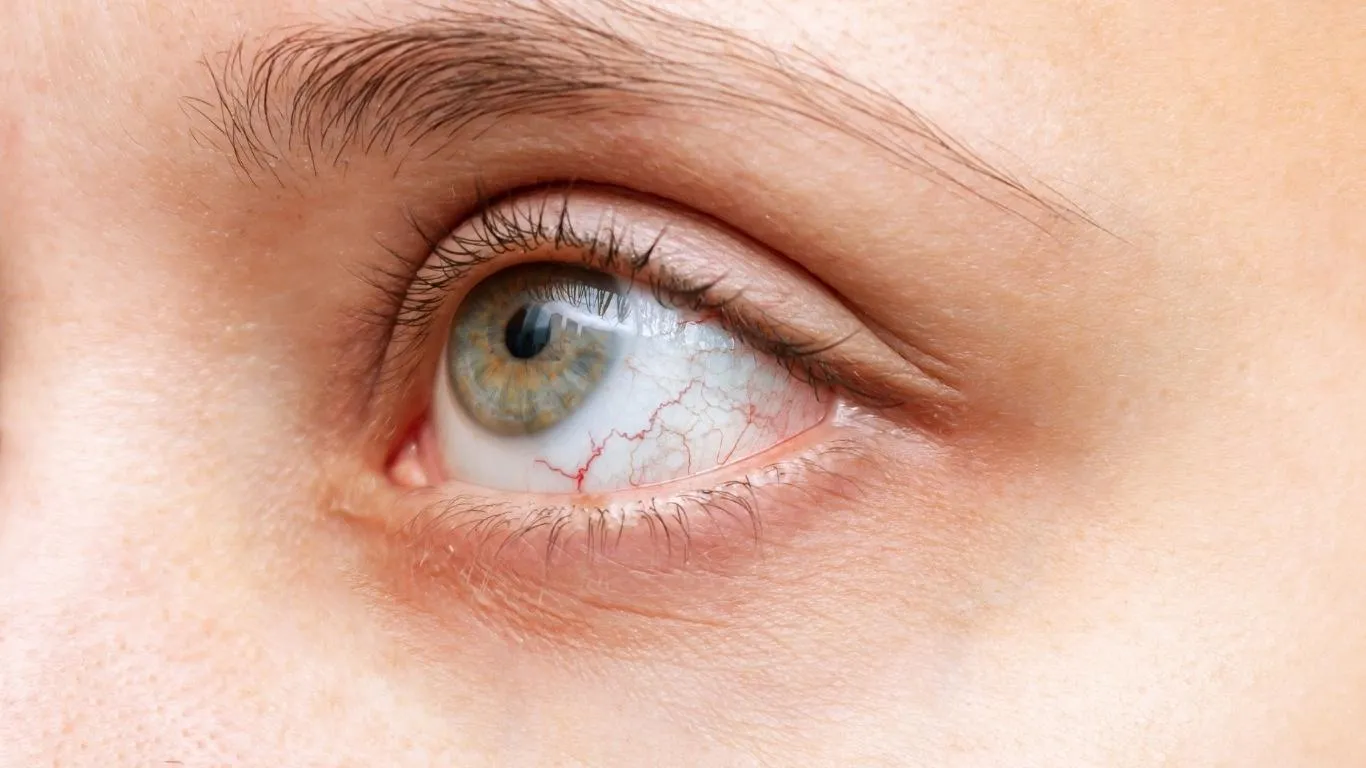
Let me tell you—getting off ergotamine was not exactly a walk in the park. The first couple of weeks were tough. I had withdrawal headaches, felt foggy, and honestly questioned whether I was making the right call. But after about a month, things started to shift. My migraines became less frequent. I could feel my system recalibrating, like it was finally learning to reset without the chemical crutch.
According to experts at Mayo Clinic, once ergotamine overuse is stopped, most people see improvement within 2–3 months. Your mileage may vary, of course, but it’s a promising outcome if you stick with the process and stay consistent with preventive support.
Dealing With Withdrawal Symptoms
Withdrawal from ergotamine doesn’t just mean you stop taking the pill. Your whole nervous system is adjusting. Here’s what I experienced and what you might, too:
- Headaches that felt sharper or more intense for a few weeks
- Fatigue and sluggishness, especially in the mornings
- Mood swings and irritability
- Craving that sense of “instant relief” ergotamine used to give
I relied heavily on hydration, rest, and herbal remedies like ginger tea during this time. It’s also when I first tried acupuncture, which helped a surprising amount in reducing the intensity of the rebound episodes.
Building a Long-Term Plan That Doesn’t Rely on Quick Fixes
The hardest part of any chronic condition is sustainability. Ergotamine might feel like a quick fix, but it doesn’t teach your body how to handle migraines in the long run. A good plan requires a mix of awareness, habit change, and flexibility.
What’s in My Current Migraine Toolkit?
After breaking free from ergotamine overuse, here’s what I personally leaned into for the long haul:
- Daily magnesium & B2 supplements – Backed by research, these have been game changers. See more on B-vitamin relief.
- Tech adjustments – I use blue light filters and dim lighting when working late.
- Yoga and stretching routines – I follow some of the tips from this simple guide whenever I feel pressure creeping in.
- Sleep hygiene – I had no idea how much room temperature could mess with my head until I started tracking it.
None of these things are magic bullets. But combined, they’ve reduced my migraine frequency significantly and let me feel like I have control again—not my pills.
Don’t Skip the Emotional Side
This part often gets overlooked, but it’s real: breaking free from medication overuse isn’t just physical. There’s a mental and emotional weight to it too. I had to reframe how I saw my migraines—not as emergencies to suppress instantly but as signals to listen to. That mindset shift came after I read up on migraine aura awareness and realized I was missing early cues.
Alternative Therapies That Actually Work

If you’re tired of cycling through meds, there are actually a lot of evidence-based non-drug therapies worth exploring. Here’s what’s made a noticeable difference for me:
- Cognitive behavioral therapy (CBT) – Helped me separate anxiety from my migraine triggers.
- Cefaly device – Looks weird but works well with consistent use.
- Aromatherapy – Lavender and peppermint have a place on my nightstand now.
There’s also ongoing research around things like CoQ10 supplementation and even biofeedback training—both of which are part of my future roadmap to stay medication-free as much as possible.
Keep a Support System

If you’re managing migraines, especially after dealing with overuse, having a community helps. I’ve joined online forums, subscribed to migraine-focused YouTube channels, and even follow a few advocates on social media who keep things real and relatable. That accountability, even in a virtual sense, really helps keep you on track when your resolve starts to slip.
And it’s not just about others. One of the best tools in your migraine journey is understanding migraines in a deeper way—your own patterns, your triggers, your body’s way of communicating.
More than anything, if you’re currently relying on ergotamine too much, don’t beat yourself up. You’re not alone. But the longer you ignore the risks, the harder it gets to break the cycle. There are better options, gentler paths, and more sustainable ways to manage your migraines. And you deserve that kind of care—not just quick fixes.

Bianca Nala is a compassionate Nurse Practitioner with a strong background in primary and respiratory care. As a health writer for Healthusias.com, she combines her clinical expertise with a talent for clear, relatable storytelling to help readers better understand their health. Bianca focuses on topics like asthma, COPD, chronic cough, and overall lung health, aiming to simplify complex medical topics without losing accuracy. Whether she’s treating patients or writing articles, Bianca is driven by a single goal: making quality healthcare knowledge accessible to everyone.