How Guided Breathing for Migraine Attack Can Calm the Chaos Fast
Migraines can hit like a freight train out of nowhere. One moment, I’m sitting with my morning coffee, and the next, it feels like a jackhammer is pounding inside my skull. Over the years, I’ve tried countless remedies—some worked temporarily, others didn’t touch the pain. But there’s one technique that consistently makes a difference: guided breathing for migraine attacks. It sounds simple, but when done right, this method can help you regain control when a migraine feels like it’s taking over your life.
Why Guided Breathing Is a Game-Changer During a Migraine Attack

When a migraine strikes, your body goes into survival mode. The muscles tighten, your breathing becomes shallow, and your stress levels skyrocket. It’s a vicious cycle—stress amplifies the migraine, and the migraine increases your stress. This is where guided breathing comes into play.
Guided breathing helps interrupt that loop. By consciously focusing on your breath, you’re signaling to your nervous system to shift from “fight or flight” to “rest and digest” mode. It’s not about curing the migraine in an instant—it’s about managing the storm so it doesn’t completely derail your day.
And it’s not just a wellness fad. According to research published in NCBI, controlled breathing techniques can significantly reduce the intensity and duration of migraine attacks by regulating autonomic nervous system responses.
How to Perform Guided Breathing During a Migraine Attack

You don’t need fancy equipment or a serene meditation studio. Here’s how I practice guided breathing during a migraine episode, even if I’m curled up in a dark room:
- Find a Quiet Space: Ideally, a room with minimal light and noise. But let’s be honest, migraines don’t wait for ideal conditions. Even a quiet corner works.
- Set a Timer: Start with 5 minutes. You can increase the duration as you become more comfortable.
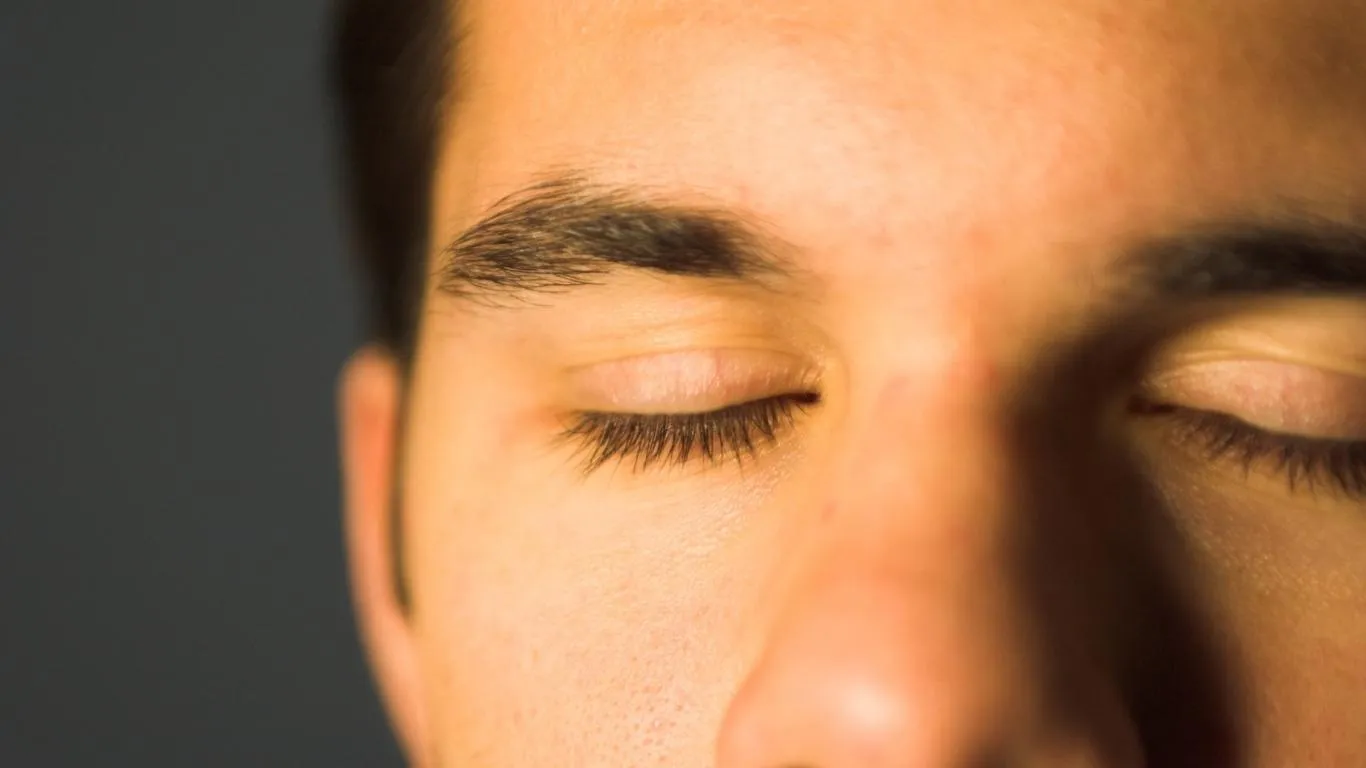
- Close Your Eyes and Focus: Block out all distractions. I usually picture a gentle wave, rising and falling.
- Inhale Deeply: Breathe in through your nose for 4 seconds, filling your belly—not your chest.
- Hold Your Breath: Pause gently for 4 seconds. This brief hold stabilizes your oxygen levels.
- Exhale Slowly: Breathe out through your mouth for a count of 6. Imagine releasing the tension with each exhale.
- Repeat: Continue this cycle for the entire duration of your timer.
This is a foundational practice. Over time, you can explore variations like box breathing or 4-7-8 breathing patterns. For more advanced migraine-specific techniques, check out our guide on common migraine triggers to understand what might be exacerbating your symptoms.
Combining Guided Breathing with Other Migraine Relief Strategies

Breathing exercises are powerful, but they become even more effective when combined with other migraine relief strategies. Here’s what’s worked for me:
- Cold Compress Therapy: Applying a cold pack to the back of my neck while practicing guided breathing amplifies the calming effect. Cold constricts blood vessels, which can ease the throbbing sensation.
- Aromatherapy: Essential oils like peppermint or lavender enhance relaxation. A few drops on a tissue while breathing deeply can be a game-changer.
- Adjusting Light Sensitivity: Using blue light blocking glasses when I feel a migraine brewing helps prevent escalation.
- Mindful Movement: Gentle stretches, especially for the neck and shoulders, combined with breathwork, help release built-up tension.
Each person’s migraine triggers are unique. I found that guided breathing has a cumulative effect—the more consistently I practice, the faster my body responds. It’s also been a life-saver during those unexpected migraine hits at work or while traveling. If you’re someone who experiences migraines due to stress-induced triggers, I highly recommend reading about stress-induced migraines for more coping strategies.
The Science Behind Why Breathing Techniques Help Migraines
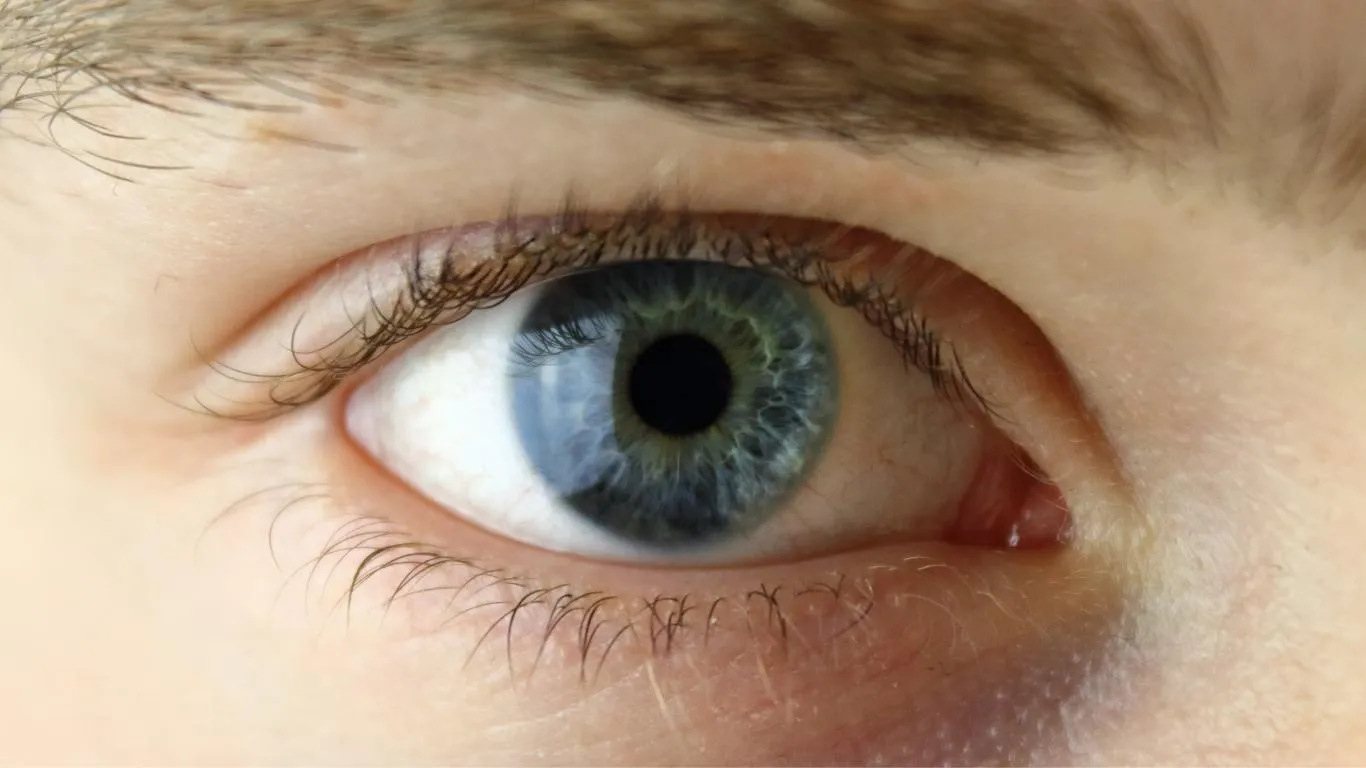
Migraines aren’t just headaches; they’re neurological storms. They involve complex interactions between the brain, blood vessels, and the nervous system. When you’re mid-attack, your body is in a heightened state of arousal—heart racing, cortisol pumping, muscles bracing. Guided breathing acts as a counterbalance.
Deep, diaphragmatic breathing activates the parasympathetic nervous system, which is responsible for relaxation responses. By slowing down the breath, you can directly influence your heart rate variability (HRV), a key marker of stress resilience. Studies from sources like Harvard Health back this up, showing how intentional breathing practices can lower blood pressure and reduce migraine frequency over time.
It’s not magic, but it’s physiological. The connection between breath and brain is profound. If you’re curious about how migraines manifest in other unusual ways, our article on migraine with aura dives into the sensory disturbances that often accompany these episodes.
To explore more on holistic migraine management, I highly recommend checking out our main migraine pillar article on understanding migraines, as well as our comprehensive hub on migraines and headaches for deeper insights.
When to Start Guided Breathing for a Migraine Attack

One of the most important lessons I’ve learned is that timing matters. Guided breathing works best when you catch the migraine early. Those subtle warning signs—like neck stiffness, light sensitivity, or that familiar foggy-headed feeling—are your cue to start breathing exercises before the pain escalates.
If you’re someone who struggles to recognize these early symptoms, it’s worth reading our guide on migraine warning signs. Being proactive makes all the difference between a manageable episode and being completely sidelined for hours.
And if you often experience migraines triggered by sleep disorders or erratic sleep patterns, guided breathing before bedtime can help regulate your nervous system and minimize overnight attacks.
Common Mistakes When Using Breathing Techniques for Migraine Relief
I wish I could say that guided breathing is foolproof. But the truth is, there are a few common pitfalls that can make this practice less effective:
- Rushing the Process: If you’re breathing too quickly, you’re not activating the parasympathetic response. Slow and steady wins here.
- Ignoring Posture: Slouching compresses your diaphragm, making deep breathing difficult. Sitting upright or lying flat with support is key.
- Forcing the Breath: The goal isn’t to hyperventilate. It’s about gentle, controlled airflow. Forcing it can create tension, which is the opposite of what you want during a migraine.
These mistakes are easy to fix with practice. If you’re curious about additional tools to enhance your breathing practice, take a look at our review on Cefaly migraine devices—they can complement your breathing techniques, especially during chronic episodes.
How I Integrated Guided Breathing Into My Daily Routine

When I first started practicing guided breathing, it was purely reactive—I’d scramble to do it once a migraine hit. But I soon realized that integrating it into my daily routine made a bigger impact. Here’s what worked for me:
- Morning Routine: Before reaching for my phone, I spend 5 minutes breathing deeply. It sets a calm tone for the day.
- Midday Reset: Around lunch, I take a 10-minute breathing break to decompress from work stress.
- Evening Wind Down: A few minutes of guided breathing before bed helps me transition into restful sleep.
This consistency built a stronger resilience against migraine triggers. On days when I sense a migraine creeping in, my body already knows how to respond. It’s become a reflex rather than a scramble. If you’re dealing with migraines linked to hormonal fluctuations, check out our article on menstrual migraines—breathwork during these periods can be especially helpful.
Guided Breathing vs. Medication: Can They Work Together?

This is a question I get asked often: should guided breathing replace medication? Honestly, no. For many people, medication is essential, especially during severe attacks. But guided breathing isn’t meant to be a replacement—it’s a complementary tool.
When used together, the benefits are amplified. For example, after taking an over-the-counter migraine medication, practicing guided breathing can help the body absorb and respond to the medication more effectively by reducing physical tension and stress responses.
It’s also worth noting that if you’re interested in more holistic approaches, integrating guided breathing with biofeedback therapy can be incredibly effective for long-term management.
Why Guided Breathing Should Be Part of Your Migraine Action Plan

Over time, I’ve come to see guided breathing not as a backup option, but as a core part of my migraine action plan. It’s simple, it’s free, and it empowers you to take control in a moment that often feels uncontrollable.
But don’t take my word for it. Dive into our in-depth article on migraine treatment strategies to see how guided breathing fits into a broader, evidence-backed approach to managing migraines.
And for an even deeper dive into everything migraine-related, don’t miss our main resource hub on migraines and headaches. You’ll find actionable advice, expert tips, and community-shared strategies to help you navigate the complexities of living with migraines.

Bianca Nala is a compassionate Nurse Practitioner with a strong background in primary and respiratory care. As a health writer for Healthusias.com, she combines her clinical expertise with a talent for clear, relatable storytelling to help readers better understand their health. Bianca focuses on topics like asthma, COPD, chronic cough, and overall lung health, aiming to simplify complex medical topics without losing accuracy. Whether she’s treating patients or writing articles, Bianca is driven by a single goal: making quality healthcare knowledge accessible to everyone.