Why Menstrual Cycle Triggers Can Make Migraines Worse
Ever notice how your migraines seem to have a calendar of their own? You’re not imagining things. For years, I used to think it was just bad luck—why did the worst migraines always hit right before my period? Turns out, there’s a deep connection between hormonal shifts and those head-pounding days. Let’s dig into how your menstrual cycle might be stirring up your migraine attacks, and what you can actually do about it.
What Are Menstrual Migraines, Really?
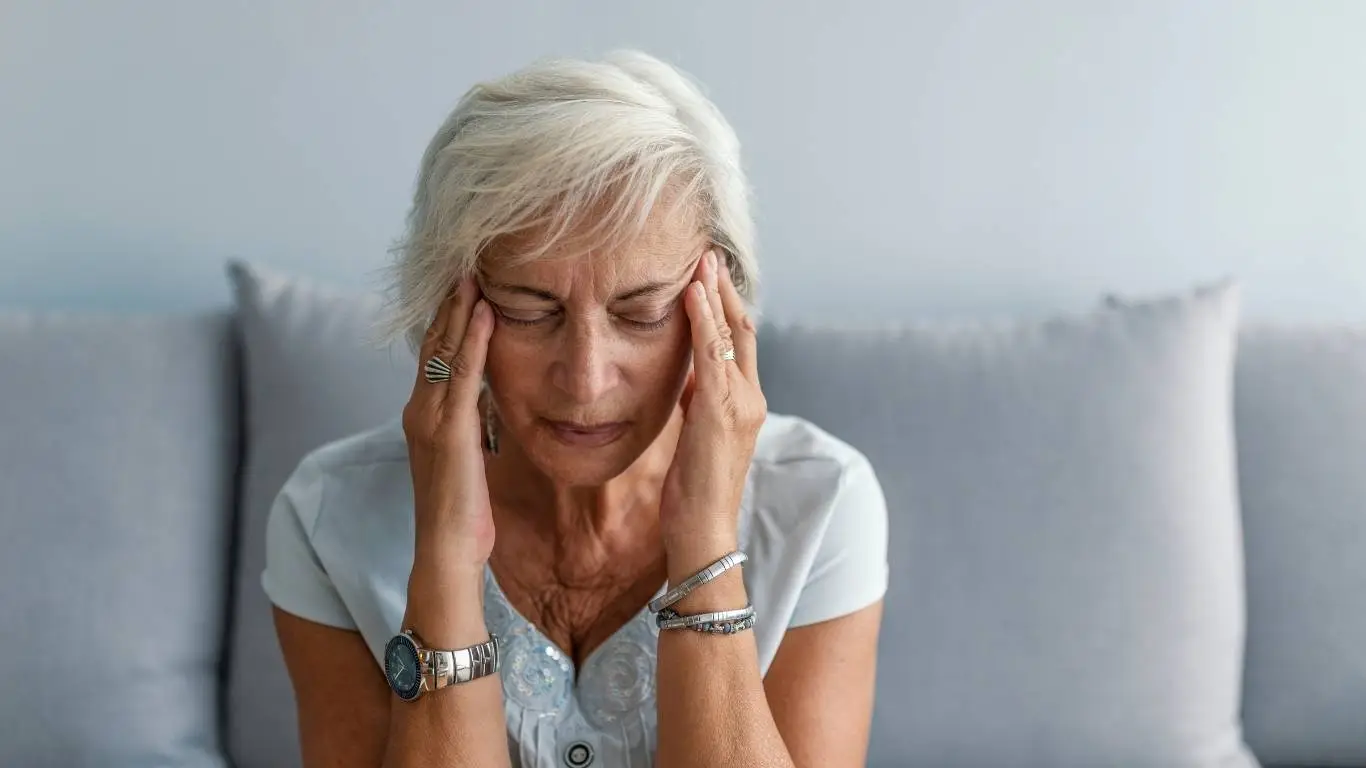
Menstrual migraines are more than just “regular” migraines that happen to fall on your period. These are migraines that are actually triggered by hormonal changes—specifically, a drop in estrogen levels. They tend to strike during the two days leading up to menstruation and the first three days of bleeding. I can always tell it’s one of *those* migraines when painkillers feel like candy and the usual remedies fall flat.
According to the National Institute of Neurological Disorders and Stroke, these migraines can last longer, feel more intense, and often come without aura. That means there’s little warning before the hammer drops.
Types of Menstrual Migraines
- Pure Menstrual Migraine: Happens only during menstruation, and not at other times of the month.
- Menstrually Related Migraine: Most common—occurs around menstruation but also hits during other parts of the cycle.
Learn more about menstrual migraines and how they’re different from other types.
What’s Hormone Got to Do With It?

Estrogen isn’t just about reproduction. It also influences the brain’s chemistry, including how sensitive we are to pain. When estrogen levels plummet (like they do before your period), brain chemicals like serotonin take a dive too, and that’s a recipe for migraines. Been there, done that, and yep—it’s rough.
The Hormonal Rollercoaster
- Follicular Phase: Estrogen rises. Migraines usually chill out here.
- Ovulation: Estrogen peaks. Some people get migraines here too—double trouble.
- Luteal Phase: Estrogen starts to drop. Uh-oh.
- Menstruation: Estrogen is at its lowest. Prime migraine time.
This hormonal pattern is what links menstruation and migraines for many. And if you’re someone dealing with hormonal migraine triggers, understanding this pattern can be a total game changer.
How to Know It’s a Hormone-Driven Migraine

Not every migraine around your period is hormone-related. But here are some signs it probably is:
- They arrive like clockwork—same time every month
- They’re more resistant to treatment than usual migraines
- You feel extra sensitive to light and sound
- They often hit without aura
Keeping a migraine diary can help you spot patterns. I started tracking mine last year, and wow—the trend was so obvious, I couldn’t believe I hadn’t seen it before.
Living with Menstrual Migraines: Practical Tips That Help

I’ve experimented with all sorts of hacks—from yoga to supplements—and while not everything works for everyone, these made a noticeable dent in my pain days:
1. Stay Ahead of It
If you know your migraines hit a few days before your period, preemptive treatment can help. Some doctors recommend taking NSAIDs like ibuprofen a day or two before your period starts and continuing for several days. It’s a small shift that can mean the difference between a mild headache and a full-on migraine meltdown.
2. Try Magnesium
This mineral plays a big role in nerve transmission and hormone balance. I started taking magnesium glycinate after reading about it, and it made a serious difference. Some studies, including those cited by ncbi.nlm.nih.gov, back up its role in migraine prevention—especially menstrual migraines. Read more about magnesium for migraine relief.
3. Hormonal Birth Control (But Carefully)
Some women find that hormonal birth control levels out their estrogen swings and reduces migraine frequency. But it’s not a one-size-fits-all fix. In fact, in some cases, birth control can make migraines worse—especially if you’re prone to aura. Always talk to a specialist before jumping in. Here’s a deep dive on birth control and migraine connections.
4. Lifestyle Tweaks
- Regular sleep (no more binge-watching until 2am)
- Hydration (water actually helps—who knew?)
- Limiting trigger foods like aged cheese and wine
- Stress reduction: Easier said than done, but yoga, walks, and even guided breathing apps help more than you’d think
When to See a Specialist
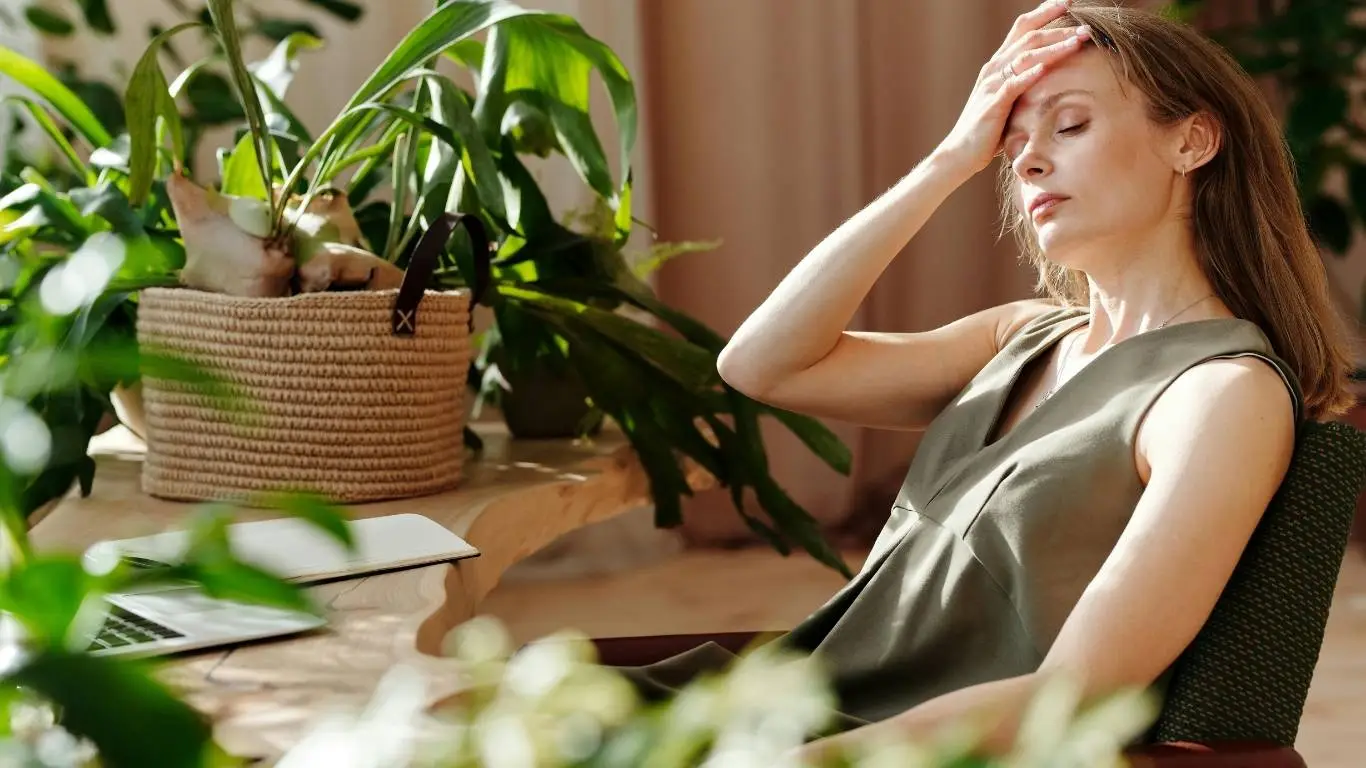
If you’ve tried all the tricks in the book and still feel like your brain’s at war with your uterus every month, it might be time to call in reinforcements. A neurologist or women’s health specialist can help create a personalized prevention plan. Learn more about how neurologists approach migraine treatment.
For a complete understanding of how migraines work and what sets them off, you’ll want to explore this migraine triggers guide. And if you’re just starting to unravel your own migraine puzzle, this main resource page is a fantastic foundation.
Advanced Treatments for Menstrual Migraines
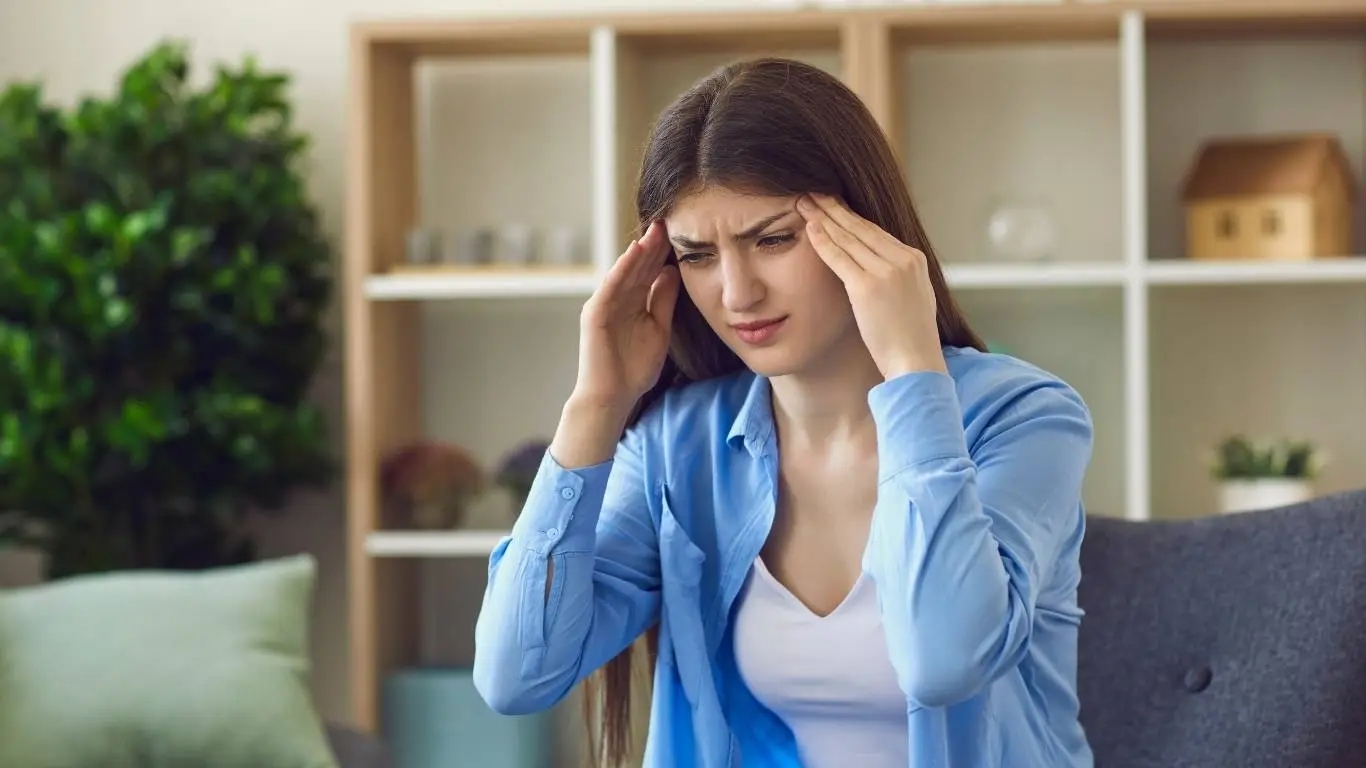
If you’ve been doing all the basics—hydration, magnesium, sleep, even hormonal management—and those monster migraines still crash into your cycle, it’s time to explore more targeted treatments. I reached that point a couple of years ago, and the game changed once I found what *really* worked for my specific case.
Prescription Medications That Actually Work
- Triptans: Taken at the onset of symptoms, these are migraine-specific pain relievers. I keep one in every bag I own.
- Mini-preventive regimens: For many of us with predictable migraine timing, doctors prescribe triptans or NSAIDs to be taken a few days before and during menstruation. It’s a preventative move that doesn’t require full-time meds.
- Extended-cycle birth control: For some, skipping periods altogether with hormonal contraception helps bypass the estrogen drop. This worked surprisingly well for a friend of mine who had migraines so bad she had to call out of work monthly.
If you’re curious about the pharmaceutical options, the breakdown in this migraine medication guide is super thorough.
Botox and CGRP Inhibitors
These are the heavy-hitters. Botox isn’t just for smoothing forehead lines—it’s FDA-approved for chronic migraines. And CGRP inhibitors? Total game-changer. I’m talking about medications like Aimovig or Emgality that block a key protein involved in migraine activation.
If you’ve never heard of them, check out this overview of CGRP treatments and what they actually do.
Natural Remedies Worth Considering

For anyone hesitant about jumping straight to medications (totally understandable!), I’ve been down that road too. Thankfully, there are natural options that aren’t just snake oil. These are some that showed promise for me and others I know in the migraine community:
- Riboflavin (Vitamin B2): Helps with energy metabolism in brain cells. I saw fewer attacks after a few weeks on this.
- CoQ10: Acts as an antioxidant and supports mitochondrial health. Great for overall energy too.
- Herbal support: Butterbur and feverfew have a long-standing reputation among migraine sufferers.
- Essential oils: I know, it sounds woo-woo—but peppermint oil on the temples actually helps me if I catch the headache early. Check out these essential oil blends tailored for migraines.
For a broader overview of integrative approaches, this section on natural migraine remedies dives into everything from yoga to supplements.
Tech & Tools You Shouldn’t Overlook
I’ll admit—I was skeptical about gadgets. But after getting desperate enough, I started trying out some of the migraine relief tools people kept buzzing about. And guess what? Some of them are legit.
Wearables
- Cefaly: A headband-like device that uses neurostimulation. It feels odd at first, but relaxing.
- Nerivio: Works via your smartphone to deliver neuromodulation through the arm. Great for attacks caught early.
There’s a full guide to the best migraine devices here, with comparisons of pros and cons. Plus, apps like migraine diaries and smartwatches now help predict and manage attacks more efficiently than ever before.
Personalized Lifestyle Strategies
This part is huge—because even with meds and supplements, daily life plays a role. It took me years to realize just how sensitive my body was to things like late-night snacks or changing my sleep time by an hour. Once I started building routines that supported hormone balance, I had fewer migraines overall.
What Helped Me (and Might Help You)
- Following a migraine-aware diet
- Going to bed and waking up at the same time—yes, even on weekends
- Cutting back on alcohol and caffeine the week before my period
- Daily movement—yoga, walking, nothing extreme
- Using a migraine tracking app to monitor triggers and cycle patterns
Not everything will work for everyone, but consistency makes a real difference. You don’t have to get everything perfect—just enough to tip the scale in your favor.
Real Talk: When Migraines Control Your Life

If menstrual migraines are taking over your work, your relationships, or your energy—it’s not something to brush off. I’ve had months where I lost nearly half my days to migraine fog, and that kind of toll adds up fast. Chronic pain doesn’t just live in the body—it seeps into your confidence, your planning, and your mental health.
That’s why it’s critical to lean on tools and professionals that support the full picture. For instance, therapy techniques like CBT for migraines are gaining traction, especially when pain and anxiety are tangled together. And don’t overlook how much emotional support and education can come from following the right experts. This page on migraine influencers can connect you to relatable, trustworthy voices.
Want to understand how all these elements connect on a broader scale? This comprehensive guide to understanding migraines puts everything in perspective.
And if you haven’t already bookmarked it, here’s the main hub of reliable, evidence-backed information: Migraines & Headaches Main Resource.

Bianca Nala is a compassionate Nurse Practitioner with a strong background in primary and respiratory care. As a health writer for Healthusias.com, she combines her clinical expertise with a talent for clear, relatable storytelling to help readers better understand their health. Bianca focuses on topics like asthma, COPD, chronic cough, and overall lung health, aiming to simplify complex medical topics without losing accuracy. Whether she’s treating patients or writing articles, Bianca is driven by a single goal: making quality healthcare knowledge accessible to everyone.